Applied Chemistry and Environmental Science

We train the next generation of chemists and environmental scientists while performing cutting-edge research in areas that support the United Nation’s Sustainability Development Goals.
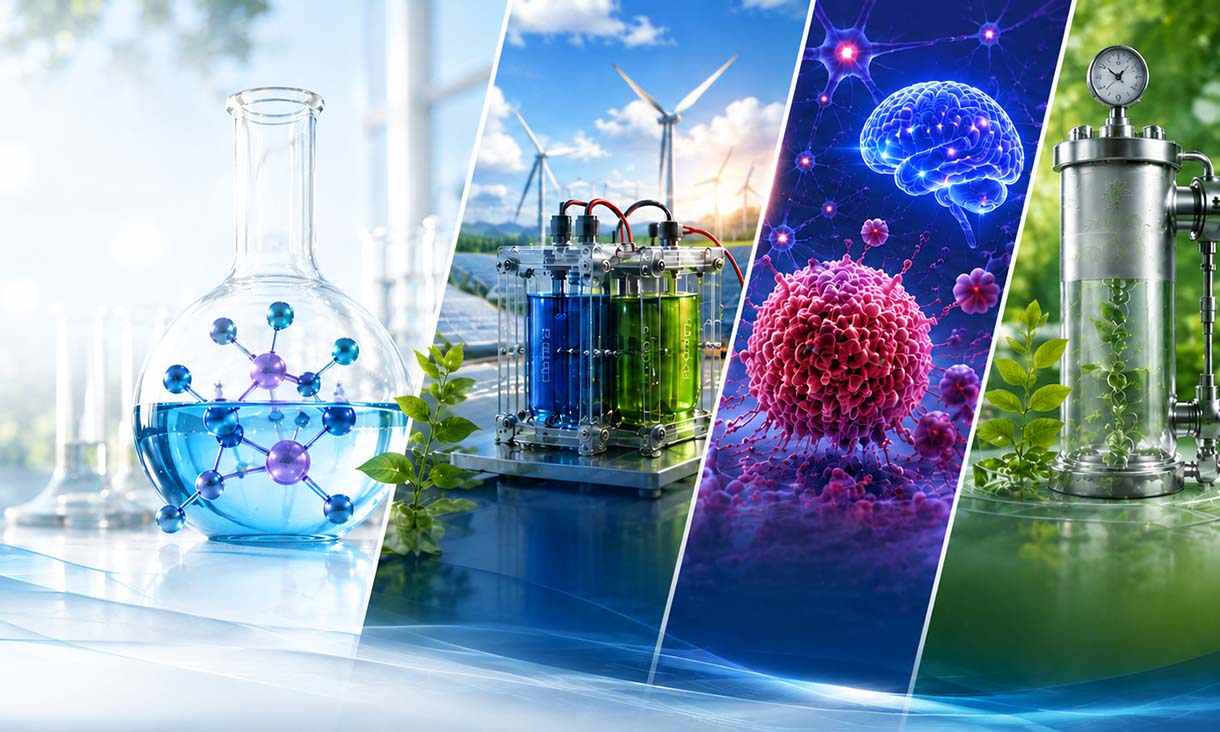
ACES provides an applied education and conducts research in diverse areas of modern chemistry, addressing crucial global issues around water, energy, and food security; health and biomedicine; and addressing the consequences of climate change on our environment. Our impact in these areas is underpinned by our deep fundamental understanding of physical, analytical, inorganic, organic, computational and materials (nano, bio, soft matter, interfacial) chemistry, state-of-the-art infrastructure, and substantial collaboration beyond disciplinary boundaries.
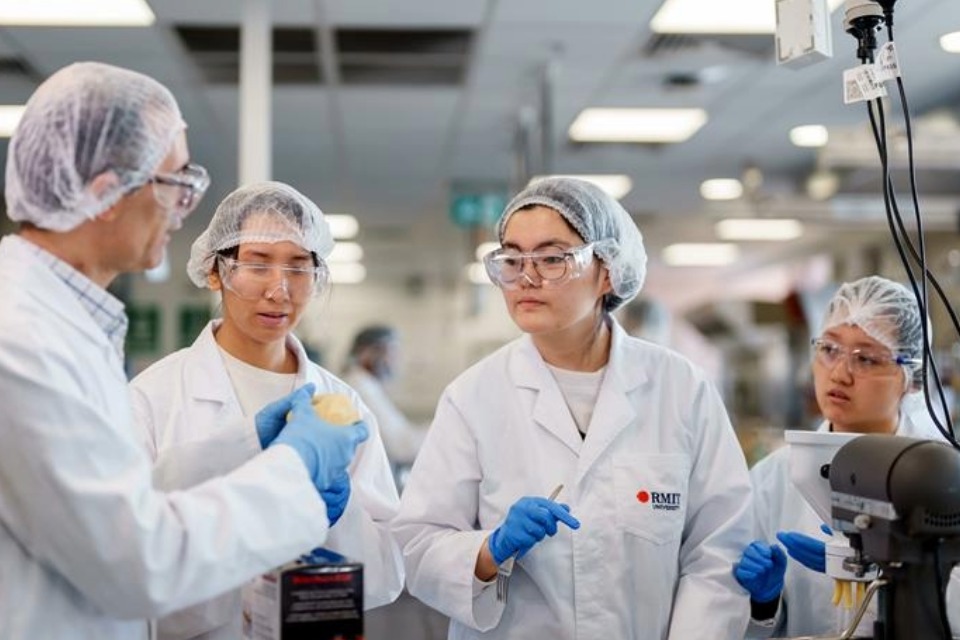
We place a strong emphasis on equipping our undergraduate and graduate students with the skills for career success and expertise in their chosen pathways. Our students have access to modern facilities and resources that enable hands-on learning with leading experts in the field. We offer a world-class education that goes beyond the classroom, allowing students to apply their knowledge and skills in practical settings. Through internships, industry collaborations and research projects, our students gain invaluable industry experience and develop the necessary skills to excel in their chosen fields.
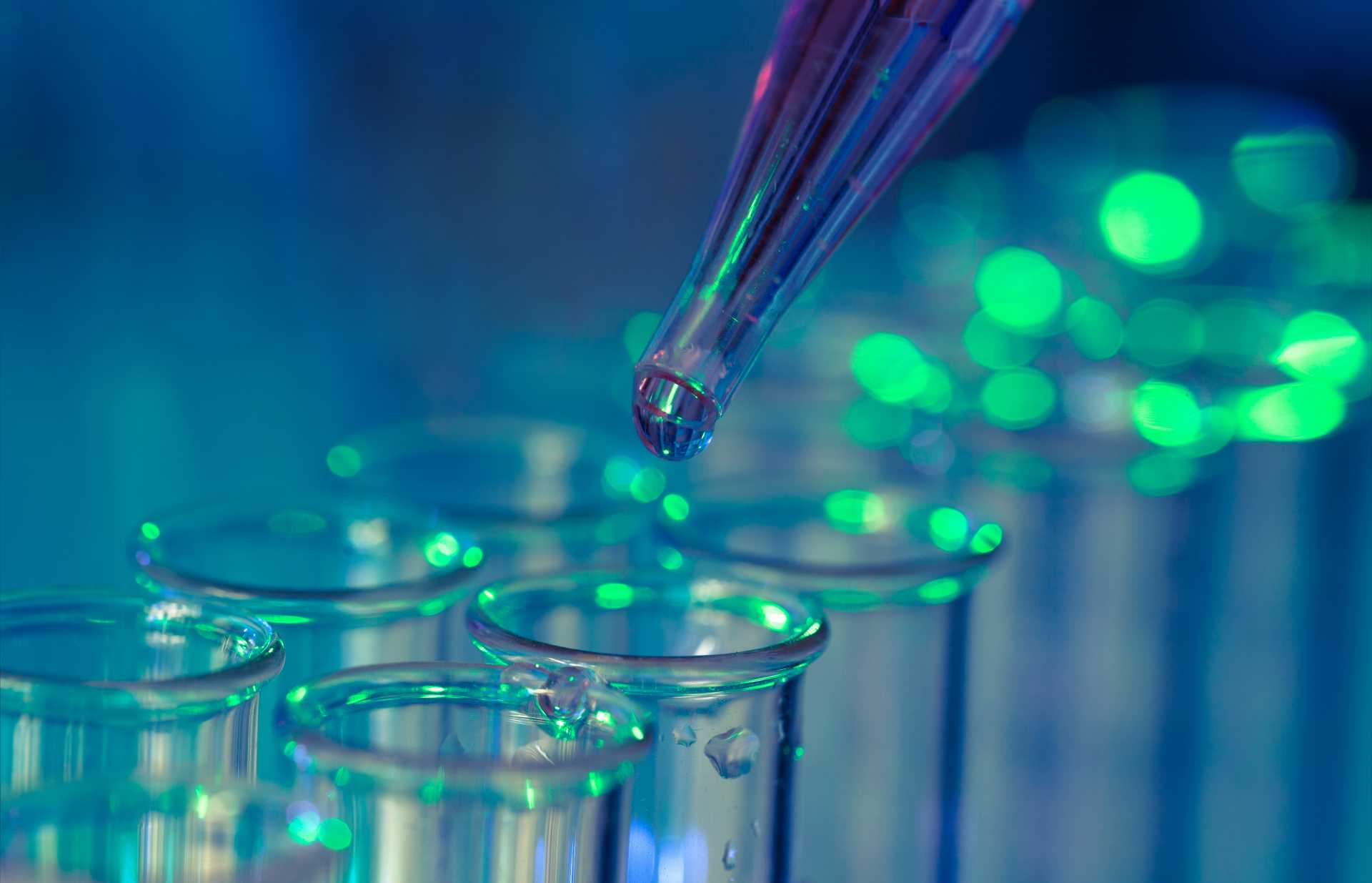
Applied Chemistry at RMIT combines cutting-edge research, hands-on learning, and strong industry collaboration to prepare the next generation of chemists who solve real-world challenges. Explore diverse study areas that span the needs of industry and society today, for example: energy storage and carbon capture, nanomaterials for medical applications, and natural product discovery. Our curriculum integrates core knowledge from analytical, physical, organic, and environmental chemistry, while encouraging creativity and innovation through interdisciplinary thinking.
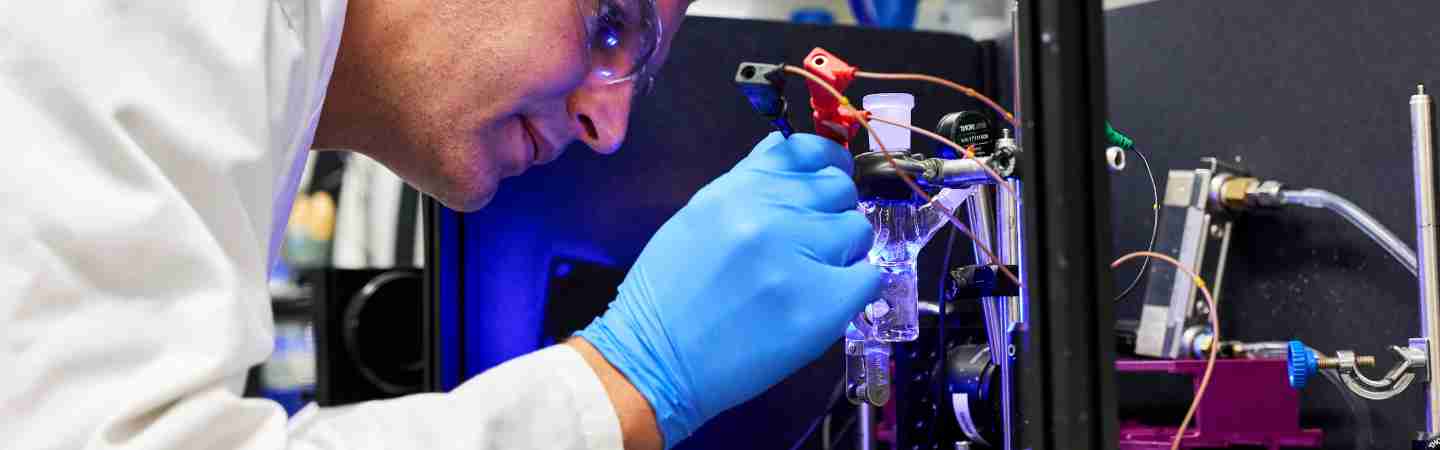
Students gain practical experience through laboratory training and research projects, working alongside world-class researchers in state-of-the-art facilities. Through industry partnerships and embedded work integrated learning, our projects address pressing global needs in clean energy, advanced materials, sustainable manufacturing, environmental protection, and healthcare innovation.
From designing functional nanomaterials and catalysts to developing new analytical and green chemistry solutions, our researchers and students work together to turn discovery into impact. Graduates are equipped for diverse careers across industry, research, and government, including roles in pharmaceuticals, materials development, environmental consulting, and analytical science.
At RMIT, you’ll be part of a collaborative chemistry community where education and research come together to create a more sustainable and innovative future.
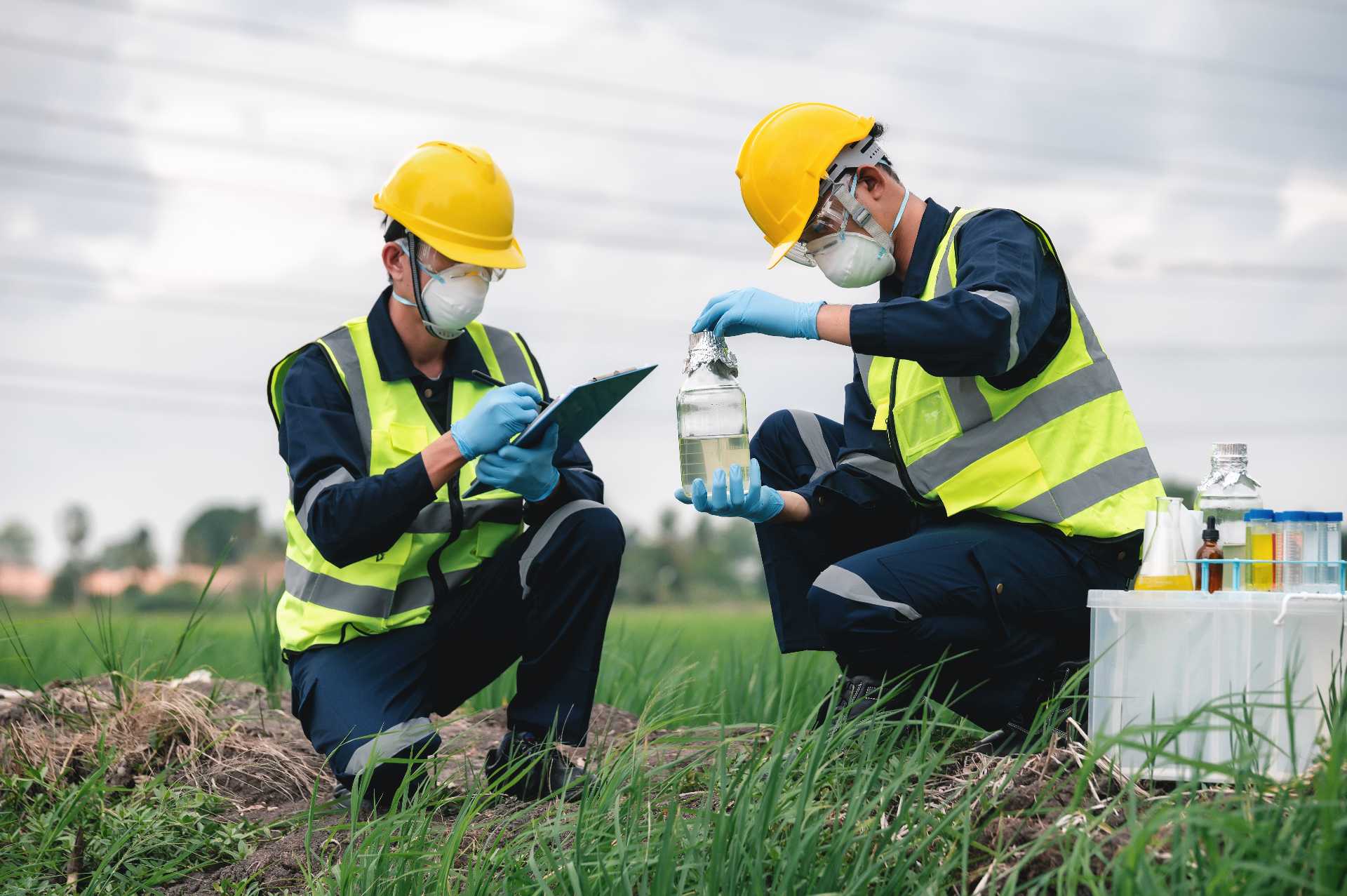
Environmental Science at RMIT integrates world-class research, field-based learning, and strong industry collaboration to tackle the most pressing environmental and sustainability challenges of our time.
Our programs provide an innovative foundation in environmental chemistry, field-based ecology, partnered with an exploration of changing soil, water and air environments, empowering students to understand and manage the complex interactions between people and the planet. Students gain hands-on experience through fieldwork, data-driven research, and industry-engaged projects, working alongside leading scientists in the field, in modern laboratories and research centres. Guided by partnerships with industry, government, and community organisations, our research delivers practical solutions in areas such as water quality, pollution control, carbon management, ecosystem restoration, and environmental innovation.
Whether you’re mapping environmental changes, restoring ecosystems, or developing sustainable solutions, you’ll work alongside researchers and industry experts to create lasting, measurable impact. Graduates are prepared for diverse careers in environmental consulting, resource management, sustainability planning, policy development, and research across government, industry, and the not-for-profit sector.
Join a vibrant community of environmental scientists at RMIT, where applied research meets real-world impact - and help drive a sustainable future for generations to come.



RMIT University acknowledges the people of the Woi wurrung and Boon wurrung language groups of the eastern Kulin Nation on whose unceded lands we conduct the business of the University. RMIT University respectfully acknowledges their Ancestors and Elders, past and present. RMIT also acknowledges the Traditional Custodians and their Ancestors of the lands and waters across Australia where we conduct our business - Artwork 'Sentient' by Hollie Johnson, Gunaikurnai and Monero Ngarigo.
Learn more about our commitment to Aboriginal and Torres Strait Islander peoples