Department of Physics
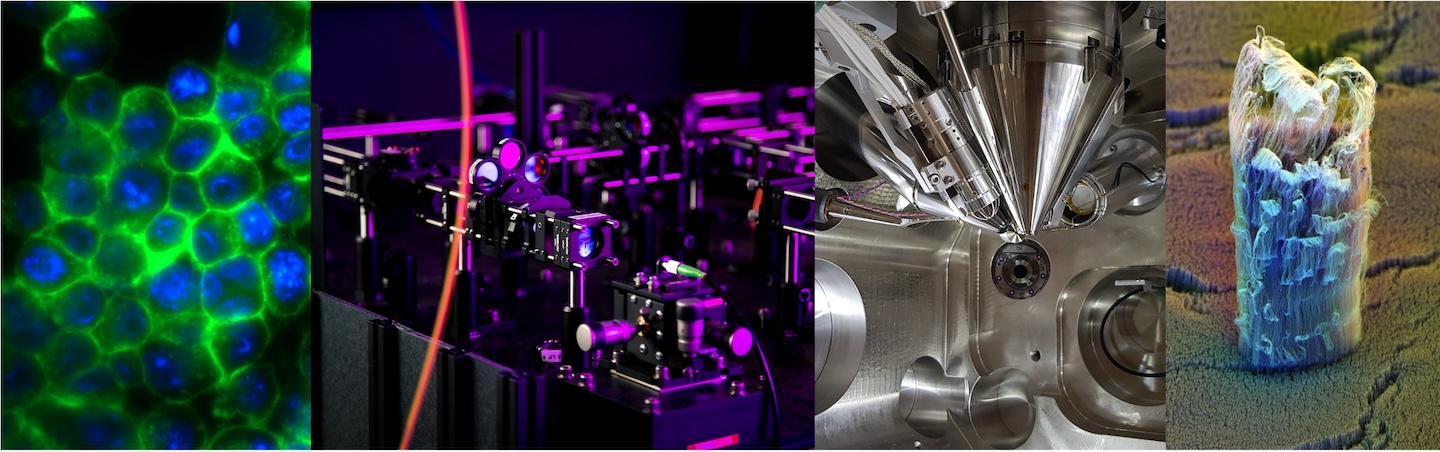
Our Physics researchers work closely with interdisciplinary teams from industry, and national and international collaborators to solve real world problems. We are developing the next generation of quantum sensors, microscopes, computers and other devices and implementing innovative theoretical & computational methods for studying quantum, electronic and biological materials.
We are designing new materials for medical and technological applications, including novel solvents for industrial and biological applications, antibacterial medical implants and dressings and improved solvents for cryopreservation of biological tissue. We are developing more resilient designs for satellites, advanced imaging and microanalysis of materials, improved radiotherapy delivery and much more.
We provide advanced training to Higher Degree, Honours and Undergraduate students, developing the next generation of scientists for both industry and research.
Quantum physics and chemistry, Many-body, Quantum computing, Quantum foundations, Quantum information, Quantum materials, optics & sensing, Decoherence theory, Complex systems Foundations of physics, Relativistic quantum information theory, Atomic Physics, Photophysics.
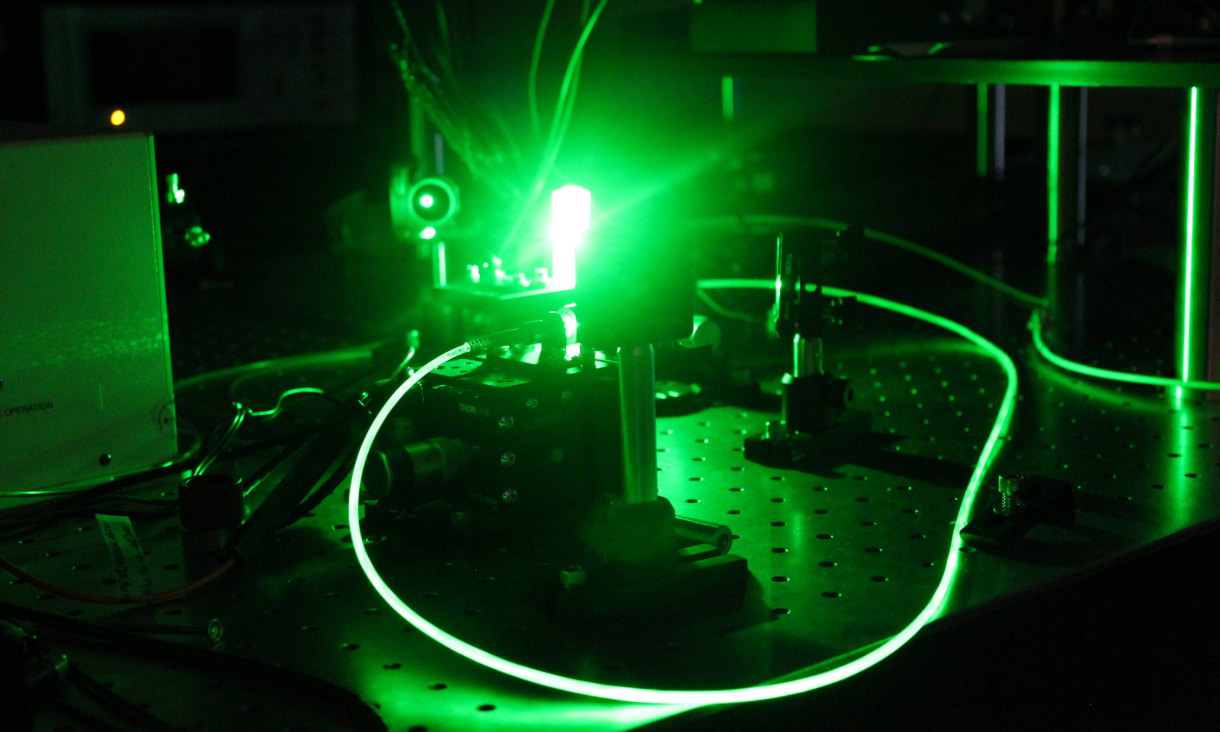
Biomaterials, Cryobiology, Membrane and ion channels, Membranes, Physical chemistry, Molecular dynamics & statistical mechanics, Non-equilibrium molecular dynamics & thermodynamic modelling, Phase transition dynamics, Rheology, Nanofluidics, High throughput, Ionic liquids & deep eutectic solvents.
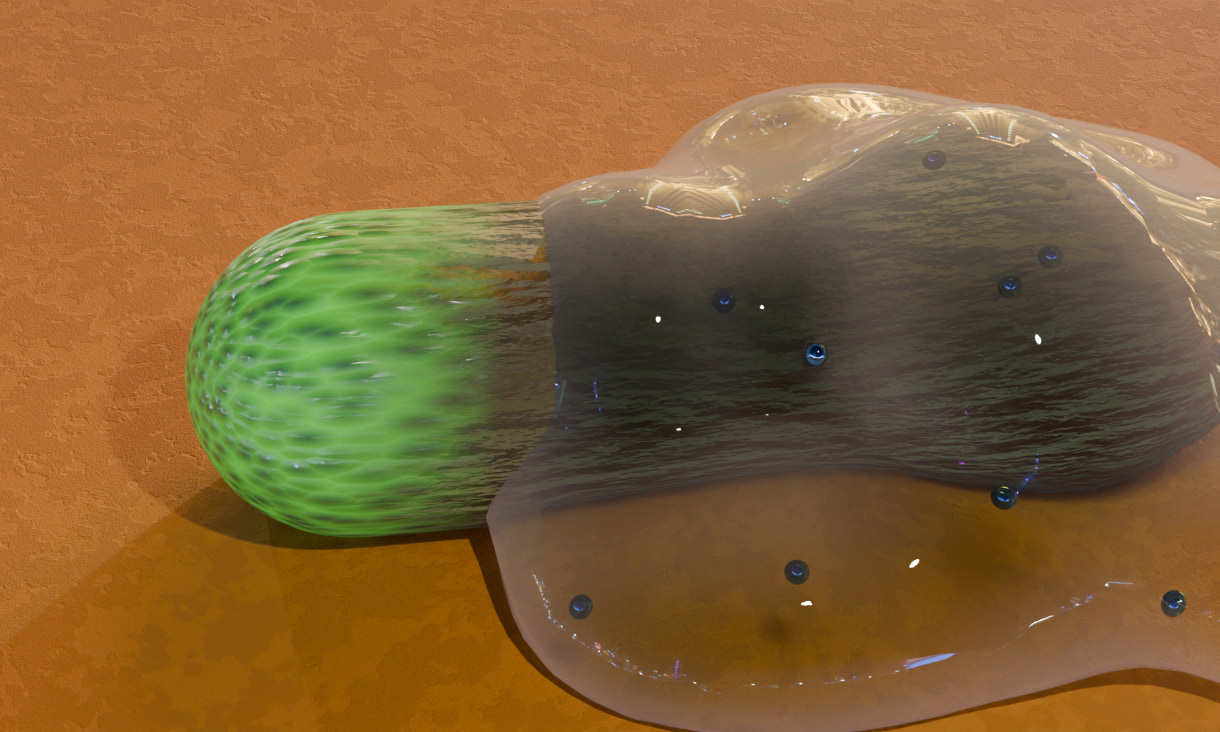
Crystallography, Diamond defect and surface science, Electron scattering & transport, Electronic structure, materials & devices, Materials properties through machine learning, Materials synthesis, Soft x-ray spectroscopy, Magnetism, Spintronics & Spin defects, Superconducting devices, 2D, topological & wide band gap materials.
For further information regarding Soft Matter, Medical and Biological Physics please contact James Partridge or visit the School of Science Contact page.
Planetary science, Microgravity, Human spaceflight operations, Hybrid integration, Extreme conditions, General relativity, Electromagnetic radiation & shielding, Space radiation, Dosimetry, Radiation detection & transport, Radiation Protection.
For further information, please contact Gail Iles for space physics enquiries, Rick Franich for radiation physics enquiries, or visit the School of Science Contact page.
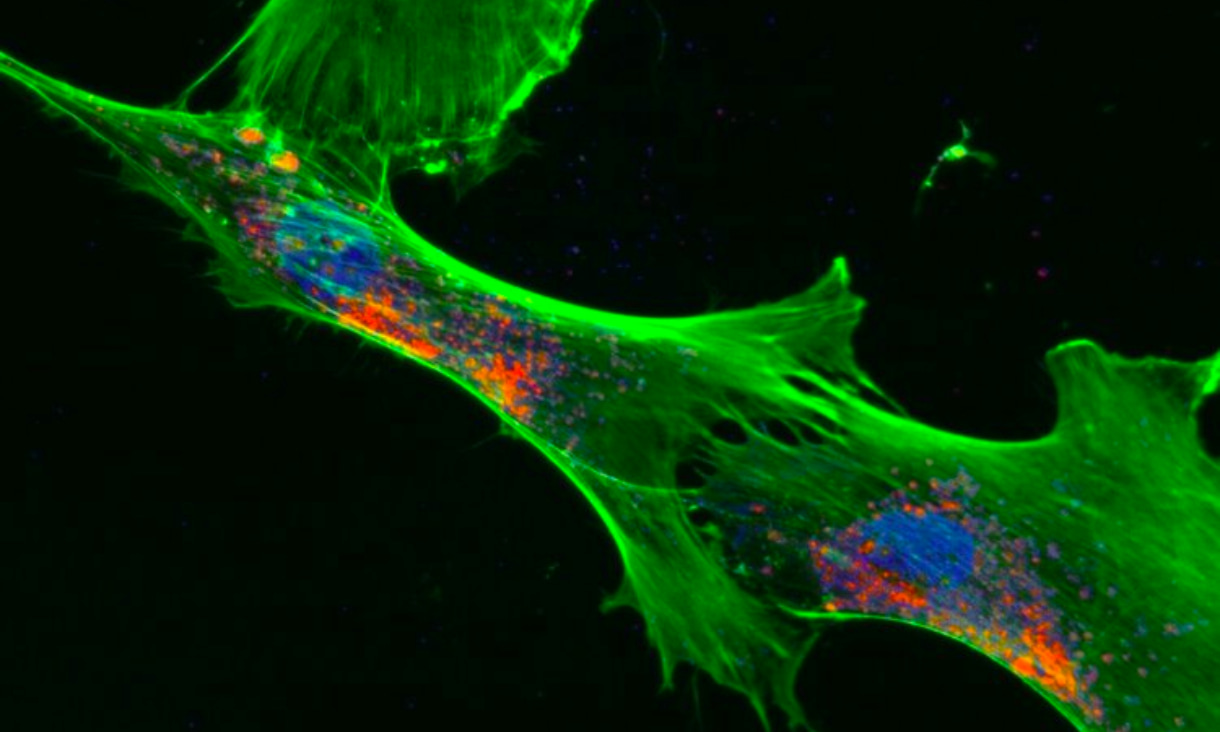
Advanced Nanomaterials characterization Confocal and atomic force microscopy X-ray free-electron laser imaging methods Neutron and X-ray scattering Imaging & Scattering technique development Medical imaging Bioimaging Fibre optics Fluorescence nanomaterials, microscopy & spectroscopy Optical spectroscopy Single photon sources.
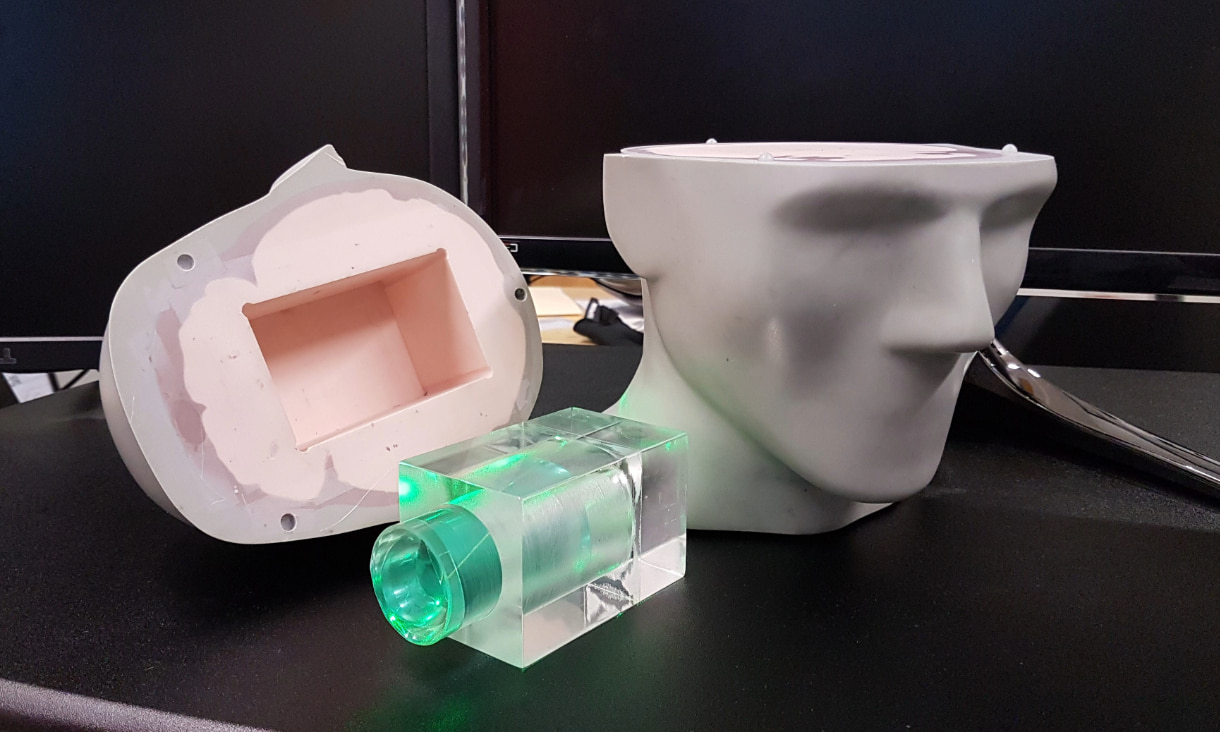
The Department of Physics is a key partner in a number of Australia wide networks, including ARC Centres of Excellence and CRCs:
Gary Bryant, Head of Department
Email: gary.bryant@rmit.edu.au
Andrew Martin, Deputy Head (Student Experience)
Email: andrew.martin@rmit.edu.au
Tamar Greaves, Deput Head (Teaching)
Email: tamar.greaves@rmit.edu.au


RMIT University acknowledges the people of the Woi wurrung and Boon wurrung language groups of the eastern Kulin Nation on whose unceded lands we conduct the business of the University. RMIT University respectfully acknowledges their Ancestors and Elders, past and present. RMIT also acknowledges the Traditional Custodians and their Ancestors of the lands and waters across Australia where we conduct our business - Artwork 'Sentient' by Hollie Johnson, Gunaikurnai and Monero Ngarigo.
Learn more about our commitment to Aboriginal and Torres Strait Islander peoples