Department of Biology

The Department of Biology at RMIT University is a dynamic department for applied research and education, addressing global health and environmental challenges through innovation, industry collaboration and hands-on scientific training.

The Department of Biology at RMIT University is a vibrant, interdisciplinary department dedicated to advancing knowledge in molecular biology, biotechnology, environmental biology, and biomedical science. With a strong focus on applied research, the department addresses some of the most pressing global challenges.

Home to leading academics and researchers, we conduct cutting-edge research in genomics, ecology, cell and molecular biology, microbiology, ecotoxicity, and immunology. RMIT’s emphasis on industry engagement and innovation ensures that research outcomes have real-world impact, fostering collaborations with healthcare providers, government agencies and regulators, and biotechnology companies. Our research also aligns with the United Nations Sustainable Development Goals (SDGs), contributing to Good Health and Well-being (SDG 3), Clean Water and Sanitation (SDG 6), Climate Action (SDG 13), Life Below Water (SDG14), and Quality Education (SDG 4). 

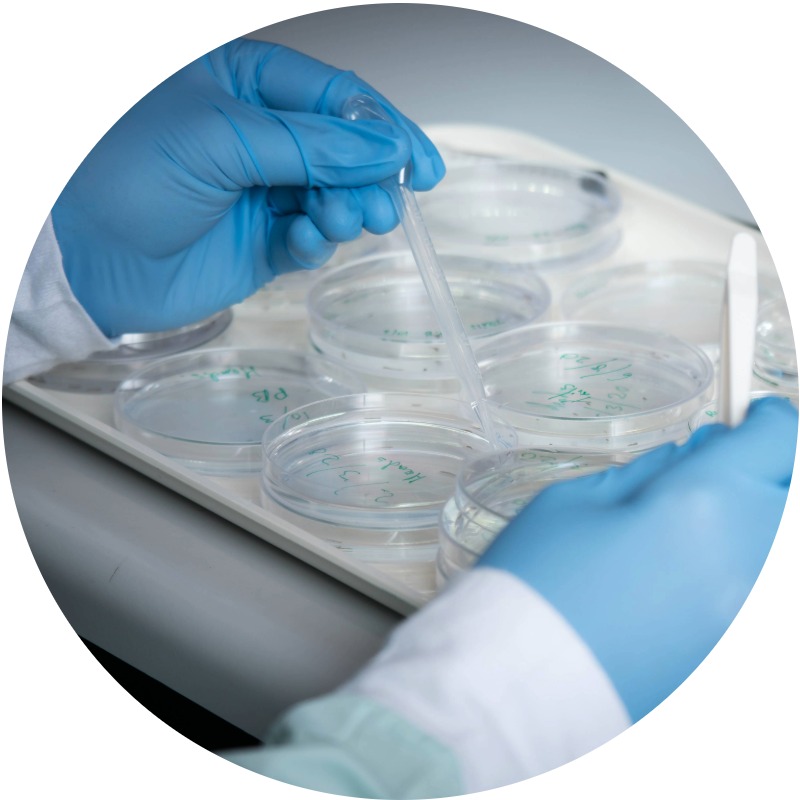
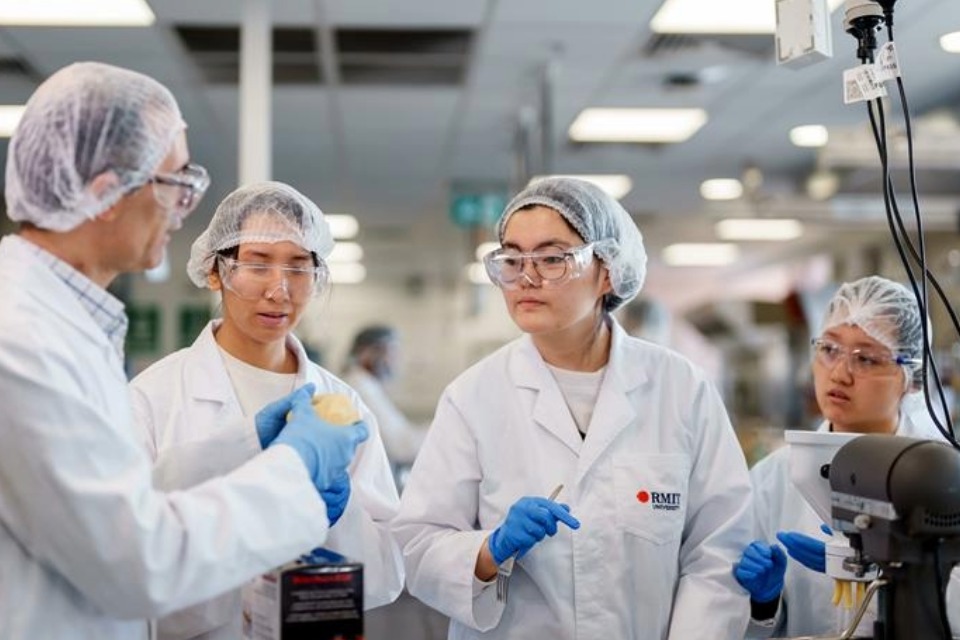
Students benefit from hands-on learning in modern laboratories, gaining technical skills and experience through research projects and industry placements. Undergraduate and postgraduate programs are designed to prepare graduates for careers across academia, health, agriculture, environmental science, and the biotechnology sector. 

With a commitment to sustainability, global collaboration, and community engagement, the Department of Biology at RMIT University plays a critical role in shaping the future of science and improving lives. 
Environmental and Ecological Biology

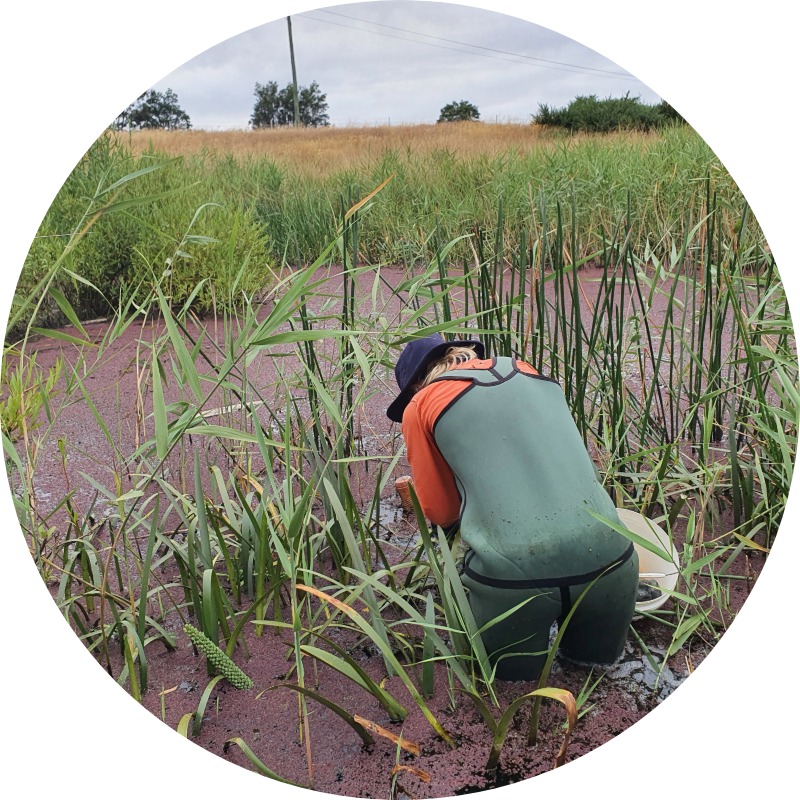
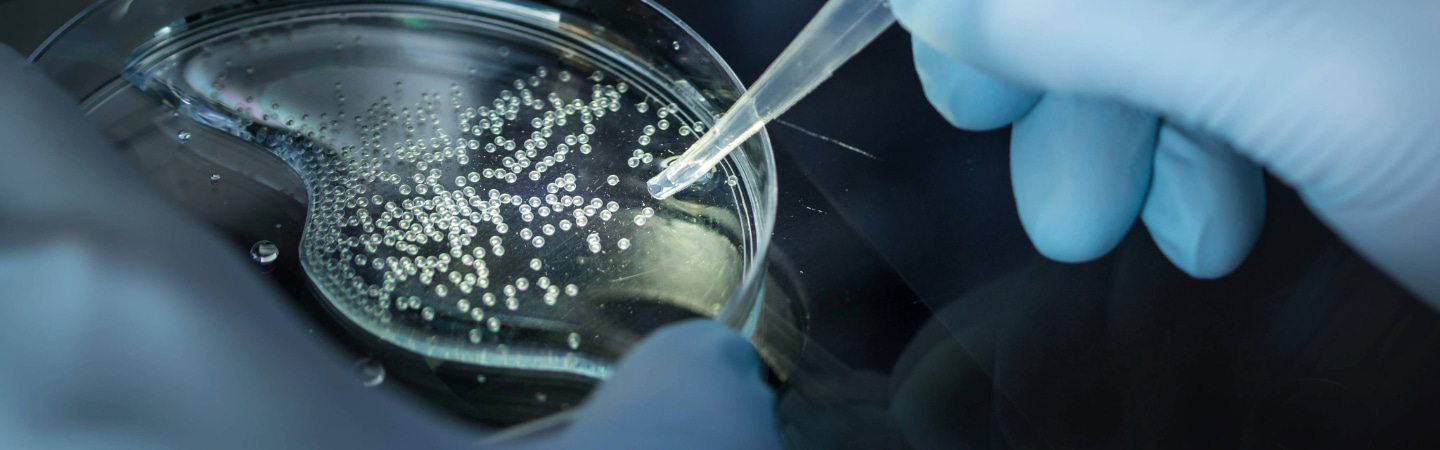
The Department of Biology leads impactful research in environmental and ecological biotechnology, focusing on sustainability and conservation. From water quality monitoring and protection to ecological regeneration, ecotoxicology, biotransformation and environmental DNA technologies, our work supports ecosystems and informs policy.

We specialise in environmental water technologies and management, and apply microbiological insights to ecosystem health, offering expertise vital for addressing the global climate and water crisis. 

Centres and Groups

Biotechnology

The Department of Biology is driving the future of life sciences. Our researchers are transforming how we understand and apply biology—advancing human, plant and animal health through world-class expertise in plant-based medicine, microbiology, vaccine development, gut health, and advanced molecular biology. We lead innovation in animal and plant diseases, biosecurity, materials-biomolecular and host-pathogen interactions. 

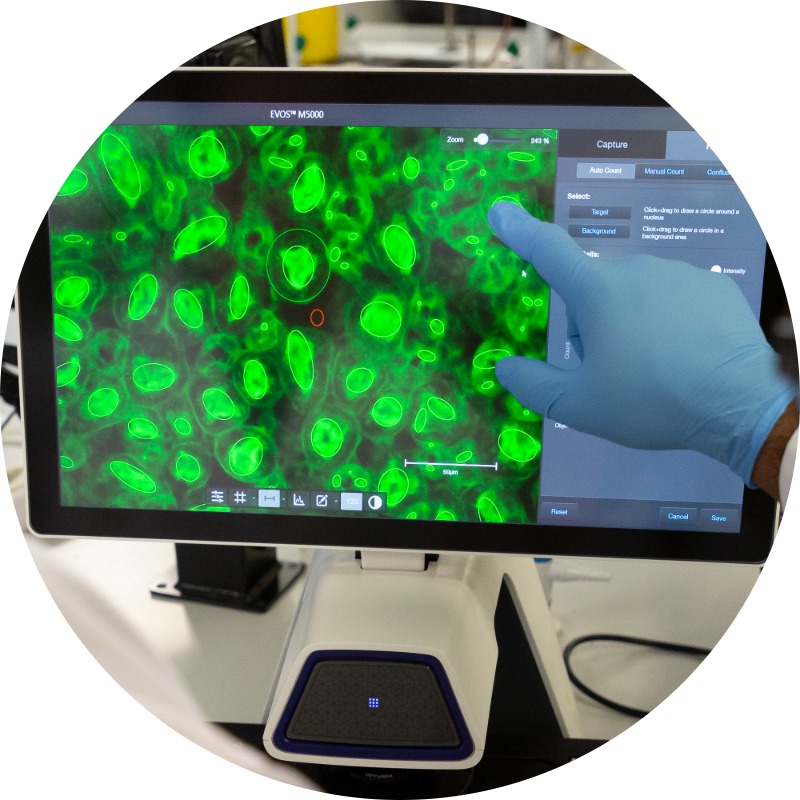
By harnessing advanced tools—such as computational biology, high-throughput sequencing, and nanobiotechnology—we build impactful cross-disciplinary collaborations. These include translational research and industry partnerships in applied areas including bioinformatics, biosensing/biosecurity, diagnostics, additive biomanufacturing, and antibody/drug discovery. 

Facilities and capabilities

The Department of Biology has a strong research focus including significant industry connections and a strong HDR program. We undertake fundamental, applied and commercial research with specific expertise in:

Biotechnology:

  • AI-assisted Drug Discovery and Development 
  • Anti-microbial resistance 
  • Bioencapsulation, Gene Delivery, and Nanobiotechnology 
  • Bioinformatics and computational biology 
  • Biosensing 
  • Emerging pathogens and Host-pathogen interactions
  • Immunology 
  • Microbiology 
  • Microbiome and Metagenomics Analysis
  • Molecular biology 
  • Next Generation Sequencing (Nanopore PromethION and Illumina) 
  • Omics 
  • Parasitology
  • Protein expression and purification 
  • Vaccine, Probiotic and Postbiotic Development 
  • Virology and Phage Display 
     

Environmental and Ecological Biology:

  • Antimicrobial genes in the environment 
  • Aquatic animal health 
  • Bioenergy production 
  • Bioremediation of contaminated environments 
  • Blue and Teal Carbon 
  • Citizen Science 
  • Ecotoxicology, sampling and bioavailability of contaminants 
  • Ecotoxicological test development 
  • Environmental Economic Accounting 
  • Environmental Biotechnology and Microbiology
  • Environmental monitoring (water quality, greenhouse gas, passive acoustic, biodiversity, etc.) 
  • Environmental stressors in aquatic systems
  • Invasive species 
  • Molecular ecology including wastewater treatment plants 
  • Pollution identification and management

Contact us

General enquiries

Rajaraman Eri, Head of Department 
Email: rajaraman.eri@rmit.edu.au

Current student enquiries

Nathan Bott, Deputy Head (Teaching)
Email: nathan.bott@rmit.edu.au 

Research enquiries

Ravi Shulka, Deputy Head (Research)
Email: ravi.shulka@rmit.edu.au

Industry enquiries

Jessica Holien, Deputy Head (Engagement & Industry)
Email: jessica.holien@rmit.edu.au

science-people-960x640.jpeg

Our people

Learn more about our Executive and Department teams.

aboriginal flag float-start torres strait flag float-start

Acknowledgement of Country

RMIT University acknowledges the people of the Woi wurrung and Boon wurrung language groups of the eastern Kulin Nation on whose unceded lands we conduct the business of the University. RMIT University respectfully acknowledges their Ancestors and Elders, past and present. RMIT also acknowledges the Traditional Custodians and their Ancestors of the lands and waters across Australia where we conduct our business - Artwork 'Sentient' by Hollie Johnson, Gunaikurnai and Monero Ngarigo.

Learn more about our commitment to Indigenous cultures