

Professor Lisa Given is Director of the Centre for Human–AI Information Environments (CHAI) at RMIT University, where she also leads the Social Change Enabling Capability Platform and is Professor of Information Sciences. An internationally recognised scholar, she examines how people engage with information and technology, with expertise in user experience, information behaviour, societal research impact, and community engagement.
Her work is highly interdisciplinary, exploring the social construction of knowledge, research engagement and impact, user technology assessment, information literacy, and the information dynamics of higher education. She conducts research across a wide range of topics in information behaviour and technology use, applying qualitative and mixed-method approaches — including grounded theory, discourse analysis, web usability, and other interpretive and evaluative methods.
Lisa has held senior research leadership roles in Australia and Canada, including at Swinburne University of Technology, Charles Sturt University, and the University of Alberta, and previously served on the Australian Research Council’s College of Experts. Her work is supported by funding from major national research agencies across both countries, advancing human-centred and socially responsible approaches to information and technology.

Professor Falk Scholer is a Professor of Information Access and Retrieval in the School of Computing Technologies at RMIT University and Director of the Centre for Human–AI Information Environments (CHAI). His research examines how search engines, recommender systems, chatbots and large language models support people’s information needs, focusing on how these systems function, how their effectiveness can be measured, and how they can be designed to better serve users. Working at the intersection of computing, information science and social science, Falk also investigates fairness, accountability, transparency and ethics in automated systems through the ARC Centre of Excellence for Automated Decision-Making and Society, and misinformation, fake news and fact-checking through RMIT’s FactLab.
Falk’s work spans human–AI information interactions, responsible and ethical AI, misinformation and fact-checking, and the design of fair and transparent algorithmic systems. He also contributes to research integrity and governance as Chair of the RMIT Human Research Ethics Committee and serves on the RMIT Academic Board and its Research Committee.

Carolyn Robinson is a research operations and partnerships specialist with over a decade of experience supporting nationally distributed, research-intensive programs across academia, government, and the not-for-profit sector. They bring deep expertise in strategic planning, governance, funding development, and cross-sector collaboration, with a strong commitment to building inclusive, evidence-informed systems that advance research excellence and equity.
Prior to joining CHAI, Carolyn managed national operations for the ARC Training Centre in Data Analytics for Resources and Environments (DARE) at the University of Sydney, supporting multi-institutional research programs, PhD cohorts, and industry partnerships. Carolyn has also held leadership and governance roles in university research offices and national health data organisations, where she established secure data systems, strengthened compliance frameworks, and contributed to sector-wide initiatives. Carolyn’s career is grounded in people-centred leadership, continuous improvement, and enabling impactful research that benefits communities and society.

A/Prof Balanzategui is a leading researcher of techno-industrial change and entertainment cultures, with work published in top journals including New Media and Society, The Journal of Visual Culture, Convergence, and Television and New Media. She is the author or editor of five books, among them Netflix, Dark Fantastic Genres and Intergenerational Viewing (Routledge, 2023) and Monstrous Beings and Media Cultures (Amsterdam UP, 2023). Her current research focuses on how screen genres are reshaped in the era of streaming video platforms, particularly children’s media and controversial genres such as horror. Jessica holds an ARC Industry Fellowship (2025–2027) examining how children navigate algorithmic distribution across streaming and social media platforms, building on a long-standing collaboration with the Australian Children’s Television Foundation. Her work with the Australian Centre for Contemporary Art, which produced new public programs on the horror genre, has been recognised with grants from Creative Australia (2024) and the City of Melbourne (2023).
A core strand of Jessica’s research investigates how adult, youth, and child audiences engage with streaming and social media platforms, revealing how interface design, recommender systems, catalogue structures, and policy settings shape contemporary screen entertainment cultures. Her industry-engaged projects—most notably large-scale funded work with the Australian Children’s Television Foundation—have informed national policy discussions and been presented in Federal Government inquiries, policy submissions, and strategic industry reports. Jessica’s current research also examines how everyday applications of AI are embedded in audience behaviours and entertainment practices. Drawing on interdisciplinary digital-platform, screen-studies, and cultural-theory methodologies, her work offers new insights into the intersection of digital platform “users” and screen “audiences,” contributing to CHAI’s mission to understand and design human–AI information environments in the on-demand streaming era.
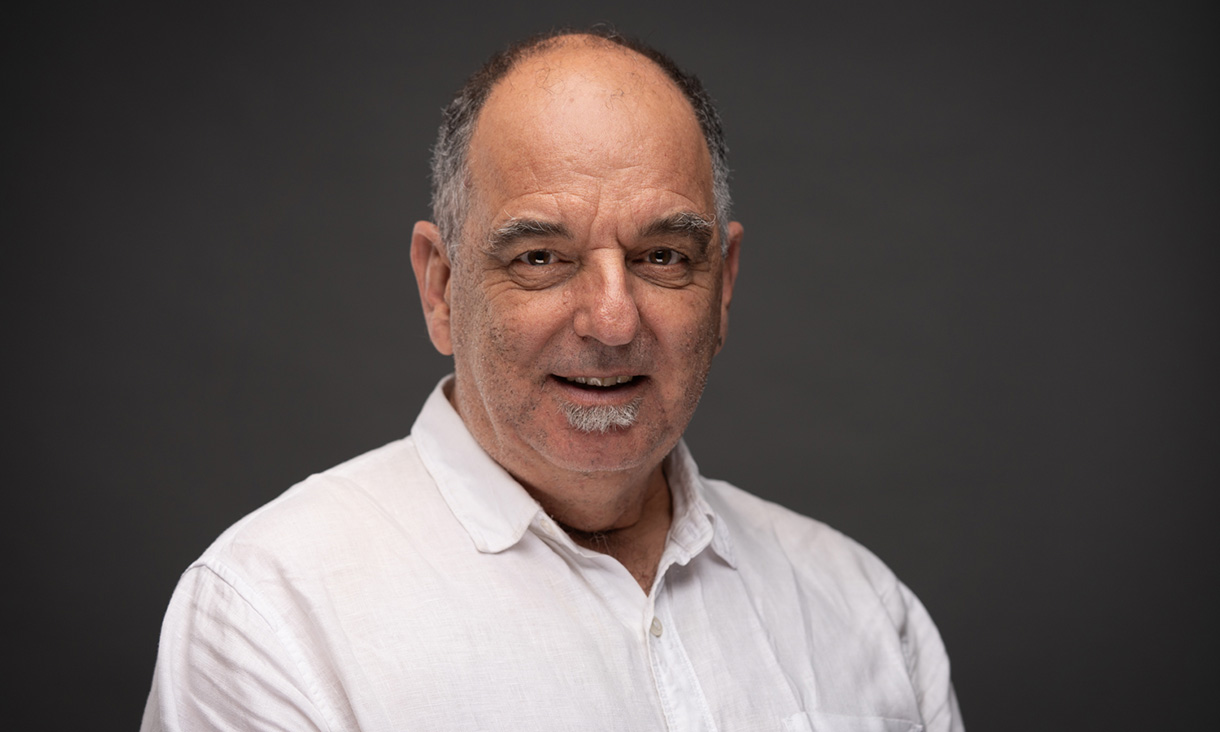
Professor Lawrence Cavedon's career has spanned academia and innovation in industry in Australia and Silicon Valley, California. At Stanford University, he performed research and development of spoken dialogue systems and conversational AI, in collaboration with NASA, Bosch Corp. and VW America.
Upon returning to Australia in mid 2005, Cavedon took up appointments at RMIT and at NICTA (now part of Data61), Australia’s centre of ICT research excellence. At NICTA, he was leader of a project developing Text and Language processing for Biomedical applications, a research area he continues to pursue.
At RMIT, Cavedon has continued to develop external collaborations for his research and has led two ARC Linkage Projects and been a CI on three others, as well as being part of an ARC ITTC Training Centre led out of the University of Melbourne. He was most recently part of the Digital Health Cooperative Research Centre, wherein he led a project developing data-driven approaches to detecting frailty in residents in Aged Care facilities. This project was performed in collaboration with Telstra Health and received national awards for impact.
Until recently Cavedon was Associate Dean for Data Science and Artificial Intelligence in the School of Computing Technologies and was previously Associate Dean for Computer Science and IT. He stepped down as Associate Dean in 2024 but remains an Assistant Associate Dean for Data Science and AI.
Cavedon holds a PhD in Cognitive Science from the University of Edinburgh, and degrees in Computer Science from the University of Melbourne.
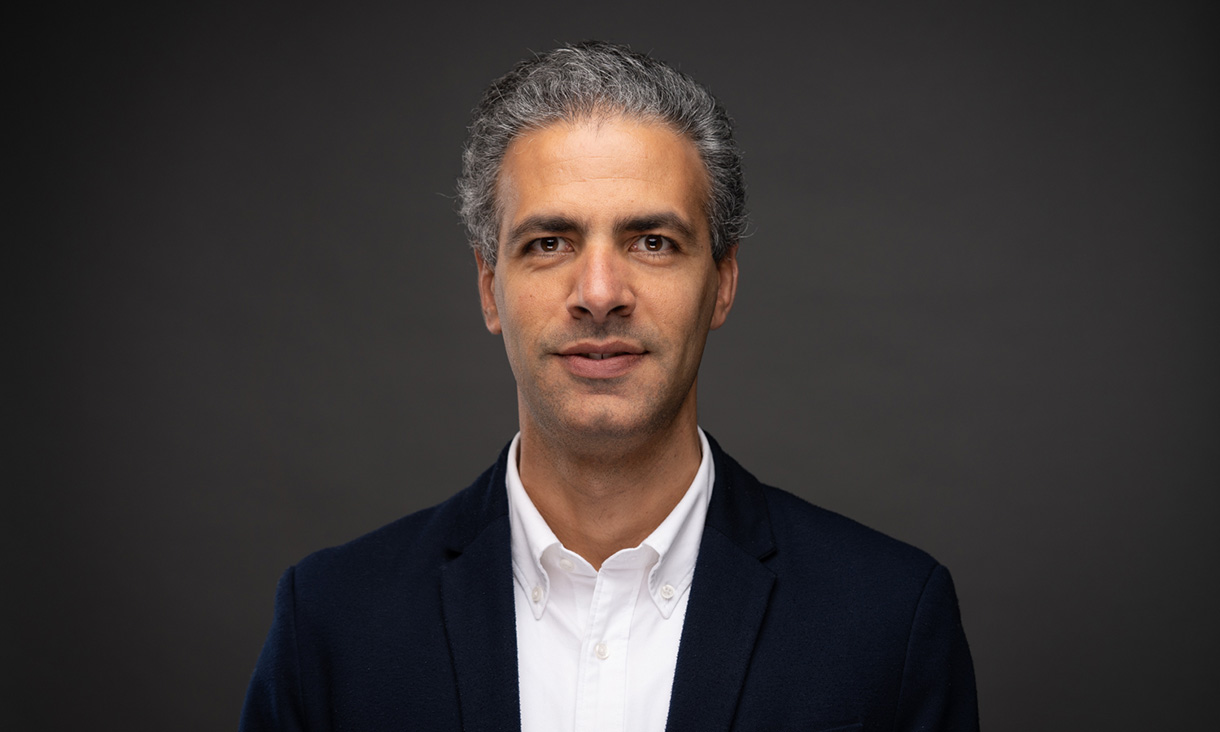
Dr Haytham Fayek is a Senior Lecturer in the Data Science and Artificial Intelligence discipline within the School of Computing Technologies at the Royal Melbourne Institute of Technology (RMIT University). Haytham’s research interests are broadly in machine learning, deep learning, data-efficient learning, multimodal learning, machine perception, large language models, and their applications. He has authored and co-authored over 60 books, patents, and publications on these topics that appeared in refereed journals and presented at international conferences. He has over a decade of academic and industry experience, including, prior to RMIT, he was a Postdoctoral Research Scientist at Meta Research, Seattle, WA, USA. Dr Fayek holds a BEng (Hons) and an MSc (Research) in Electrical and Electronics Engineering and a PhD in Electrical and Computer Engineering (Artificial Intelligence). He is a Senior Member of the Institute of Electrical and Electronics Engineers (IEEE) and a Member of the Association of Computing Machinery (ACM) and Engineers Australia (MIEAust).
Haytham’s ongoing research directly intersects with all three of CHAI’s research themes, including work on bias in large language models, cognitive load in support of flow and engagement, social robotics, emotion recognition, and stress and depression detection from text. His research program combines methodological innovation with human-centred applications, emphasising how intelligent systems perceive, interpret, and generalise from complex data under real-world constraints. Haytham and his PhD students are active contributors to CHAI’s research and intellectual environment, advancing the understanding of how AI-driven systems interact with human behaviour, wellbeing, and information ecosystems.
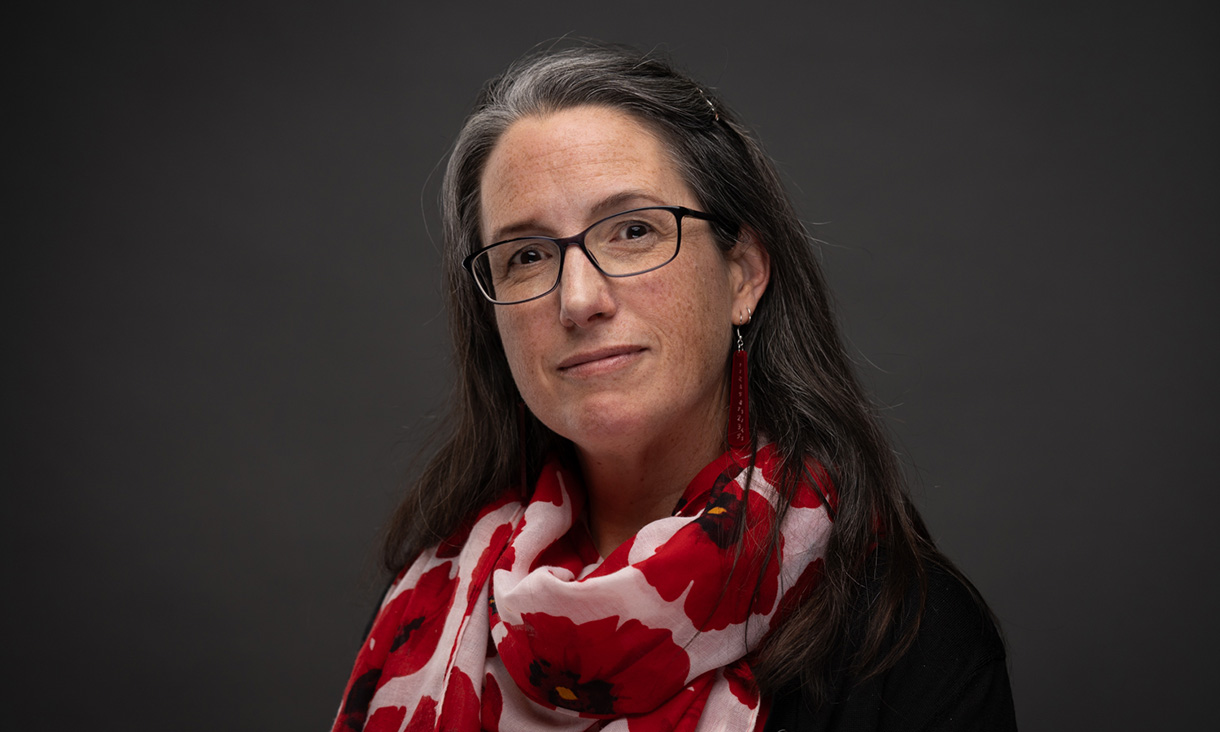
Associate Professor Dana McKay is an emerging leader in understanding the social and societal contexts of human interactions with information. Her PhD remains a foundational contribution to research on browsing large information collections, influencing practices at major institutions such as the State Library of Victoria and the British Library, and underpinning subsequent Australian Research Council funding.
Dana’s research examines how new technologies shape human behaviour and how digital information systems can entrench—or challenge—existing social inequities. She has worked with organisations including the Consumer Policy Research Centre, the eSafety Commissioner, and the Australian Digital Health Agency to investigate exclusion, disadvantage, and the real-world impacts of information access.
A consistent thread in her work is the role of personal view change and how to support individual autonomy within increasingly restrictive digital environments. She also contributes extensive expertise in user-centred evaluation of digital systems, human information behaviour, and policy-relevant research that strengthens responsible, equitable information ecosystems.

Dr. Damiano Spina is a Senior Lecturer in the School of Computing Technologies at RMIT University. He is an Enabler Co-Lead at CHAI, an Associate Investigator at the Australian Research Council (ARC) Centre of Excellence for Automated Decision-Making and Society (ADM+S), the RMIT Research Lead at the Australian Internet Observatory (AIO), a member of the International Panel on the Information Environment (IPIE), and an ACM Distinguished Speaker. He received his PhD in Computer Science from UNED (Spain) in 2014.
His research focuses on Information Retrieval (IR), Text Analytics, and Human-AI interaction, with particular emphasis on interactive IR (including conversational assistants and Retrieval-Augmented Generation) and the evaluation of information access systems, encompassing both effectiveness measures and fairness-aware evaluation. Dr. Spina has authored over 90 peer-reviewed publications in leading conferences (ACM SIGIR, ACM UbiComp, ACM CIKM, ACM SIGIR CHIIR, ECIR, CLEF) and journals (ACM TOIS, IP&M, JASIST). His contributions have been recognized with awards such as Best Evaluation Paper (ECIR 2019), Best Short Paper (ECIR 2020), and Best Poster Award (UbiComp 2023). He has also received the ARC Discovery Early Career Researcher Award (DECRA, 2020 - 2023) and the 2021 RMIT Award for Research Impact (Technology). His team won the 1st place at the international SIGIR 2025 LiveRAG Challenge organised by the Technology Innovation Institute (TII).
Beyond academia, Dr. Spina is known as Mestre Camaleão in the Capoeira community, teaching the Afro-Brazilian martial art at Associação de Capoeira Descendente do Pantera (ACDP), and performs samba music with the Melbourne-based band Wombatuque.

Dr Johanne Trippas is a researcher working at the intersection of conversational systems, interactive information retrieval, human-computer interaction, and dialogue analysis. Trippas has held research roles across leading institutions and collaborates widely with international partners in both academia and industry. Since 2015, they have authored more than 75 publications and delivered 32 invited talks. This work has been recognised with 17 prizes, honours, and awards.
Trippas is particularly interested in how conversational systems can revolutionise information seeking, especially through generative interactive information retrieval and novel interfaces beyond traditional text search. Collaborations span more than 25 industry partners and over 80 academic researchers at institutions such as Google, Microsoft, Amazon, and Ambulance Victoria.
Trippas actively contributes to the research community by chairing 19 research and conference committees, including serving as Vice Chair of the ACM SIGIR Artifact Evaluation Committee and as a local organiser of the A*-ranked ACM SIGIR conference. These contributions reflect a strong commitment to advancing the field of interactive information systems through research, leadership, and service.

Professor Fabio Zambetta is an internationally recognised research leader in AR/VR, games technology, real-time simulation, and interactive intelligent systems. His work sits at the intersection of AI and HCI, and he has published widely across top-tier venues including CHI, DIS, IEEE VR, ACM TOCHI, AAAI, IJCAI, ECML and IEEE TOG. Fabio has led major cross-disciplinary projects in partnership with Microsoft, GitHub, Rheinmetall Defence Australia, and Village Roadshow, bringing together computing, engineering, design, and psychology to advance next-generation interactive technologies. He is currently Deputy Dean (Engagement) in the School of Computing Technologies at RMIT University, and previously served as Associate Dean of Artificial Intelligence, Discipline Leader for Computer Science & Software Engineering, and Deputy Director of the Lawrence Wackett Aerospace and Defence Centre. Fabio holds a Master of Computer Science (Applied Mathematics) and a PhD in AI from the University of Bari, Italy, and has undertaken industry-aligned appointments including Visiting Scholar at Microsoft Garage and Cloud Research Software Fellow at Microsoft Asia.
Fabio brings deep expertise in the evaluation of intelligent interfaces, interactive systems, AR/VR/MR environments, robotics, and game-based technologies, including work with brain-computer interfaces and bio-sensing systems. His longstanding collaborations with design researchers, creative practitioners, and psychologists give him broad insight into human behaviour, user experience, and socio-technical evaluation. As a leader within CHAI, Fabio will drive the Emerging Environments theme, contributing his expertise in immersive interfaces, real-time simulation, and human-AI interaction. Alongside his research strengths, he is an award-winning educator who has co-designed world-class academic learning experiences with partners such as Microsoft, GitHub, and Village Roadshow. Fabio also brings substantial leadership experience, having served for more than 15 years as a Program Manager across Games & Graphics Programming, Computer Science, and Software Engineering, supported by an industry background in games and simulation programming and as co-founder of e-Pingle SRL in Italy.

Xiuzhen (Jenny) Zhang is Professor of Data Science and AI at School of Computing Technologies, RMIT University, Australia. Her research interests are responsible AI and machine learning for social good. Her recent work has focused on fairness and factuality in large language models, social media analysis and misinformation detection and mitigation. Her research has been supported by the Australian Research Council, government agencies and industry partners. She has been awarded research grant of over 2 million Australian dollars. She has an H-index of 36 and has published 100+ papers. She has served on the editorial board of journals (Information Processing and Management) and on the organising committee of international conferences. She has supervised to completion 20+ PhDs.

Dr Anderson is a Vice Chancellor’s Senior Research Fellow in RMIT’s School of Computing Technologies, where she investigates how AI and emerging digital technologies can be made more useful, accessible, and inclusive for people with disability. An experienced qualitative researcher and speech pathologist, she has led major interdisciplinary projects across AI, health, education, and public policy, pioneering inclusive and participatory methods with diverse communities. Kate partners closely with disability organisations to advance responsible technology design and digital information access, and is a strong advocate for authentic co-design. She has secured over $6M in research funding and authored widely across academic and industry domains.

Dr Daniel Beck is a Senior Lecturer at RMIT University whose research focuses on Applied Machine Learning, particularly data and evaluation challenges in emerging AI applications and the role of human decision-making in AI systems. Daniel has held several service roles in the NLP community, including Program Chair for ALTA 2020, Tutorial Chair for COLING 2020, and Diversity & Inclusion Chair for ACL 2023. A committed educator, Daniel teaches theoretical computer science, and as a member of the LGBTQ+ community, actively contributes to Queer in AI and the Rainbow AI workshop series.
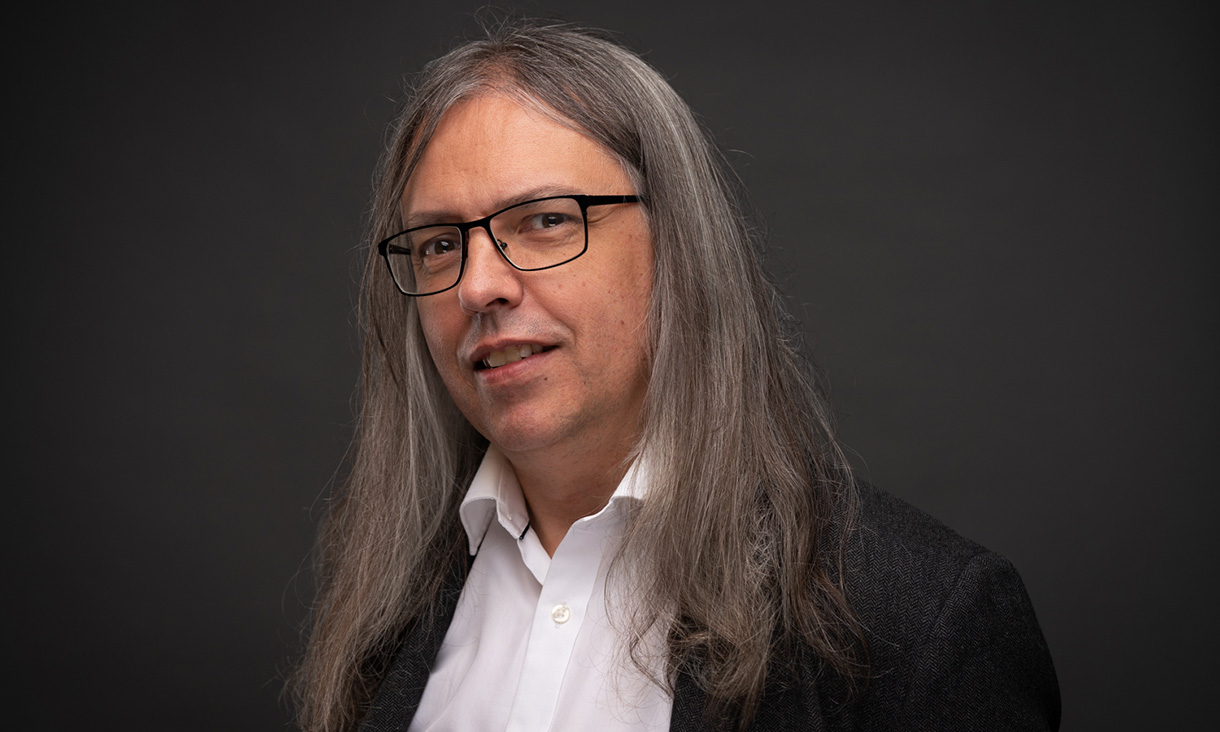
Professor George Buchanan is Deputy Dean (Research) in the School of Computing Technologies at RMIT University. His work has shaped interaction designs used every day in mobile phones and digital libraries worldwide. George specialises in designing novel information interactions combining an understanding of psychological factors and software design. His current research examines how interface design can better expose misinformation, manipulation and protect people's rights.

A/Prof Jeffrey Chan is a leading researcher in machine learning, data science, and responsible AI. He completed his BEng/BSci (Hons) and PhD at the University of Melbourne and has held research positions at the Digital Enterprise Research Institute, Ireland. Jeffrey has published over 140 papers in top venues including TPAMI, TKDE, KDD, SIGIR, AAAI, and IJCAI, and won the ACM Web Science Best Paper Award (2011). His research spans recommendation systems, social network analysis, data-driven optimisation, and integrated ML-optimisation methods, contributing to AI systems that are effective, trustworthy, and human-centred.

Dr Yimin Chen is an information scientist specialising in how people acquire, understand, communicate, and sometimes weaponise information. His research focuses on preventing and mitigating technology-facilitated abuse through social and technical interventions, including designing accessible and inclusive anti-abuse training. He has extensive experience in human information behaviour, information ethics, mis/disinformation, accessibility, and online culture, alongside work evaluating usability, information verification systems, and information literacy. Yimin’s projects span fake-news detection, AI chatbots in libraries, and the links between internet culture, conspiracy theories, and misogyny.
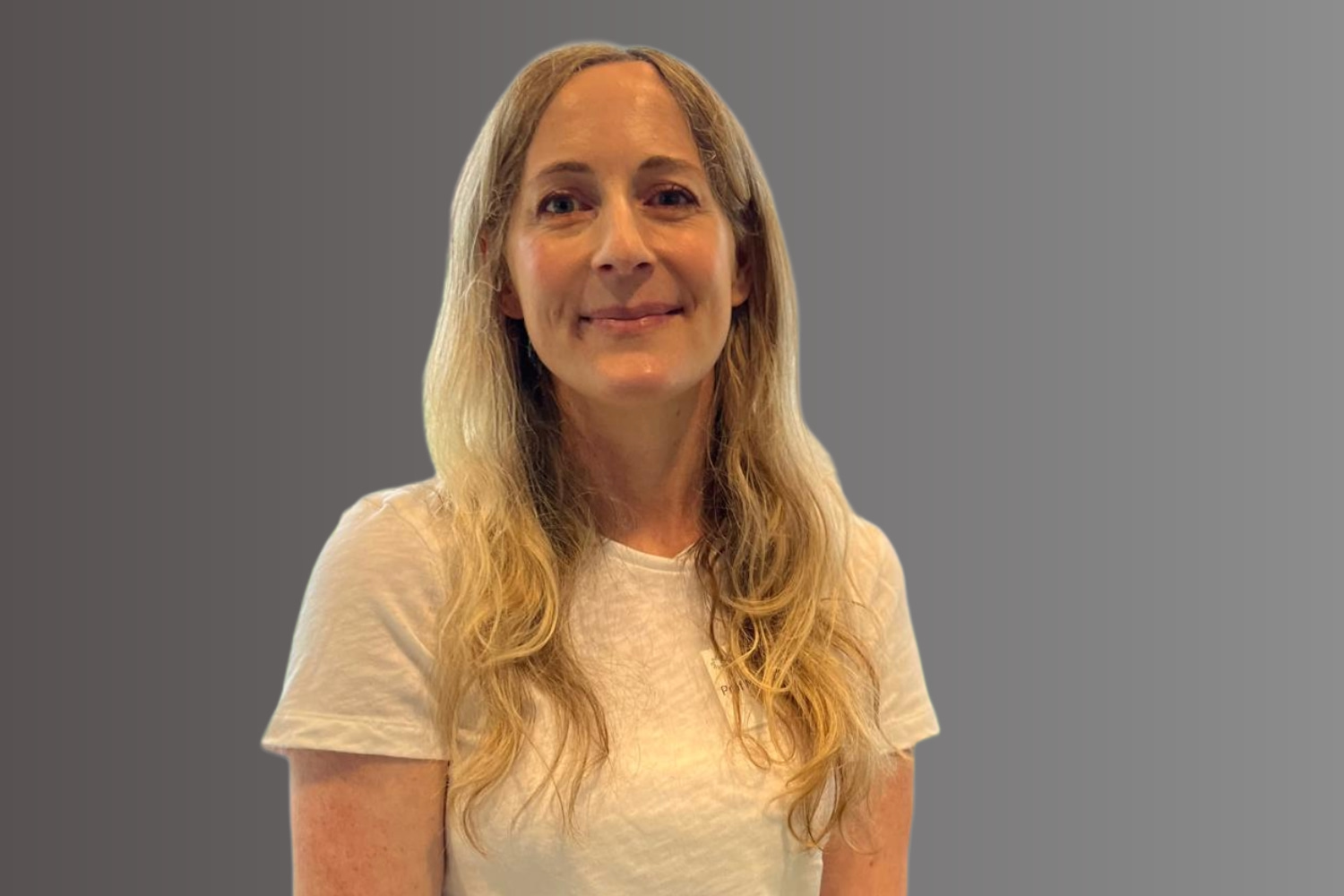
Professor Nicola Henry is an ARC Future Fellow and Deputy Director of the Social Equity Research Centre at RMIT University. A socio-legal scholar with over two decades of research on sexual violence, her work focuses on technology-facilitated abuse, including AI-generated image-based sexual abuse. Nicola’s interdisciplinary research examines prevalence, drivers, harms, and interventions, spanning legal, policy, educational, and technological responses. She leads Google-funded projects investigating image-based sexual abuse across ten countries and AI-generated “deepfake” pornography. Her research informs prevention, detection, and response strategies, combining mixed methods to address critical social harms in digital environments and support evidence-based policy and practice.
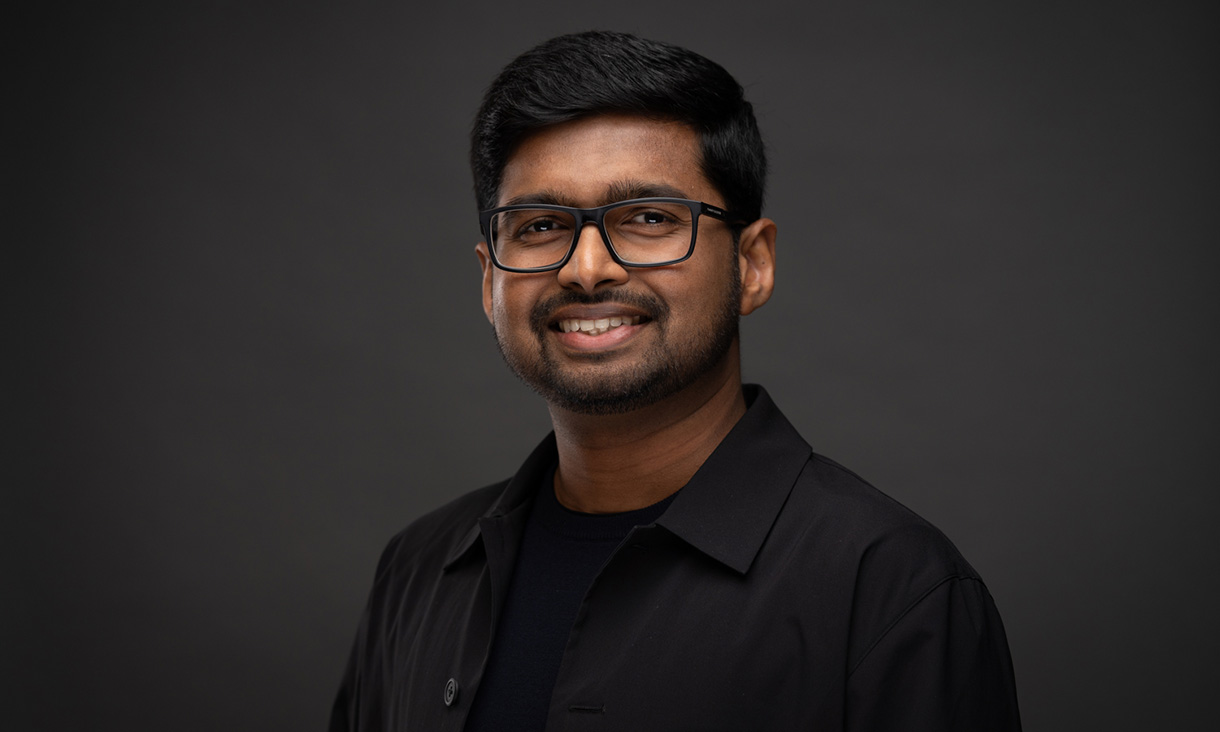
Danula Hettiachchi is a Lecturer in the School of Computing Technologies at RMIT University and an Associate Investigator at the ARC Centre of Excellence for Automated Decision-Making and Society (ADM+S). His research focuses on human-computer interaction, social computing, crowdsourcing, and responsible AI, with a focus on designing fair and transparent human-AI systems. Danula has published over 40 peer-reviewed papers in top conferences and journals, and his work has received international funding, including the 2025 Google Research Scholar Award. He holds a PhD in Computer Science from the University of Melbourne and brings extensive industry experience in machine learning and data engineering.

Dr. Allison Jing is a Lecturer at RMIT University and an adjunct researcher at the Empathic Computing Lab, University of South Australia. Her research explores human-AI interaction through empathic mixed reality (MR), leveraging biosignals such as gaze, facial expression, and physiological data as “superpower” inputs and outputs. She designs immersive, multimodal interfaces and leads user-driven studies using eye-tracking, biosignal measures, and mixed-method HCI evaluations. Allison combines academic and industry experience, having worked with Meta Reality Labs, Microsoft, Xbox, Amazon, startups, and NGOs, to develop human-centred MR systems that enhance collaboration, usability, and understanding in AI-mediated environments.

Associate Professor Ryan Kelly is a researcher in Human-Computer Interaction, Social Computing, and user experience design at RMIT University. His work focuses on improving technologies for social connection and wellbeing, combining qualitative studies of user needs with the design and evaluation of innovative prototypes in lab and field settings. Ryan’s research has addressed social connectedness, mental health via virtual reality, and ethical issues in personal tracking systems. He has published widely in top venues including ACM CHI and CSCW, receiving multiple Best Paper awards and Honorable Mentions.
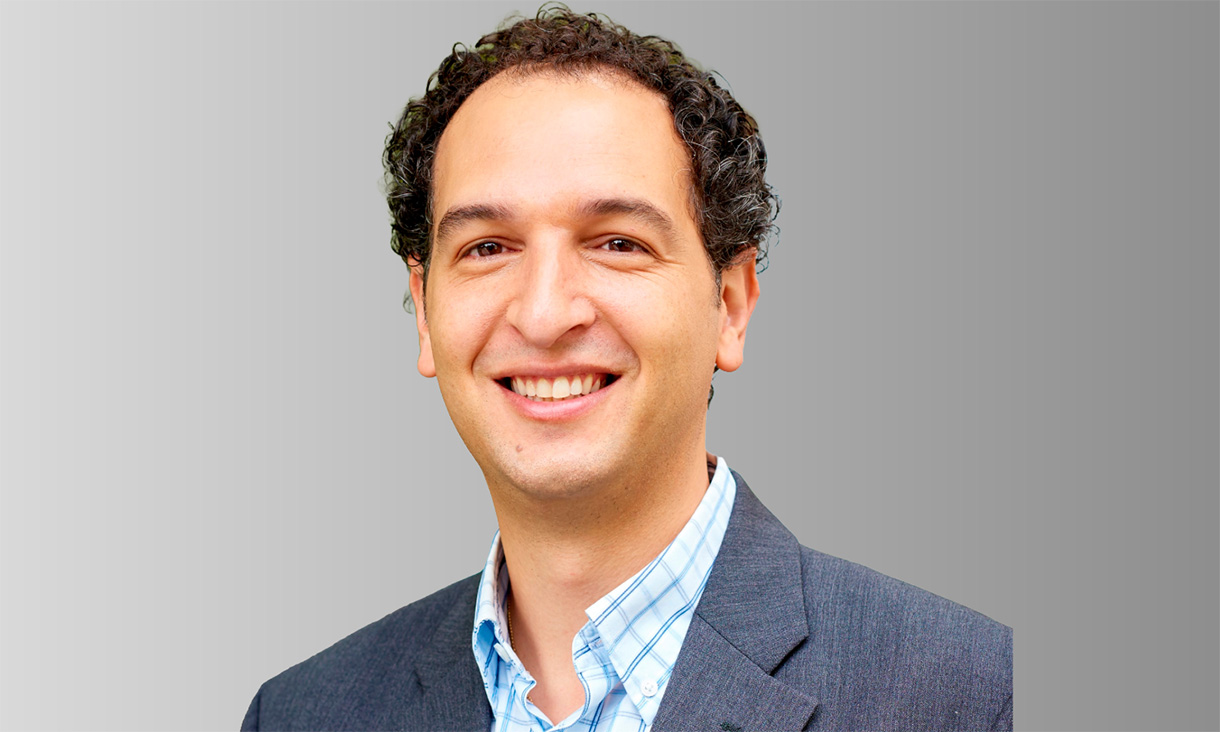
Dr Jonathan Kolieb is Associate Professor of Law and Director of the Business and Human Rights Centre at RMIT University. His research focuses on international law and global governance, including conflict-sensitive corporate sustainability reporting and applying international humanitarian law to business. Collaborating with the Australian Red Cross and other organisations, he develops guidance and online programs to strengthen corporate respect for humanitarian law. Jonathan has published widely, advised the UN and businesses, and held fellowships and positions at ANU, George Washington University, NOVA University, and the Embassy of Australia in Washington DC.
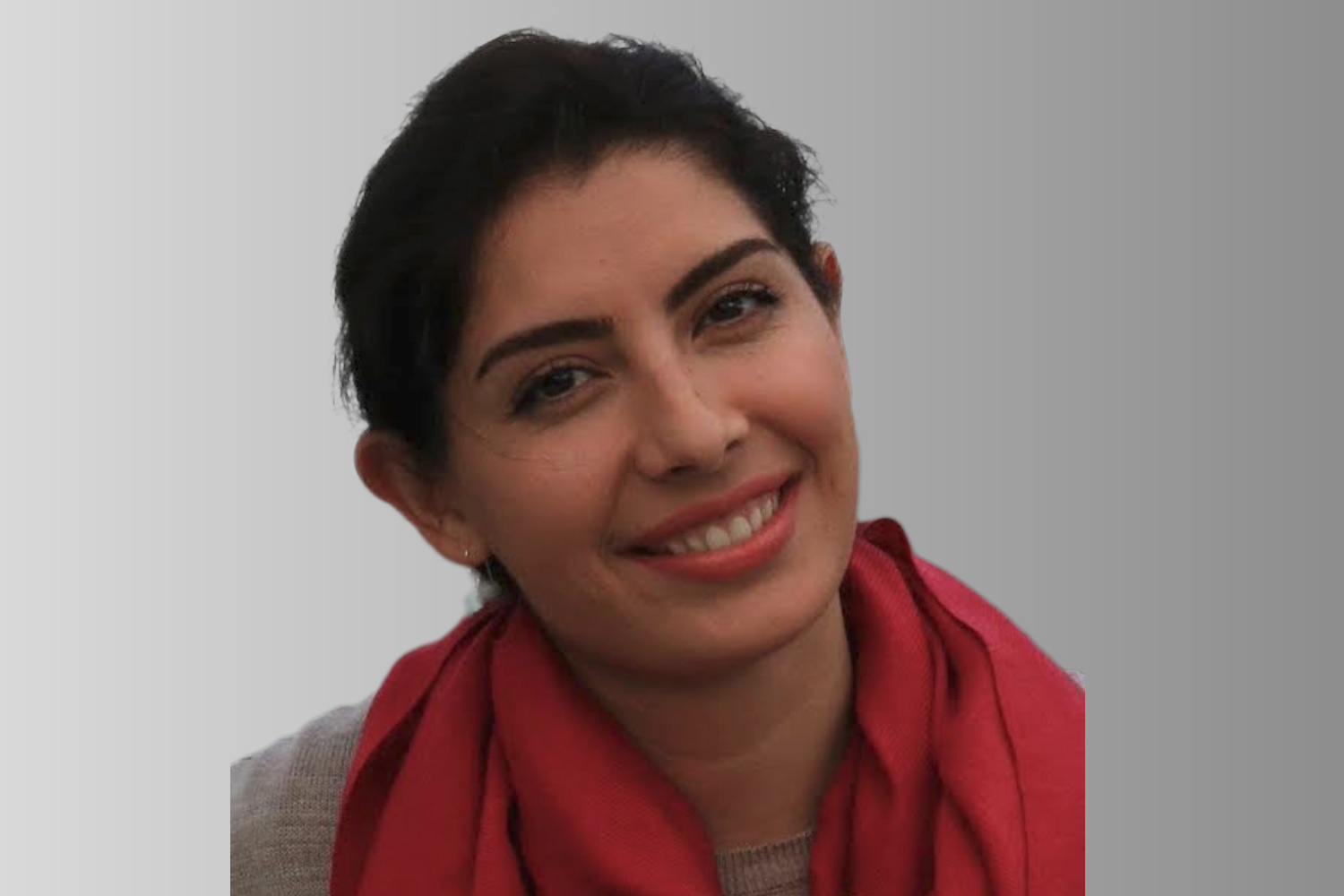
Dr Naghizade is a Lecturer of AI and Data Science in the School of Computing Technologies at RMIT University, working on responsible AI at the intersection of data privacy, spatio-temporal data mining, and human-centered computing. Her research develops privacy-preserving methods for trajectory and social media data, social media monitoring tools to assist fact-checking as well as analytic tools that support trustworthy decision-making in domains such as urban mobility and public health. Her
publications on privacy-aware data release, misinformation and fake-news detection, sentiment-informed urban analytics, and emotion-sensitive privacy decision-making highlight her sustained commitment to AI systems that are transparent, reliable, and aligned with societal needs, with particular attention to serving and safeguarding young people.

Sarah Polkinghorne is an information science researcher specialising in how people navigate everyday interactions with information and technology. Her work examines the social and personal impacts of information systems, with particular attention to the embodied and often tacit experiences of needing, finding, using, creating, and sharing information. She also studies ongoing transformations in scholarly publishing and research practices. Sarah’s research has appeared in leading venues including JASIST, Library Trends, and Information Research. Her current project explores how rising food costs are reshaping people’s information and technology use. She brings qualitative, interpretivist, and critical expertise to CHAI’s human-centred research agenda.

Dr Alexandra Ridgway is a Lecturer in Criminology and Justice Studies at RMIT University and a Fellow with the Centre for Criminology at The University of Hong Kong. A sociologist of family, personal, and intimate life, she studies family breakdown, divorce, family and sexual violence, bereavement, and biographical disruption, often in the context of migration. Her research explores how law and regulation shape these experiences, and more recently, how technology—including AI—affects regulatory systems, human practices, and personal relationships.
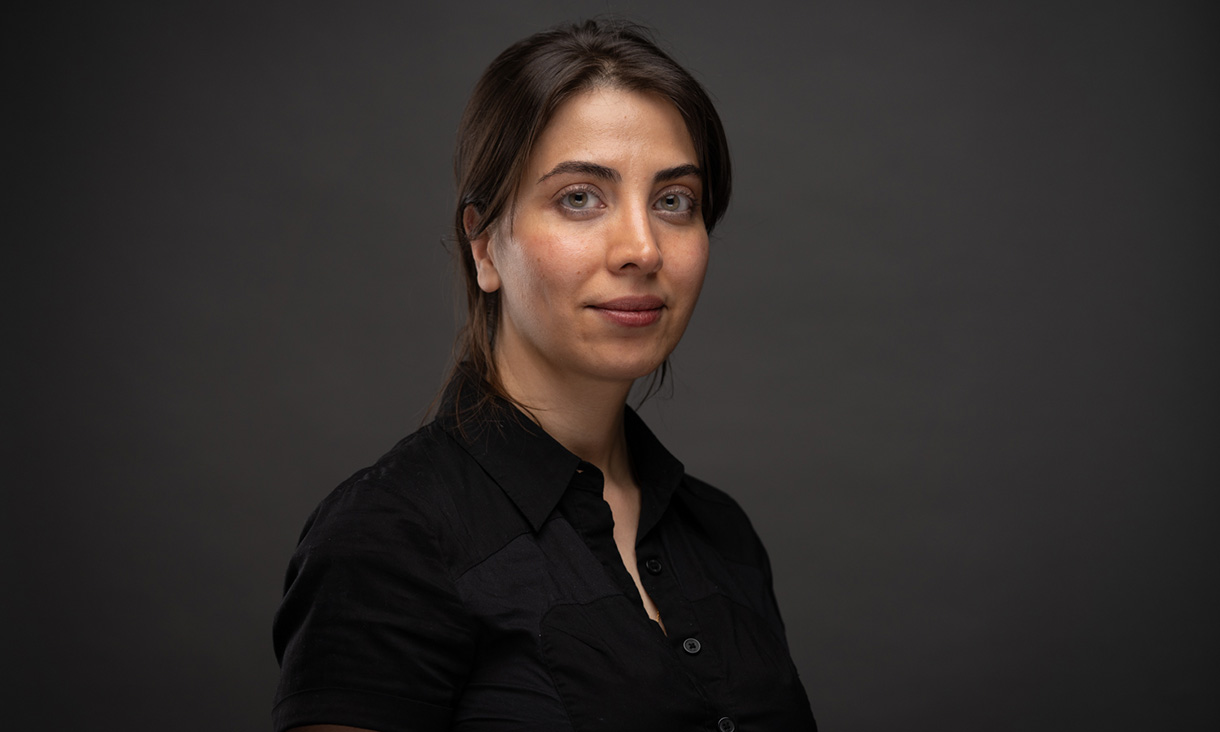
Dr Lida Rashidi is a researcher in Information Retrieval and Machine Learning, specialising in the evaluation of search systems and the analysis of uncertainty in queries, collections, and relevance judgements. She completed her PhD at the University of Melbourne in 2017, developing machine learning methods for anomaly detection in large evolving graphs. Her work is published in leading venues including TOIS, SIGIR, CIKM, and ECML, and she serves on program committees for major IR and AI conferences. Dr Rashidi also collaborates across psychology, the arts, and urban research, and brings this multidisciplinary expertise to CHAI to design personalised, human-centred information systems.
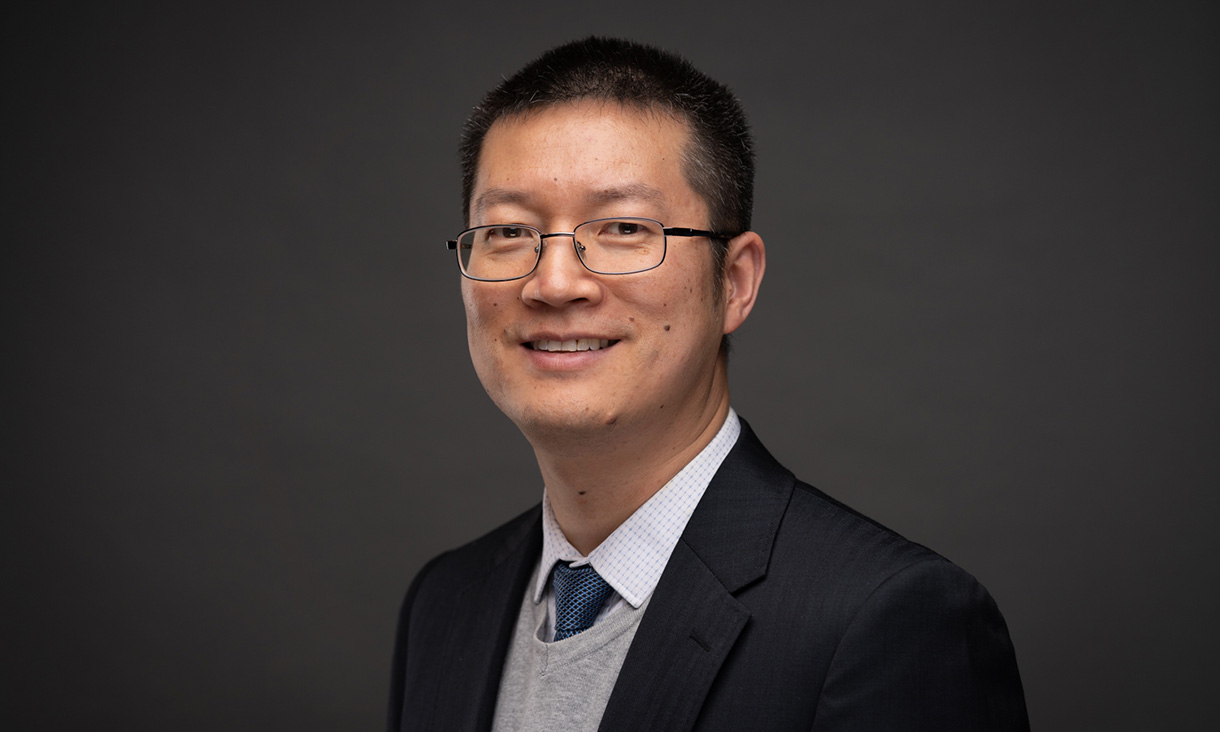
Dr. Yongli Ren is an Associate Professor in the School of Computing Technologies at RMIT University and leader of the R2AI (Responsible Recommendation and AI) research group. His expertise spans data science, recommender systems, quantum machine learning, log analysis, user profiling, and data mining. His work has secured over AUD 2.2 million in funding and earned awards including the Alfred Deakin Medal and a Best Paper Award at IEEE/ACM ASONAM. Dr. Ren’s research applies to real-world problems, such as improving online recommendations, customer segmentation, and industry collaborations with Microsoft, SEEK, Westfield, and Arup.

Dr Lauren Saling is a Senior Lecturer in the School of Health and Biomedical Sciences (Psychology) at RMIT University. She developed a new model of automaticity, explaining how people learn and rely on quick, efficient patterns of behaviour. Automaticity is a key idea in psychology because it helps explain many everyday behaviours, both helpful and unhelpful. Lauren’s work also explores hyper-automatization—such as relying on mental shortcuts that lead to misinformation, technology overuse, and habits—and de-automatizing conditions, including age-related cognitive decline and the challenges it creates for thinking and daily functioning.

Professor Mark Sanderson is a leading information retrieval scholar and Dean of Research for RMIT’s STEM College. He was the first to demonstrate the value of search-engine snippets, now standard across all major platforms. He co-founded the long-running imageCLEF evaluation campaign and has held key leadership roles for ACM SIGIR and ACM CIKM. Under his leadership, the RMIT IR research group has grown over 150%. His research spans search-engine interface design, evaluation methodologies, and the development of innovative test collections. He is also a visiting professor at NII Toky

Dr. Nicole Shackleton is a socio-legal researcher exploring the intersection of gender, technology, and regulation. Her work examines how technologies may enable abuse and harassment, and how legal frameworks can reduce these harms. A leading voice on online misogyny and gendered hate speech, she has influenced national debates and media coverage, contributing to reforms such as the Criminal Code Amendment (Hate Crimes) Bill 2025. As Research Coordinator of the Technology, Law and Society Research Group, she promotes research on emerging technologies, legal regulation, and their societal impacts.

Associate Professor T J Thomson Media & Communication T.J. is an Australian Research Council DECRA Fellow at RMIT University, where he co-leads the News, Technology, and Society Network. His research centres on visual communication, with a particular focus on journalism, media technologies, and audience engagement. He is the author and editor of several influential books.
T.J. has secured external research funding from organisations including the Australian Research Council, the Australian Academy of the Humanities, the Office of the Queensland Chief Scientist, the University of Nottingham Ningbo China, and the International Visual Literacy Association, and has held research fellowships in China and Germany. His recent work addresses misinformation through media literacy initiatives with cultural institutions and advances a substantial body of research on AI in journalism — including bias in AI systems, AI in media production and editing, and news audiences’ experiences of and responses to AI-generated content.

Dr Senuri Wijenayake is a Human-Computer Interaction researcher with a PhD in Social Computing from the University of Melbourne. Her work focuses on designing social computing technologies to reduce harmful behaviours, including cyberbullying and misinformation, particularly for underserved communities. She collaborates with the eSafety Commissioner, ACCAN, and WESNET to co-develop safety features and policies protecting women and gender-diverse people from technology-facilitated abuse. Senuri also investigates cross-cultural differences in how people interact with and respond to misinformation on social media. Her research has received multiple awards and grants, including the 2026 ARC DECRA for Protecting Australia from Online Abuse: Making Online Safety Work for All.
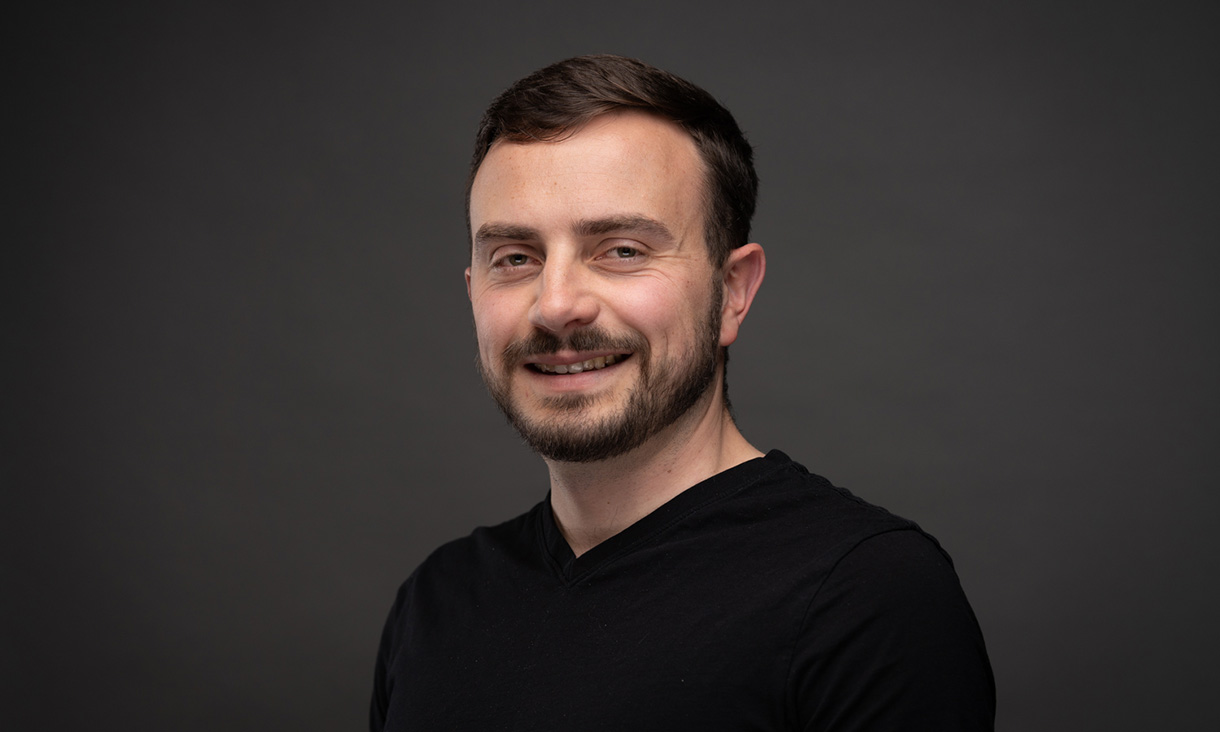
Oleg Zendel is a Research Fellow at RMIT University. He works on improving information retrieval (IR) systems using large language models, Retrieval-Augmented Generation, and generative AI. His PhD focused on query performance prediction and user perceptions of query formulation. Published in leading IR venues, including a Best Paper Award at ECIR 2021, Oleg’s research bridges human and machine understanding, developing methods and tools to enhance search evaluation, interactive search, and reliable performance prediction for researchers, practitioners, and end users.

Joann Cattlin is an Associate Research Fellow in the Social Change Enabling Impact Platform and a PhD Candidate at RMIT University. Her interdisciplinary research focuses on human information behaviour, information organisation, academic culture, and research engagement, aiming to inform university policies and support effective research translation. She fosters inter- and trans-disciplinary collaboration that respects different knowledge systems. Experienced in stakeholder engagement and research communication, Joann also manages complex projects and delivers workshops for academics nationwide. She is the incoming Chair of the Oceania Chapter of the Association for Information Science and Technology.

Mary Greenshields is a doctoral researcher in the School of Global, Urban, and Social Studies (GUSS) at RMIT University. Her research project explores the lived experiences and information practices of women working with future-focused technologies. Her past research has addressed the experiences of Indigenous peoples, academic librarians, and women. Her work is intersectional and aims to be interdisciplinary, incorporating information studies, feminism, technology, postcolonial studies, and cultural diversity.
Mary has 15 years of experience in post-secondary teaching and is also a professional librarian. She lives in Florence, Italy, where she is the Coordinator of the Centre for Academic Literacies and Languages at the European University Institute.

Zhidian Lin is a first-year PhD student at RMIT University, supported by a Vice-Chancellor's PhD Scholarship. Her research focuses on Human-Computer Interaction, Mixed Reality, and Affective Computing, exploring how physiological cues can enhance empathy in Human-AI Interaction. She holds a Master of Information Technology with First Honors from Monash University and was a Monash Global Ambassador. Prior to RMIT, Zhidian worked for two years as Product Operations Manager at SenseTime, specialising in interaction design and data analytics for smart tourism, retail, city, and sports applications, including AR mapping and crowd flow visualisation.
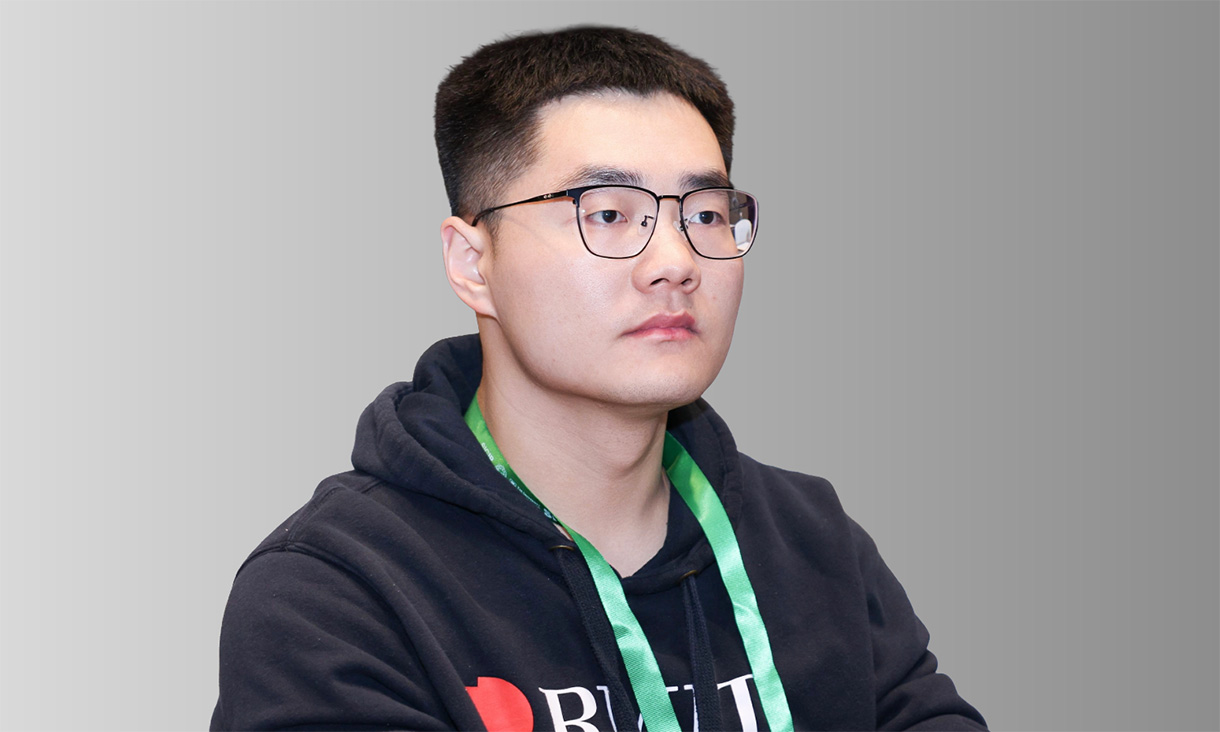
Shoiqi Sun is a first-year PhD student in the School of Computing Technologies at RMIT University. He holds a Master’s degree in Computer Science from The University of Queensland, where he also worked in the Information Engineering Lab under Prof. Guido Zuccon, researching large language model–based re-rankers and the effects of prompt variation on performance. His research interests span information retrieval, search systems, and user behaviour. Shoiqi’s current work investigates the effectiveness and vulnerabilities of LLM-based ranking and RAG systems, as well as how emerging search interfaces shape and transform contemporary information-seeking practices.

Sara is a HDR Candidate focused on understanding how people formulate queries and interact with AI-enabled search systems. Her work adopts a user-centred approach to query variation, using methods such as eye-tracking and lab-based user studies to examine how search behaviour is changing in the era of generative AI. Sara’s research contributes to CHAI by informing more meaningful evaluation and measurement of search systems, with an emphasis on human understanding and decision-making. Her work aligns closely with CHAI’s Systems and Software theme and its Human Behaviour and Evaluation enablers, drawing on interdisciplinary methods from information retrieval, psychology and the social sciences.
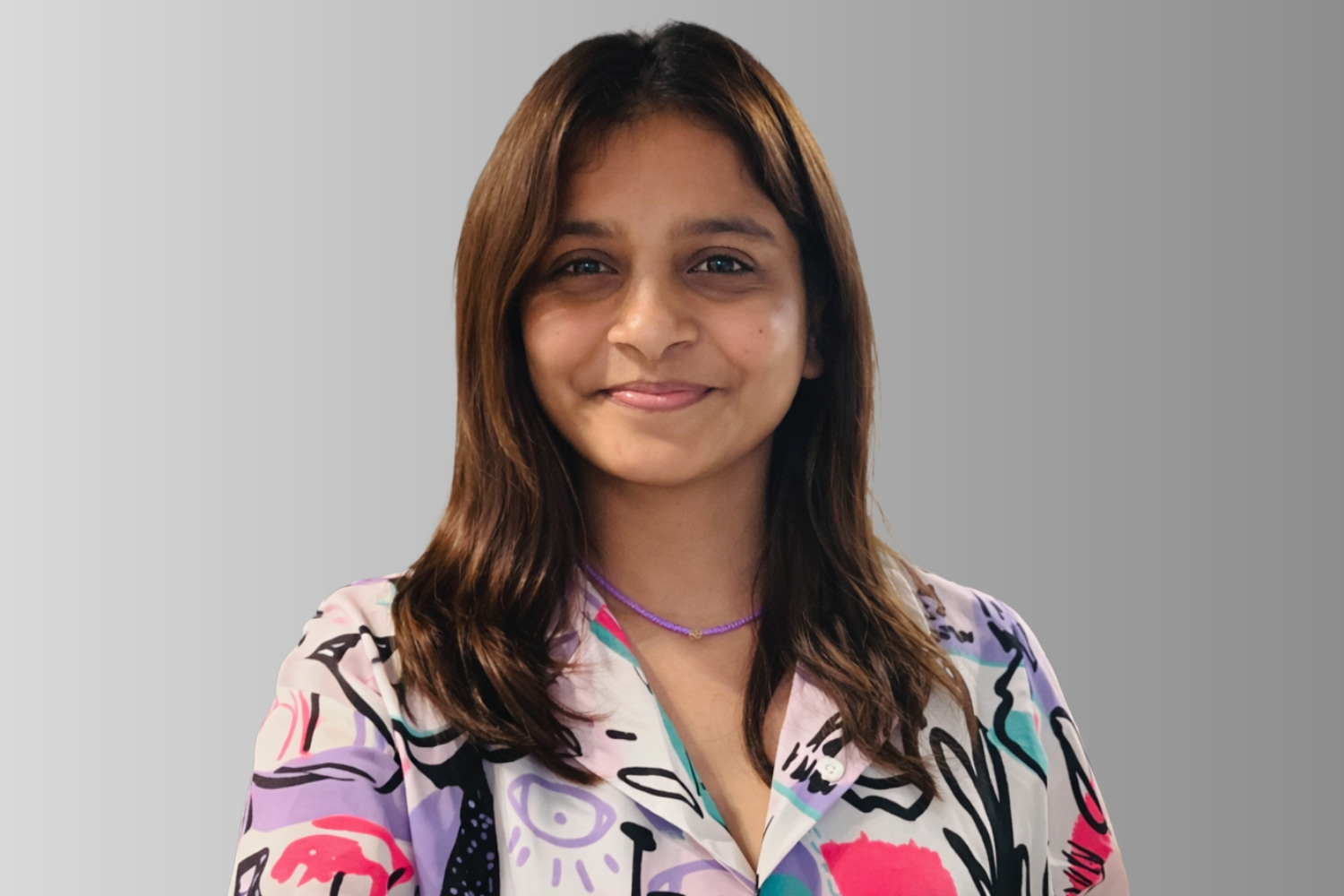
Nethmi is a first-year PhD candidate working at the intersection of social computing, human–computer interaction, and explainable AI. Her research examines how social conformity emerges in mixed human–AI groups and shapes information consumption in computer-mediated environments. Through controlled user studies and lab-based experiments, she applies mixed-methods approaches that combine statistical and thematic analysis to extend traditional conformity theory into human–AI contexts, identifying both established determinants of influence and new factors introduced by LLM-based AI agents, with implications for the responsible design of digital platforms.

Jiaman He is a second-year PhD researcher investigating human behaviour in information search, using search logs and eye-tracking data to model query formulation and cognitive states such as knowledge level. Her work develops novel eye-tracking–based and time-series methods to characterise behavioural and cognitive processes, with a focus on individual differences, including personality influences. She also examines divergences between large language model annotations and human decision-making. Jiaman’s research advances human-centred approaches to information systems, enabling privacy-aware, data-efficient personalisation and robust evaluation, and contributes to bridging information retrieval, AI, and human behaviour in complex, real-world environments.
Read more about Jiaman here


RMIT University acknowledges the people of the Woi wurrung and Boon wurrung language groups of the eastern Kulin Nation on whose unceded lands we conduct the business of the University. RMIT University respectfully acknowledges their Ancestors and Elders, past and present. RMIT also acknowledges the Traditional Custodians and their Ancestors of the lands and waters across Australia where we conduct our business - Artwork 'Sentient' by Hollie Johnson, Gunaikurnai and Monero Ngarigo.
Learn more about our commitment to Aboriginal and Torres Strait Islander peoples

