
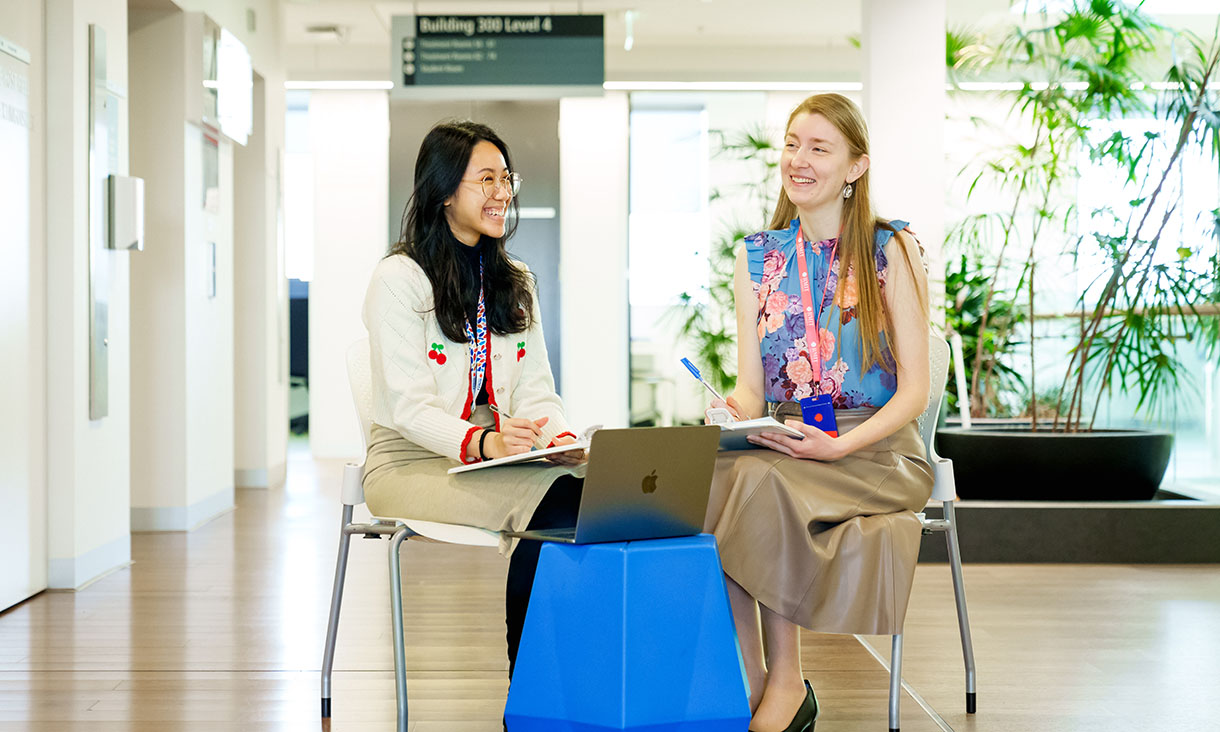


Returning to work? Read this first: Five tips to return after a career break

Returning to work after a career break can feel overwhelming. These five tips will help you get back into the workforce with confidence.

People step away from their careers for all kinds of reasons: raising children, caring for family members, studying, travelling, managing their health, coming out of retirement or simply reassessing what they want from life. What was once viewed as a disruption is now a natural part of a modern career.

Yet while career breaks are more common than ever, returning to work can still feel daunting. Many people worry they've fallen behind, lost their professional identity, or need to prove themselves all over again.

If you're preparing to return to work after a break, here are five tips to help you rebuild confidence and take your next step forward.      

#1: Recognise the skills you gained (and retained)

It's easy to focus on the time you've spent away from work, but don't overlook what you've gained. The strengths that made you successful before your break are still there, and chances are you've developed new ones along the way.

Before you start applying for roles, spend some time reflecting on what you've retained, and gained during your break. Perhaps you've managed competing priorities while raising a family, coordinated care for a loved one, completed further study or volunteered in your community. These experiences often build valuable skills that employers look for, even if they weren't gained in a traditional workplace. Being able to clearly articulate those experiences can help you approach interviews and networking conversations with more confidence. The goal isn't to explain a gap. It's to recognise the value of everything you've learned during it.

#2: Find out what’s changed

Coming back from a career break can be a good opportunity to reflect on what’s changed and what’s next. Rather than focusing on returning to a previous role, consider emerging industries, levelling up skill areas or new opportunities that align with your interests and experience.

Start by reconnecting through: 

Starting here can help you understand current trends, identify in-demand skills and uncover career paths you may not have considered before.

#3: Be willing to learn

Once you've got an idea of where you want to go, consider building your skills. With rapid changes in areas such as artificial intelligence (AI), many roles are evolving faster than ever. The good news is that there are countless ways to get back up to speed.

Short courses, micro-credentials and further study can help you refresh your knowledge and develop in-demand skills. As industries evolve, capabilities in areas such as sustainability are becoming increasingly valuable across a wide range of professions. Flexible learning options, like RMIT's online courses, can make it easier to fit learning around family, work and other commitments. Remember, employers aren't expecting you to know everything. They're looking for people who are adaptable, curious and willing to learn.

#4. Craft the ‘new you’

Returning to work is an opportunity to redefine how you present yourself professionally. Start by updating your resume, LinkedIn profile, portfolio or website to reflect who you are now, your achievements, transferable skills and future goals.

Then, reconnect with former colleagues, mentors, alumni and industry contacts. A simple coffee catch-up or LinkedIn message can help you uncover new opportunities and test how you talk about this next chapter of your career. Networking isn't about asking for a job. Sometimes a conversation can do more for your confidence than a dozen online job applications. Whether it's attending events, reconnecting with former colleagues or joining communities such as the RMIT Alumni LinkedIn group, staying engaged can help you broaden your perspective.

#5: Consider different pathways back in

You don’t need to jump straight back into a full-time role. Depending on your circumstances, a gradual transition can take the pressure off.

Contract work, freelancing, consulting, part-time positions, internships and project-based work can all be valuable stepping stones back into the workforce. Rather than focusing on finding the perfect role immediately, look for opportunities that help you build confidence and move closer to where you want to be.

Developing in-demand skills can also help you stand out, particularly as sustainability becomes increasingly important across industries.

Returning to work is a new chapter, not a return to the old one.

The perspective you've gained, the challenges you've overcome and the experiences you've had outside the workplace all contribute to who you are as a professional. The goal isn't to return to the exact person you were before you stepped away. The goal is to move forward with everything you've learned since.

Story: Angela Brayton

You may also be interested in

aboriginal flag float-starttorres strait flag float-start

Acknowledgement of Country

RMIT University acknowledges the people of the Woi wurrung and Boon wurrung language groups of the eastern Kulin Nation on whose unceded lands we conduct the business of the University. RMIT University respectfully acknowledges their Ancestors and Elders, past and present. RMIT also acknowledges the Traditional Custodians and their Ancestors of the lands and waters across Australia where we conduct our business - Artwork 'Sentient' by Hollie Johnson, Gunaikurnai and Monero Ngarigo.

Learn more about our commitment to Indigenous cultures