

Five business skills employers are looking for

Prepare your résumé for the future with the leadership and management skills that employers are looking for.

Innovation is around every corner in 2026, and it’s more than just AI changing the game. The key to weathering the next shift is staying in the know.   

Breaking into the world of business or landing your next promotion is a matter of having the right skillset. No matter what your career goals or ambitions are, gaining the most in-demand business skills is a surefire way to prepare for the roles of tomorrow. 

Developing sought after skills isn’t just about career progression; you’ll never regret being ready for what’s next. Here are the top five skills for leadership and management that employers are looking for in 2026, and how you can gain them at RMIT. 

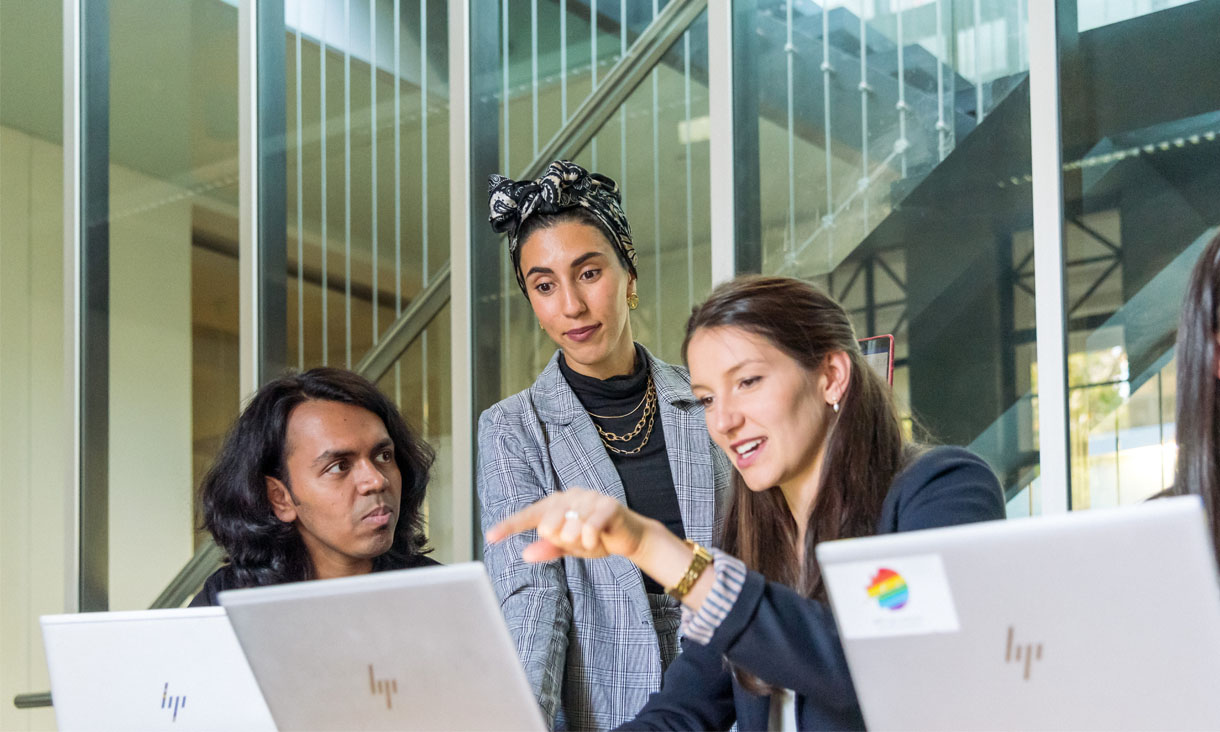
RMIT Business students stand about a computer discussing report results

#1: Enterprising and intiative

Enterprising is a business skill that combines teamwork, communication and leadership. Meanwhile, initiative helps you spot and act on opportunities when they arise. Together they are the recipe for a good leader. With AI revolutionising the way businesses are run, good leaders with these skills are in high demand. 

According to Deloitte, in the emerging AI powered workplace, it will fall to managers with initiative and enterprising skills to find a healthy and ethical balance.1 

How to add this to your skillset 

Whether you’re an aspiring professional with limited management experience or looking to deepen your skills, RMIT has the means to help you develop your enterprising and initiative. The accredited Master of Business Administration and Executive Master of Business Administration nurture these skills with industry-engaged experiences that will help you lead the way through any challenge. If you’re looking to specifically gain enterprising expertise that allows you to leverage the latest tech as a leader, the Executive MBA offers specialised minors focused on strategic use of AI. 

#2: Cloud computing for business operations

While some sectors have de-emphasised ‘work-from-home’ models, 36% of all employed Australians regularly worked from home in 20252. This is just one of the current workplace dynamics that is driving employers and executives to integrate more cloud-based solutions and keep their businesses at the cutting-edge of digital infrastructure. As a result, literacy in cloud systems is becoming even more valued by employers and executives.  

How to add this to your skillset 

RMIT’s accredited Graduate Certificate in Cloud Applications in Business is perfect if you’re looking to enhance your CV with cloud expertise. In this course, you’ll learn the risks and opportunities associated with cloud systems and become equipped to make informed decisions that align with organisational goals and technological needs. 

RMIT Business students stand about a table comparing notes

#3: Financial risk management

New and upcoming AI-integrated finance technology is set to change the future of risk management. In their 2025 report, PwC Australia remarks that “the question is not if risk management will evolve within financial institutions, it’s a matter of when”.3

However, these changes do not mean the end of the human element – a strong understanding of risk management will always be valued by employers. The tools and dynamics of the financial sector may be changing, but professionals with the skills to manage risk within an ethical framework remain highly valued. 

How to add this to your skillset 

The accredited Graduate Certificate in Sustainable Finance and Investment helps you develop two future-focused business skills at once - financial risk management and sustainable investment. The course gives you the means to conduct market research and advise financial institutions on the sustainability of their processes and strategies. 

#4: Supply chain specialist

Supply and acquisition are the backbone of many roles in the business sector – after all, you can’t have a company without product. Even with the rise of automated practices and importing challenges, professionals with the skills and confidence to develop and guide effective strategies are highly sought after.  

Research by the World Economic Forum shows that supply chain and logistics specialist roles are expected to grow as the dynamics of global trade and investment continue to shift4.  

How to add this to your skillset 

There’s no better place to study supply chain than at a globally connected university like RMIT. Choosing to study our Graduate Certificate in Supply Chain and Logistics Management or Master of Supply Chain and Logistics Management will do more than connect you with global industry partners – you’ll also complete practical projects that will help you develop your new logistics skillset.  

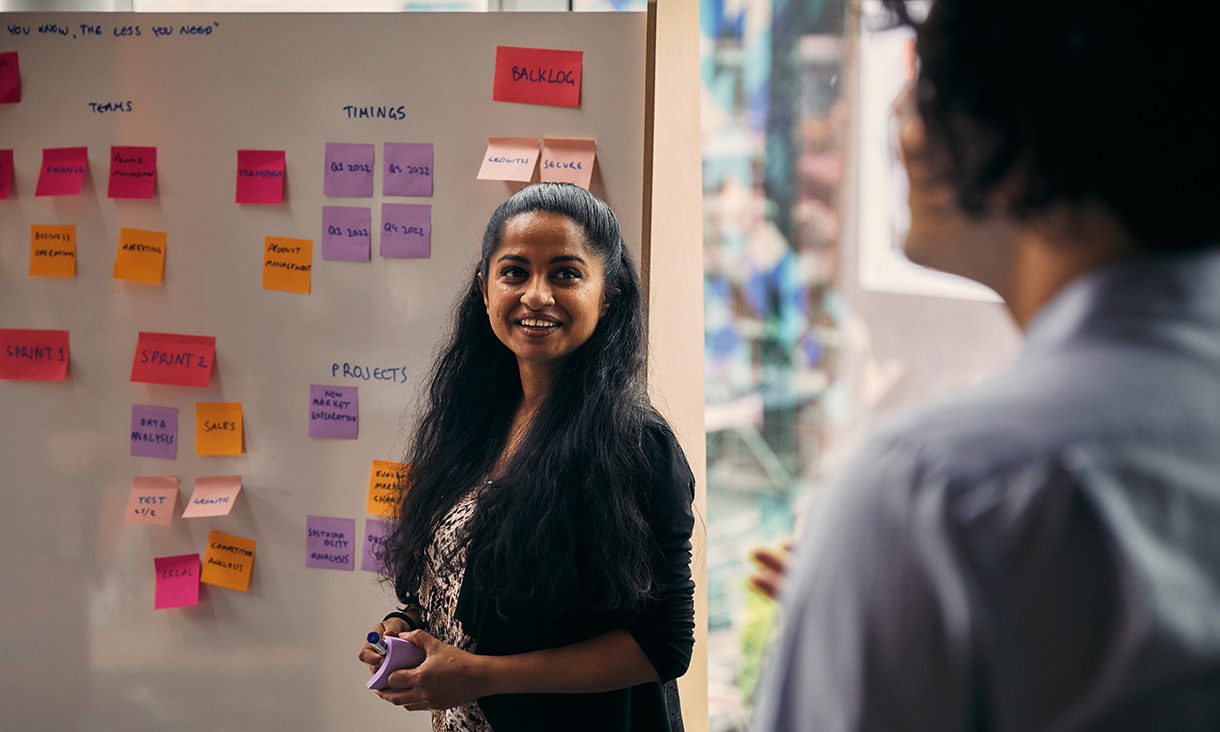
RMIT Business students consult graphs and discuss trends

#5: Digital and automation skills

Many industry professionals see the emergence of AI as a way to create greater efficiency through automation. Salesforce’s Chief Adoption Officer Polly Sumner says businesses shouldn’t just blindly embrace AI, but rather they should “[start] with automation and free up people to do what they do best, more quickly and in more interesting ways.”

As mantras like this become increasingly common, employers will be on the lookout for digitally literate professionals who know their way around the latest tech-integrated innovations. 

How to add this to your skillset 

Combining business skills and tech expertise may seem like a challenge, but with RMIT’s accredited Master of Business Information Technology, digital and automation can be the backbone of your skillset. With this course, you’ll be an invaluable asset to any global organisation that value your dynamic and diverse abilities. 

You may also be interested in...

aboriginal flag float-starttorres strait flag float-start

Acknowledgement of Country

RMIT University acknowledges the people of the Woi wurrung and Boon wurrung language groups of the eastern Kulin Nation on whose unceded lands we conduct the business of the University. RMIT University respectfully acknowledges their Ancestors and Elders, past and present. RMIT also acknowledges the Traditional Custodians and their Ancestors of the lands and waters across Australia where we conduct our business - Artwork 'Sentient' by Hollie Johnson, Gunaikurnai and Monero Ngarigo.

Learn more about our commitment to Indigenous cultures