

Both countries are known for globally recognised universities, multicultural communities and strong support for international students.
Australia and Canada both have strong higher education systems, with universities regularly appearing in global rankings. Degrees from both countries are widely recognised and can support international career pathways.
Australia, however, has built a strong reputation for industry-connected learning. Many universities, including RMIT, embed practical experiences such as industry projects, placements and work-integrated learning into their courses.
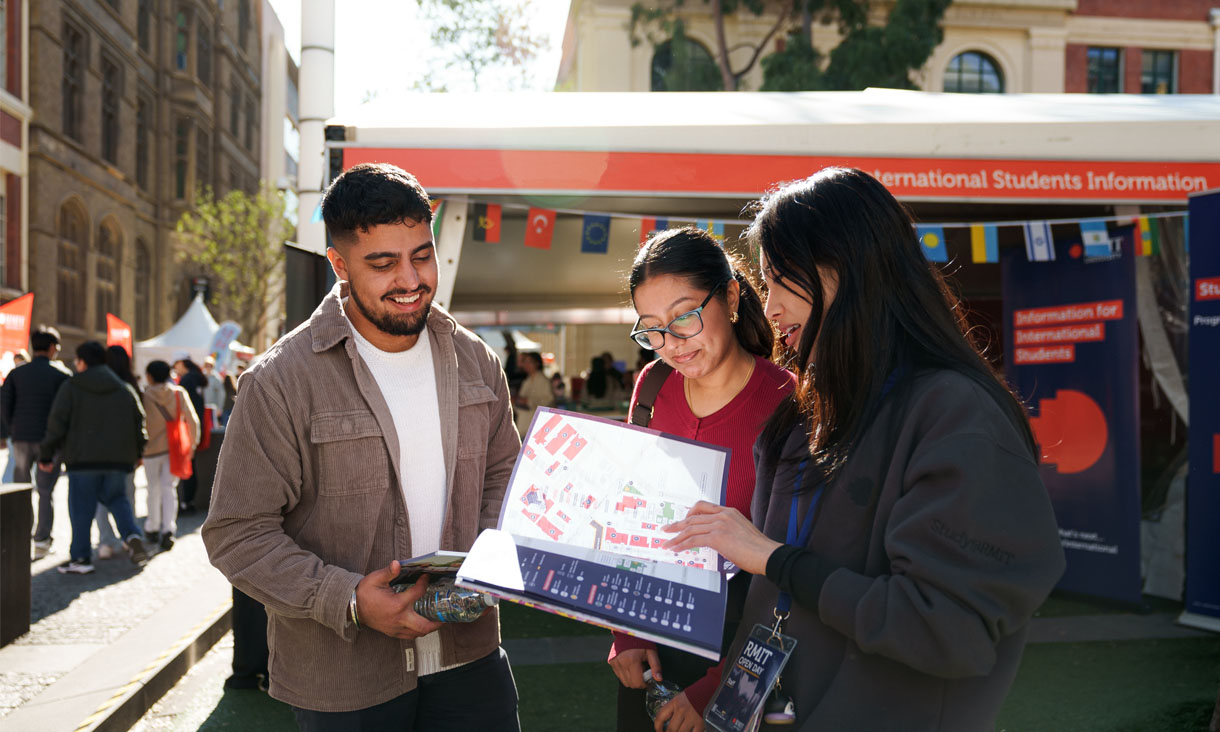
In the Global Liveability Index 2025, Australia scored three cities in the worldwide top 10, including Melbourne at #4.
Canada also offers high-quality education, with a strong emphasis on research and academic rigour, particularly in fields such as engineering, health sciences and business.
In both countries, you’ll be studying alongside students from around the world – but Australia consistently ranks as one of the most popular destinations for international students globally.
In both countries, international tuition fees vary depending on the course and institution. Broadly speaking:
The ranges are similar, but exact costs depend heavily on what and where you study.
Living costs in cities such as Melbourne, Sydney, Toronto and Vancouver are broadly comparable.
You’ll need to budget for:
Australia requires international students to show financial capacity for living costs (currently around AU$29,710 per year as a guideline), which gives you a realistic baseline for planning. To figure out how much you’ll need to thrive in Melbourne, Study Melbourne provides a Cost of Living Calculator.
The cost of living in Melbourne varies according to your circumstances, such as the type of accommodation you choose, its location, the number of people you live with and your lifestyle. Discover everything you need to know about the everyday living costs in Melbourne.
Both countries offer scholarships for international students. Australian universities, including RMIT, offer a range of scholarships based on merit and region.

RMIT offers a range of scholarships to commencing international students across all fields of study. Browse our scholarships and see what you could be eligible for.
You’ll find similar accommodation options in both countries:
Costs vary depending on the city and how close you want to live to campus.
Melbourne, for example, has a high concentration of student housing close to the city centre, making it easier to live near where you study. Canadian cities can be more spread out, which can affect commute times and costs.

In Melbourne, we have a wide variety of accommodation options for students. Choosing the right place to live is a major decision, so before you sign a lease or other agreement, think about what’s going to work best for you.
| Course feature | Australia | Canada |
|---|---|---|
| Duration | Typically 3-year undergraduate degrees. | Typically 4-year undergraduate degrees. |
| Focus | Strong focus on practical learning and industry engagement. | Often more theory-heavy in early years, with specialisation later. |
| Flexibility | Flexible course structures with electives and minors. | Structured program pathways. |
This is where personal preference really kicks in.
Australia is known for its outdoor lifestyle – beaches, parks, cafés and a strong social culture. Universities such as RMIT are embedded in the city, so your campus experience blends directly with urban life.
Canada offers a great student experience, too, but with a more seasonal lifestyle. Winters can be long and cold, which shapes how you’d spend your time there.
Both countries offer:


Both countries perform well across the board. The differences tend to come down to lifestyle, timing and long-term plans.
If you love snow sports, Canada has the edge. If you prefer not planning your life around thermals and ice, Australia might feel a bit more… manageable. If you’re used to a warmer climate, Australia will probably feel more comfortable.
Summer
Winter
Summer
Winter
Main intakes
Limited intakes
Summer break
Main intakes
Summer break
Both countries allow international students to work during their studies.
In Australia, students can work up to 48 hours per fortnight, with opportunities in:
Gaining local work experience can make a real difference when applying for jobs after graduation.

Finding a job can feel like a challenging task for international students, but with some key tips from RMIT’s Career Connect, you’ll be working in Melbourne in no time.
Once you graduate, you can work in:
Both countries offer excellent education, strong student support and global career opportunities.
Canada is a great choice if you’re drawn to North America, don’t mind colder climates and prefer a longer degree structure.
Australia stands out for:
If Australia is on your shortlist, you can start by exploring courses, scholarships and student support at RMIT.



RMIT University acknowledges the people of the Woi wurrung and Boon wurrung language groups of the eastern Kulin Nation on whose unceded lands we conduct the business of the University. RMIT University respectfully acknowledges their Ancestors and Elders, past and present. RMIT also acknowledges the Traditional Custodians and their Ancestors of the lands and waters across Australia where we conduct our business - Artwork 'Sentient' by Hollie Johnson, Gunaikurnai and Monero Ngarigo.
Learn more about our commitment to Aboriginal and Torres Strait Islander peoples