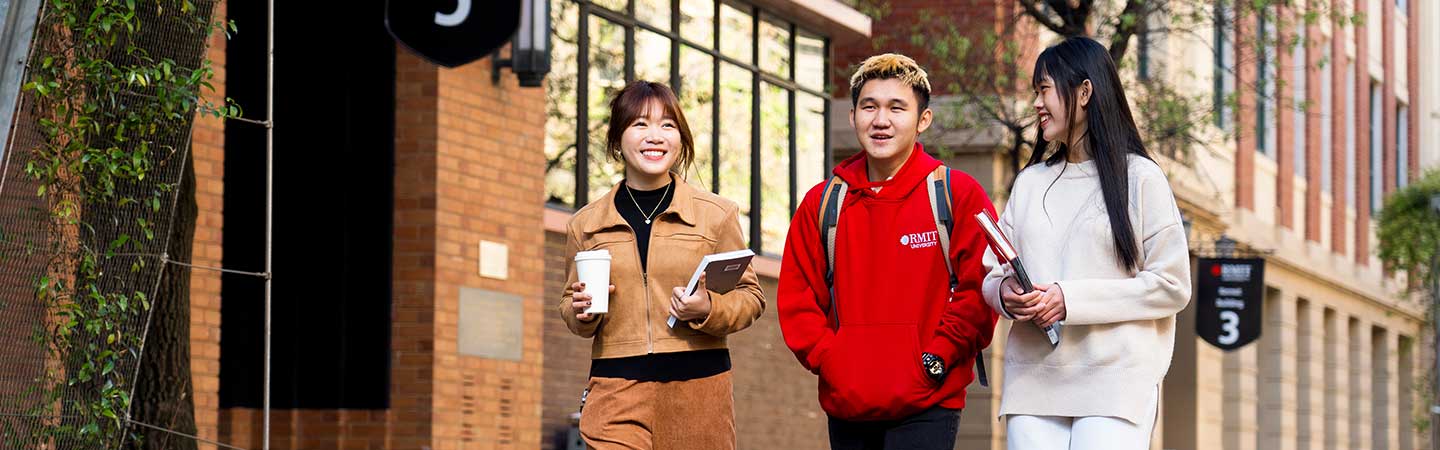

Australia is one of the most attractive places in the world to study, and Melbourne has been voted the best city for international students. Learn what life is like in Melbourne, what kinds of qualifications are available, and how to apply for scholarships as well as your chosen course.
Australia has a reputation for sunshine, beaches and laidback charm – but there’s a serious education system behind the lifestyle. Our universities and vocational institutions are globally recognised for quality, our cities consistently rank among the best student destinations in the world and our graduates go on to work everywhere from local start-ups to international organisations.
You’ll find a broad range of study options across:
There’s also the opportunity to work part-time during your studies – and gain valuable post-study experience once you graduate.
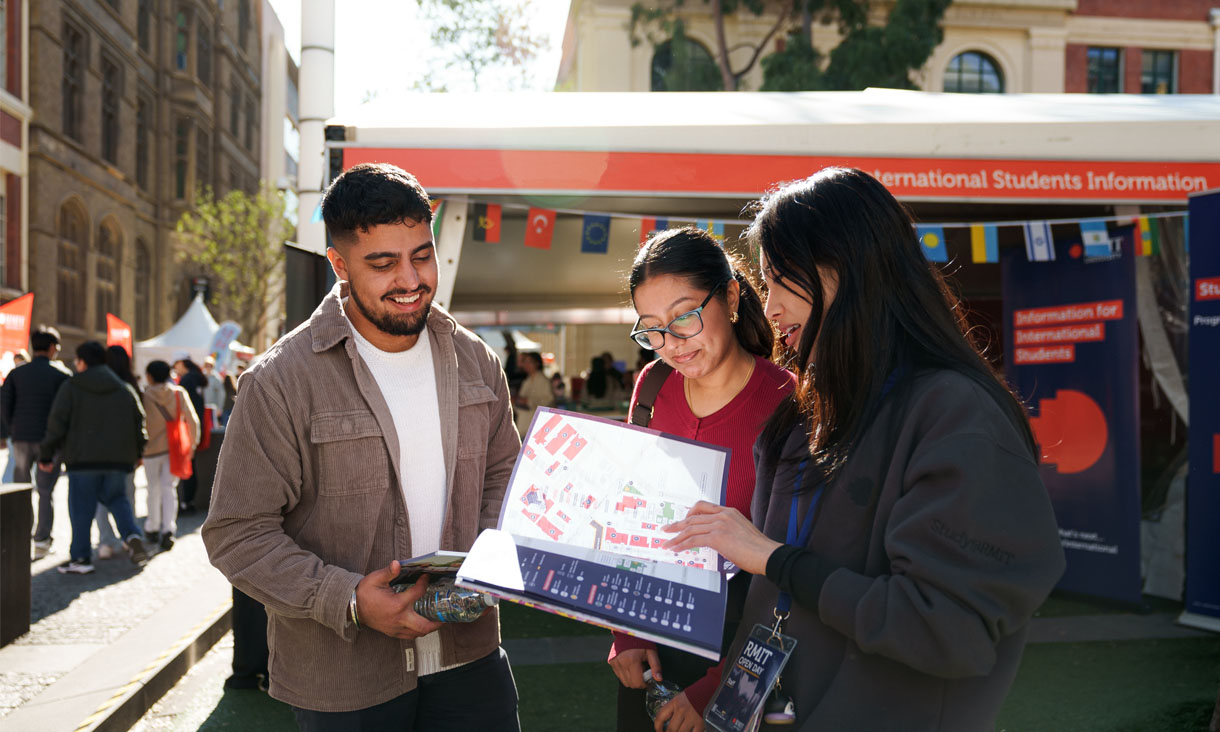
Melbourne is one of the top destinations for study in the world. According to QS Best Student Cities Rankings for 2026, we’re the best student city in Australia and #5 in the world.
While you can study just about anything in Australia, here are a few of the fields that are popular with international students:
Australia has a strong reputation for engineering, technology and applied research, with demand driven by infrastructure projects, renewable energy, cybersecurity, data science and advanced manufacturing. According to Jobs and Skills Australia, many engineering and ICT roles are projected to experience ongoing growth, particularly in civil engineering, software development and cybersecurity.

Two of RMIT's engineering specialisations are ranked among the best in the world. Civil Engineering sits at #26 globally and Aerospace Engineering at #34, with both ranked #1 in Australia, according to the ShanghaiRanking for 2026.
RMIT offers all of the above, with many courses designed in collaboration with industry and supported by work placements, internships or research opportunities.
Yes – most institutions require proof of English proficiency via IELTS, TOEFL or PTE Academic. Minimum scores depend on your course, but you’ll find the requirements on each course page.
For more information on studying engineering and IT in Australia, read our guides below.
Australia’s business sector spans global finance, entrepreneurship, supply chain, digital commerce and sustainability. With Asia-Pacific trade relationships, plus a strong SME and start-up culture, business graduates are well positioned for both local and international careers.
Business-related occupations, including management and financial services roles, continue to represent a significant share of Australia’s professional workforce.

RMIT's Master of Business Administration degree is ranked in the top #200 universities globally and #7 in Australia for the Global MBA in the QS World University Rankings by Subject 2026.
RMIT offers all of the above, with many courses designed in collaboration with industry and supported by work placements, internships or research opportunities.
Yes – most institutions require proof of English proficiency via IELTS, TOEFL or PTE Academic. Minimum scores depend on your course, but you’ll find the requirements on each course page.
For more information on studying business and management in Australia, read our guides below.
Australia has a globally recognised design culture, particularly in architecture, urban design, communication design and sustainable design. Creative industries contribute billions annually to Australia’s economy, with growing demand for digital design, UX, sustainable architecture and built environment professionals.
Melbourne is consistently recognised as one of the world’s leading design cities and is a UNESCO City of Literature and Design.

RMIT ranks #1 in Australia for Art and Design (26th globally) and #1 in Australia for Architecture and Built Environment (21st globally), according to the QS World University Rankings by Subject 2025.
RMIT offers all of the above, with many courses designed in collaboration with industry and supported by work placements, internships or research opportunities.
Yes – most institutions require proof of English proficiency via IELTS, TOEFL or PTE Academic. Minimum scores depend on your course, but you’ll find the requirements on each course page.
For more information on studying design and architecture in Australia, read our guides below.
Everything you need to know about studying your bachelor’s in Australia.

Explore top courses, fees and career pathways in our comprehensive guide.
Australia’s health system is globally respected, supported by strong public health infrastructure, biomedical research and allied health services.
Healthcare and social assistance is one of Australia’s largest and fastest-growing employment sectors, according to Jobs and Skills Australia. There is strong demand across nursing, allied health, medical research and laboratory sciences.
RMIT offers all of the above, with many courses designed in collaboration with industry and supported by work placements, internships or research opportunities.
Yes – most institutions require proof of English proficiency via IELTS, TOEFL or PTE Academic. Minimum scores depend on your course, but you’ll find the requirements on each course page.
For more information on studying health and biomedical sciences in Australia, read our guides below.
Australia has a diverse and evolving media landscape, spanning digital journalism, broadcasting, content production, strategic communication and media industries. As organisations increasingly rely on digital storytelling and audience engagement, communication graduates are in demand across sectors.
Melbourne is a major hub for media, publishing and creative production, offering strong industry networks.
RMIT offers all of the above, with many courses designed in collaboration with industry and supported by work placements, internships or research opportunities.
Yes – most institutions require proof of English proficiency via IELTS, TOEFL or PTE Academic. Minimum scores depend on your course, but you’ll find the requirements on each course page.
For more information on studying communication and media in Australia, read our guides below.
Everything you need to know about studying your bachelor’s in Australia.
Explore top courses, fees and career pathways in our comprehensive guide.
Australia’s vocational education and training system is nationally recognised and designed to produce job-ready graduates. TAFE qualifications are aligned with industry standards and are often developed in consultation with employers.
TAFE can lead directly to employment or act as a pathway into university study.
RMIT is one of Australia’s largest dual-sector institutions, offering both TAFE and higher education qualifications.
As Australia's largest dual-sector university, RMIT gives you a head start. Study a vocational education (TAFE) qualification and potentially move straight into a related degree, all without changing institutions.
RMIT offers all of the above, with many courses designed in collaboration with industry and supported by work placements, internships or research opportunities.
Yes – most institutions require proof of English proficiency via IELTS, TOEFL or PTE Academic. Minimum scores depend on your course, but you’ll find the requirements on each course page.
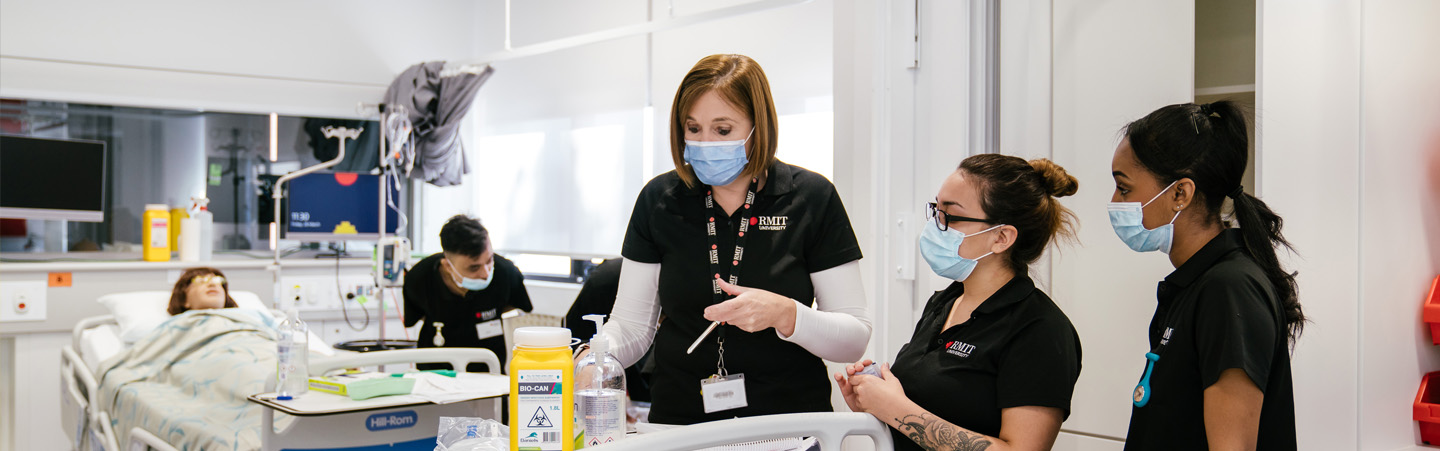
Looking to study nursing in Australia? Explore top courses, fees and career pathways in our comprehensive guide.
English language and foundation programs are designed to help international students meet university entry requirements and succeed academically in Australia.
These programs focus on academic writing, research skills, presentation skills and discipline-specific English. Foundation studies can also provide a direct pathway into bachelor degrees.
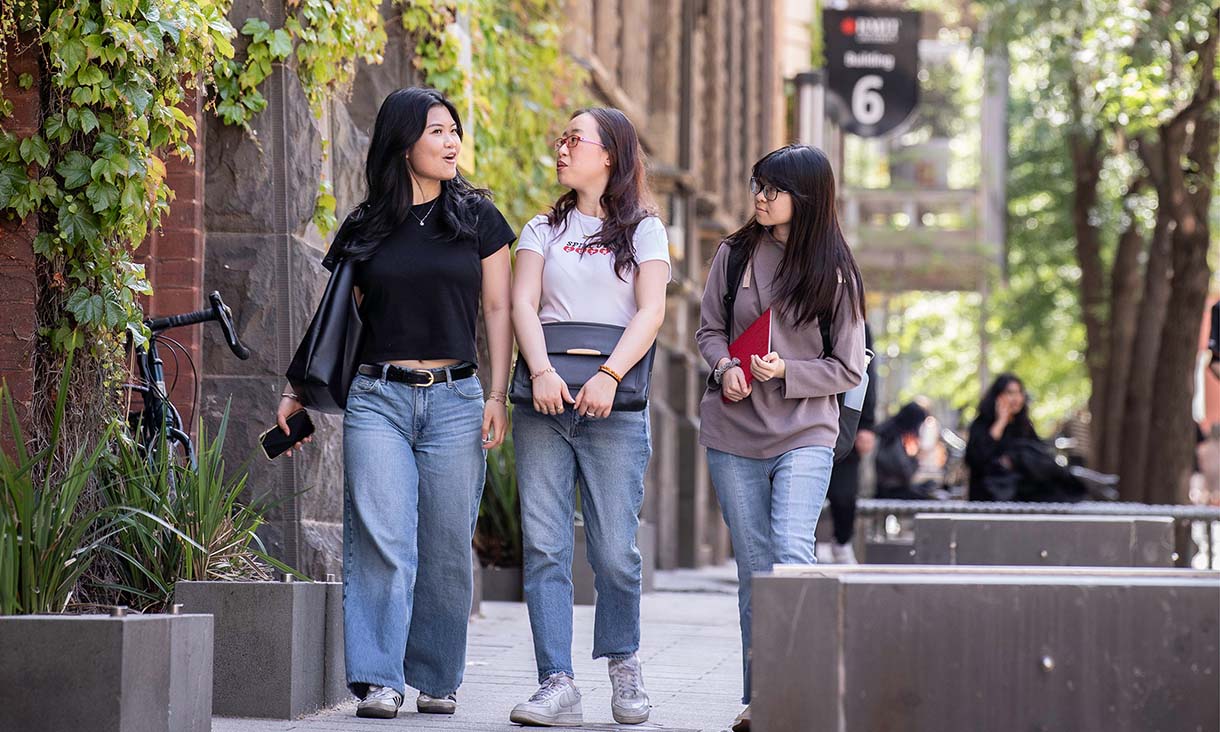
Our English language and foundation courses are offered by RMIT University Pathways (RMIT UP). RMIT UP holds NEAS Quality Endorsement, Australia's mark of quality for English language education.
Our Foundation Studies program also offers a pathway of entry into an RMIT bachelor's degree.
RMIT offers all of the above, with many courses designed in collaboration with industry and supported by work placements, internships or research opportunities.
Yes – most institutions require proof of English proficiency via IELTS, TOEFL or PTE Academic. Minimum scores depend on your course, but you’ll find the requirements on each course page.

Foundation programs are designed to help international students build the skills and knowledge needed for university.
The application process to study in Australia looks different for prospective international students applying from overseas compared to domestic applicants. Below is an outline of how the international application process works for most students.
The first step in any university application process is to decide which university and courses you are most interested in, and which best align with the career path you have in mind.
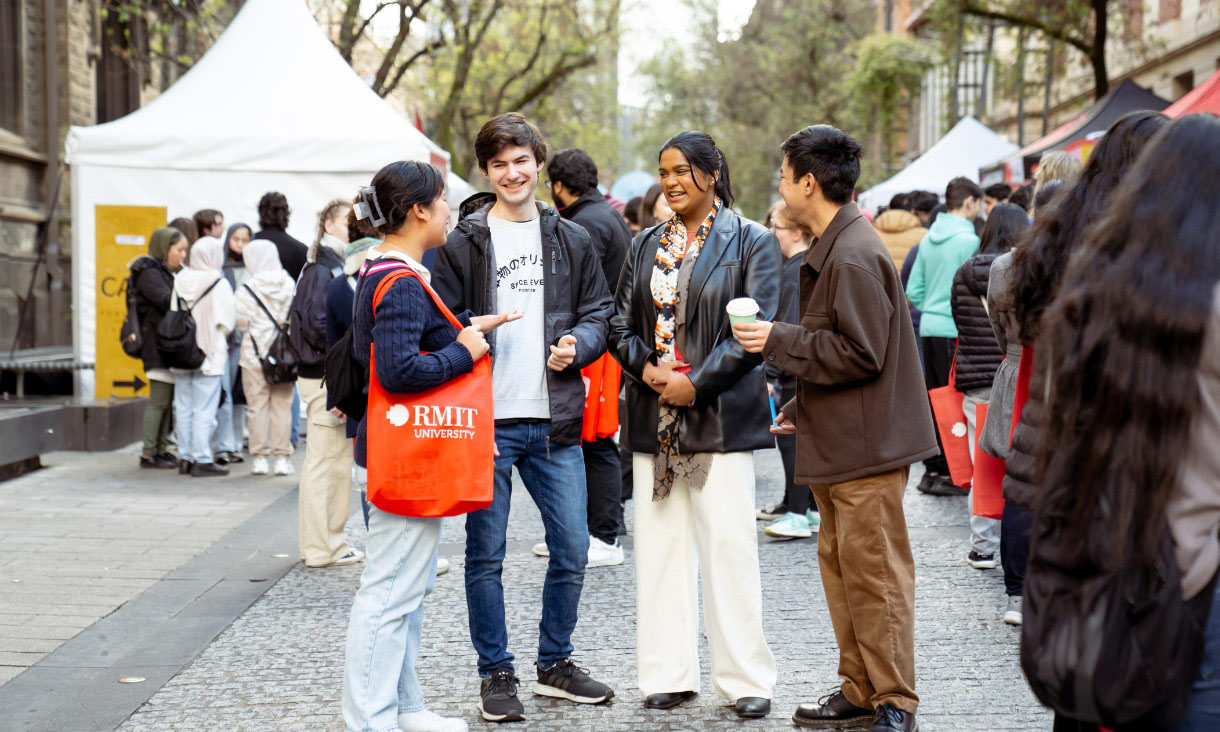
Each course has its own academic and English language entry requirements, and sometimes selection tasks as well. These may include:
If you haven’t met the entry criteria for your course, there are pathways to help you build the skills and qualifications you need. Explore RMIT pathways for more details, or consider Foundation Studies.
You can apply directly to RMIT or with support from an RMIT-authorised agent. Some applicants may be required to pay an application fee, and are strongly encouraged to submit their applications through an authorised agent. At RMIT, we have a team of international advisers you can talk to.
All international students must have OSHC for the duration of their visa. You’ll need OSHC before you apply for your student visa. Some universities (including RMIT) provide this as part of the offer letter.
This process can take several weeks, so give yourself plenty of time.
You’ll need to receive your university offer before applying for a student visa. This process can take several weeks, so give yourself plenty of time.
To study in Australia, you need to apply for a student visa. You'll need to show:
If you’re applying to RMIT, learn more about the documents required.
Check visa details and processing times at immi.homeaffairs.gov.au.
If you’re under 18, you’ll also need to organise an approved welfare arrangement and parental consent.
Melbourne, home of RMIT, is known for its excellent public transport and walkable city centre, making it easy to live on a student budget. That said, budgets can vary widely from person to person, so let’s look at some actual numbers.
These vary by institution and course level. Here’s a rough guide:
Again, this is a rough estimate, but expect to spend around AU$30–45,000 per year on:
To gain a better understanding of how much money you’ll need for your personal situation, Study Australia provides a Cost of Living Calculator.
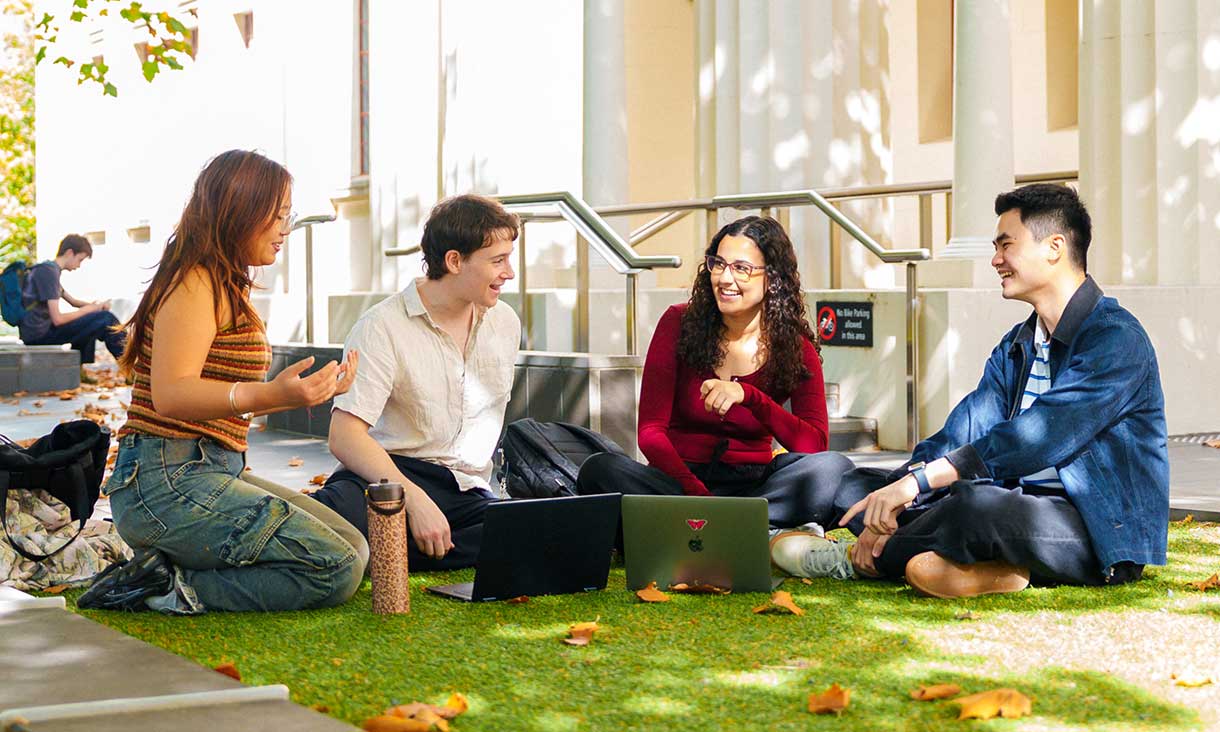
Studying in Australia is an investment in your future. Use our guide to tuition fees, everyday expenses and understanding working rights to help you plan ahead.
Many universities offer scholarships – RMIT awards more than 2000, worth millions of dollars every year. These include our international scholarships, which include English language bursaries as well as country-specific options such as our Future Leaders Scholarship (India and subcontinent), Academic Merit Scholarship for Africa and Pathway Scholarship for China.

RMIT offers a range of scholarships to commencing international students across all fields of study. Browse our scholarships and see what you could be eligible for.
From café culture to coastal weekends, studying in Australia offers more than lectures and workshops. Here’s what to expect when you’re living and learning down under.
Where you live can shape your whole experience. In Australia, you’ve got a few solid options:
Most universities, including RMIT, provide help finding accommodation, whether that’s through a dedicated portal, preferred housing providers or tenancy advice services.
If you’re under 18 years old, you’ll need to have welfare arrangements in place. This is to ensure you’re living in a secure environment with adequate practical and emotional support to keep you safe.
Australian cities are known for being clean, safe and easy to navigate. In places like Melbourne, public transport is reliable and student discounts are available on trams, trains and buses. You can also walk or cycle just about anywhere in the inner suburbs.
Safety is a priority on and off campus. Universities invest heavily in security services, wellbeing teams and support networks to make sure students feel safe and supported.
Pack layers. Australia’s climate varies widely by region, and Melbourne in particular is famous for its ‘four seasons in one day’. You’ll need both sunscreen and a hoodie (sometimes in the same hour).
Australia is proudly multicultural, which shows in the people, food, festivals and communities you’ll find on every campus and city corner. More than half of Melbourne’s residents were born overseas or have a parent who was.
You’ll have opportunities to celebrate and connect through cultural societies, student-run events and major public festivals such as Lunar New Year, Diwali, Eid, Melbourne International Film Festival, NAIDOC Week and more.
RMIT alone has thousands of international students from more than 100 countries. You’ll find language groups, faith-based support and region-specific communities ready to welcome you from day one.
Starting your studies in a new country is a big step, but you won’t have to do it alone. Most Australian universities offer:
RMIT’s international support services are easy to access and tailored to your study journey. Whether you need help with an essay, a visa or just want to talk to someone, we’re here for you.
Your student visa allows you to work up to 48 hours per fortnight during the semester (and full-time during holidays). Many students work in retail, hospitality, administration or internships related to their field.


You may be eligible for a Temporary Graduate Visa, as outlined by the Department of Home Affairs. This visa lets you stay in Australia to work for 2–4 years depending on your degree and stream. This is a strong pathway to gaining local work experience and exploring longer-term opportunities.
Start your journey as an international student at RMIT and find the right course for you – with the support, networks and career opportunities to match.


RMIT University acknowledges the people of the Woi wurrung and Boon wurrung language groups of the eastern Kulin Nation on whose unceded lands we conduct the business of the University. RMIT University respectfully acknowledges their Ancestors and Elders, past and present. RMIT also acknowledges the Traditional Custodians and their Ancestors of the lands and waters across Australia where we conduct our business - Artwork 'Sentient' by Hollie Johnson, Gunaikurnai and Monero Ngarigo.
Learn more about our commitment to Aboriginal and Torres Strait Islander peoples