

Prepare to arrive

Prepare to arrive

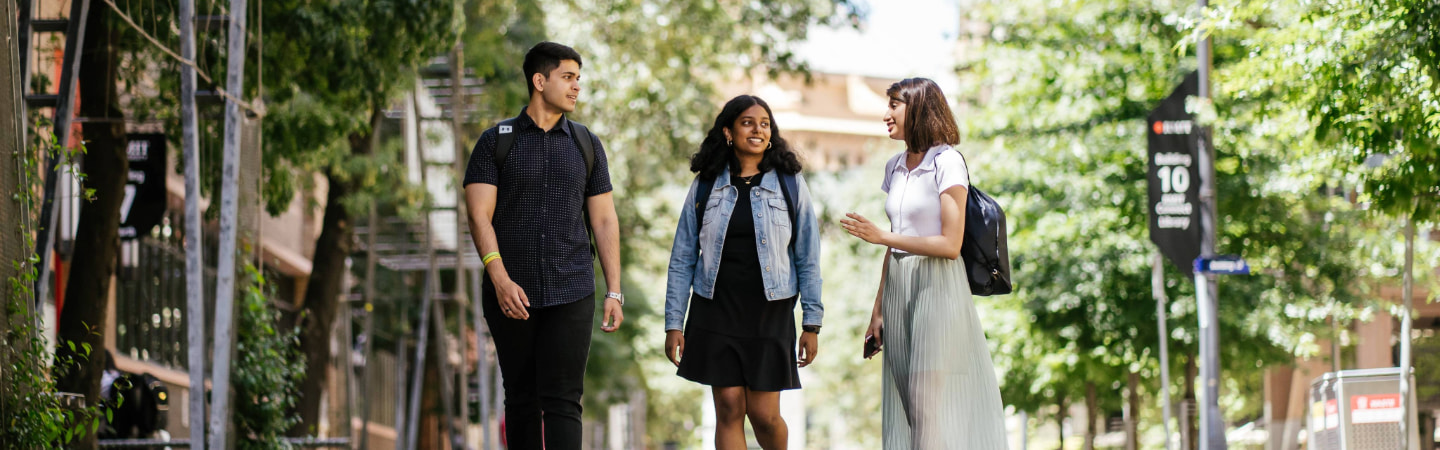
Three students walking along Bowen Street while talking

A quick guide to all the things you’ll need to organise before starting life as an international student at RMIT.

It's never too early to start planning your move to Melbourne! Here is our pre-departure checklist to get you started with your arrival plans.

Pre-departure checklist

Apply for your student visa

Before applying for your visa, you will need to have accepted your offer and received your Confirmation of Enrolment (CoE). After that, you can apply for your student visa. 

All international students must have a visa to study at RMIT. Visa arrangements may take anywhere from a few weeks to six months to finalise depending on the assessment level of your country and other requirements set out by the Australian Department of Home Affairs.

Complete your online enrolment

The enrolment process depends on what you will study, so your first step is to select the enrolment guide for your course. Each guide explains the steps to complete your online enrolment. 

You must enrol and arrive in Melbourne by the last date applicable for your studies to begin your studies.

We recommend that you enrol online as early as possible to secure your preferred classes and access your timetable in advance.

Attend a pre-departure event

Prepare for your move to Melbourne and settle confidently into life at RMIT by attending a pre-departure event, designed to support international students as they get ready to study at RMIT.

In these sessions, you'll get:

  • guidance on visas and your Confirmation of Enrolment (CoE)
  • step-by-step help with enrolment and timetabling so you know how to register for your classes
  • tips on airport pick-up, accommodation and campus life
  • an introduction to support services, clubs and activities
  • a chance to meet other students and ask questions directly to staff.

Register to attend

phnom-penh-thumbnail.jpg

Phnom Penh pre-departure briefing

Icon / Small / Calendar Created with Sketch. 17 Jan 2026
Icon / Small / Location Created with Sketch. Phnom Penh
rmit students and red background

Online pre-departure briefing

Icon / Small / Calendar Created with Sketch. 20 Jan 2026
Icon / Small / Location Created with Sketch. Online
ho-chi-minh-city-thumbnail.jpg

Ho Chi Minh City pre-departure briefing

Icon / Small / Calendar Created with Sketch. 24 Jan 2026
Icon / Small / Location Created with Sketch. Ho Chi Minh City
jakarta-thumbnail.jpg

Jakarta pre-departure briefing

Icon / Small / Calendar Created with Sketch. 24 Jan 2026
Icon / Small / Location Created with Sketch. Jakarta
kuala-lumpur-thumbnail.jpg

Kuala Lumpur pre-departure briefing

Icon / Small / Calendar Created with Sketch. 25 Jan 2026
Icon / Small / Location Created with Sketch. Kuala Lumpur

Plan your travel

You can book your flights to Melbourne once you’ve received your student visa.

Before you travel, check the Australian Government Deparment of Home Affairs for the latest border and entry requirements for international arrivals. This may include vaccination requirements, travel declarations, and other documentation needed to enter Australia. 

When you plan your arrival, allow enough time to settle in and attend any registration or welcome sessions before your studies begin.  

Finalise your accommodation

There are many affordable accommodation options for international students in Melbourne. 

You may want to consider temporary or short-term accommodation to explore Melbourne and your surroundings first and then find long-term housing arrangements that suits your needs and budget.  

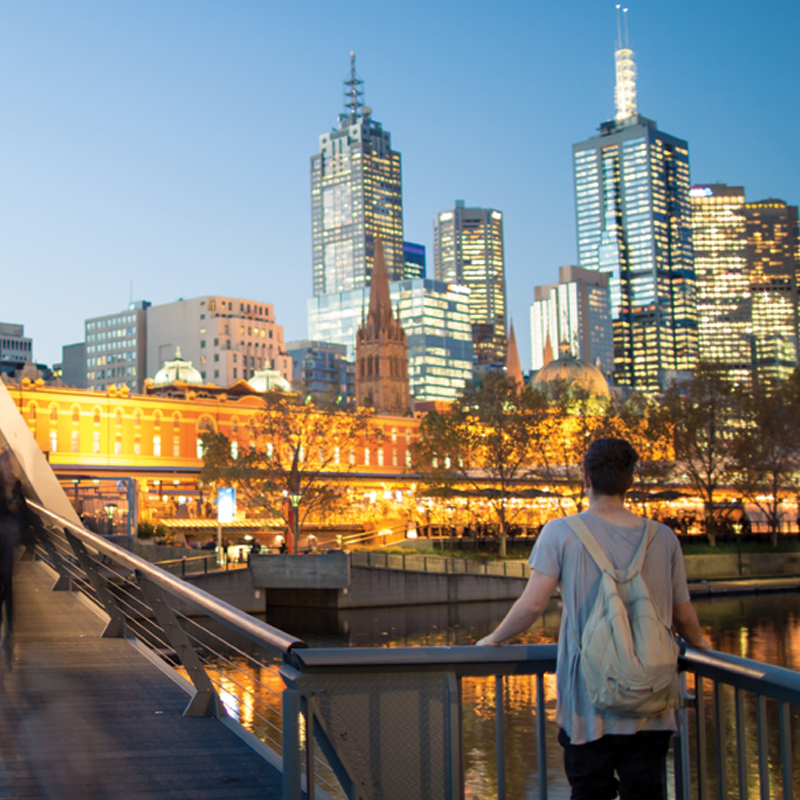
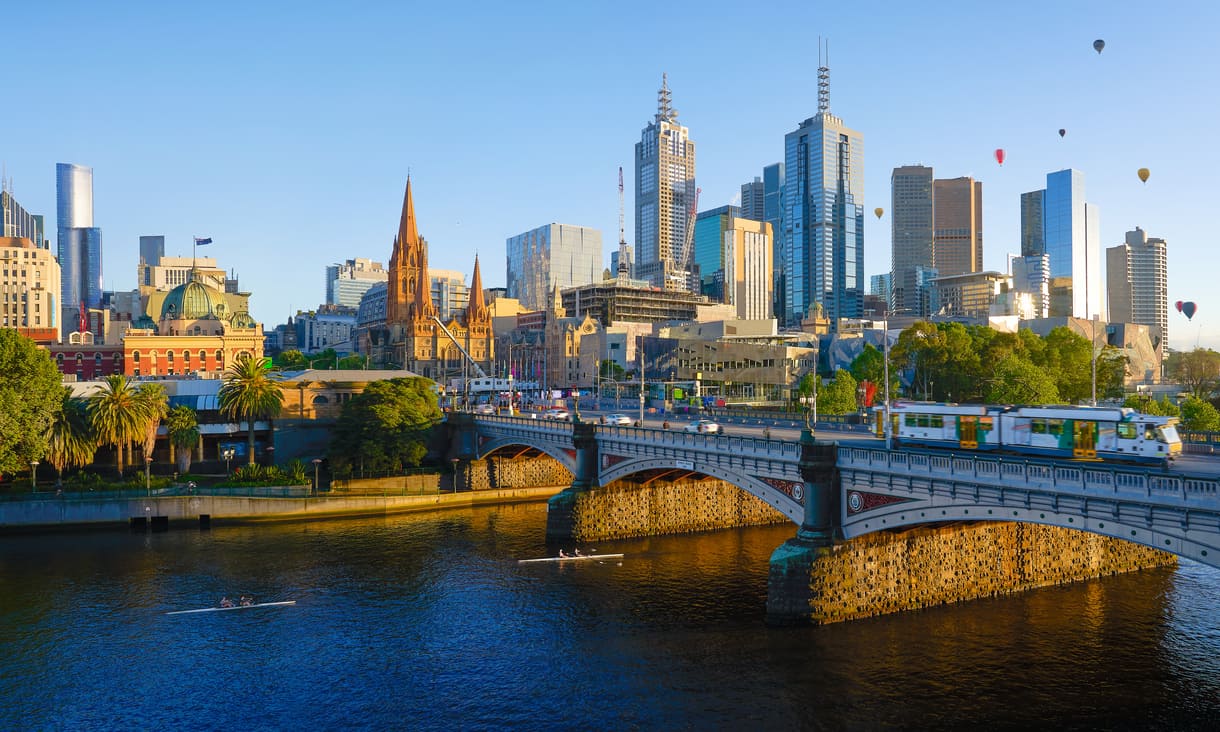
Image of Melbourne City over Princes Bridge

Plan your accommodation

RMIT provides free services and resources to help you find student housing, homestay, or rental options that will suit your budget and preferences.

Review our packing tips

Important documents

Don’t forget to pack your:

  • passport with at least six months validity
  • student visa
  • RMIT offer letter copy
  • acceptance letter copy
  • electronic Confirmation of Enrolment (eCoE) copy
  • driver's license copy
  • birth certificate copy
  • emergency contact details
  • accommodation reference
  • bank card
  • referral letter for treatment and medication from your doctor if you have a medical condition. 

Clothes and devices

Make sure to pack for all seasons as Melbourne is famous for having “four seasons in one day”.

  • Winter (June-August): bring warm jumpers, jackets, and covered/rainproof shoes for 14°C average cold and wet weather.
  • Summer (December-February): light clothing and sun protection for 25°C weather.
  • One formal outfit for events and interviews.
  • Spare glasses or contact lenses, if needed.
  • Mobile, laptop, and any personal devices for studies.
  • power adapter for Australian type I sockets.


Transport from the airport

RMIT is pleased to provide newly arriving international students with a one-off Cabcharge Digital Pass worth AU$100 for transport from the airport to their accommodation. 

If you are under 18 years of age please visit the Information for international students under 18 page.

Before you apply for your Cabcharge Digital Pass

You must:

  • accept your RMIT offer
  • have received your CoE
  • book your flight to Melbourne
  • secure your accommodation
  • hold a valid student visa.

When to apply

You can apply for a Capcharge Digital Pass one month before your arrival date. Applications should be sent no later than 5 days before this date.

Cabcharge Digital Pass requests submitted with notice of less than 1 business day will not be processed.

After approval

  • Once your request is approved, the Cabcharge Digital Pass will be sent to your RMIT student email within three business days.
  • Save the Cabcharge Digital Pass to your Apple or Google wallet so it's ready to use with any taxi.
  • Do not add your Cabcharge Digital Pass to 13cabs or Silver Service booking app. 
  • If your trip costs more than AU$100, you’ll need to pay the difference, which can be paid by cash, debit or credit card.  
  • Students travelling together to the same address can also combine their Cabcharge Digital Passes to pay for the trip if the total is above AU$100.  

How to use your Cabcharge Digital Pass

Find the taxi rank at Melbourne Airport or Avalon Airport

Look for 'We proudly accept Cabcharge' stickers on the rear doors of the taxis

Show your Cabcharge Digital Pass before you get in

Finding a taxi

Find an authorised taxi at a designated airport taxi rank. Find out more about taxi ranks at Melbourne Airport and Avalon Airport.

Only get into a taxi that accepts the Cabcharge Digital Pass. If the driver refuses, you should wait for another taxi that accepts the pass.

Australian customs and laws

Social functions such as barbeques (BBQs), dinners or parties are common and can be held in homes, parks or restaurants. Invitations may say BYO (bring your own), which usually means bring your own drinks or sometimes meat for a BBQ.

When eating out with a group, it's common for everyone to split the bill equally. Tipping is not compulsory or expected, but you can tip if you feel that the service was excellent.

It is not rude to say 'no' if you don't want to do something. For example, if you have been invited to go somewhere that you do not want or cannot go to, you can say: "Thank you for the invite but I won't be able to make it". You should also never feel pressured to drink alcohol, take drugs, or engage in anything you don’t want to get involved in.

In formal situations, people usually shake hands when greeting each other. Australians often introduce themselves by the name they prefer. Most people, including teachers and lecturers, usually prefer to be called by their first (given) name.

When you meet someone for the first time, avoid topics such as politics, relationships, sex, religion or financial income. These are personal topics that a person may not want to share with a stranger. Topics that are okay to discuss with new people include sports films, music, hobbies, and the weather. 

Always say 'please' when you ask for something and 'thank you' when you receive something. You should also say 'excuse me' when you want to get someones attention, pass someone or exit a conversation.

Women and men are equal in Australia. Women may discuss a variety of topics openly and should be respected the same way as men. 

Australians form queues (lines) when they wait to purchase something or use a service such as a bus or tram. It is considered impolite to push in front of someone who was waiting before you.

People also value their personal space, so you should not stand too close when you wait behind someone or talk to someone.

Being on time is important in Australia, so make sure you check the meeting time and location ahead to plan your travel.

If you will be late, contact the person that you are meeting. 

If you are late for a doctor or dentist appointment, you may still be charged a fee. 

When you are in Australia, you must follow federal and state laws. Some specific rules include:

  • Bribery is illegal and not accepted.
  • Public behaviour: swearing, spitting, or excessive noise in residential areas at night (10pm-7am) is not allowed.
  • Crossing roads: always use crosswalks or crossing lights to cross the road. You can be fined for jaywalking, especially in the city. 
  • Littering: never throw rubbish on the ground. Use bins or carry your rubbish until it can be put in a bin. You can be fined for throwing rubbish on the ground. 
  • Smoking is prohibited on public transport and in public venues (restaurants, bars, cinemas, etc.) and you can be fined. Smoking is also banned on all RMIT campuses. If you are at someone's home, it is polite to excuse yourself and smoke outside.
  • Discrimination based on race, gender, sexual orientation, disability, social, political or religious beliefs is illegal.
  • Racial vilification (slandering or defaming someone on racial grounds) is also against the law.

Access student support after you arrive in Melbourne

Students sit on the ground and chat at the City Campus.

Get ready for your first semester

After enrolment, you can complete a few simple tasks before you start your studies that can make your transition to university smoother. 

aboriginal flag float-start torres strait flag float-start

Acknowledgement of Country

RMIT University acknowledges the people of the Woi wurrung and Boon wurrung language groups of the eastern Kulin Nation on whose unceded lands we conduct the business of the University. RMIT University respectfully acknowledges their Ancestors and Elders, past and present. RMIT also acknowledges the Traditional Custodians and their Ancestors of the lands and waters across Australia where we conduct our business - Artwork 'Sentient' by Hollie Johnson, Gunaikurnai and Monero Ngarigo.

More information