TEXT ON SCREEN: Applying for art and design courses. Advice for preparing folios and pre-selection kits to help make the process easier.
MUSIC: electronic beat with a building tempo.
VISUAL: Interior Design Student, Maddy Davidson stands in front of an art-covered wall. She talks to an off-screen interviewer.
MADDY DAVIDSON SPEAKS: When I applied, I applied for every course that I could possibly apply for in Melbourne. i checked VTAC, I checked it daily.
VISUAL: A close up of a VTAC Guide dissolves into an interview with another student. Landscape Architecture student, Asa Kremmer talks to camera
ASA KREMMER SPEAKS: With VTAC when you’re applying, the deadlines are so important, so check the requirements.
VISUAL: Photo Imaging student, Billy Carr talks to camera.
BILLY CARR SPEAKS: To prepare for my course, my school didn’t offer photography as an option. I looked to a lot of YouTube videos and anything that would help to boost my skills so that by the time I got to the end of year 12 i was prepared for what I had to do at university.
VISUAL: Photo Imaging student, Eliza Mills talks to camera.
ELIZA MILLS SPEAKS: For my pre-selection kit I checked VTAC to make sure I knew exactly what I needed for my course and the interview for the teachers to get to know me and to enter a certain amount of images of my work.
VISUAL: Lecturer in Design, Jan Henry-Jones stands in a lecture theatre and talks to camera
JAN HENRY-JONES SPEAKS: It’s really critical to understand that there are many ways to get to where you want to be. If you don’t get in to the program you want to the first time round, if you apply broadly you’ve got choice.
TEXT ON SCREEN: Apply Broadly.
TEXT ON SCREEN: Attend Open day is overlayed next to the image of Philippa Murray, Lecturer in Interior Design.
PHILIPPA MURRAY SPEAKS: I would really also advise to attend the open day. That’s a really important moment where different programs open their doors up to prospective students, so it’s a really great way to get a sense of what each course is really like. So design courses for instance are really different across different across different organisations. By attending open day you’ll really start to understand those differences.
TEXT ON SCREEN: Understand the differences between courses.
VISUAL: Senior Lecturer in Landscape Architecture Craig Douglas talks to camera.
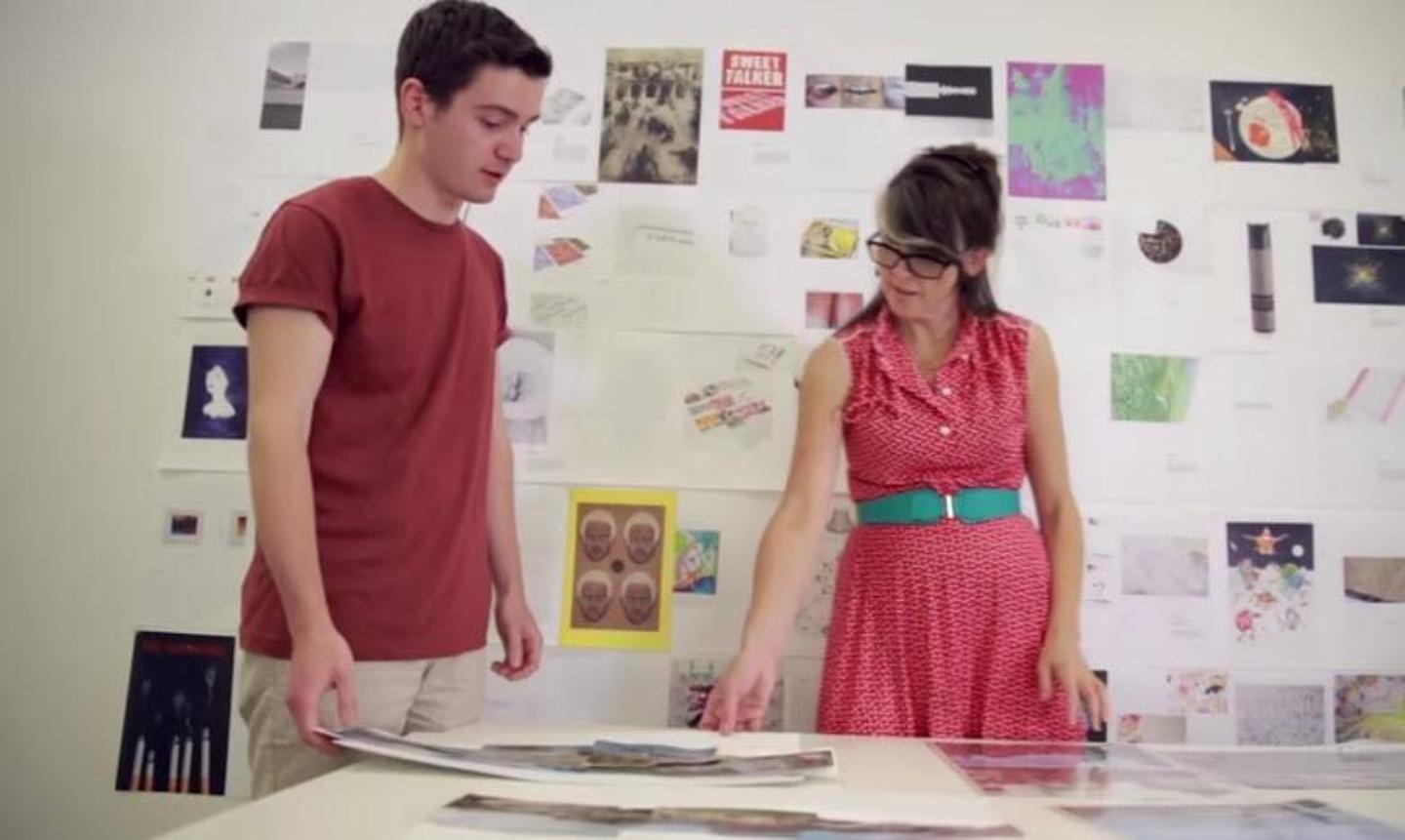
CRAIG DOUGLAS SPEAKS: I think the common mistakes with students presenting their works through follow is that they rely on the subjects that they have just covered in school. Now those subjects are important but we also want to see work that is important to you. So you know, your own hobbies your own interests, let that really shine through in your work. because that’s what’s going to set you apart from the others and really set you apart from others because we can see you’re engaged with the design community.
TEXT ON SCREEN: Include work from outside of school.
PHILLIPA MURRAY SPEAKS: When you’re putting your folio together, I think it’s really good to think about who you are, what you’re passionate about, what you’re interested in and then use that to assemble the kind of folio that best represents you.
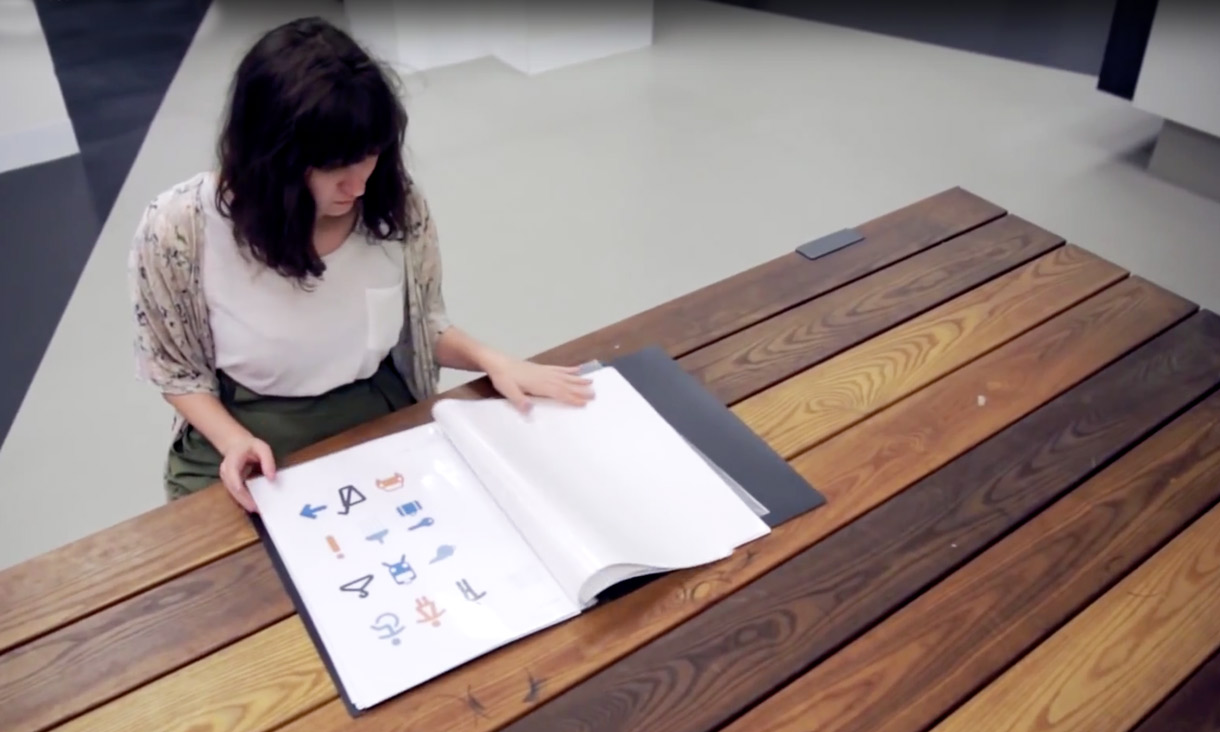
CRAIG SPEAKS: I think the best way to present a folio is to really communicate your own work, and that doesn’t mean a really expensive folder, or any of those kinds of formats, just present your own work in a really good way, keep simple, to the point, we want to see your work, we want to see what you’re interested in, we want to see your creative ability.
MUSIC: Inspiring piano music
VISUAL: The interview with Craig dissolves to a white screen.
TEXT ON SCREEN:
Check VTAC requirements and deadlines
Check the entry requirements - including minimum English scores
Give yourself options by applying broadly
If a folio is required, make sure it reflects your passions and interests
Keep you folio simple and follow directions.
[End of Transcript]