As part of RMIT’s We Belong – Beyond Accessibility initiative, the Metropolis art project engaged students and staff in a unique collaborative effort to create a public artwork, co-creation of signature artwork by Disabled artists Rachel Shugg with students. This art project is the third in a series of collaborations with RUSU for Art for Social Change program.
During Semester 2 Orientation, students were invited to ‘make their mark’ on Metropolis by participating in an interactive art experience. Suited up and armed with paint, students followed a map and navigated a series of obstacles, working together to track their experiences and contribute to the artwork. This collaborative journey allowed participants to reflect on their personal experiences while building a sense of connection with their peers. For d/Deaf and Disabled students it was a space of ‘Freedom’. For the wider student community, it was a challenge to try and follow a map that did not reflect the room. Finally, performer Caitlin Dear explored time and brought each stage together. Afterwards the students wrote reflections of their experience on a glass window nearby.
Rachel Shugg meticulously transformed the painted canvas into a beautiful, framed masterpiece. This process involved numerous hours of sewing and pleating fabric, turning the students’ contributions into a stunning public artwork. In early 2025 the final piece was unveiled, offering a powerful representation of the collective effort and shared identity of the RMIT community.
Through Metropolis, RMIT has fostered an environment of inclusion and accessibility, providing a platform for diverse voices to be heard and celebrated. The project highlights the importance of belonging and visibility, reinforcing RMIT’s commitment to sustainability, community engagement, and the ongoing support of students with diverse abilities.
This initiative was deeply engaging with belonging as a factor in social sustainability by bringing together students who are d/Deaf, Disabled and living with disability to build community on campus and celebrate disabled pride, lived experience, and freedom to move, and giving future allies an immersive and embodied experience of barriers, highlighting of the hidden costs of inaccessibility – social, physical and emotional. It raised awareness of this ‘next frontier’: sustainability in regard to people who are Deaf, Disabled and living with disability.
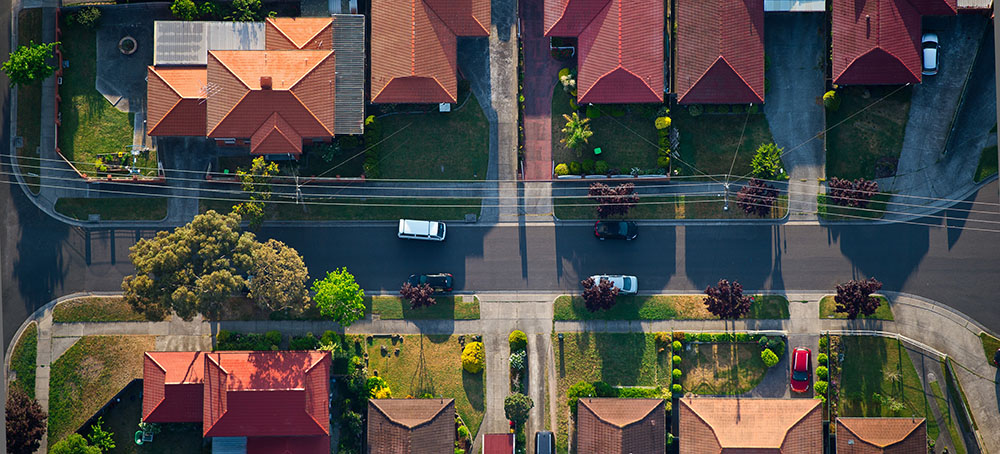
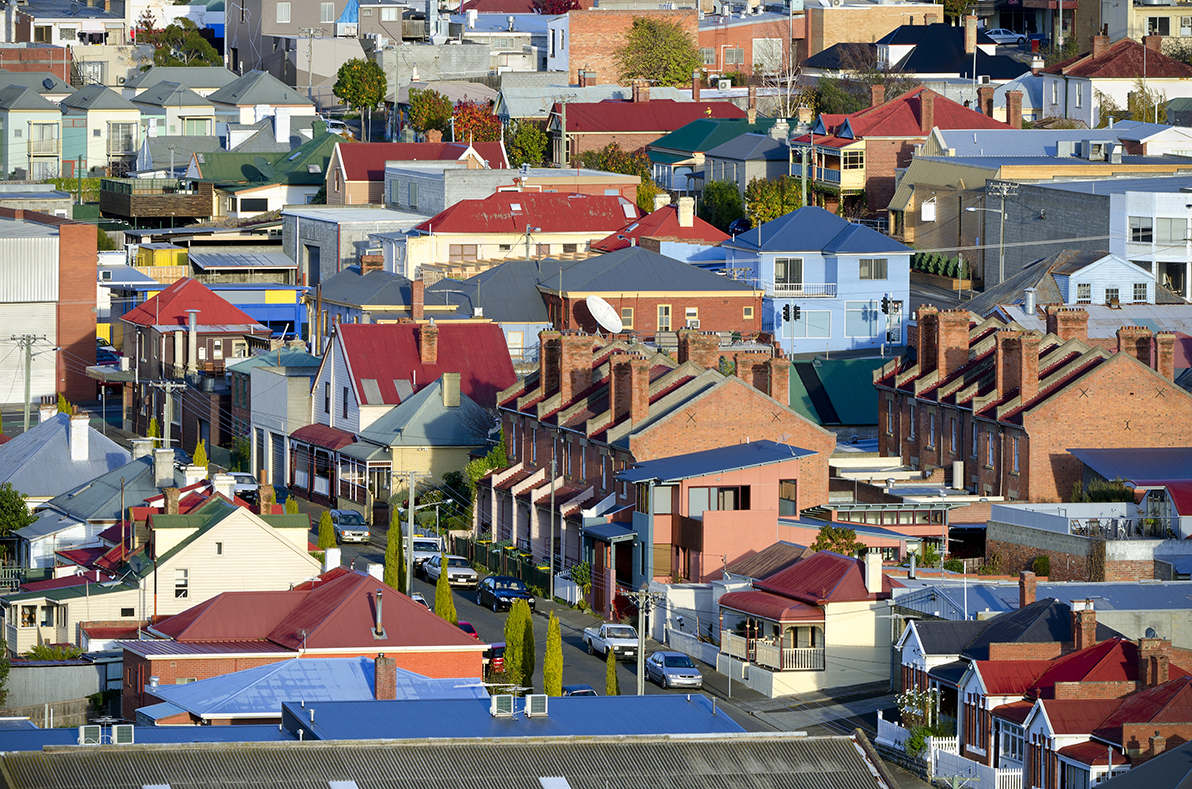
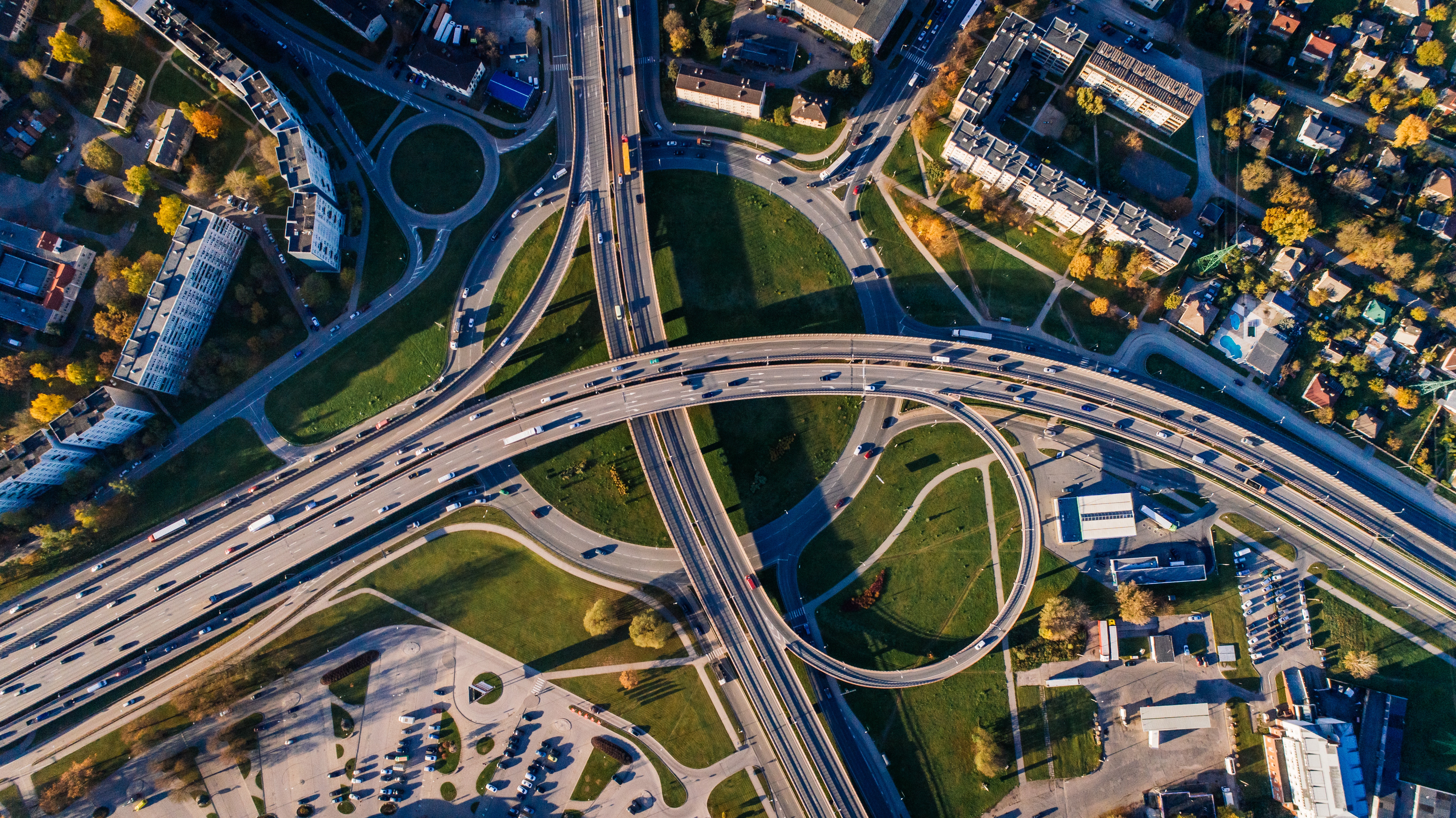
The work also drew from RMIT’s Sustainable Development Goals, relating to goals 3, 4, 10, 11 and 16 through exploring how our built urban fabric impacts Deaf and Disabled communities.