Goal 6 - Clean Water and Sanitation

RMIT University is committed to making a measurable impact on management of clean water and sanitation.

Across our campuses, we are focused on reducing water use intensity by prioritising efficiency, water harvesting, and reuse. Through dynamic partnerships with water authorities, governments, and non-governmental organisations, we work to advance research, education, and practical solutions for water conservation, pollution prevention, and securing resilient water systems for the future. 

Highlights of recent SDG 6 aligned activity are included below, with more information available in our 2024 Sustainability Annual Report (PDF 23 MB), with our 10 years of reporting progress outlined on the Sustainability Annual Report webpage.

Broader sustainability contributions are also highlighted in our organisational Annual Report, which are tabled in the Victorian Parliament.

2024 Case Studies

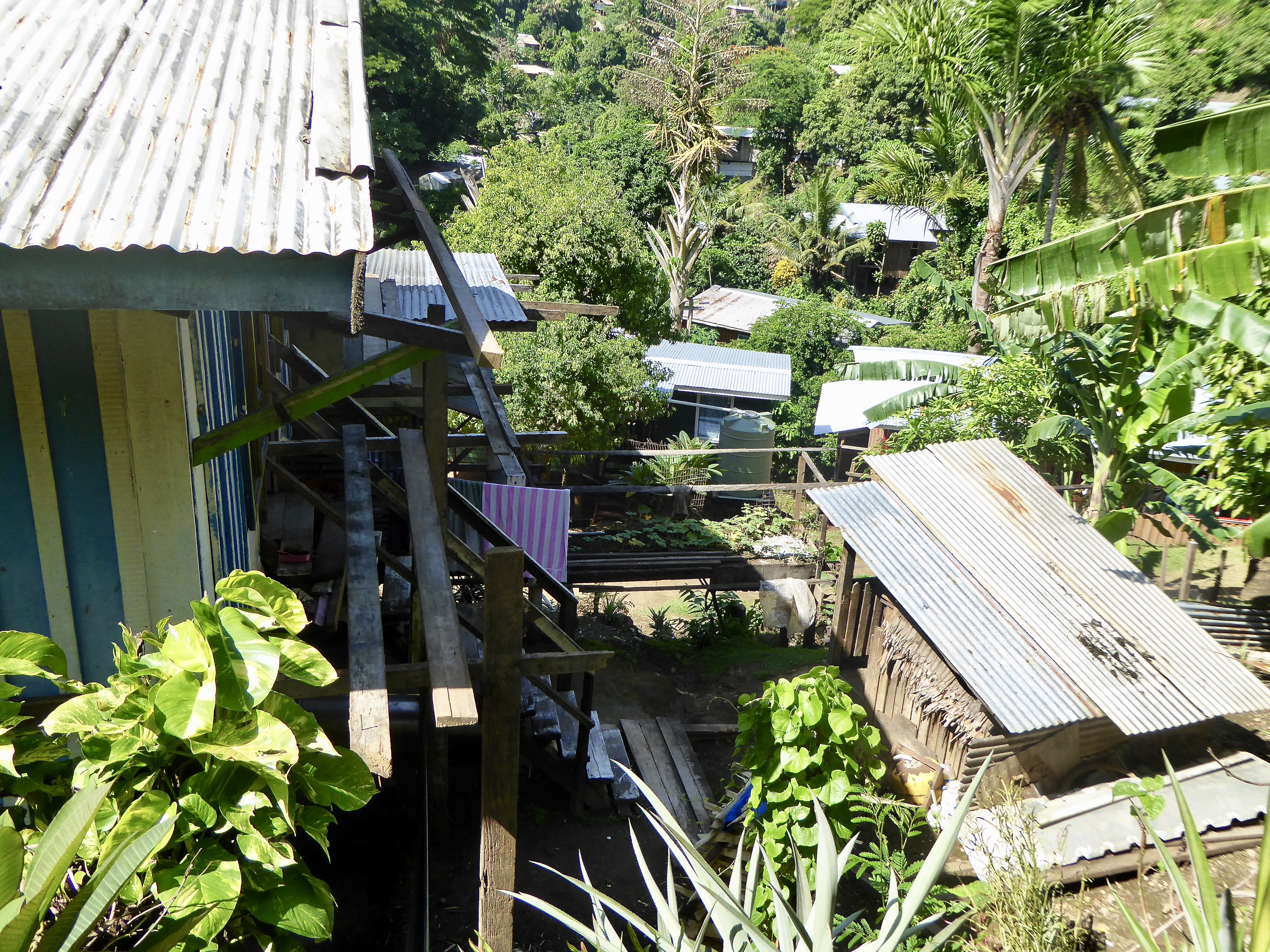
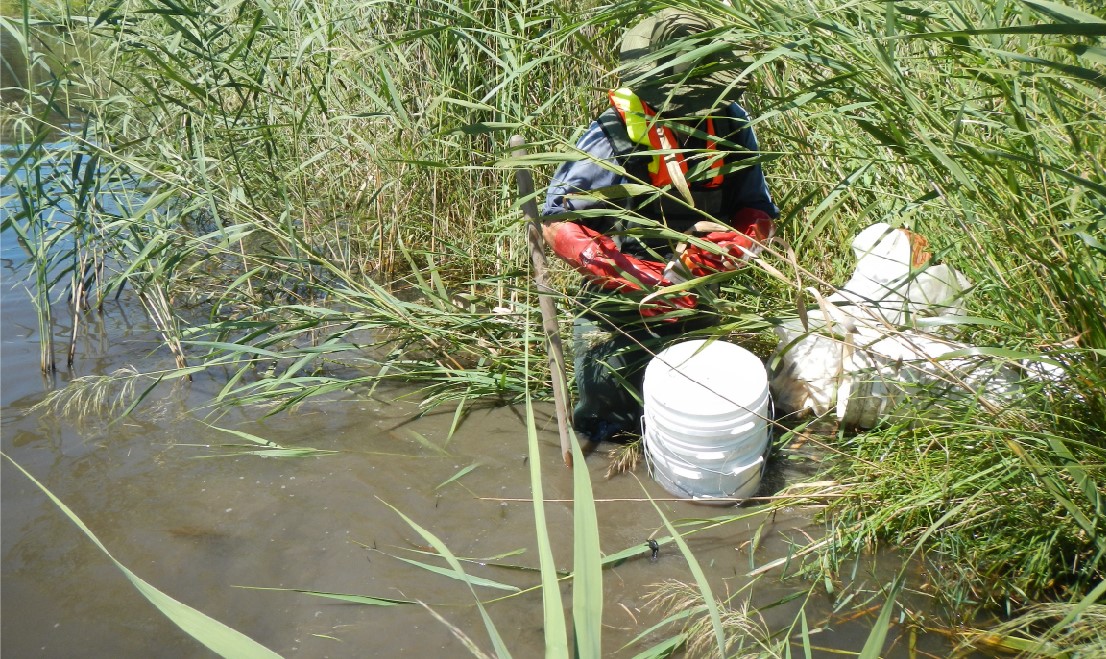
RMIT led an international team to develop nature-based water treatment solutions in urban areas of Vietnam, Sri Lanka, and the Philippines, addressing challenges from industrialisation, urbanisation, and climate change. 

The project, led by Professor Magdalena Plebanski, included constructing floating wetlands in Can Tho and Kandy, and creating green roofs in Ho Chi Minh City and a constructed wetland in the Philippines. 

Forty students from Can Tho University and 32 early career researchers participated in hands-on learning. The initiative aimed to remove water pollutants and enhance urban livability and resilience. RMIT collaborated with teams from the Philippines, Sri Lanka, and other countries to achieve this. 

The project also explored integrating nature-based practices in cities and developed guidelines for scaling these solutions. A follow-up project to engage more sites and develop further capacities has been proposed. The final report is published by the Asia-Pacific Network for Global Change Research.

New technology is nearing commercialisation, transforming waste into reusable goods for energy and agriculture. By using high temperatures without oxygen, the PYROCOTM pyrolysis technology produces biochar, a carbon-rich product useful in batteries and as a soil enhancer.

It processes materials such as treated sewage and organic waste, effectively removing harmful pathogens, PFAS, and microplastics.

RMIT, in collaboration with South East Water, Intelligent Water Networks, and Greater Western Water, has successfully trialled this technology at the Melton Recycled Water Plant. Project lead Professor Kalpit Shah from RMIT states, “The latest trials validated results of the first trials and showed further improvements.”

This breakthrough offers a promising step towards more efficient and environmentally friendly management of water and waste resources.

RMIT's Professor Oliver Jones, a leading authority in Chemistry and Deputy Director of the RMIT Water: Effective Technologies and Tools Research Centre, provided critical insights into Australia's newly released guidelines for per- and polyfluoroalkyl substances (PFAS) in drinking water. 

Recognised for his expertise in water safety, Professor Jones evaluated the National Health and Medical Research Council's (NHMRC) proposed thresholds for PFAS, noting sensible adjustments based on extensive existing data rather than new research.

Highlighting RMIT’s contribution to this field, Professor Jones explained the nature of PFAS, emphasising the misleading notion of them as "forever chemicals." He advocates for a science-based approach to understanding PFAS, countering public misconceptions fuelled by the media. 

With RMIT's commitment to evidence-based research, Professor Jones underscores the importance of sensible guideline setting, encouraging public engagement in the consultation process to ensure comprehensive water safety standards in Australia.

SDG Alignment Mapping Overview

As reported in the 2024 Sustainability Annual Report, there were 30 course units and 193 research projects aligned with SDG 6 in 2024, representing a wide range of clean water and sanitation related topics. 

Other research insights are captured in the data below.

  • Course Units (Total): 30
  • Research Projects (Total): 193
  • International Research Partnerships (Total): 30
  • Publications (Total): 97
  • Publications in Top 25% Journal Percentiles by SJR (%): RMIT - 84.4 vs. Global Average - 63.3
  • Citations per Publication: RMIT - 11.5 vs. Global Average - 2.6
  • Field-Weighted Citation Impact (FWCI): RMIT - 7.3 vs. Global Average - 1.3
  • National Publication Contribution (%): 4.1%
  • International Collaboration (%): RMIT - 57.7 vs. Global Average - 25.8
  • Developing Country Collaboration (%): 48%
  • Low to Lower-Middle Income Country Collaboration (%): 19%

Research Projects and Initiatives Over the Years

The following research projects have been specifically aligned to Sustainable Development Goal 6 and the aim to ensure availability and sustainable management of water and sanitation for all. These projects and initiatives are examples of the University’s contribution to the SDGs over the years.


aboriginal flag float-start torres strait flag float-start

Acknowledgement of Country

RMIT University acknowledges the people of the Woi wurrung and Boon wurrung language groups of the eastern Kulin Nation on whose unceded lands we conduct the business of the University. RMIT University respectfully acknowledges their Ancestors and Elders, past and present. RMIT also acknowledges the Traditional Custodians and their Ancestors of the lands and waters across Australia where we conduct our business - Artwork 'Sentient' by Hollie Johnson, Gunaikurnai and Monero Ngarigo.

More information