

Air connectivity and regional development
Examining route networks, accessibility, market links and the economic and social value of aviation, with particular attention to Australia, Asia and the South Pacific. Research explores how air connectivity contributes to regional economic development, tourism, trade, employment, investment and community accessibility. It considers changes in international and domestic routes, frequencies, seat capacity, airline participation and network structures, as well as the factors influencing the sustainability of regional air services. The research also investigates connectivity inequalities between metropolitan, regional, remote and island communities and develops evidence-based strategies to strengthen resilient and sustainable air links.

Airline strategy, competition and coopetition
Investigating competitive behaviour, alliances, partnerships, business models and coopetition strategies that influence airline performance and market development. Research examines how airlines balance competition and collaboration when making strategic decisions relating to networks, capacity, pricing, market entry, alliances, codeshare arrangements and resource sharing. Particular attention is given to full-service carriers, low-cost carriers and regional airlines, as well as the impact of market concentration, regulatory environments and changing competitive conditions. The research applies strategic management, economics and game-theoretical perspectives to understand airline behaviour and long-term competitive advantage.
Aviation digital transformation
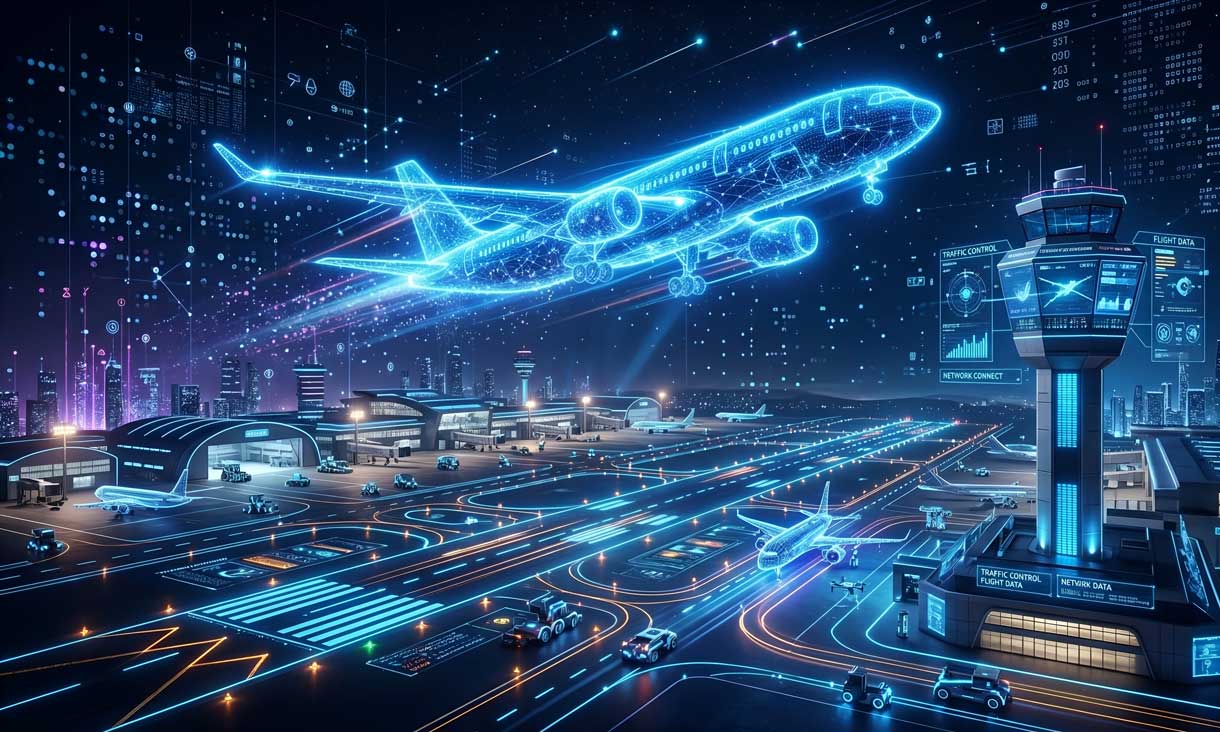
Exploring aviation strategy, planning, digital maturity, innovation and the use of emerging technologies to improve operations and passenger experience. Research investigates how artificial intelligence, automation, data analytics, digital platforms and other emerging technologies are transforming airline, airport and broader aviation management. It examines organisational readiness for digital transformation, technology adoption, investment priorities and the integration of digital capabilities into strategic and operational decision-making. Research also considers the opportunities, organisational challenges and workforce implications associated with aviation digitalisation.
Airline operations and performance
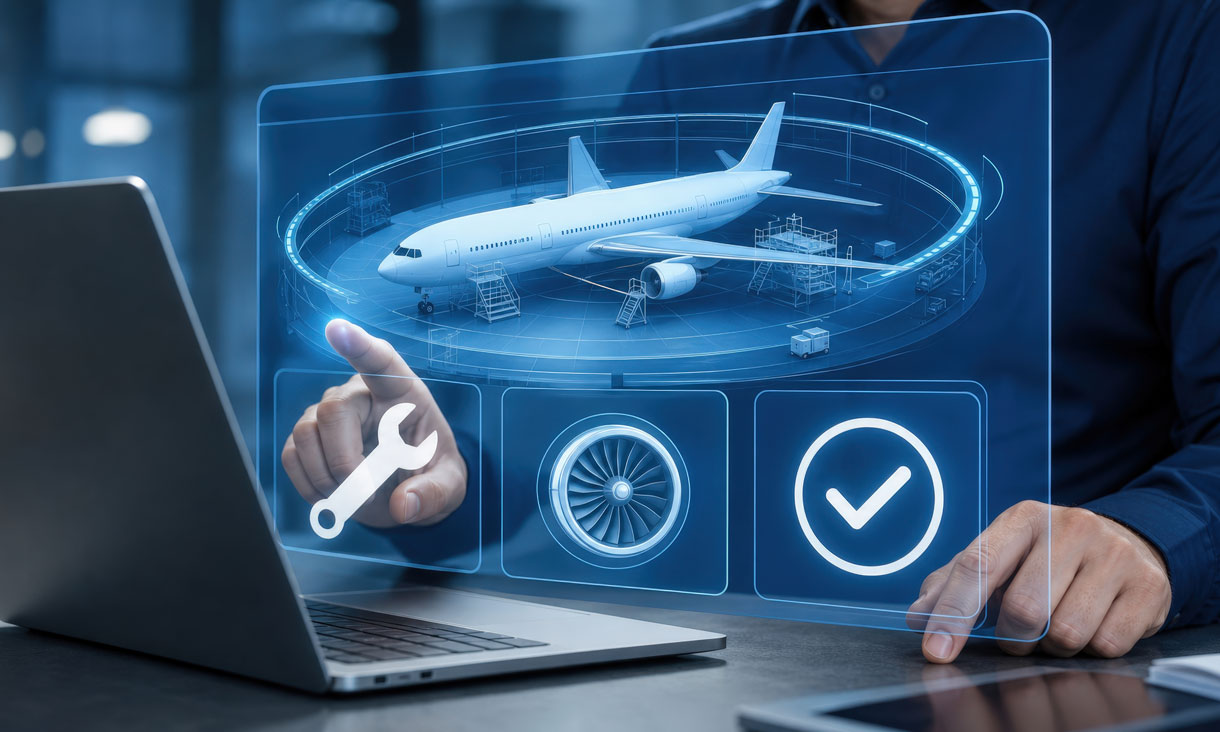
Analysing operational planning, passenger demand, capacity, service quality, productivity, resilience and financial and non-financial performance. Research examines airline network and schedule planning, fleet and capacity decisions, passenger demand forecasting, operational efficiency and service delivery. It evaluates airline performance using financial, operational, commercial and customer-related indicators and investigates relationships between operational decisions and business performance. Particular attention is given to disruption management, operational resilience, recovery strategies and the ability of airlines to adapt to changing market, economic and environmental conditions.

Inclusive aviation and workforce development
Advancing accessible aviation systems, inclusive education, neurodiversity, workforce capability and industry-integrated learning for the future aviation workforce. Research examines barriers to participation in aviation education and employment and investigates approaches for creating more accessible and inclusive learning and professional environments. It explores changing aviation workforce requirements, graduate capabilities, digital skills, professional competencies and emerging occupational needs. The research also promotes stronger university–industry collaboration, experiential learning and educational practices that prepare diverse graduates for the evolving needs of the global aviation sector.
Airline marketing and passenger behaviour
Studying segmentation, positioning, digital engagement, social media, passenger choice and changing expectations across airline markets. Research examines how airlines identify and communicate with different passenger segments, develop competitive market positions and use digital channels to build customer relationships. It investigates passenger decision-making, airline choice, willingness to pay, service expectations, loyalty and perceptions of airline brands. Particular attention is given to social media strategies, digital marketing, regional differences in online engagement and the influence of changing consumer behaviour on airline commercial and marketing strategies.
Airport digital maturity and transformation
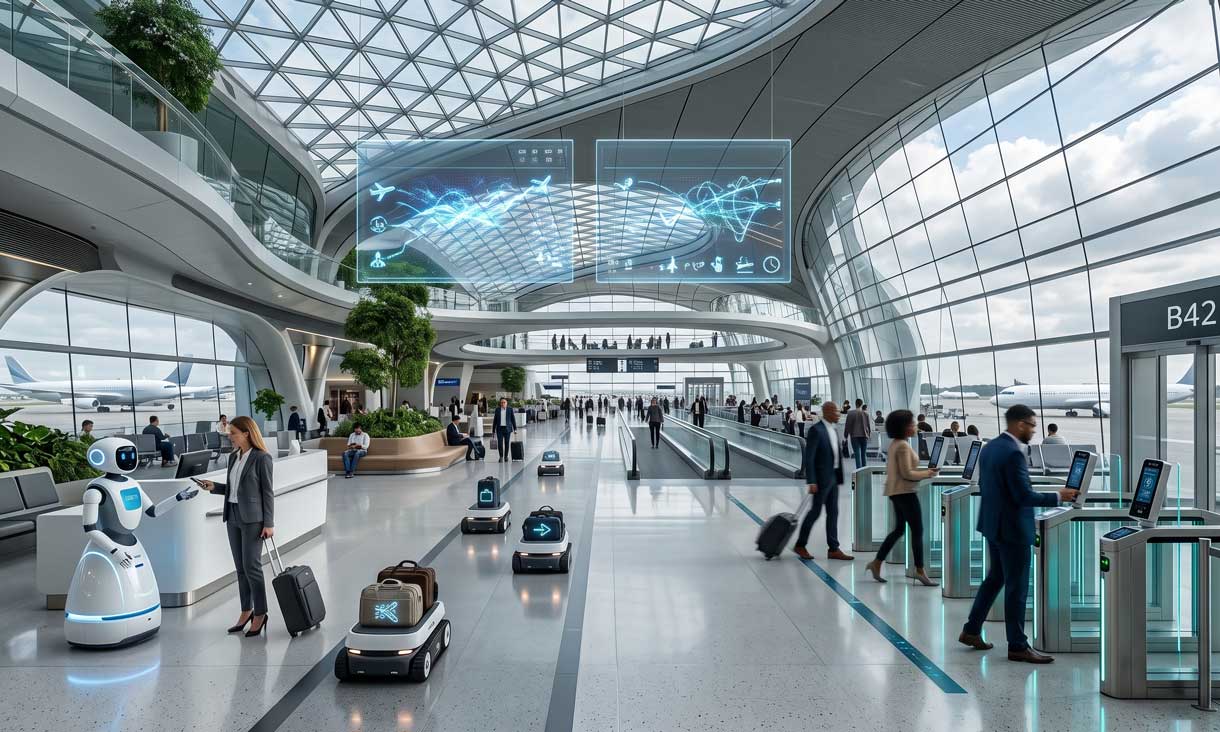
Research developing and applying approaches to assess airport digital maturity, identify transformation priorities and understand how digital capability supports operational performance, passenger experience and strategic decision-making. Research examines different dimensions of airport digital maturity, including digital strategy, governance, infrastructure, data management, technology integration, organisational capability and workforce readiness. It investigates how airports progress through different stages of digital transformation and how technologies such as artificial intelligence, automation, biometrics, Internet of Things and advanced analytics can support airport operations. The research also considers the relationship between digital maturity, airport competitiveness, resilience, sustainability and passenger experience.