CMILP helps students delineate structures and construction work through immersion.
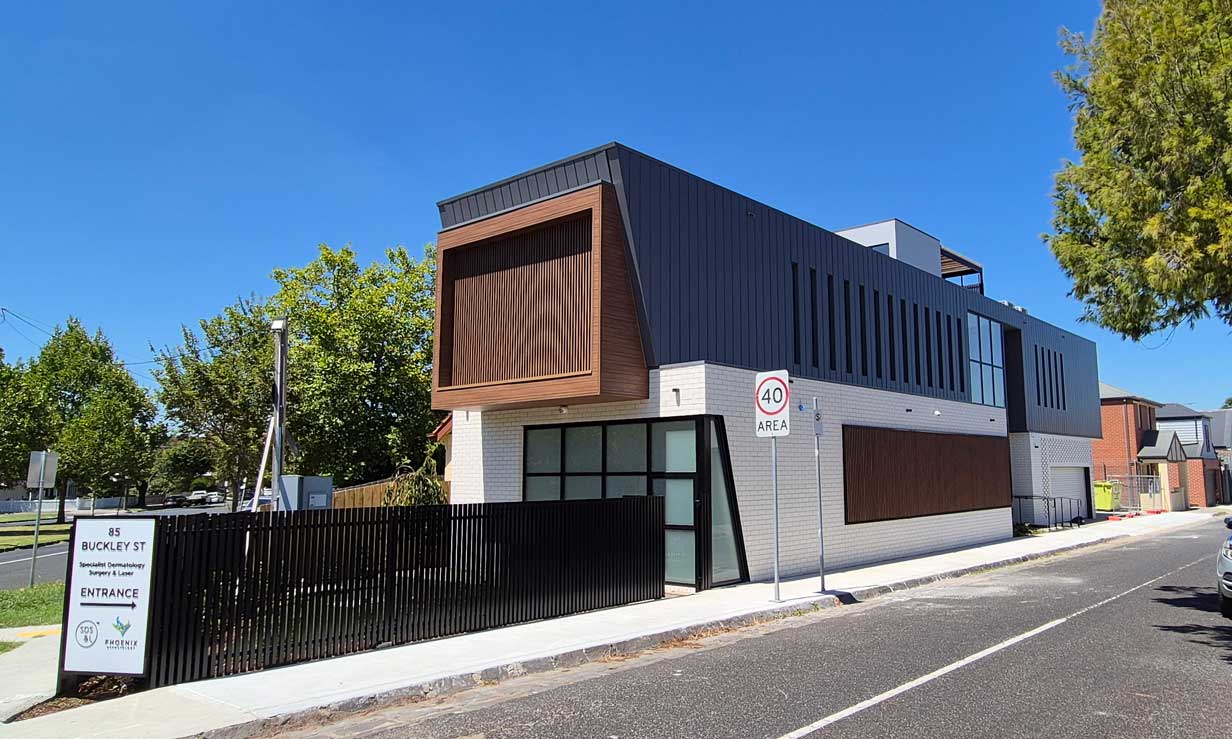
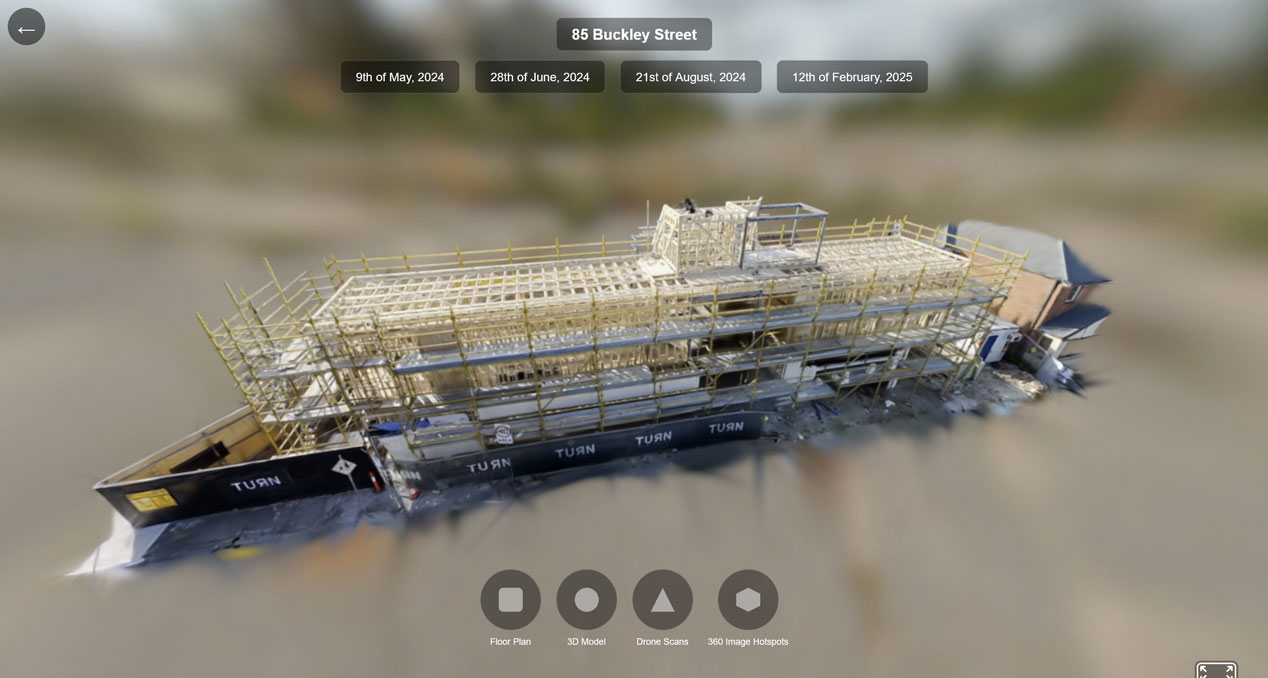
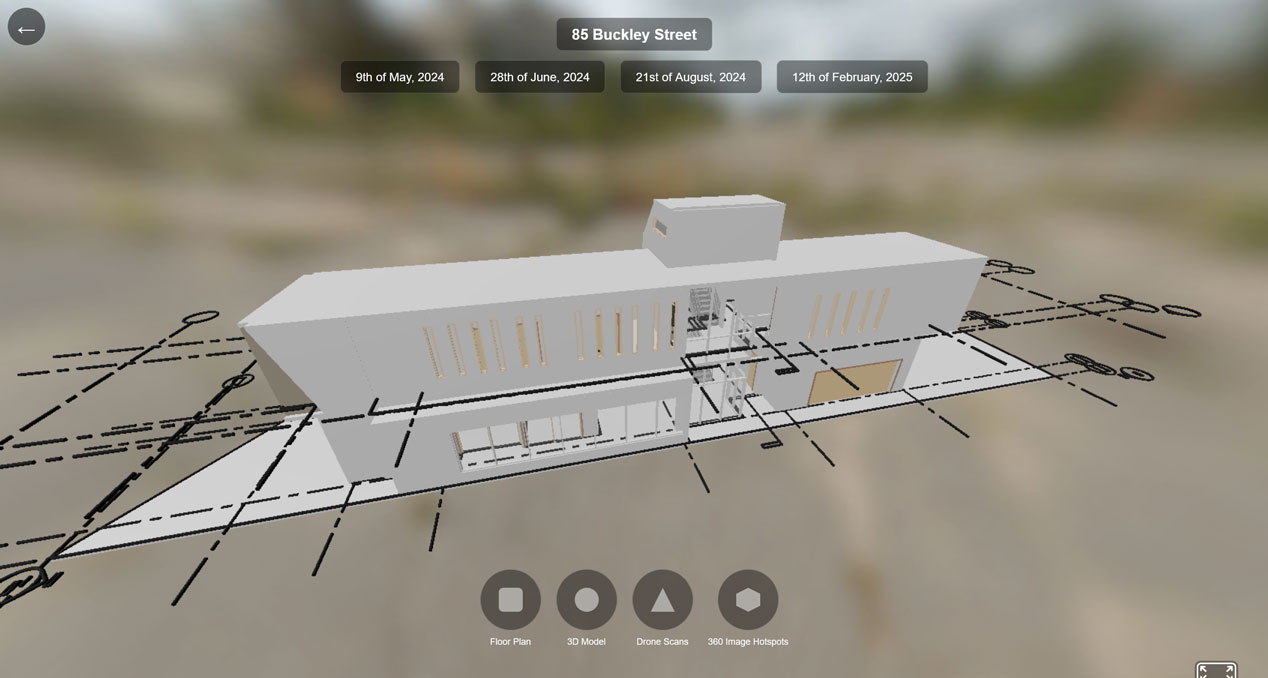
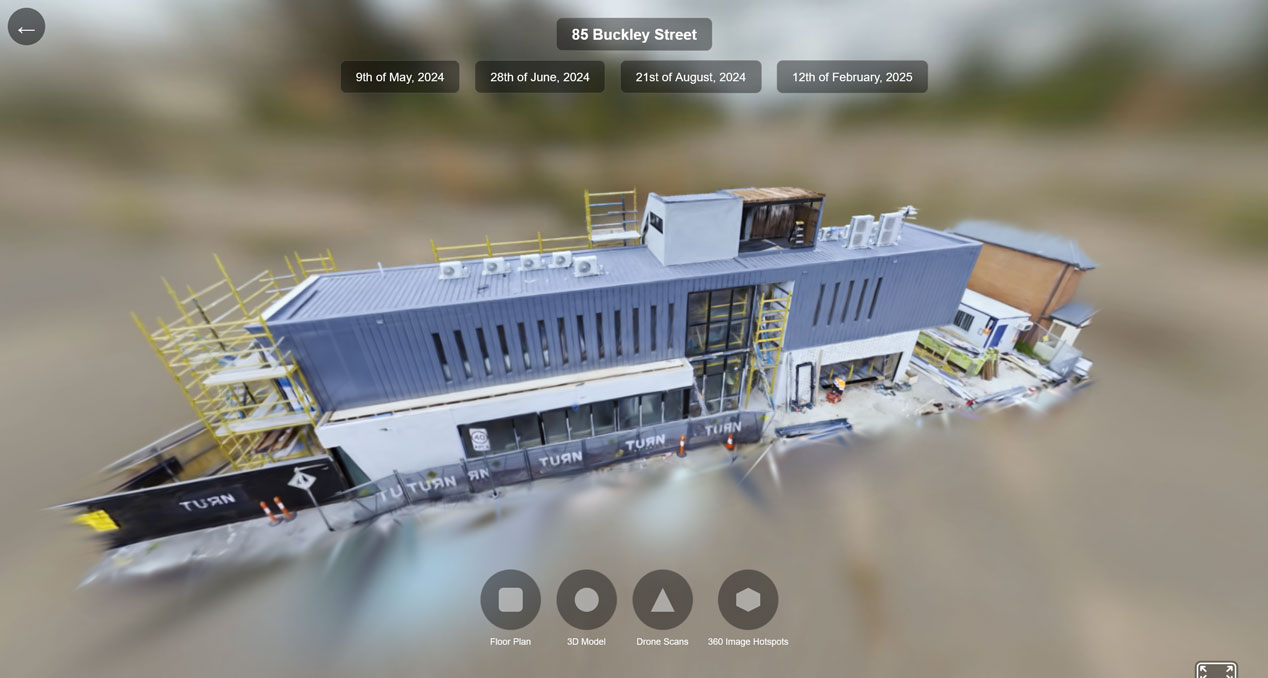
To read the full image descriptions, please click on the individual image above.
Construction students are not work-ready if they cannot apply building technologies in practice. Effective learning of building technologies stems from persistent practices in transforming information from construction drawings into appropriate responses in compliance with industry standards and government requirements. Nevertheless, students without relevant work experience usually encounter difficulties in delineating three-dimensional objects in construction sites through reading learning materials that are mainly two-dimensional drawings/pictures.
CMILP helps students delineate structures and construction work through immersion. It pushes the boundaries in innovative solutions that integrate BIM models, construction drawings, drone views, and VR pictures in 3D XR scenes to foster learning of building designs, technologies, operations, and compliance.
It was developed using the open-source A-Frame XR library to combine the 3D, 2D, and drone scan content. The drone scans were processed into a 3D Gaussian Splat to provide a high density, detailed, and performant solution for realistic immersion on mobile devices and VR headsets. All code used is open-source and does not rely on any third-party services to operate, providing the opportunity to easily build upon for flexible use-cases.
We sincerely appreciate the invaluable support from ICON and Turn Group in the development of CMILP.




