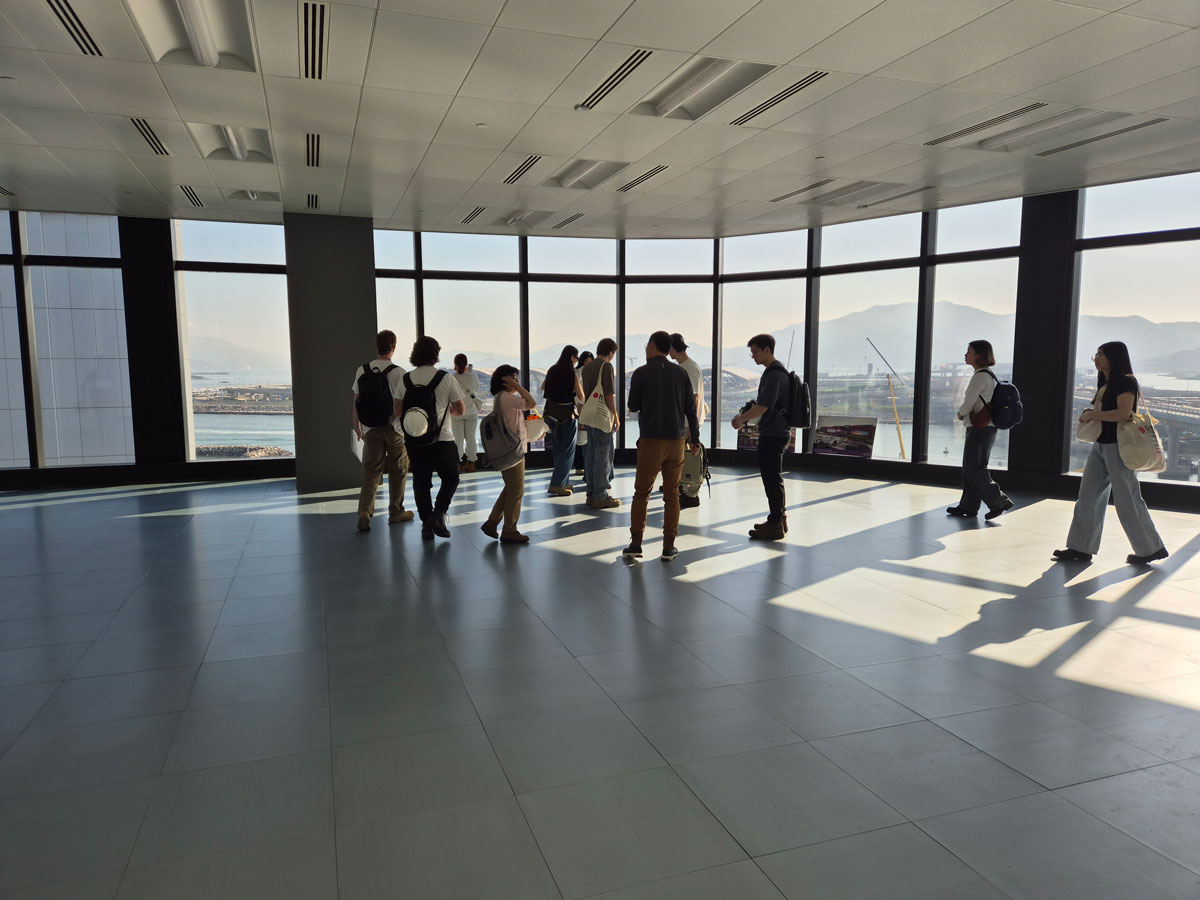
Global Built Environment Study Tour

A bi-annual event enabling students to contextualise the nature of Australian Built Environment businesses' practices within global Built Environment contexts.

To read the full image descriptions, please click on the individual image above.

Global Built Environment Study Tour (GBEST) is a bi-annual event enabling students to contextualise the nature of Australian Built Environment businesses' practices within global Built Environment contexts. GBEST 2024 focuses on volumetric modular construction and its sustainable practices.

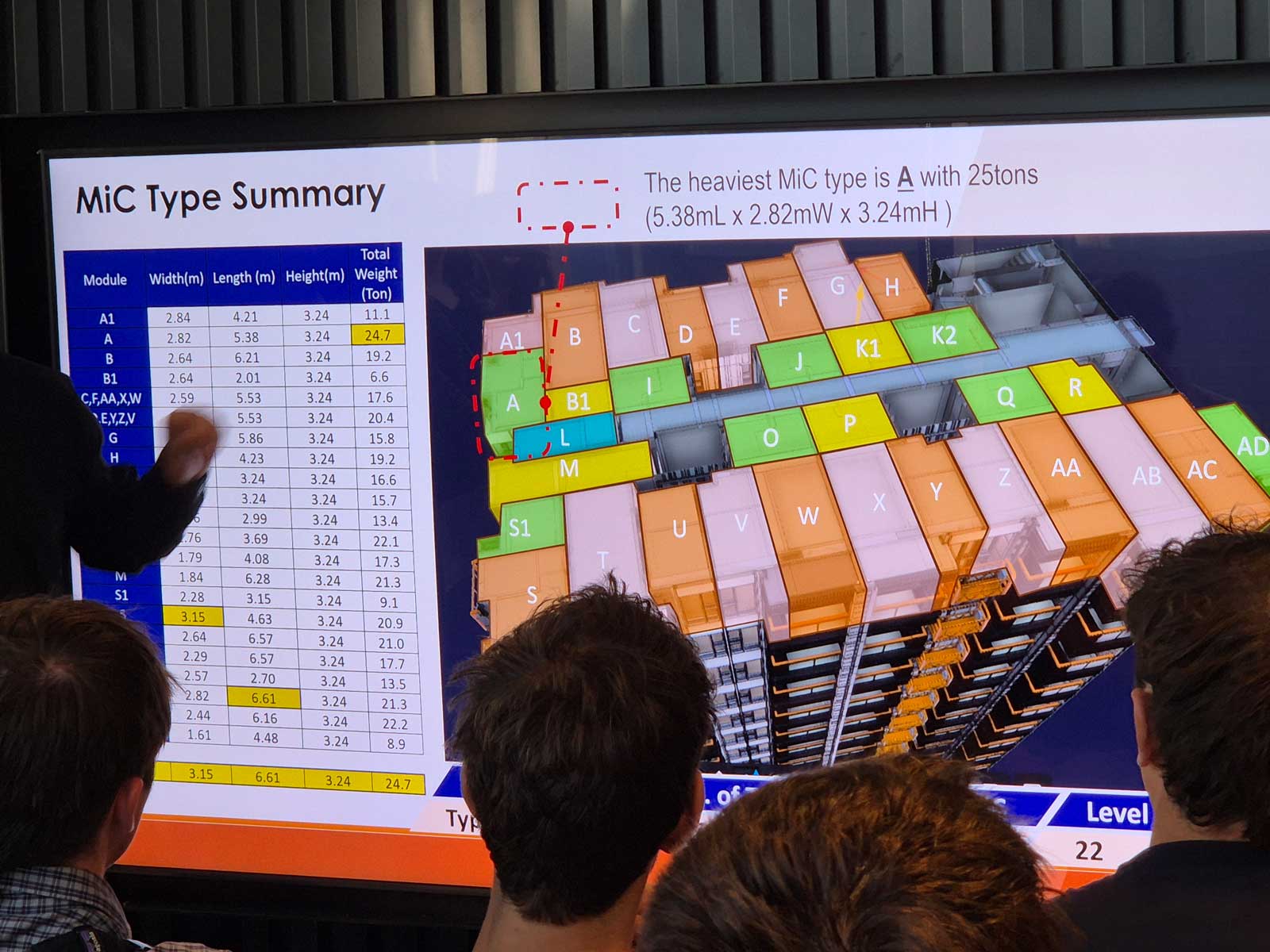
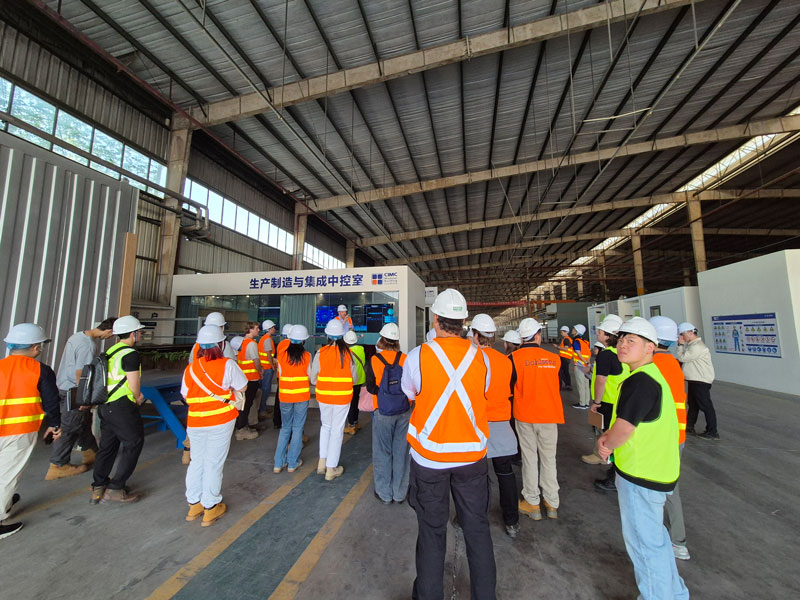
Students visited one of the world’s biggest Modulation Integrated Construction (MiC) factories - CIMC Industrial Park in China. This study tour also brought students to multiple technical site visits in Hong Kong and London with three main themes: advanced construction techniques and operations, sustainable urban renewal, and occupational health and safety.

Learning journey and reflections

A guided tour of the steel fabrication and module fit-out production lines, mock-ups, as well as the presentation of the delivery and assembly procedures, improves students’ understanding of the integrative approach in development approval, conceptual design, detailed design, fabrication, logistics, onsite installation, project management and finance services.

Students visited the Chinachem Project, a Modular in Construction (MiC) showcase, allowing them to explore this innovative construction method. This experience aligns with the Construction 4.0 mission, offering insights into how MiC can advance the industry.

Our students visited the 11Skies Development Project valued at HKD$20 billion an experience that would be rare in Australia. Students gained invaluable insights into construction technologies, procurement, contract administration, and program management. 

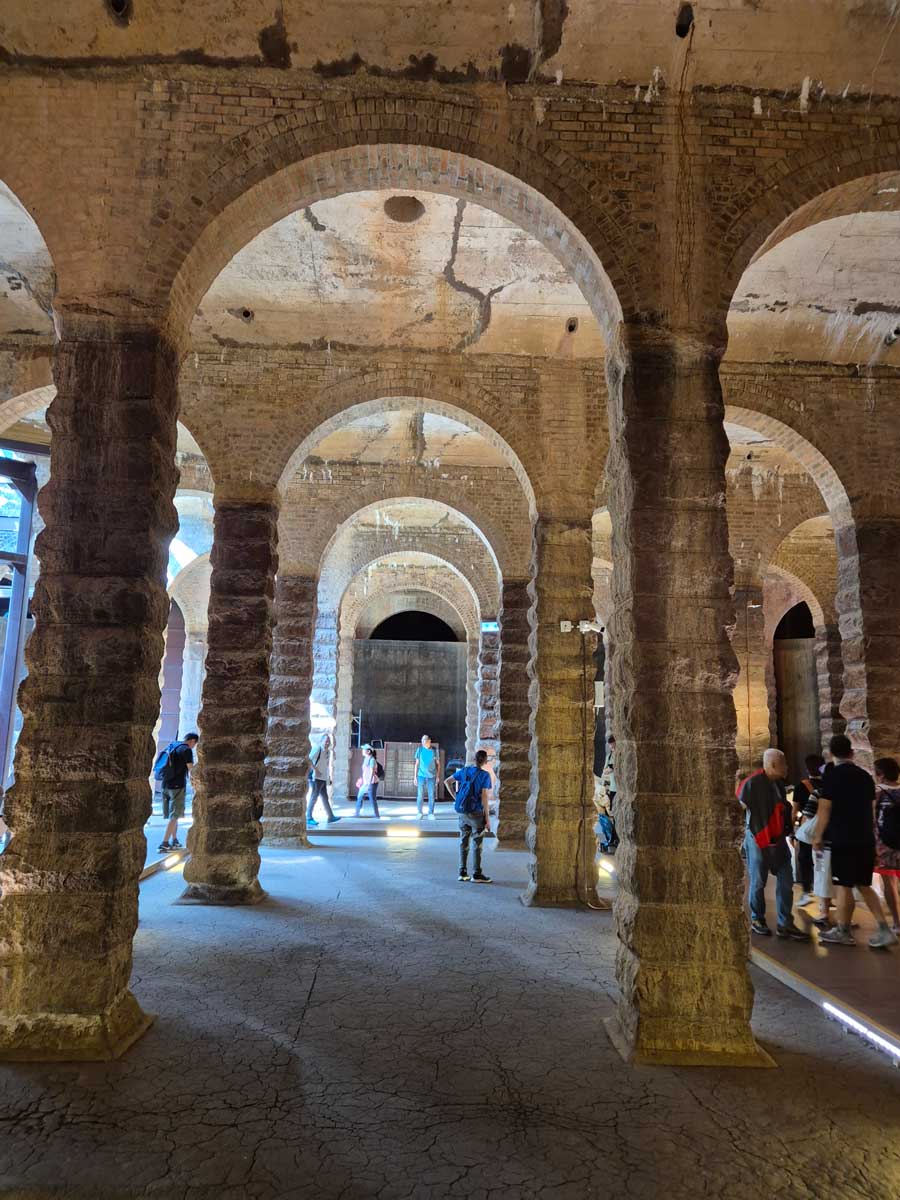
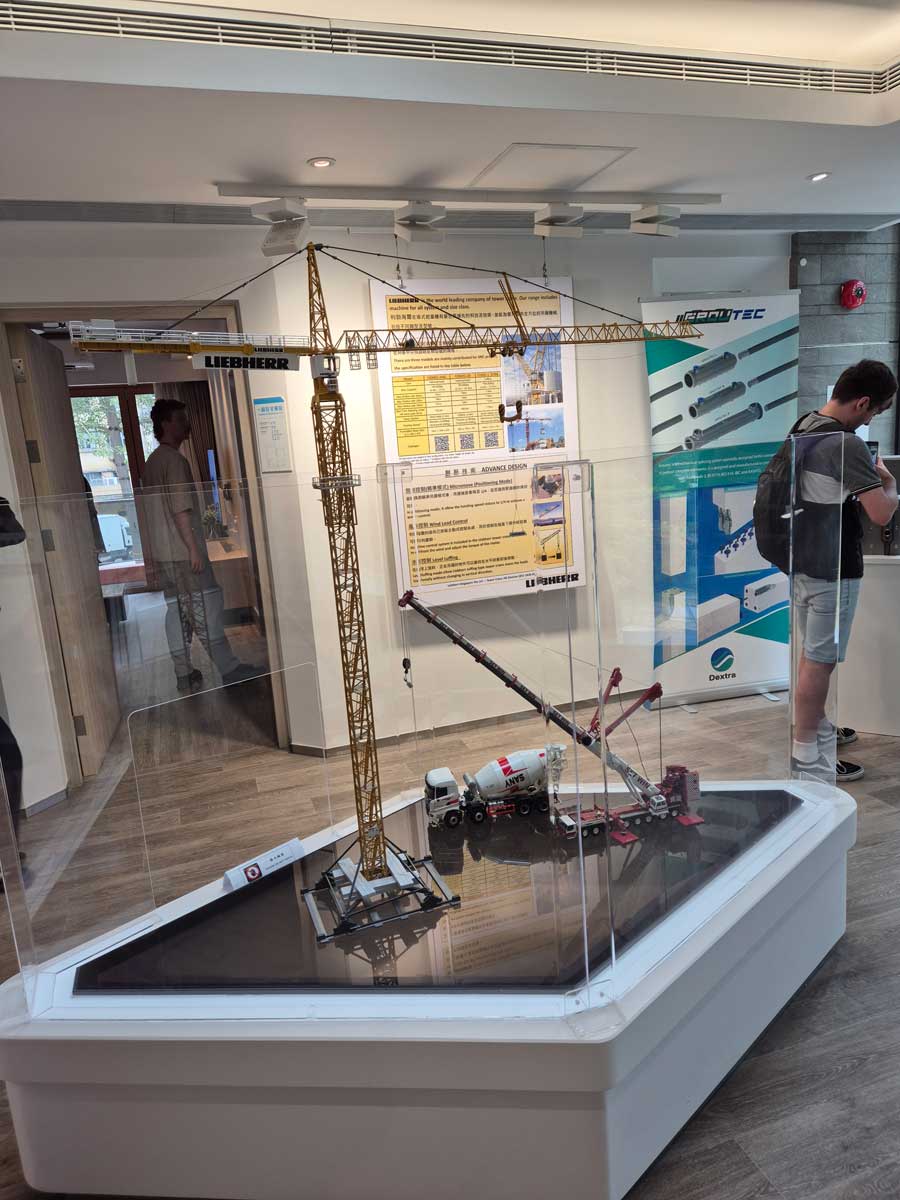
Students explored building technologies being adopted in Hong Kong, including safety wearables, solar panels, and different forms of DfMA and MiC techniques. We then visited the Ex-Sham Shui Po Service Reservoir and the Mei Ho House public housing museum to explore how high-rise development was first undertaken.

In London we visited two Berkeley Homes urban renewal sites:

  1. Royal Arsenal Riverside (RAR), a 30-year transformation project, and
  2. Plumstead—Lombard Square Project. 

These initiatives are revitalising derelict brownfield sites into vibrant, sustainable communities. Students gained valuable insights into UK planning requirements, passive district heating systems, public housing policies, build-to-rent models, carbon construction caps, and health and safety protocols. Students observed innovative construction features such as prefabricated bathroom pods, external façades, freestanding tower cranes, and blue/green roofs. The visit also highlighted the challenges of building to a 1-in-1,000-year flood standard and navigating excavation constraints, which necessitate the involvement of British heritage specialists and bomb disposal units.

In London we visited two Multiplex commercial development sites:

  • 50 Fenchurch St viewed from The Garden at 120 Fenchurch St., and
  • The Elephant and Castle Town Center.

Fenchurch St project showcased the site and highlighted the complexities of construction in the UK, including challenges posed by Roman remains and other unique constraints. Elephant and Castle project gained students an in-depth overview of the innovative “top-down-bottom-up” construction method. This method was contrasted with the more traditional “blue sky” approach in Australia, offering a fresh perspective on construction techniques. 

The event provided an exceptional opportunity to connect with UK construction management and surveying professionals while celebrating the festive season. The RMIT students thoroughly enjoyed the event, gaining valuable insights and making meaningful connections with industry experts.

Thank you, CIOB and RICS for the warm hospitality and for creating such a remarkable experience!

Student feedback

aboriginal flag float-starttorres strait flag float-start

Acknowledgement of Country

RMIT University acknowledges the people of the Woi wurrung and Boon wurrung language groups of the eastern Kulin Nation on whose unceded lands we conduct the business of the University. RMIT University respectfully acknowledges their Ancestors and Elders, past and present. RMIT also acknowledges the Traditional Custodians and their Ancestors of the lands and waters across Australia where we conduct our business - Artwork 'Sentient' by Hollie Johnson, Gunaikurnai and Monero Ngarigo.

Learn more about our commitment to Indigenous cultures


