
AQUEST Aquatic Environmental Stress Research Group

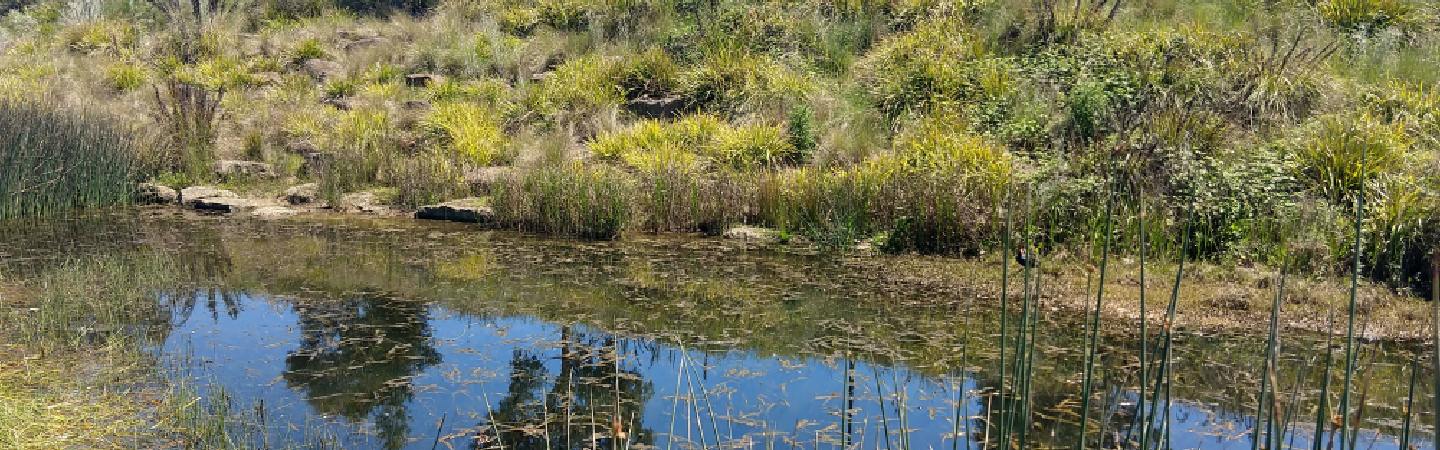
AQUEST The Aquatic Environmental Stress Research Group at RMIT are leaders in research on stressors and pollution in waterways and their catchments.

The Aquatic Environmental Stress (AQUEST) research group are leaders in research on stressors and pollution in waterways and their catchments, delivering science that supports the health of waterways, including wetlands, estuaries, rivers, and bays across urban and rural landscapes. The AQUEST team is a trusted collaborative research group with a strong history of providing science that informs waterway management, policies, decision-making, and practices to enhance waterway health, biodiversity, productivity, and environmental and industrial sustainability.

AQUEST Services:

  • Environmental assessment, including ecological impact analysis
  • Identification of key water pollution and stress issues
  • Sourcing priority pollutants and stressors
  • Development of cost-effective monitoring systems
  • Creation of strategies and programs for aquatic environmental improvement
  • Environmental flow management, incorporating fit-for-purpose water reuse and environmental benefits
  • Collaboration with communities, including traditional owners, industry, and government

AQUEST has a proven track record of influencing policy through collaboration with government agencies. Our recent research has informed improvements in the EPA State Environment Protection Policy, Yarra River Action Plan, Port Phillip Bay Environmental Management Plan, Victorian Water Sensitive Urban Design guidelines, and has contributed to filling knowledge gaps and setting direction in the Healthy Waterways Strategy.

We respect client confidentiality and welcome inquiries from the community, traditional owners, private sector, and government agencies.

Contact aquest@rmit.edu.au for further information.


New articles out!

Let’s rethink how we manage PFAS pollution in Australia.

Read this new article in The Conversation penned by Dr Bhavna Middha (ARC DECRA Senior Research Fellow at the Centre for Urban Research, RMIT University), Ralph Horne (Associate Deputy Vice Chancellor, Research at RMIT University) and our very own Vincent Pettigrove comparing the approach Australia is taking with PFAS regulation compared to the Europe proposal: 

Highlighting RMIT’s environmental science links between research and education read this article in COSMOS magazine. 

Partnerships and collaborations

Professor Vincent Pettigrove offers insights and cutting-edge technologies from his Australian projects to support local communities in building resilience against climate impacts.

AQUEST's own Prof Vincent Pettigrove making waves in Europe

While Vin is on a six-month secondment to RMIT Europe in Barcelona
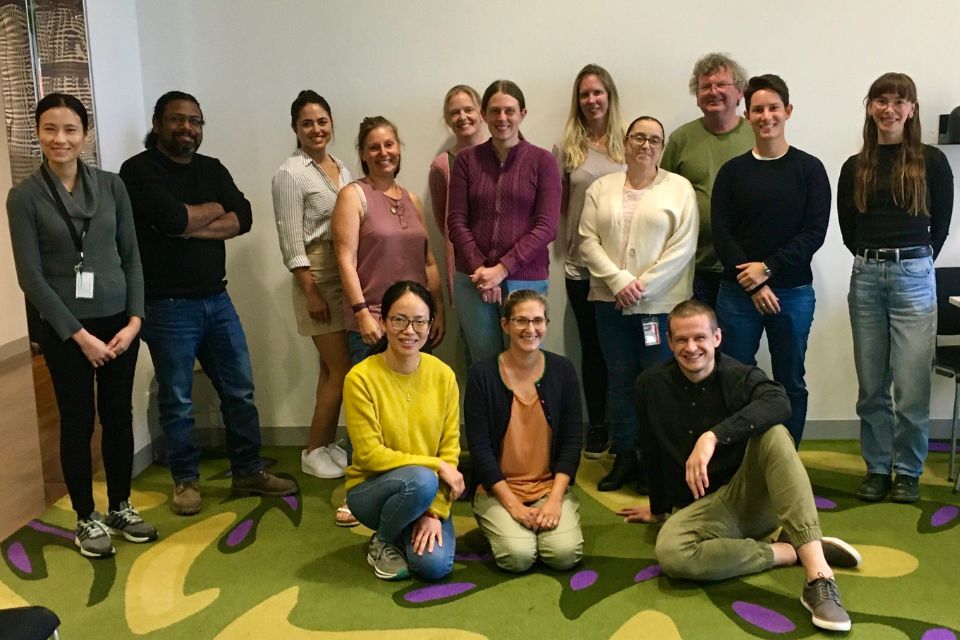
Dr Sara Long is very capably leading AQUEST. Working with our partners, delivering a range of project activities and outcomes, supporting staff and students.
Soon, Sara too will grow wings to present at SETAC Europe in Vienna, presenting research on revising the current Aluminium guideline thresholds and will see firsthand Vin's European endeavours. Drs Claudette Kellar and Jackie Myers will each step into the top job during this time, taking the opportunity to expand their leadership skills.

WAT,Waters logo black

The AQUEST research group at RMIT University have a long-standing collaborative relationship with the Australian Federal Government’s National Measurement Institute.

More than just a commercial laboratory arrangement, this collaboration has seen:

  • Research into micro-pollutant contamination across Australia
  • Development of unique screens for micro-pollutants to detect pollutants in water (exclusive arrangement) using Waters screens. This will benefit the environmental management industry once converted to commercial laboratory application
  • Major research contribution to the Aquatic Pollution Prevention Partnership (A3P) projects investigating Chemicals of Concern, Wetlands contamination
  • Joint supervision and successful completion of PhD projects combining on-ground knowledge and processes with technical excellence to develop specific micro-pollutant screening protocols and developing individual methods to detect specific types of micro-pollutants (e.g. fragrance/ musks)
  • Successful competitive grant applications e.g. Victorian Government Port Phillip Bay Fund partnering with other organisations to deliver a major project investigating micro-pollutants in 19 estuaries and near shore Port Phillip Bay
waterways-research-forum-banner-1440x450.jpg

Melbourne Water Waterways and Research Annual Forums | Healthy Waterways Strategy

See the latest waterway research from Melbourne Water research partners, featuring A3P. Information is also available in the individual project pages.


Find out more about the 2023 research forum

"AQUEST-A3P YouTube channel"

aquest-damper-creek.jpg

Meet our research team as they star in videos about topics close to our heart, share Webinars on Volunteer Training, Project Results videos and some “how-to” videos for pollution sampling.

For videos on our A3P research projects supports the Healthy Waterways Strategy in our region, go to: Melbourne Water Waterways and Research Annual Forums. Enjoy!


Interested in collaborating with us?

Get in touch:

AQUEST Aquatic Environmental Stress Research Group

Emailaquest@rmit.edu.au

Follow us on LinkedIn: AQUEST@RMIT


aboriginal flag float-start torres strait flag float-start

Acknowledgement of Country

RMIT University acknowledges the people of the Woi wurrung and Boon wurrung language groups of the eastern Kulin Nation on whose unceded lands we conduct the business of the University. RMIT University respectfully acknowledges their Ancestors and Elders, past and present. RMIT also acknowledges the Traditional Custodians and their Ancestors of the lands and waters across Australia where we conduct our business - Artwork 'Sentient' by Hollie Johnson, Gunaikurnai and Monero Ngarigo.

More information