Moon to Mars Initiative Science and Technology Research Group

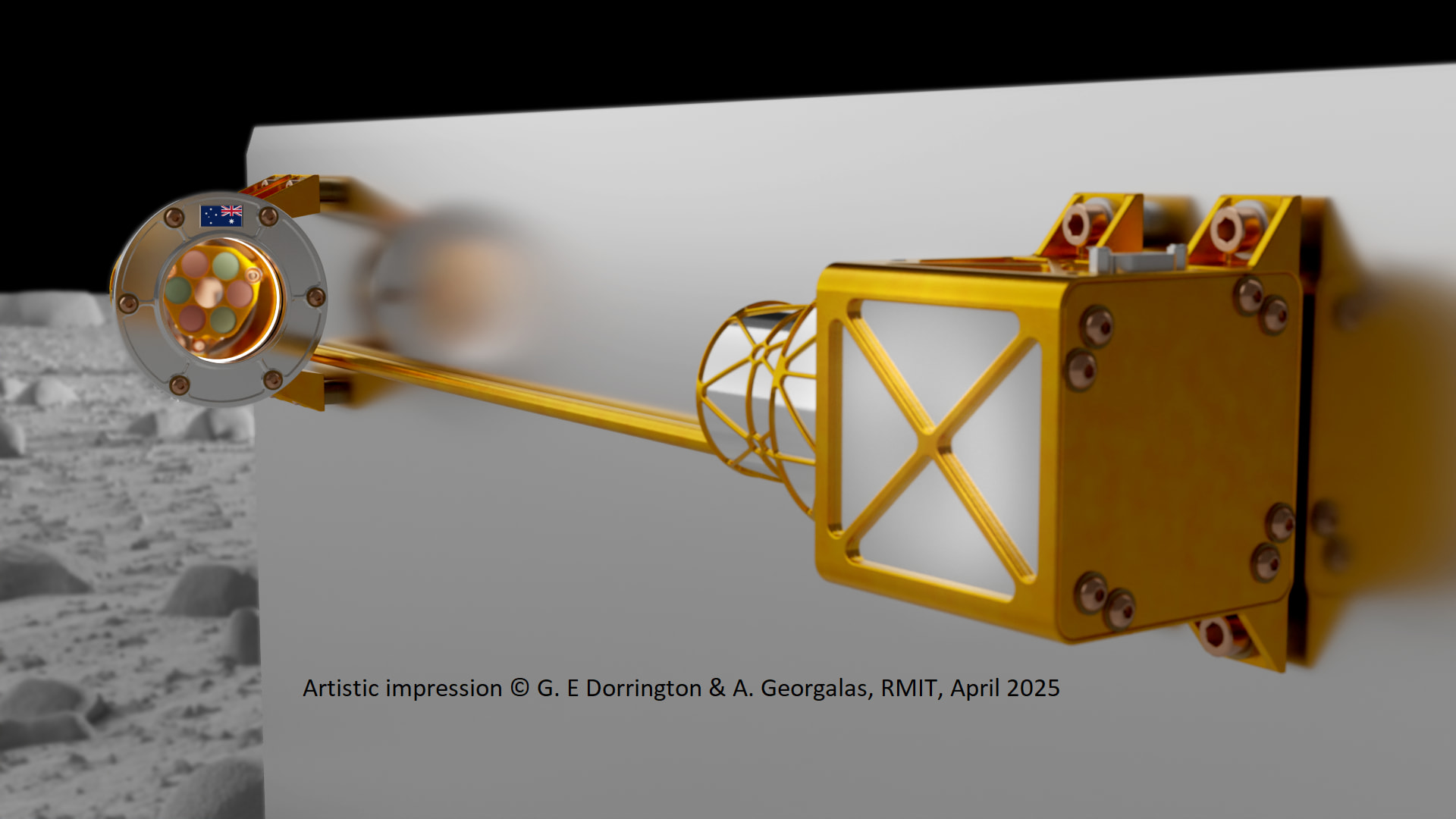
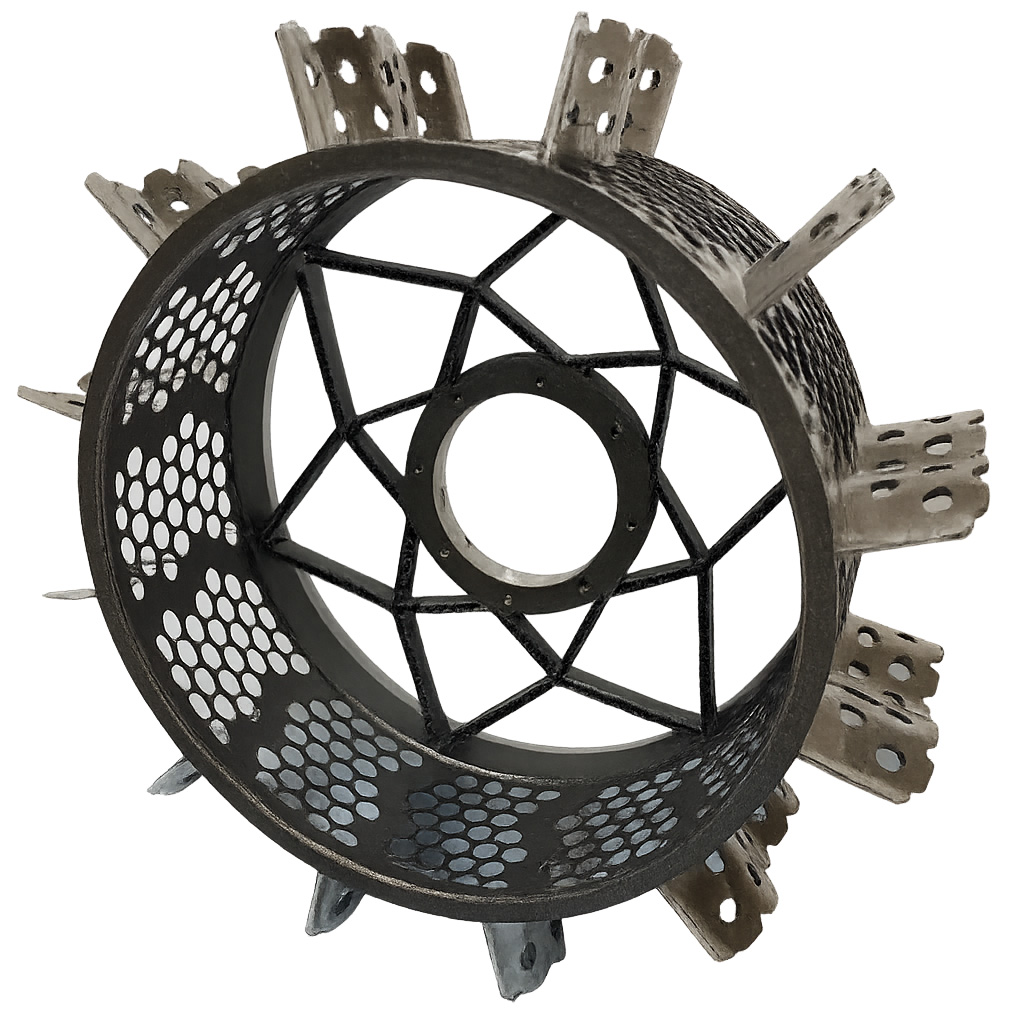
M2MIST provides end-to-end expertise in embedded and mechanical systems for mission-critical space applications, with a strong quality focus on hardware-software co-design, real-time frameworks, and fault-tolerant architectures. The team has ongoing experience working with space-qualified platforms, including the configuration and deployment of Field Programmable Gate Arrays (FPGAs), and offers full lifecycle capabilities—from concept design to system integration, testing, and validation. M2MIST designs, develops and tests mechanical systems built to withstand the extreme environmental conditions of deep space, including intense launch vibrations, radiation, temperature extremes in vacuum. The team is currently supporting two flagship lunar surface missions involving Australia’s first planned rover “Roo-ver” and the “ALEPH-1” payload—delivering radiation-tolerant electronics for an integrated biological payload, capable of reliable operations in some of the most demanding conditions known.
The strengths of the M2MIST Centre include:
Requirement capture; requirement verification and validation; implementation of reduced NASA/ESA system engineering processes; system concept generation and evaluation.
Including (FPGA) microprocessors/microcontrollers operating in harsh environments.
Encompassing payload software interface design, real-time systems architecture and fault-tolerant software implementation for mission-critical embedded systems.
Including thermal vacuum testing and heat transfer simulations.
Including both static structural simulations and dynamic structural vibration analysis.
Including, setting of test requirements, adherence to required processes and reporting.
The M2MIST Centre currently supports two planned lunar missions:
As part of M2MIST, the Surface Mount Devices (SMD) Laboratory is a recently developed, state-of-the-art facility within RMIT University allowing researchers / industry partners to produce functional electronic and embedded-system prototypes. The SMD Laboratory supports small volume prototype runs for both industry and research projects, including prototyping with a Bambu Labs H2D Enterprise 3D Printer. The other laboratory equipment comprises of a Pick and Place machine, a six-stage reflow oven, dedicated precision assembly workspaces, test and measurement tools as well as high-resolution optical inspection. Once a prototype system has been proven, a direct path to high reliability / large volume production can be achieved on Campus. In addition to the facilities of the SMD Laboratory, production line capabilities include: automated solder stencil printing; pick and place functionality; a sixteen-zone reflow oven; bed-of-nails testing; X-ray inspection.
M2MIST also has access to RMIT Thermal Vacuum (TVAC) and vibration test facilities:
TVAC specifications:
Internal cylinder of 157 mm diameter and length of 595 mm (~11.5 litres).
Vacuum down to 5 x10⁻⁵ mbar (3.75 x 10⁻⁵ torr).
Temperature +100 °C to -20 °C.
Instrumentation and connectivity: DB-25 connection, thermocouples, RTDs, pressure.
Vibration testing/shakers:
Instrumentation and connectivity: accelerometers, high speed optical systems.

Senior Lecturer
Senior Lecturer

Associate Professor

Research Fellow

Research Fellow
Research Assistant
If you would like to know more about the Centre for Moon to Mars Initiative Science and Technology please contact Dr. Graham Dorrington at graham.dorrington@rmit.edu.au


RMIT University acknowledges the people of the Woi wurrung and Boon wurrung language groups of the eastern Kulin Nation on whose unceded lands we conduct the business of the University. RMIT University respectfully acknowledges their Ancestors and Elders, past and present. RMIT also acknowledges the Traditional Custodians and their Ancestors of the lands and waters across Australia where we conduct our business - Artwork 'Sentient' by Hollie Johnson, Gunaikurnai and Monero Ngarigo.
Learn more about our commitment to Aboriginal and Torres Strait Islander peoples