We are proud to lead the way in additive manufacturing, developing novel materials, processes and machines via our flagship RMIT Centre for Additive Manufacturing (RCAM). The RCAM is home to world-class capabilities from polymer and metal 3D printed parts to AI-driven production systems and sustainably-manufactured components, a gateway to fast and effective innovations for local and global industries.
Our sustainable energy research team leads pioneering work in renewable and low-carbon technologies, spanning hydrogen technologies, thermoelectric, wave-energy systems and embedded smart systems, enabling a future-proof low-carbon economy. Meanwhile, our automation and mechatronics research is forging intelligent systems—combining robotics, advanced sensors, and adaptive control—to enable smarter manufacturing, autonomous vehicles, and connected industrial ecosystems.
Our research is supported by long-standing strategic partnerships with Boeing, Ford, Defence, BlueScope and Petronas and many more. Enabling co-development of aerospace, automotive, biomedical and defence technologies, as well as large-scale demonstration of sustainable solutions
Prospective collaborators can engage with us through joint research projects, industry-aligned research hubs and centres, student-industry capstone programs, and access our state-of-the-art facilities and multidisciplinary expertise. Our department offers an agile, collaborative platform to transform ideas into impact.
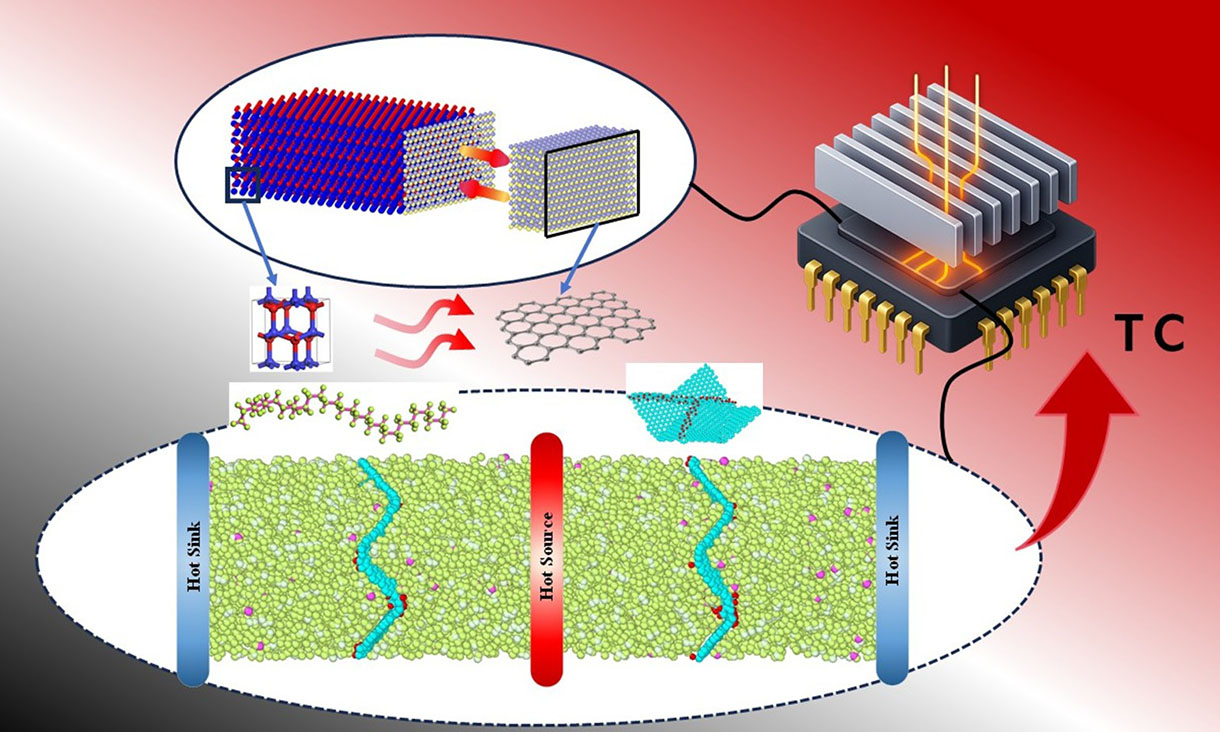
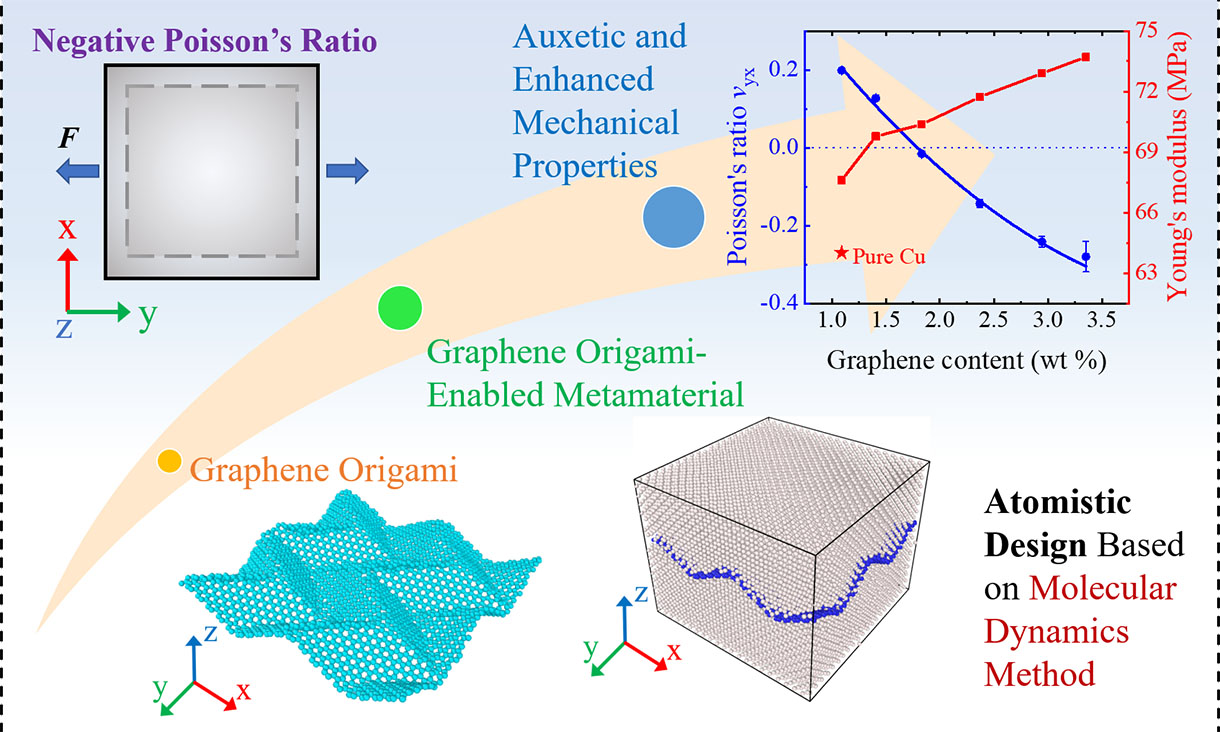
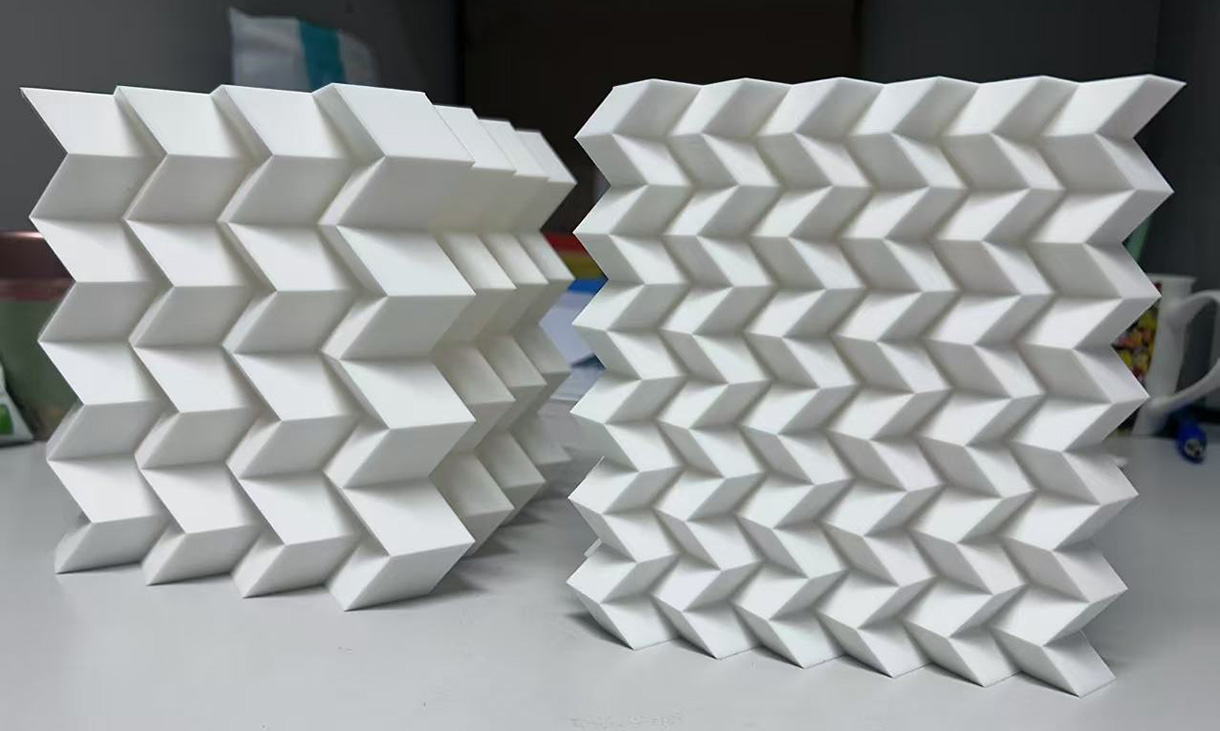
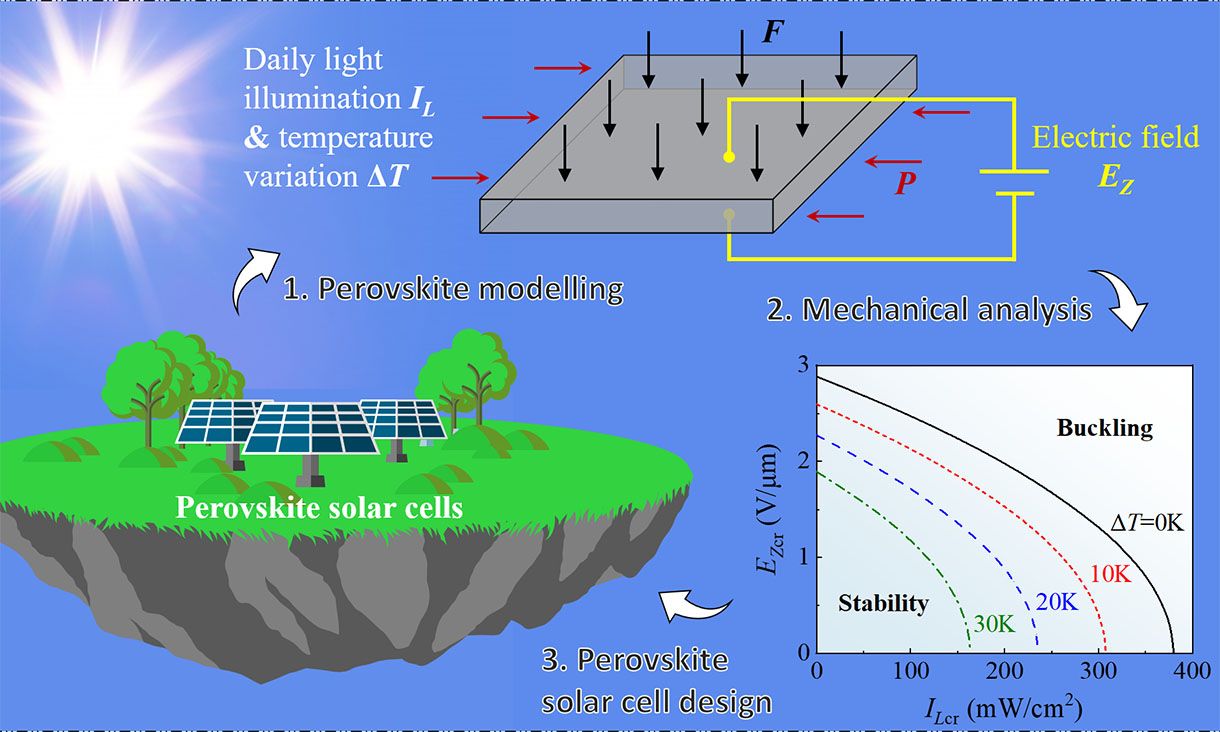
Our research areas include advanced composite and functionally graded structures, graphene and carbon nanotube reinforced polymer and metal nanocomposites, metamaterial structures, lightweight and green structures, structural dynamics and stability, smart structures and control, atomistic modelling of nanomaterials and nanostructures, machine learning in structural engineering, mechanics of micro- and nano-electro-mechanical systems, sandwich construction, 2D nanomaterials, heat conduction, etc.
This is a leading research team dedicated to creating, understanding, and optimising the next generation of high-performance engineering materials and structural systems. Our work spans the full innovation pipeline — from molecular-level material design to full-scale structural testing — delivering solutions that are lighter, stronger, safer, and more sustainable.
Our researchers are internationally recognised for expertise in fibre-reinforced composites, nanomaterials, polymers, carbon fibre, hybrid and multi-functional materials, and architected structures. We combine advanced synthesis techniques, additive manufacturing, and novel processing methods with state-of-the-art experimental testing and high-fidelity computational modelling. This integrated approach enables us to uncover the fundamental damage mechanisms in materials and structures, predict their behaviour under extreme conditions, and design optimised solutions for real-world challenges.
Our projects address critical needs in aerospace, defence, automotive, renewable energy, and infrastructure sectors. Innovations include bio-inspired composite laminates, multi-functional 3D-reinforced composites, high-temperature flame-retardant polymer systems, self-healing resins, and sustainable carbon fibre from recycled precursors. We lead the development of predictive models for post-buckling structures, ballistic and blast-resistant systems, additive-manufactured components, and next-generation lightweight aerospace designs.
Through close collaboration with industry, government, and international partners, we translate research breakthroughs into tangible performance gains, reduced environmental impact, and safer, more resilient engineering systems. We are also passionate about training the next generation of engineers and scientists, equipping them with the knowledge and creativity to lead future innovations in materials and structures.
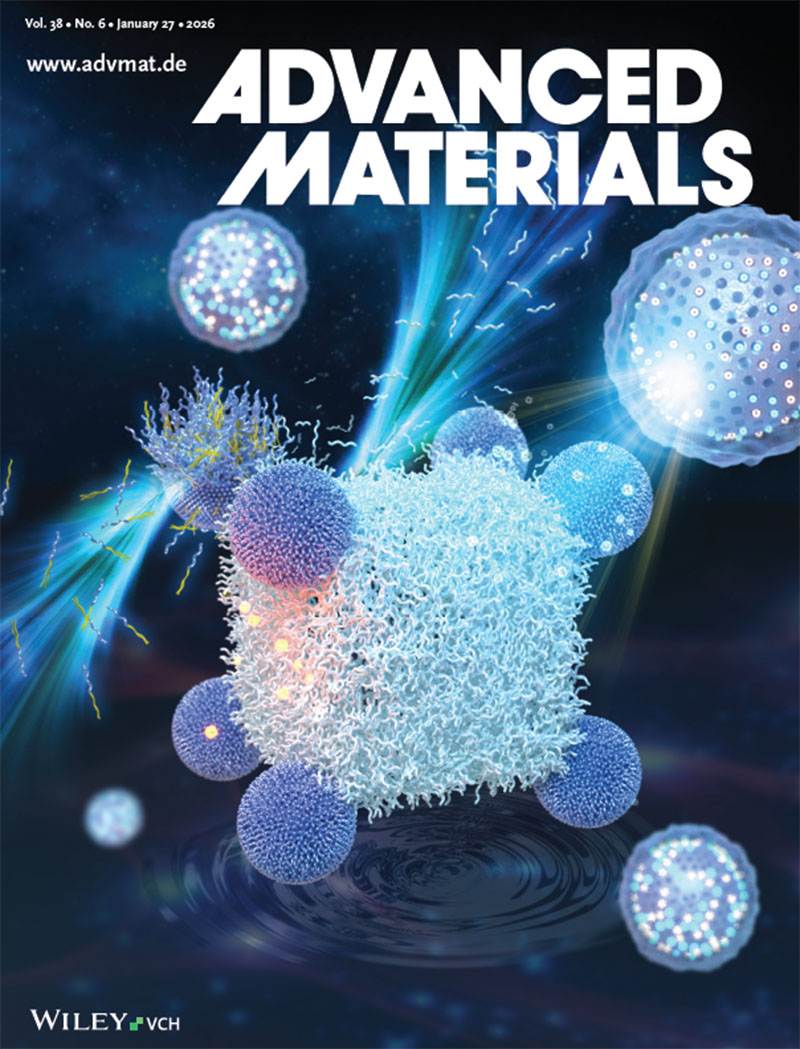
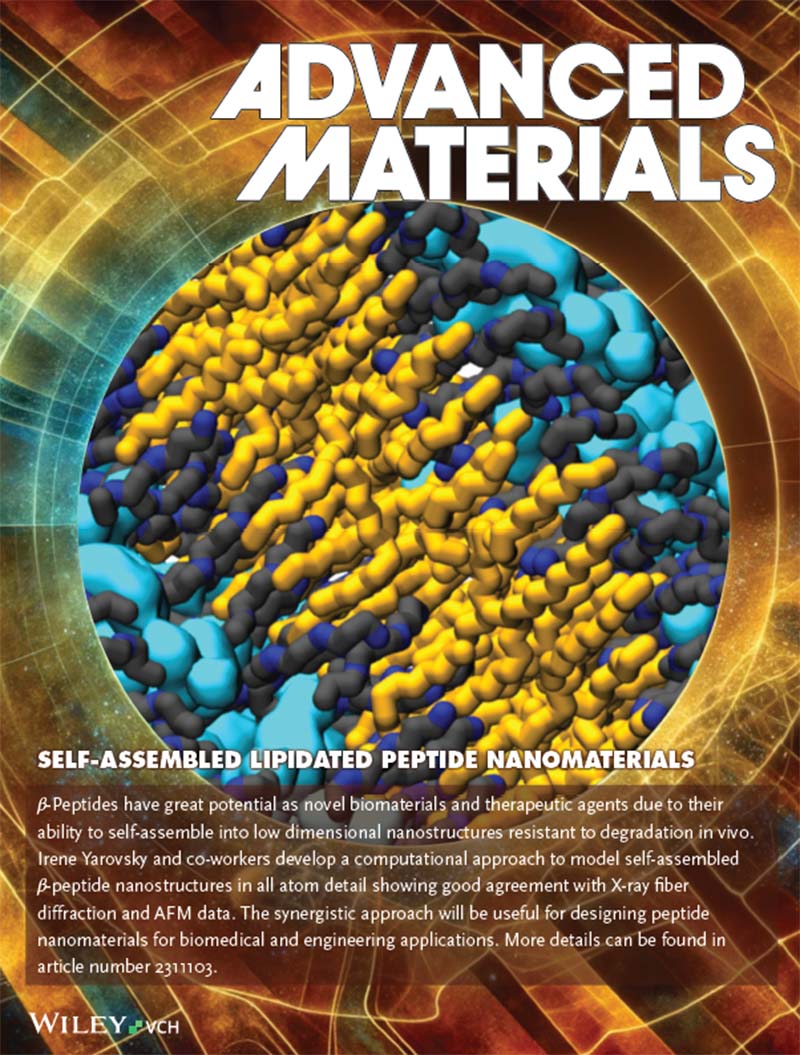
Materials modelling and simulation aims to develop fundamental relationships between the atomic structure and properties of molecules and materials. From understanding these relationships, advanced materials with enhanced and new properties can be designed.
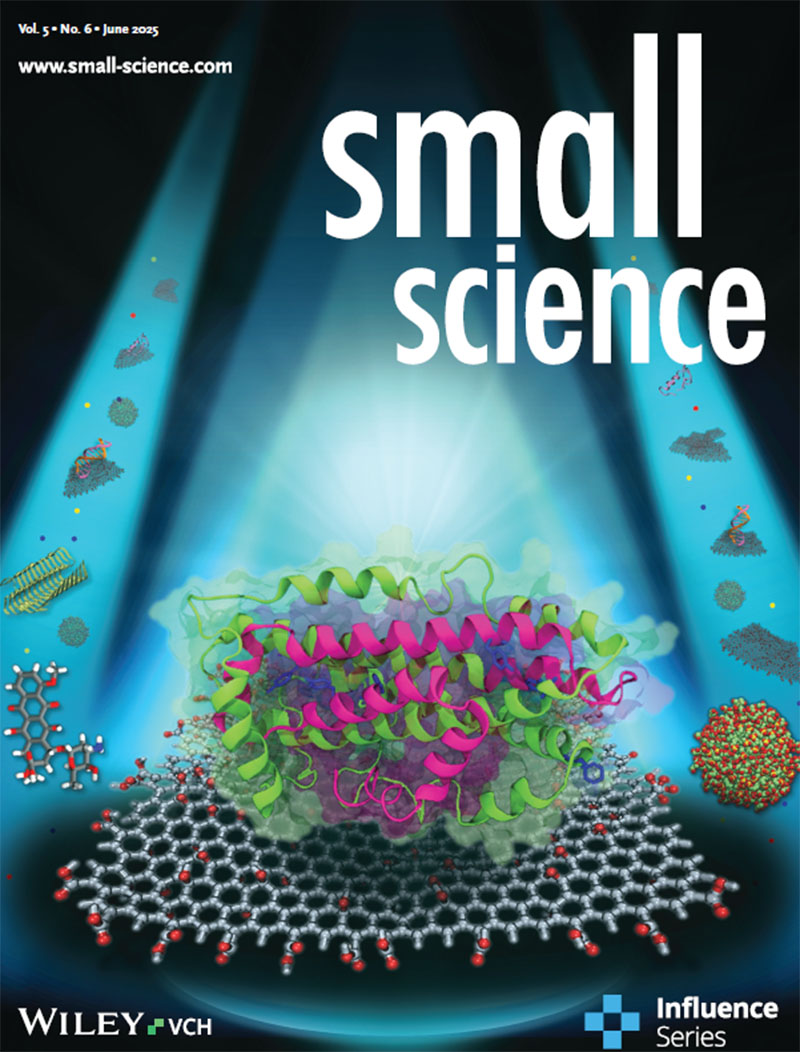
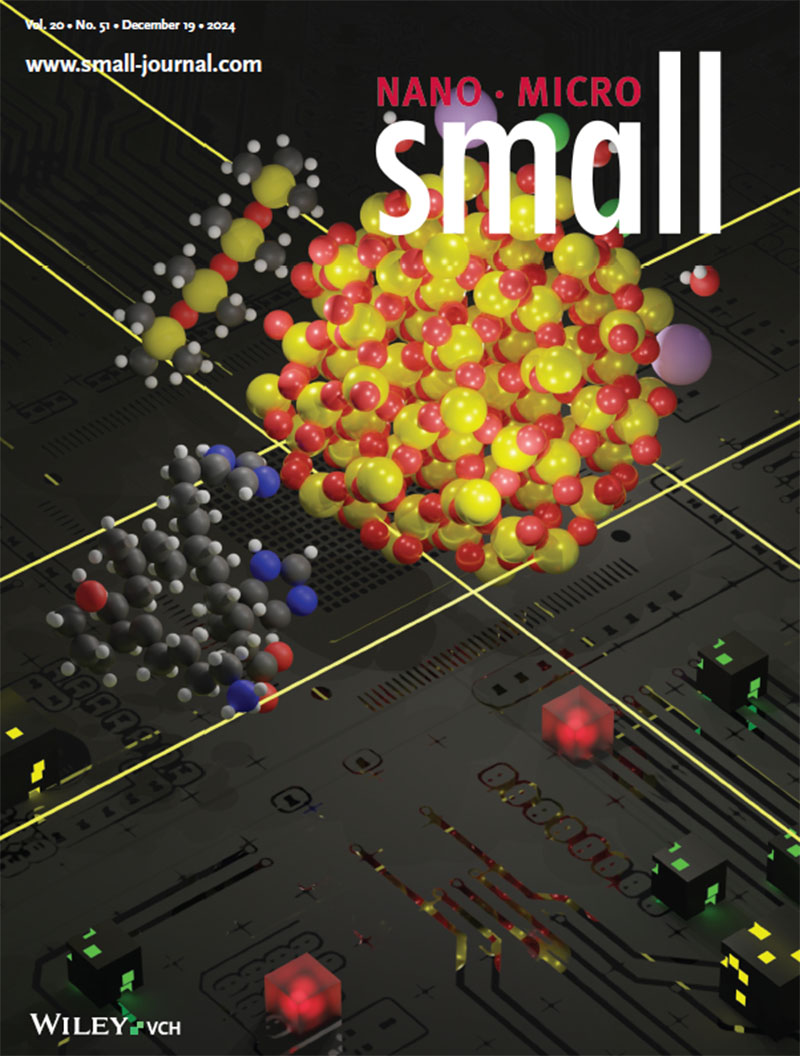
Our projects involve simulations of materials for biomedical and industrial applications. We are particularly interested in understanding interactions of engineered nanoparticles with biological environment which is crucial for development of efficient and safe nanotechnologies. We employ electronic structure calculations, classical molecular mechanics and dynamics, Monte Carlo and other computational approaches to study various classes of soft and solid-state matter.
All our theoretical modelling projects involve collaborations with experimental groups in Australia or overseas. Our research is supported by the Australian Research Council (ARC), National Health and Medical Research Council (NHMRC), CSIRO and industry.
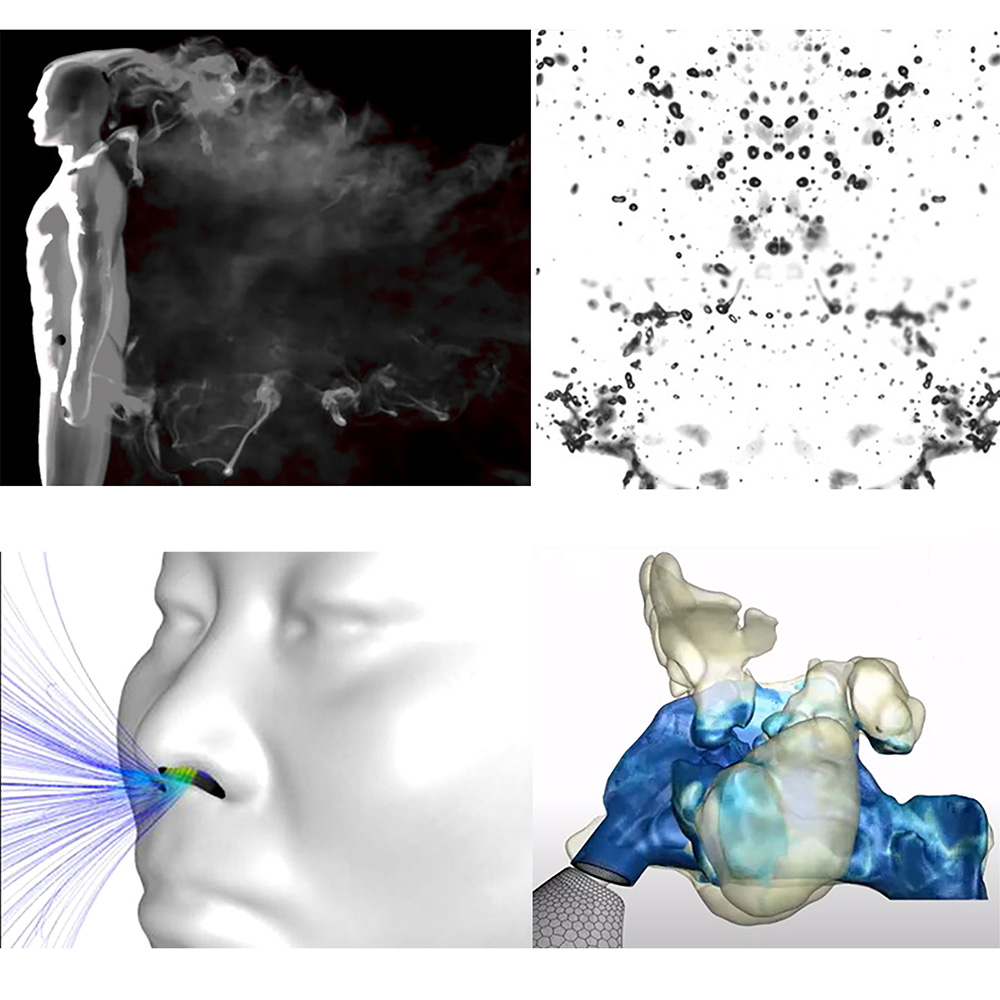
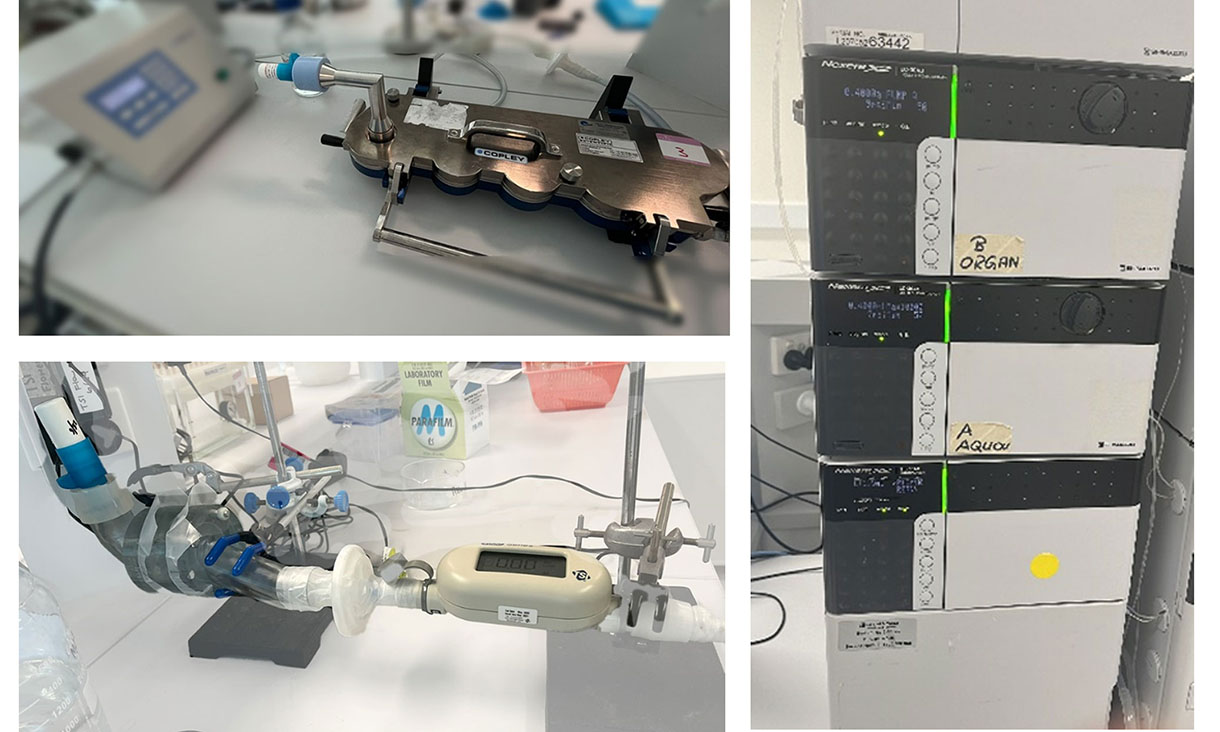
The group focuses on advancing computational fluid dynamics (CFD) through high-fidelity simulations, turbulence modelling, and multiphysics analyses, combined with experimental techniques focussing on respiratory flows to understand and address health and biomedical engineering challenges. Specific research areas include understanding respiratory airway anatomy, physiology and function, drug delivery, and inhalation toxicology. Experimental methods like Particle Image Velocimetry (PIV), Laser Doppler Anemometry (LDA), and high-speed filming to visualize complex systems such as nasal sprays and wake flows, are used to complement the computational work by providing data to validate CFD models.
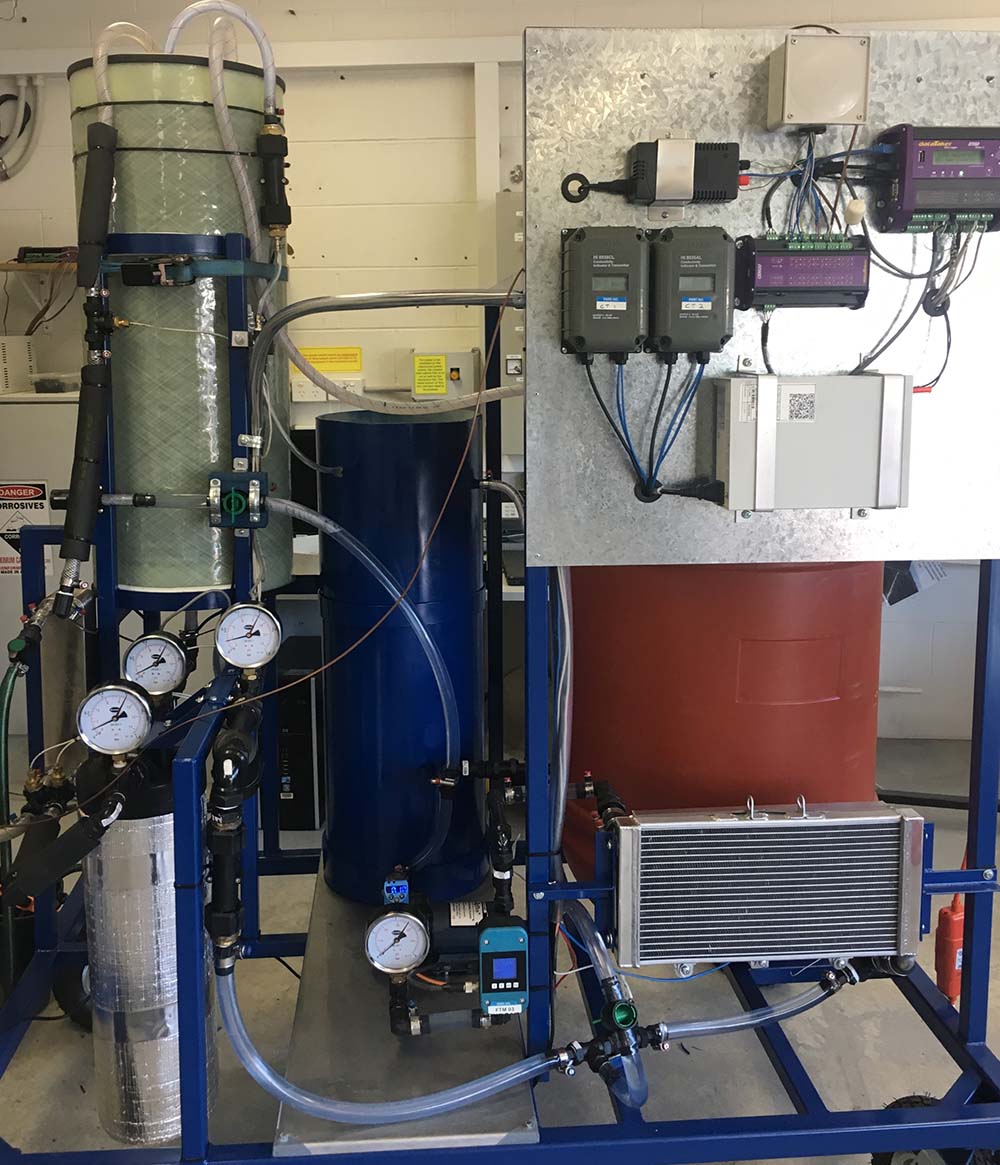
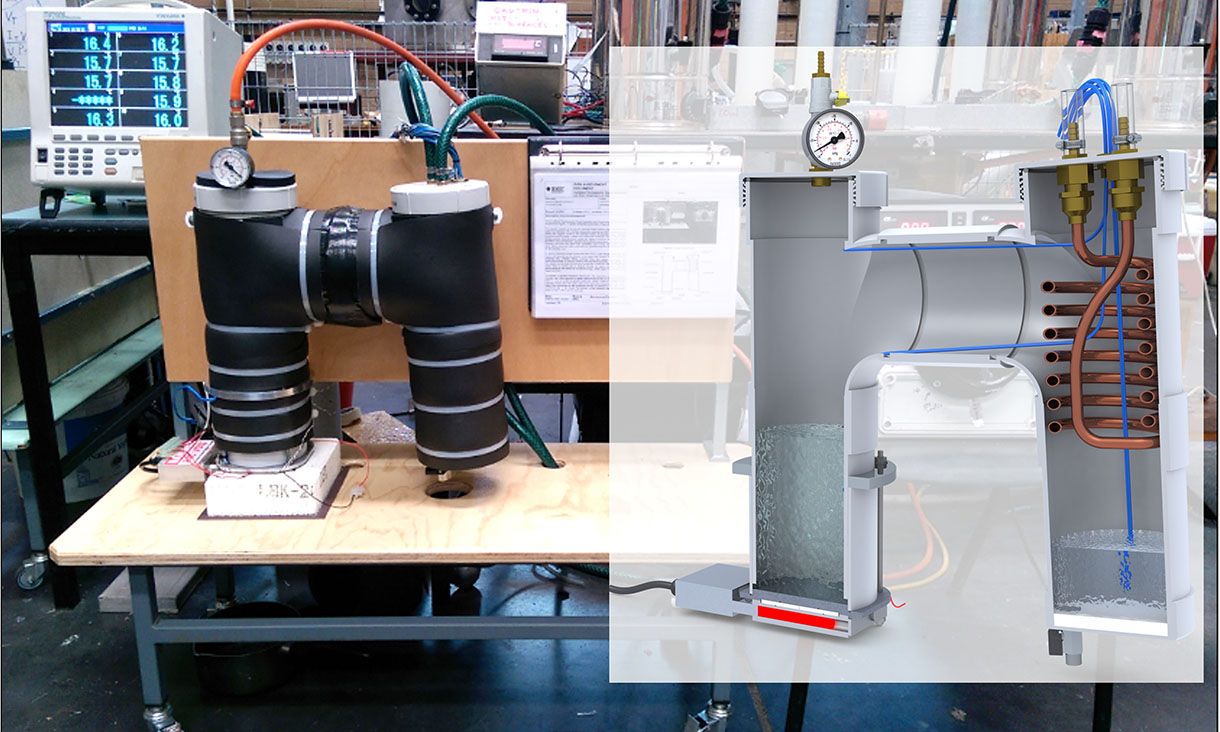
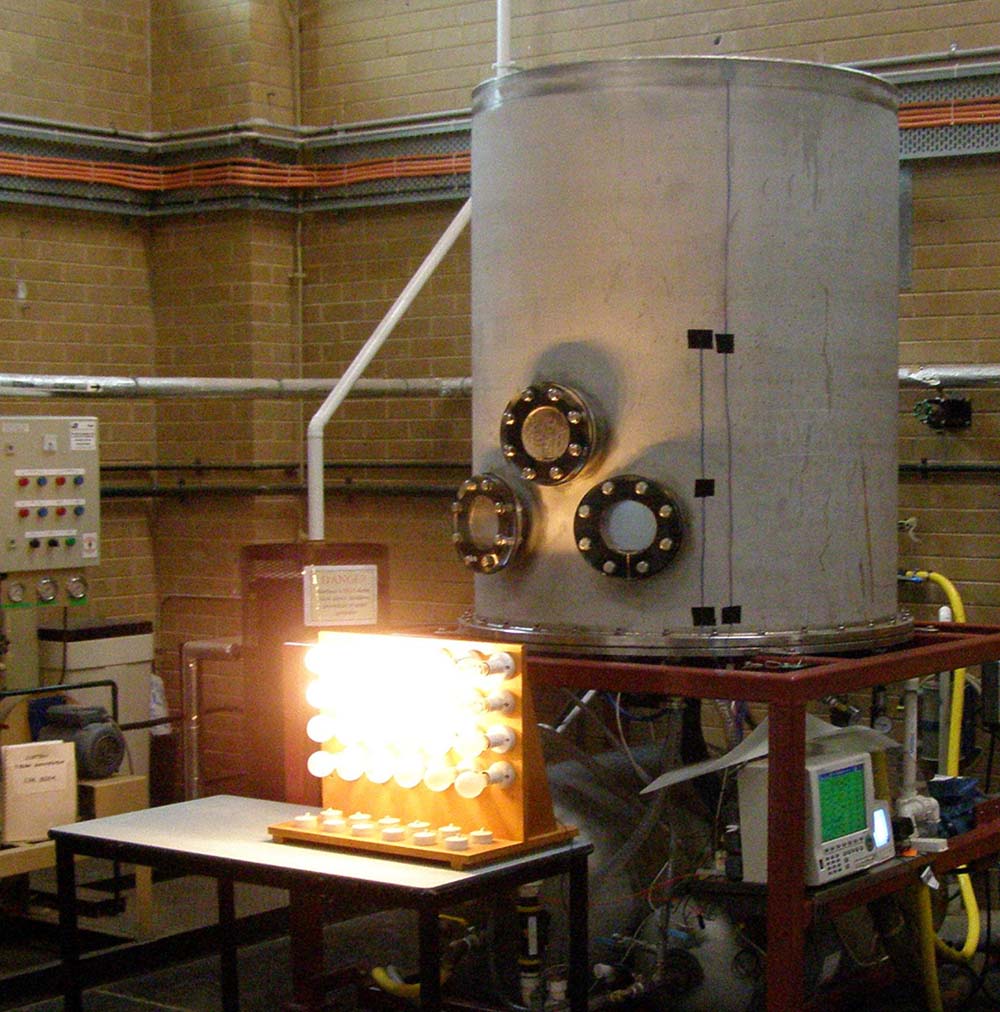
The Energy CARE and Water Nexus Group is a multidisciplinary research team dedicated to advancing energy and water systems through renewable resources, sustainable practices, and efficient technologies. Our work explores the critical link between energy and water, integrating expertise from various fields to develop innovative solutions for global challenges. Key research areas include solar thermal energy, solar ponds, thermal management, waste heat recovery, thermal water desalination, water for hydrogen, mineral recovery with zero liquid discharge, heat engines, fuel cells, thermoelectric generators and heat pumps. By fostering collaboration across disciplines and sectors, we drive impactful research and technological advancements that benefit communities, industries, and ecosystems. Together, we are shaping a cleaner, more resilient future.
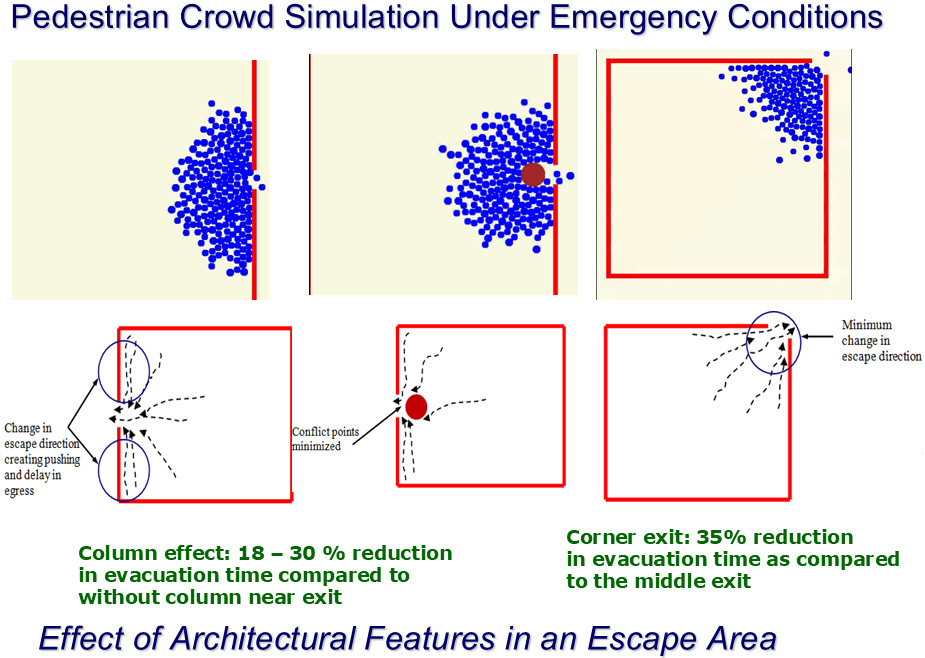
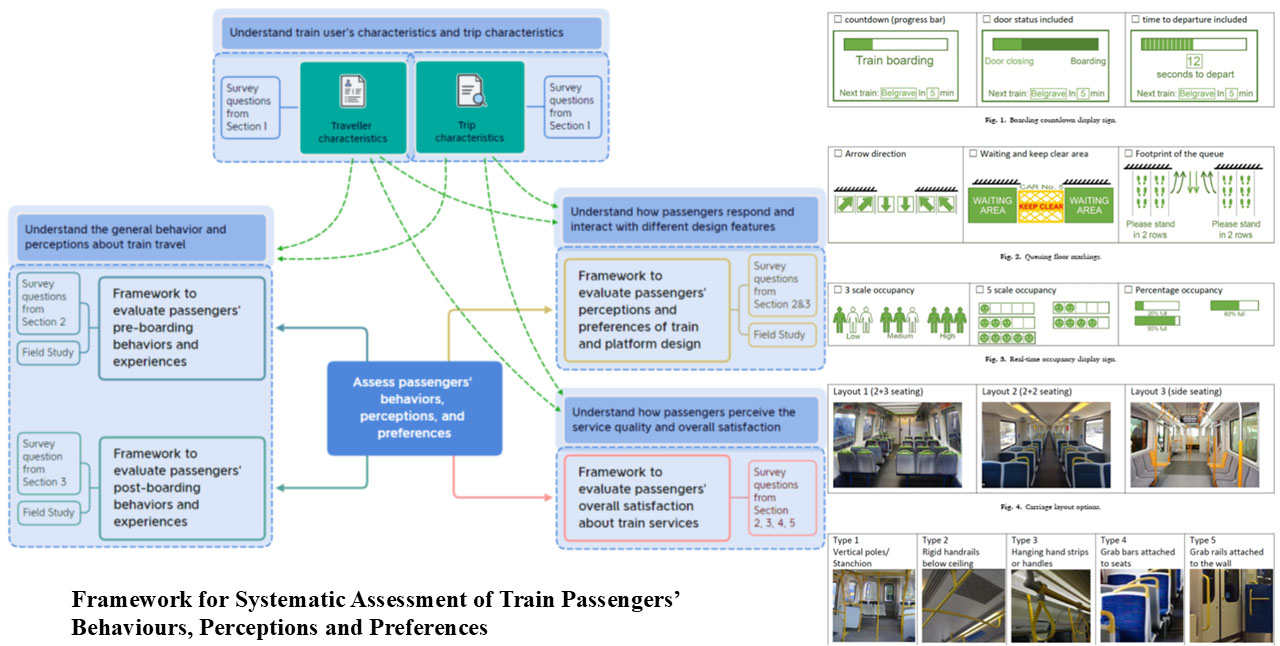
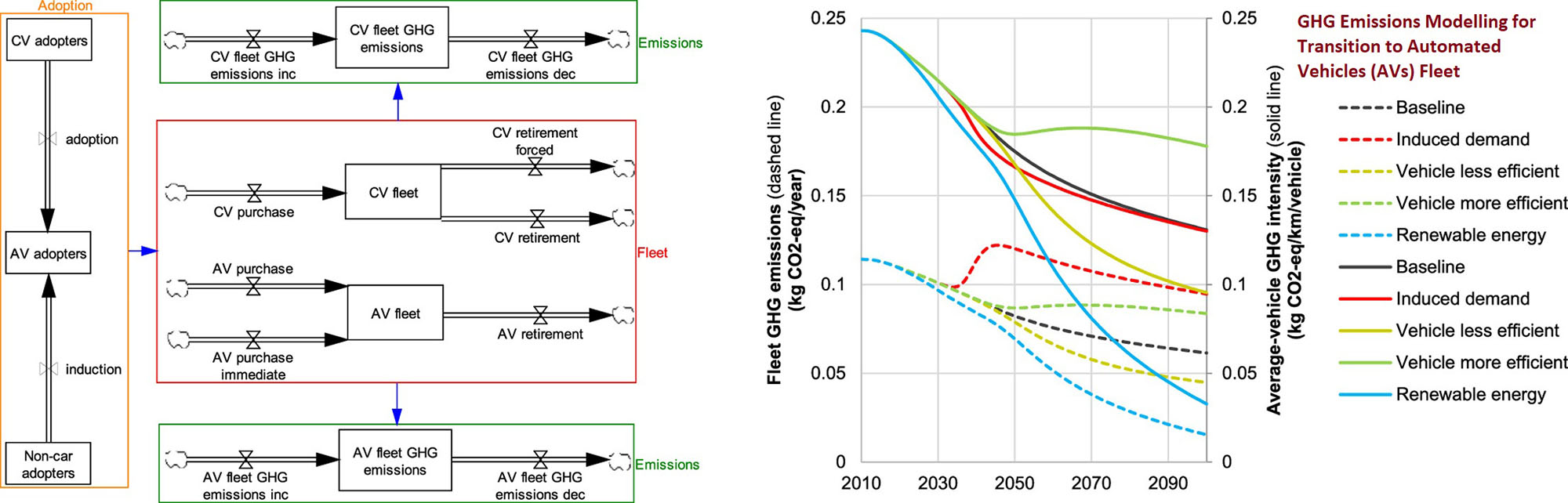
Our research in sustainable engineering systems is focused on advanced urban mobility, safety and cybersecurity, decarbonization and energy diversification modelling, supply chains and logistics, sustainable business practices, regenerative ecosystem efficiency, and food waste prevention. Our research focuses on the eco-efficiency of final products and services generating economic value through successfully addressing ecological impact and meeting human needs while being as resource-efficient as possible.
Current research projects include:
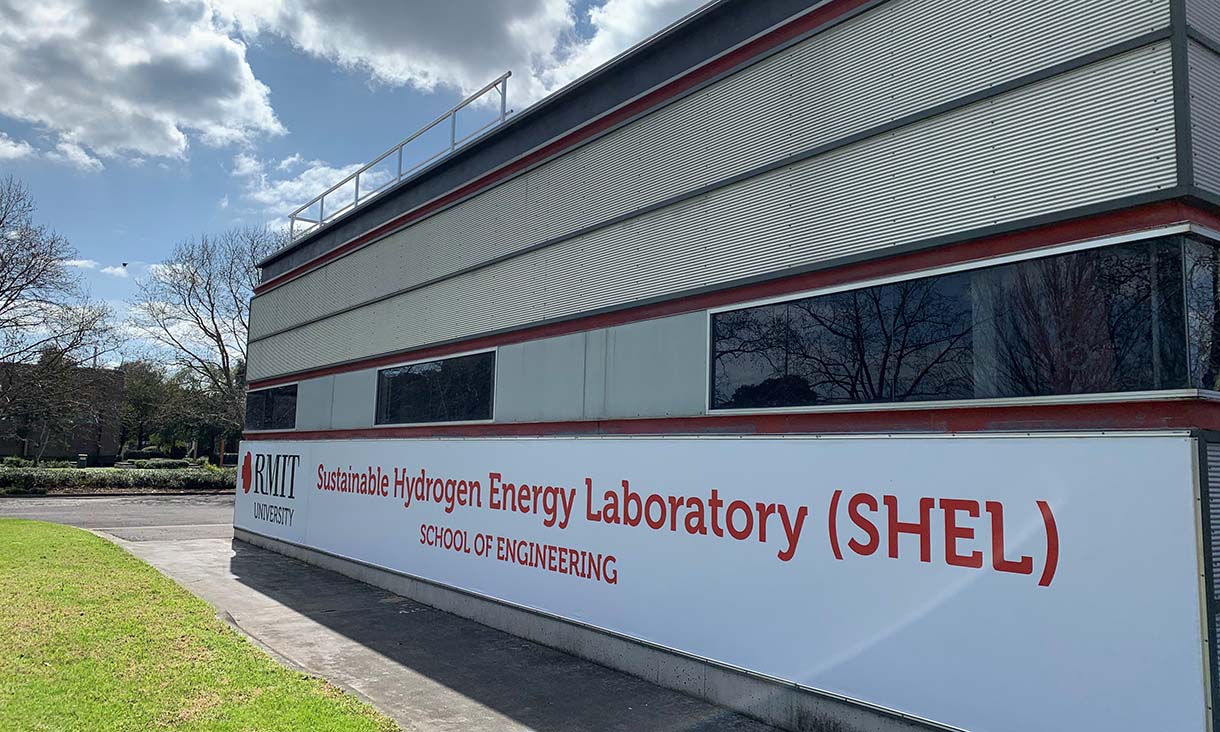
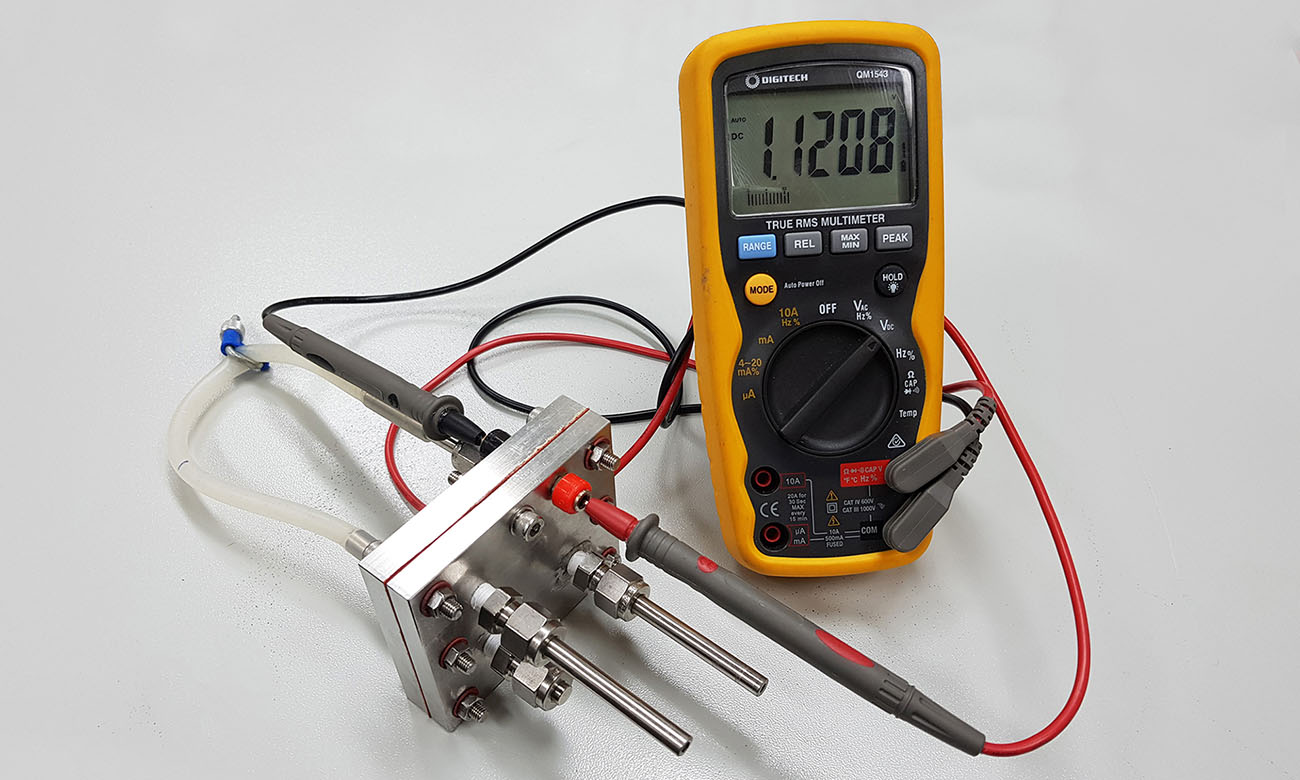
The SHEL Group within the School of Engineering has built strong expertise and technical capabilities in the design, development, and prototyping of fuel cell systems and components, with a particular emphasis on PEM technology and the following key areas:
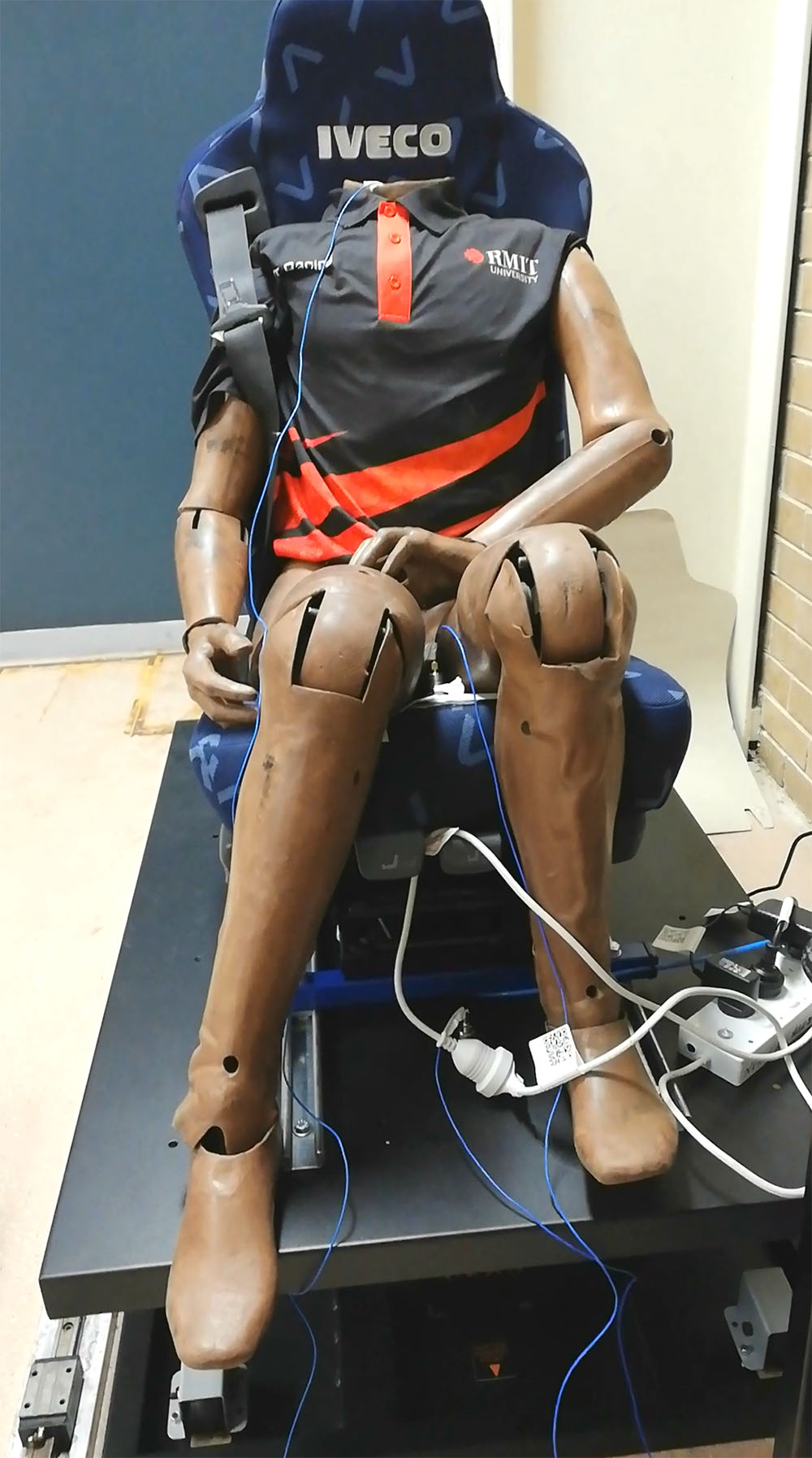
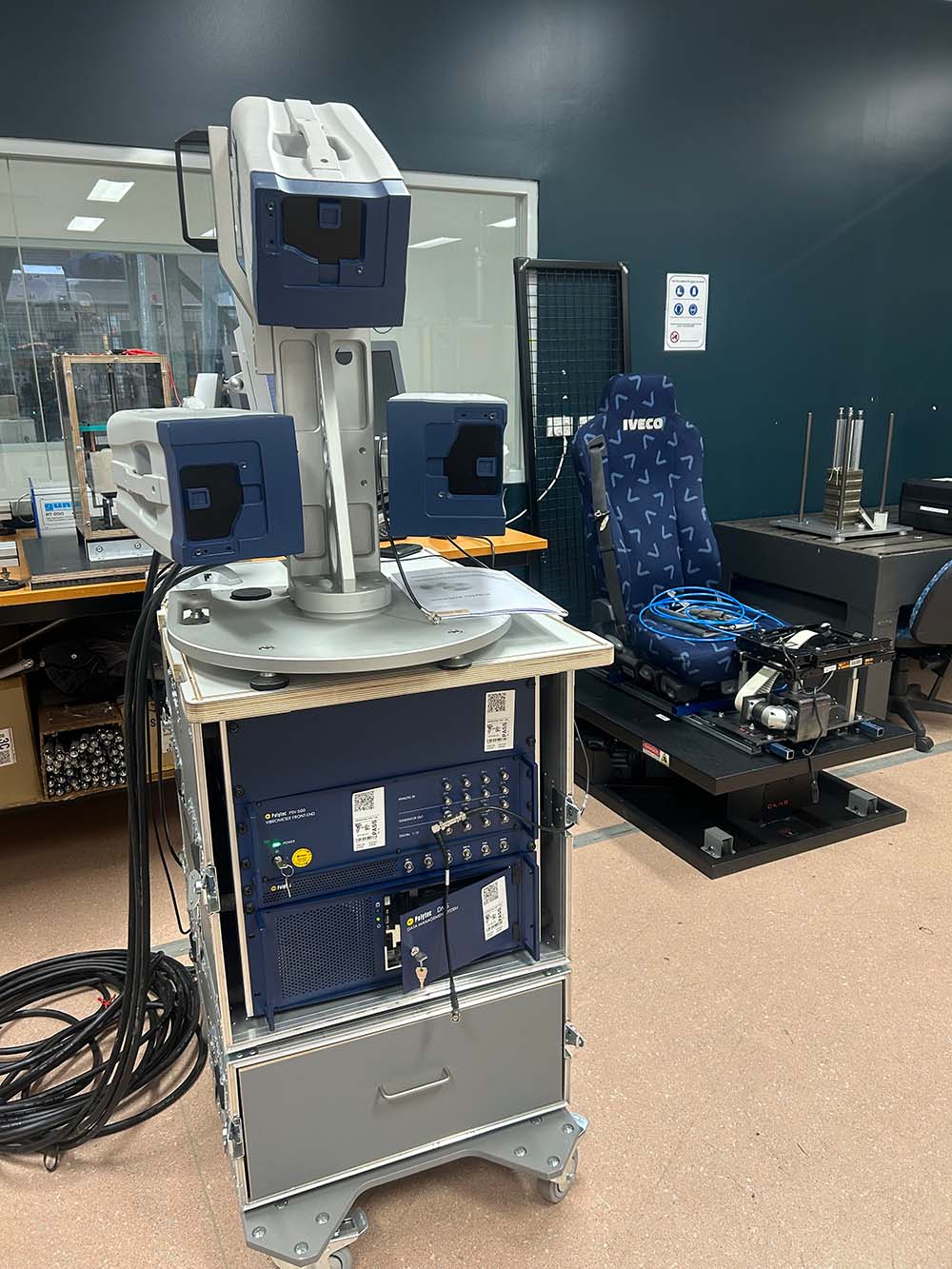
Our multidisciplinary research group is dedicated to advancing technologies that address critical challenges in energy harvesting, vibration control, and sustainable power generation. We are developing intelligent vehicle seating systems with active vibration control to enhance occupant comfort and reduce the physiological impact of low-frequency vibrations, using advanced dynamic modelling and machine learning–driven algorithms.
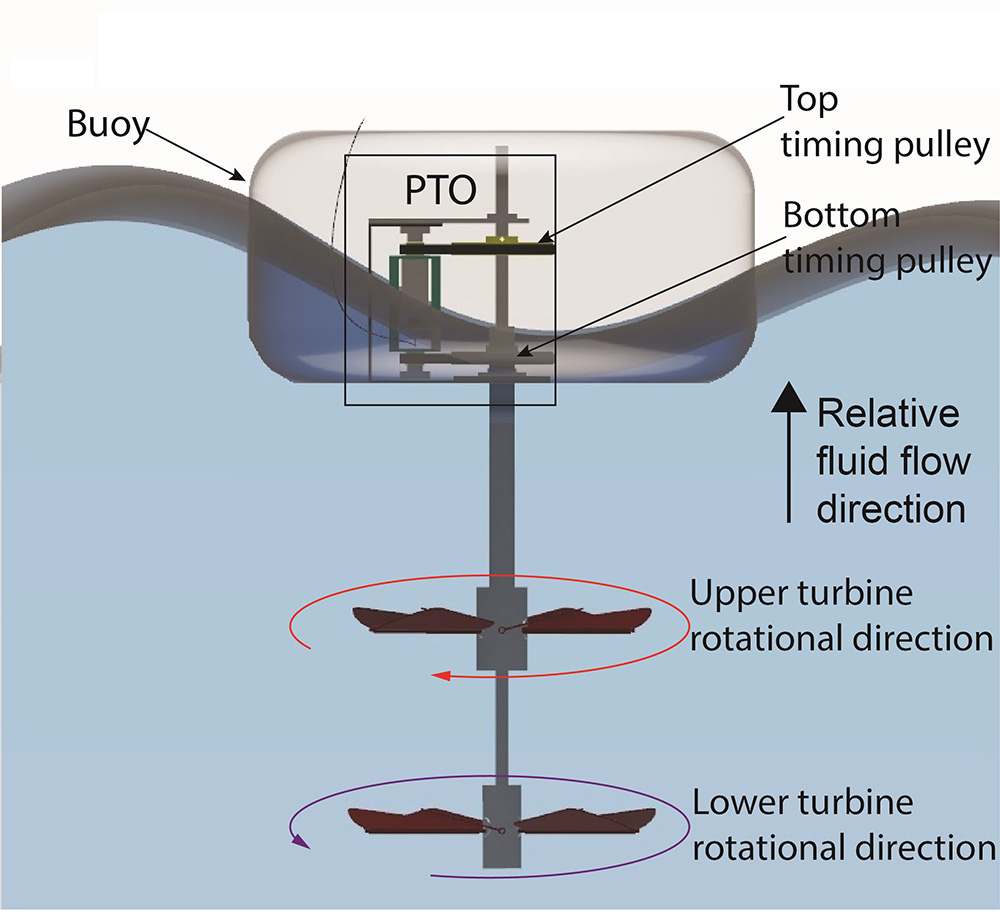
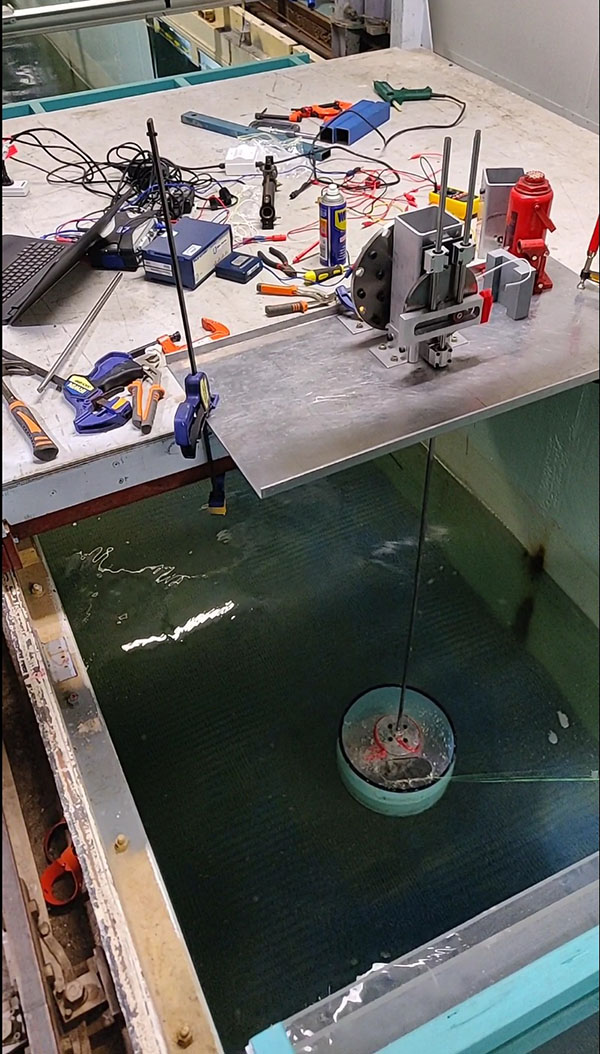
In parallel, we are pioneering innovations in offshore wave energy conversion through a multi-disciplinary team, aimed at delivering resilient, adaptable power solutions for remote and infrastructure-limited environments—such as island communities, disaster zones, and offshore facilities. This research group brings together top researchers and industry leaders across renewable energy, hydrogen systems, and advanced manufacturing.
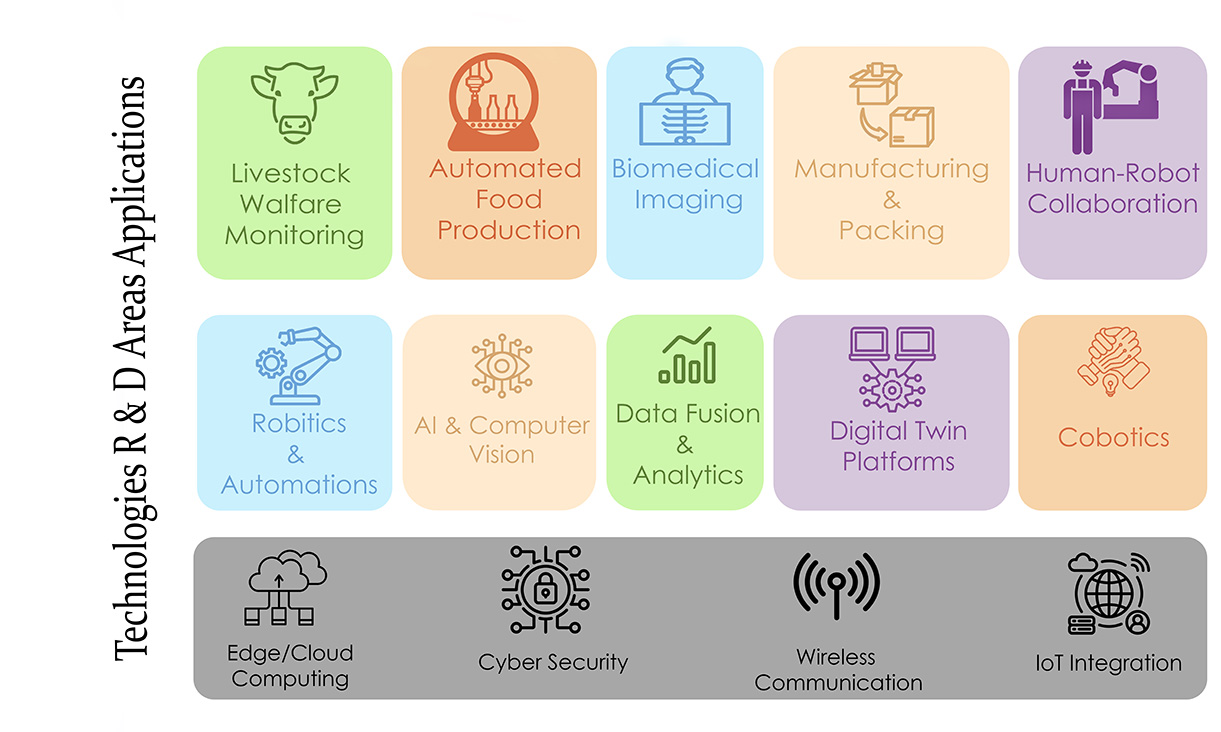
The Intelligent Automation Group focuses on the scientific foundations of developing and deploying smart automated and autonomous systems for inspection and monitoring across a wide range of industrial applications. We are increasingly adopting emerging AI tools and digital twins, including large multimodal foundation models, to support context-aware perception, robust decision-making, and more intuitive human–machine collaboration, particularly where conventional methods face limitations.
Our work emphasises visual sensing and automated action through ground and aerial robotic systems, with applications in food and advanced manufacturing, biomedical imaging, and the teaching of complex skills to robots alongside enhanced human–robot interaction. We also prioritise situational awareness by developing methods to perceive, interpret, and anticipate changes in dynamic environments. Our work supports reliable decision-making under uncertainty through resilient, robust, and scalable algorithms that link perception to action. In particular, we contribute to sensing–action coordination and distributed inference, with an emphasis on multimodal information fusion. This includes advancing techniques for visual tracking, intent estimation, and decision support across heterogeneous sensor networks, especially in safety-critical and resource-constrained settings.
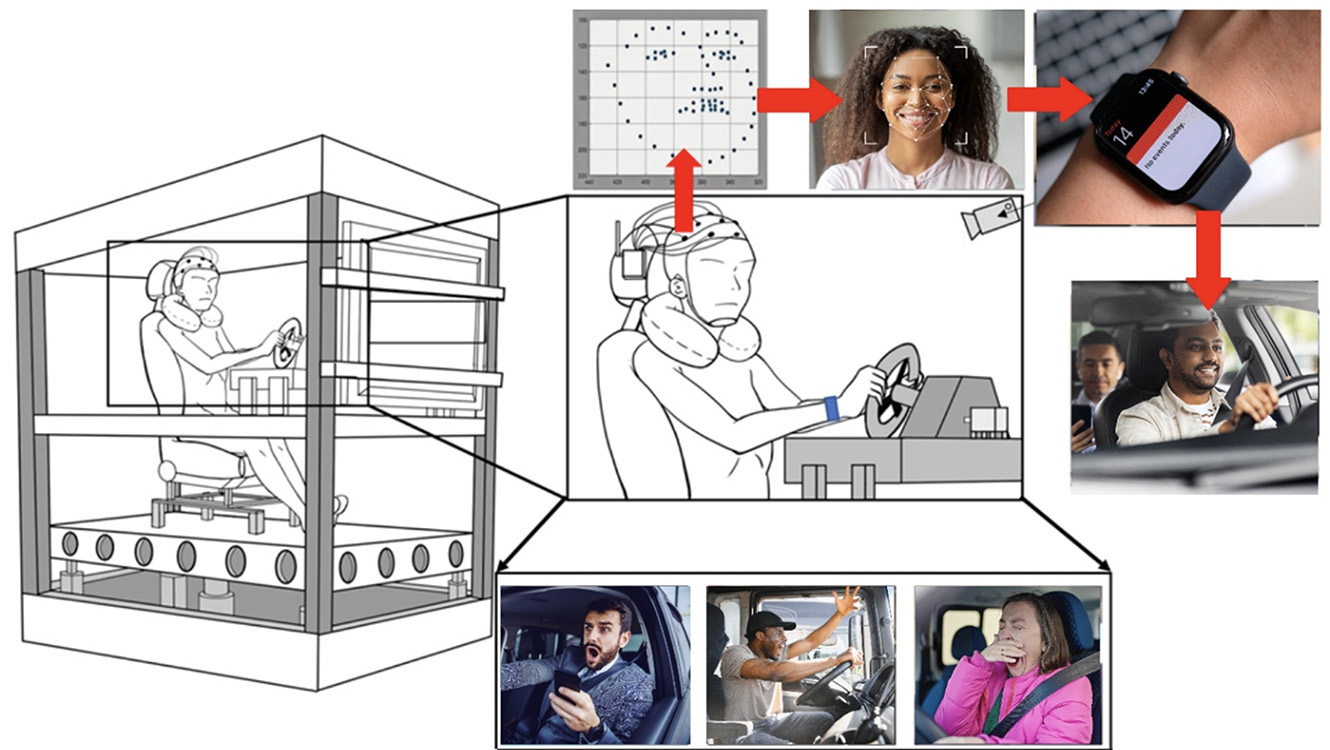
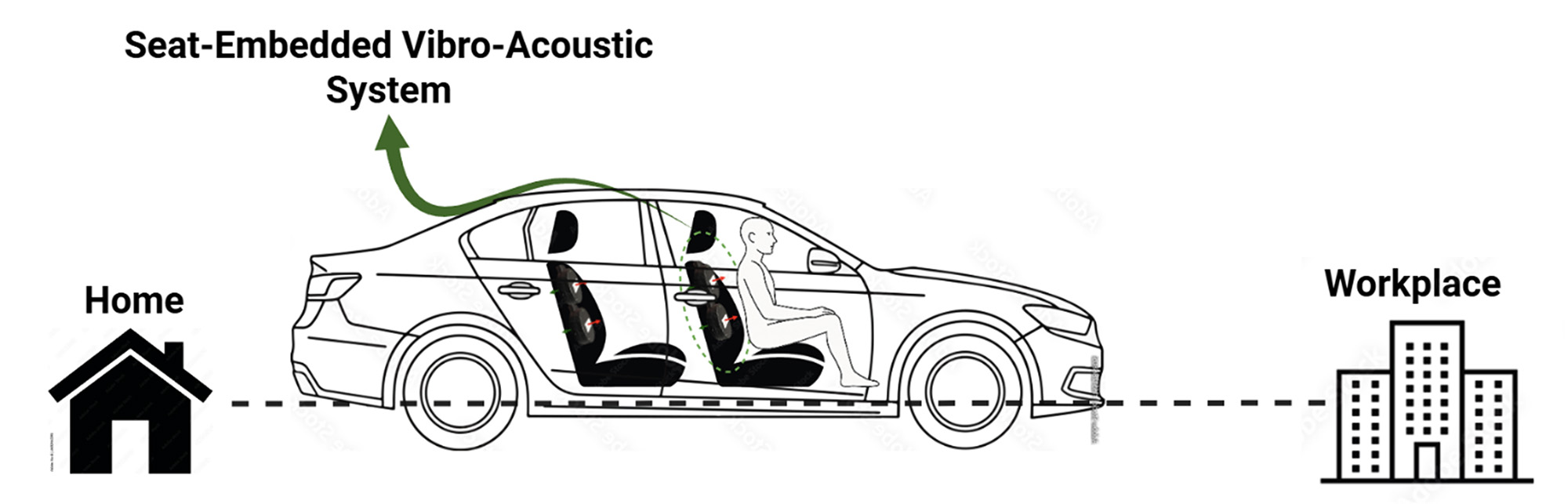
Our research focuses on developing intelligent human-vehicle interfaces that enhance emotion, safety, and comfort in next-generation mobility. Using advanced vibroacoustic feedback cues, we aim to create a more immersive and intuitive driving experience. These multisensory systems are designed not only to influence driver emotion and well-being but also to support real-time decision-making in critical scenarios such as autonomous vehicle takeovers.
In autonomous vehicles, where driver engagement and ride comfort are evolving challenges, our work introduces novel solutions to reduce motion sickness and cognitive overload. By delivering carefully calibrated vibration cues, we can mitigate sensory mismatch and improve passenger experience. Our multidisciplinary approach blends acoustics, artificial intelligence, and human factors, offering a transformative perspective for future vehicle design and transport innovation.
With opportunities to work with over 110 researchers, our department offers a diverse, vibrant and globally recognised research environment for postgraduate research candidates. Postgraduate candidates can engage in research across fields such as advanced manufacturing, intelligent automation, energy systems, biomedical engineering, sustainable materials, vibration control, and renewable energy technologies. Underpinning by strong industry links and a culture of collaboration, your research journey will be well-supported and relevant to real-world challenges, leading to high-quality research publications and building a pathway toward a successful career in academia or industry.


RMIT University acknowledges the people of the Woi wurrung and Boon wurrung language groups of the eastern Kulin Nation on whose unceded lands we conduct the business of the University. RMIT University respectfully acknowledges their Ancestors and Elders, past and present. RMIT also acknowledges the Traditional Custodians and their Ancestors of the lands and waters across Australia where we conduct our business - Artwork 'Sentient' by Hollie Johnson, Gunaikurnai and Monero Ngarigo.
Learn more about our commitment to Aboriginal and Torres Strait Islander peoples