



Digital Health Hub – Rehabilitation

A Digital Health Program for People with Lower Limb Amputation, Physical Disability and Associated Mental Health Concerns in Developing Countries.

Currently, this project is being delivered to Indonesia, Timor-Leste and Cambodia. It trains and supports in-country trainers and therapy practitioners (community health workers), conducts research, to help people with:

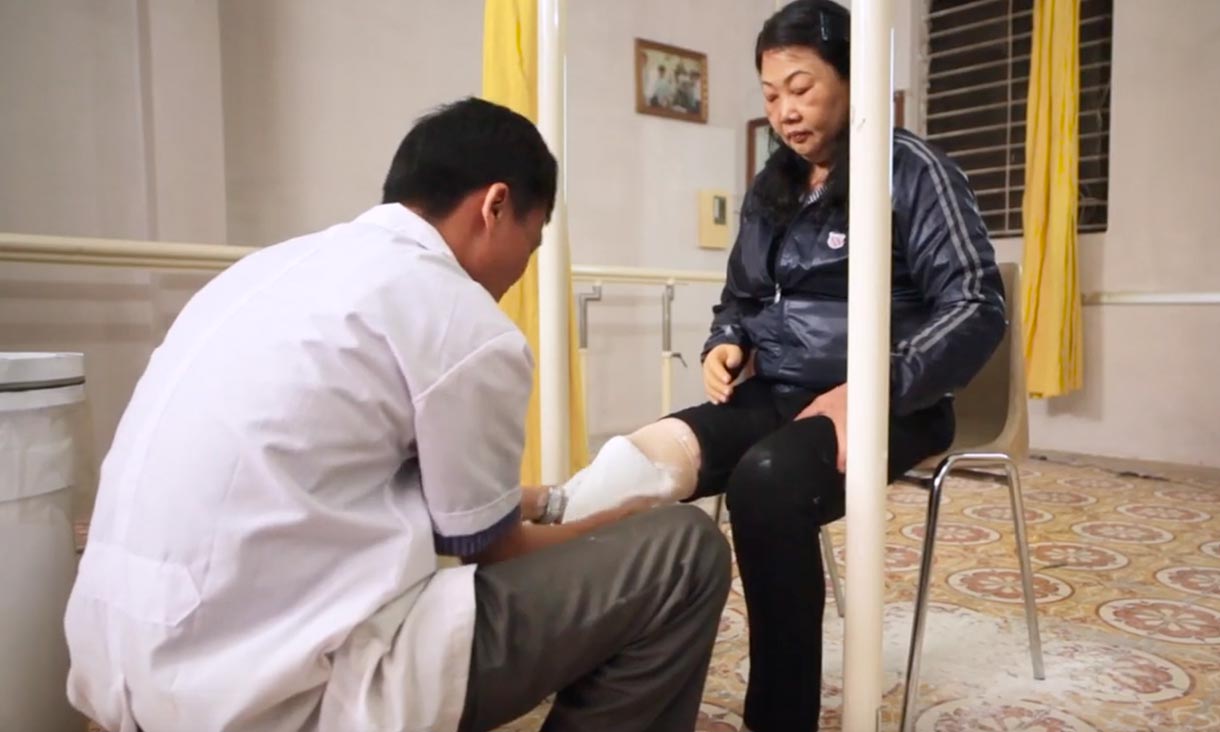
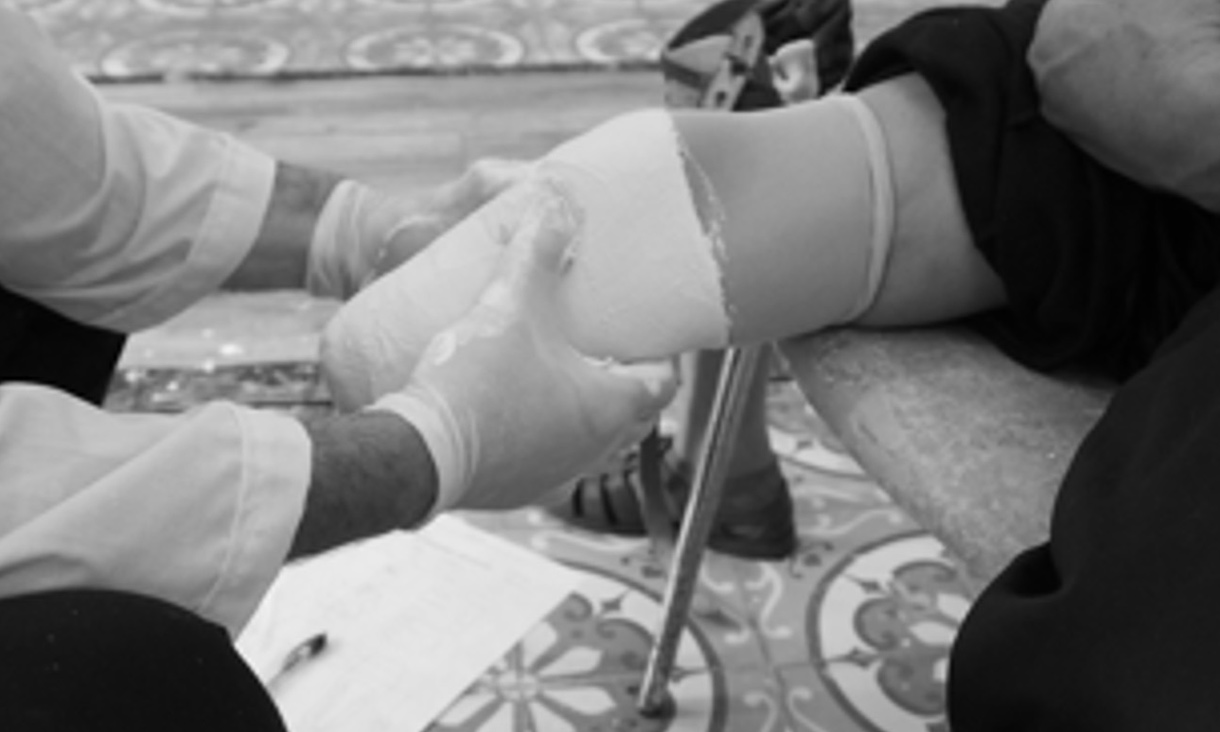
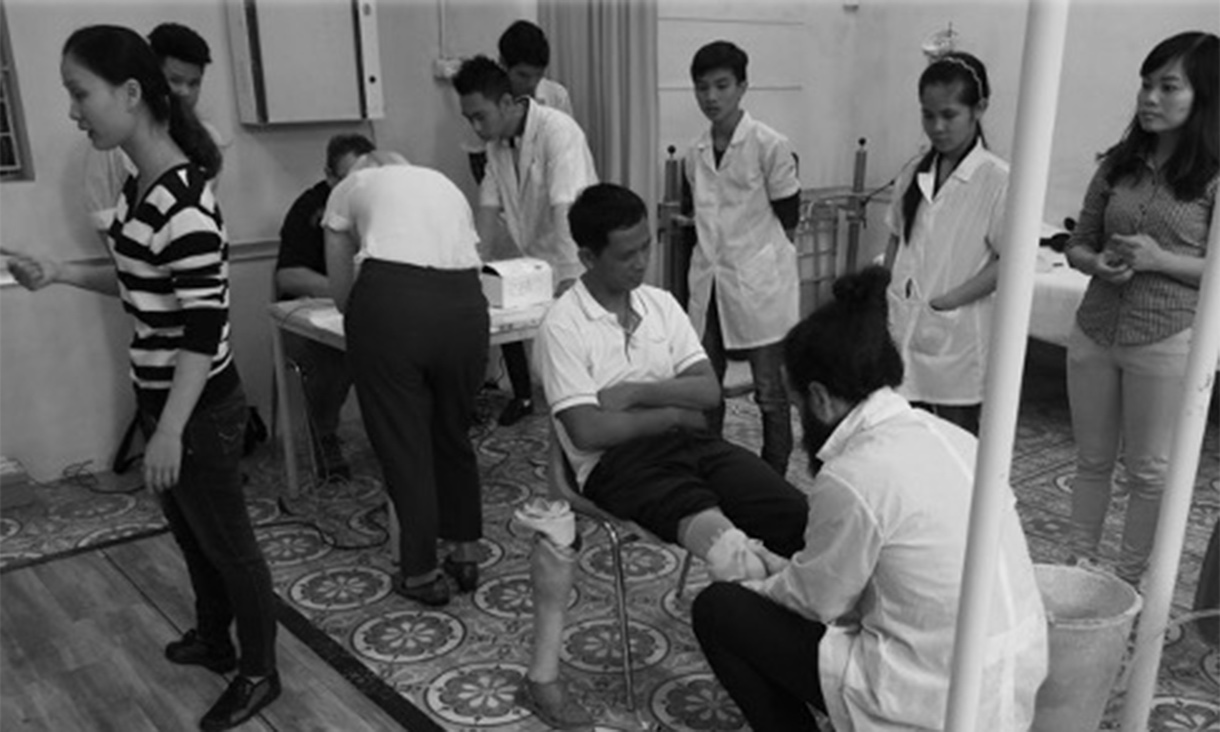
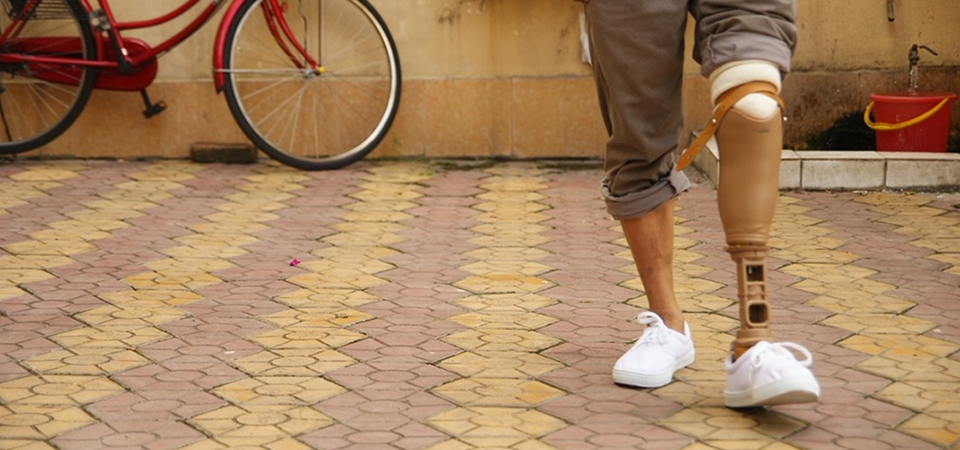
  • Lower leg amputation using the pressure casting socket system (PCAST) developed by our team in Vietnam
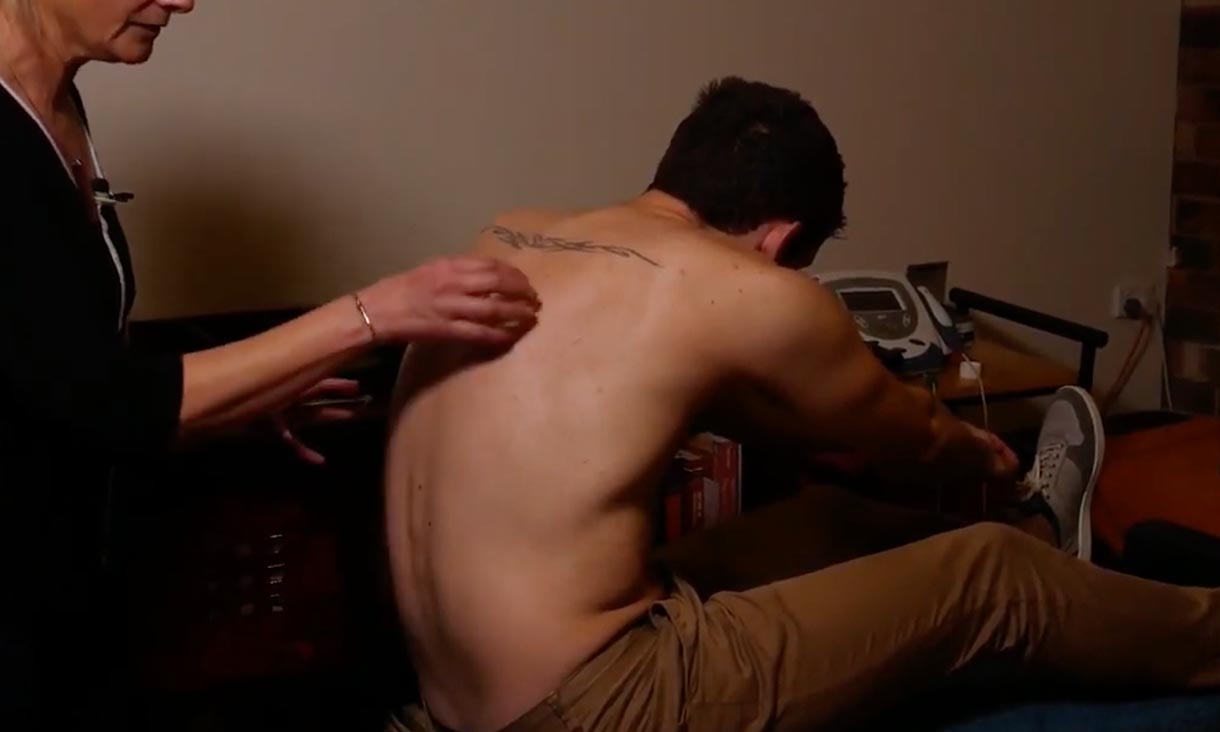
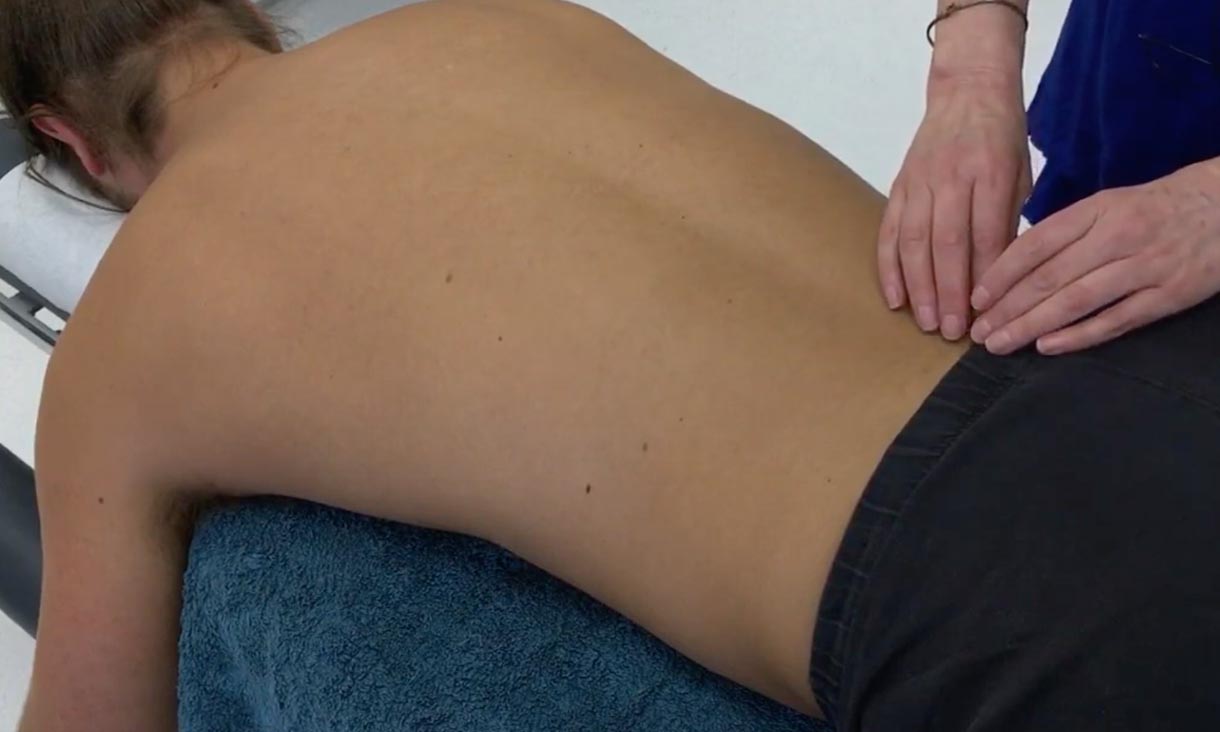
  • Painful and disabling musculoskeletal conditions using Biomechanical Therapy
  • Mental health concerns (using counselling) associated with these conditions

The aim is to build sustainability and the capacity of in-country providers to improve people’s mobility and quality of life. The project is delivered through on-line courses based at RMIT University (Melbourne, Australia) and intensive in-country face-to-face training.

The project is implemented in partnership with well-established in-country community health and rehabilitation programs, and community health workers to deliver effective, low-cost and improved health outcomes. We are currently working with in-country teams based in Indonesia (Pusat Rehabilitasi, YAKKUM) and Timor-Leste (Centro Nacional de Reabilitação). 

Key areas

An innovative socket for people with lower limb amputation

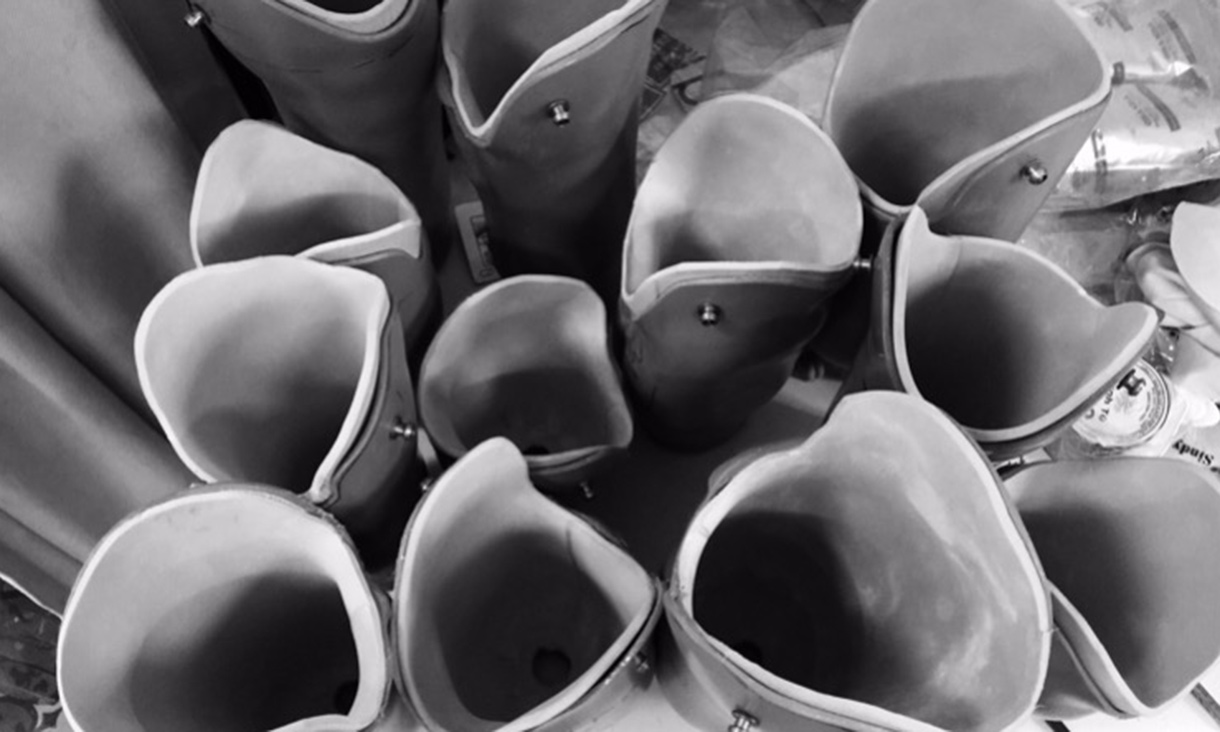
The pressure-cast system produces a well-fitting socket (interface between residual limb and artificial leg), reduces labour cost, skill dependency, fitting errors and is highly portable.

Managing painful and disabling musculoskeletal conditions

Biomechanical therapy techniques to assess and manage painful and disabling musculoskeletal conditions, alleviate pain, improve function and improve a person’s quality of life.

Improving mental health

Counselling techniques to help people with mental health concerns resulting from amputation and painful/disabling musculoskeletal conditions.

On-line training programs

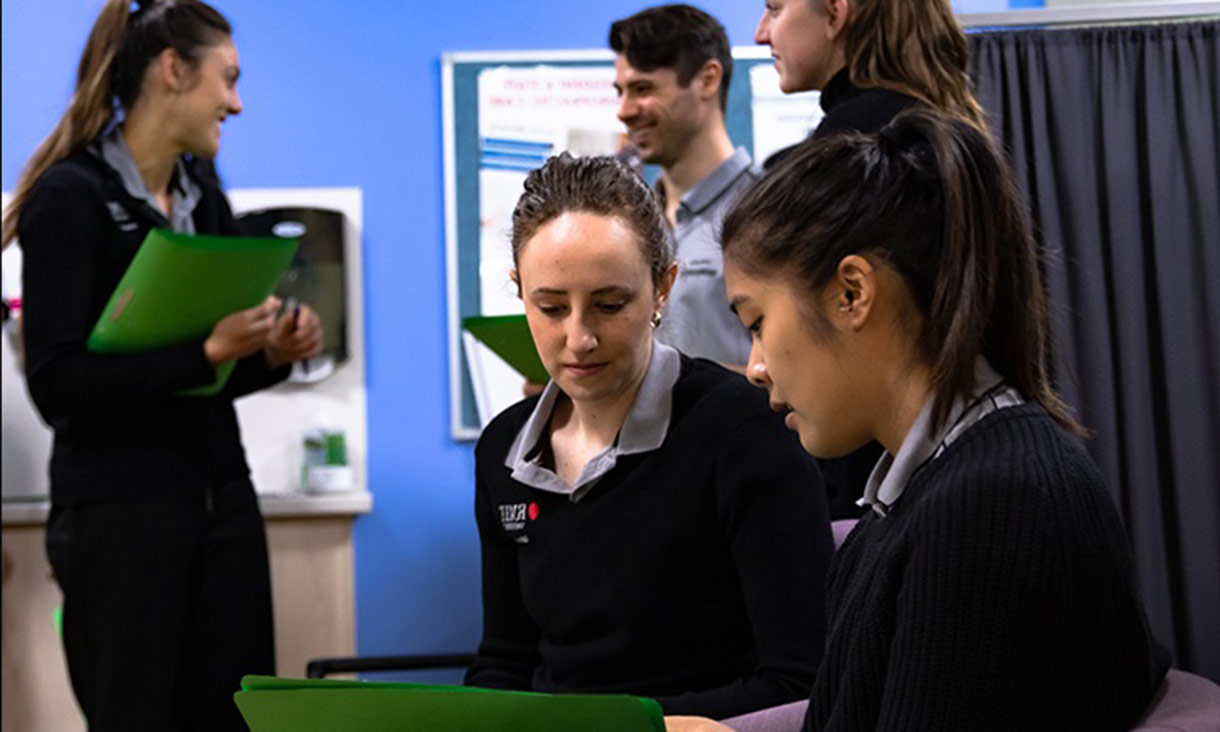
Training of in-country Chief Trainers and Trainers through on-line and face-to-face learning so they can train in-country therapy practitioners (community health workers).

Research

The development, delivery and evaluation of a digital health program for people with lower limb amputation, painful and disabling musculoskeletal conditions and associated mental health concerns.

Key projects

Lower limb socket pressure casting system (PCAST)

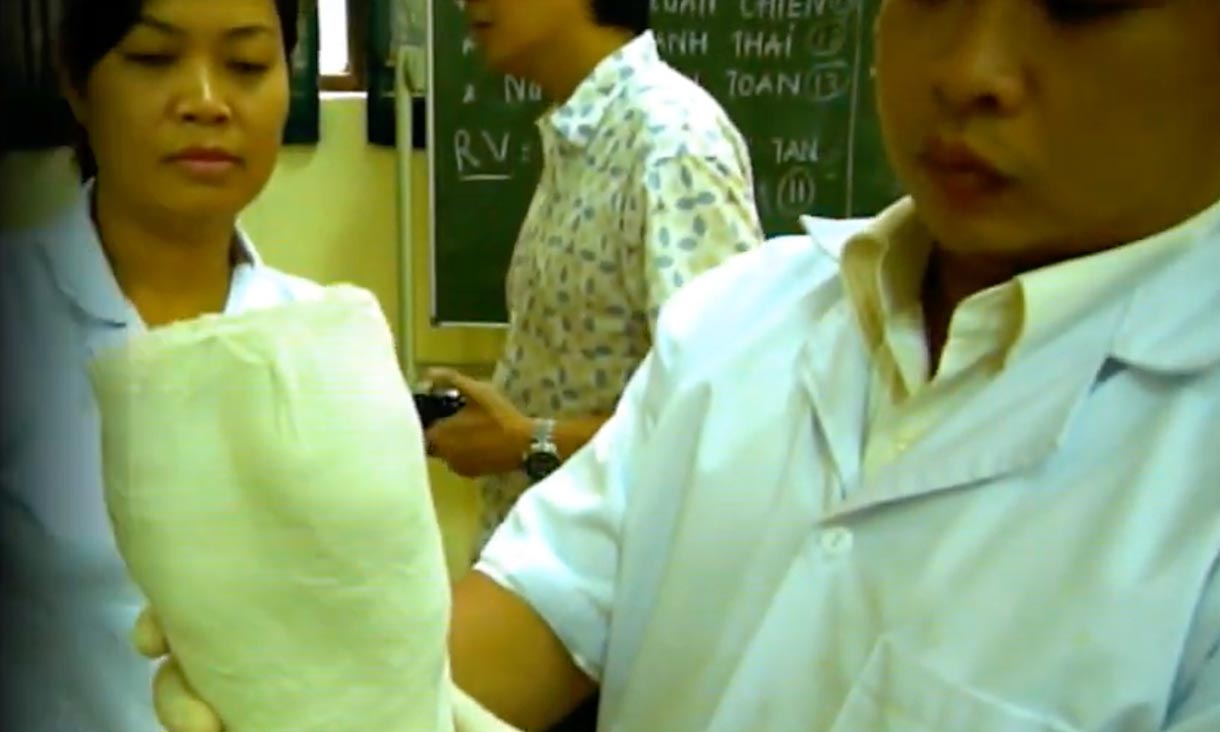
Our work has shown that the innovative PCAST technique produces a well-fitting lower limb socket that can be used with low-cost artificial leg components (ICRC and YAKKUM). The socket is produced through hydrostatic pressure requiring minimal to no rectification by a prosthetist. This reduces skill dependency, fitting errors, labour cost, and the system is highly portable.

Managing painful and disabling musculoskeletal conditions

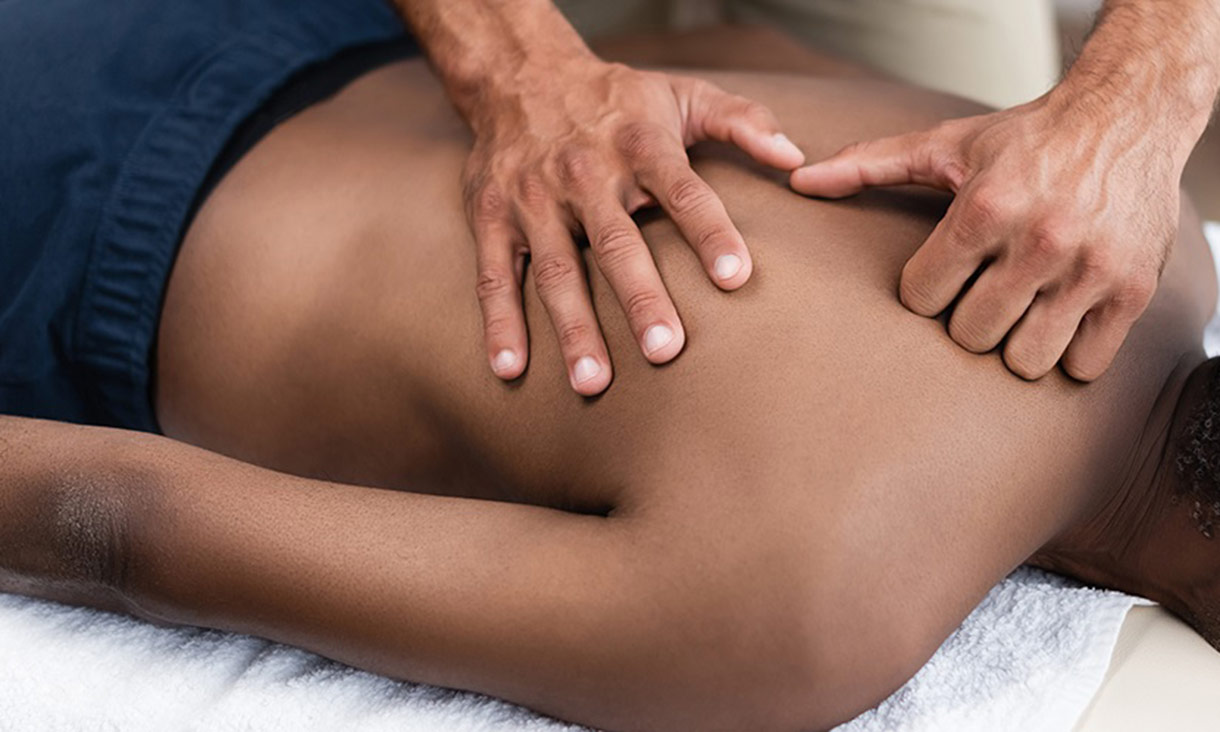
Biomechanical therapy includes the hands-on assessment and management of painful and disabling musculoskeletal conditions, through hands-on treatment as well as exercise and rehabilitation techniques to improve mobility and promote health-related quality of life.

Improving Mental Health

The counselling component of this project aims to specifically help people to better manage mental health conditions associated with amputation and painful/disabling musculoskeletal conditions by upskilling community health workers in counselling techniques and self-help measures for their patients.

Train the Trainers

The ‘Train the Trainer’ component of this project is delivered by training in-country Chief Trainers and Trainers in on-line approaches to digital health learning and the use of technology to prepare them for training in-country therapy practitioners (community health workers).

Research

Ongoing evaluation of the project using a mixed-method approach to identify a flexibly-delivered, digitally-based online framework providing accessible healthcare for communities in need. Participatory Action Research to develop in-country capacity using a distributed leadership approach. Further development of the PCAST system to assist children and people with above knee amputation.
15
Projects

Projects

Read more details about some of the key projects our rehabilitation team are currently working on.
People

People

Read more about the members of our rehabilitation project team from RMIT and across the globe.
Publications

Publications

Read about the key publications that have been authored by our team on topics related to this rehabilitation project.

Contact us

Looking for more information about this project? 

Project Director: Associate Professor Noel Lythgo (RMIT University)

Email:noel.lythgo@rmit.edu.au

Tel: +613 9925 6518

aboriginal flag float-starttorres strait flag float-start

Acknowledgement of Country

RMIT University acknowledges the people of the Woi wurrung and Boon wurrung language groups of the eastern Kulin Nation on whose unceded lands we conduct the business of the University. RMIT University respectfully acknowledges their Ancestors and Elders, past and present. RMIT also acknowledges the Traditional Custodians and their Ancestors of the lands and waters across Australia where we conduct our business - Artwork 'Sentient' by Hollie Johnson, Gunaikurnai and Monero Ngarigo.

Learn more about our commitment to Indigenous cultures