Thanks to the generosity of donors, Australia’s architecture and design history is being brought to new audiences.
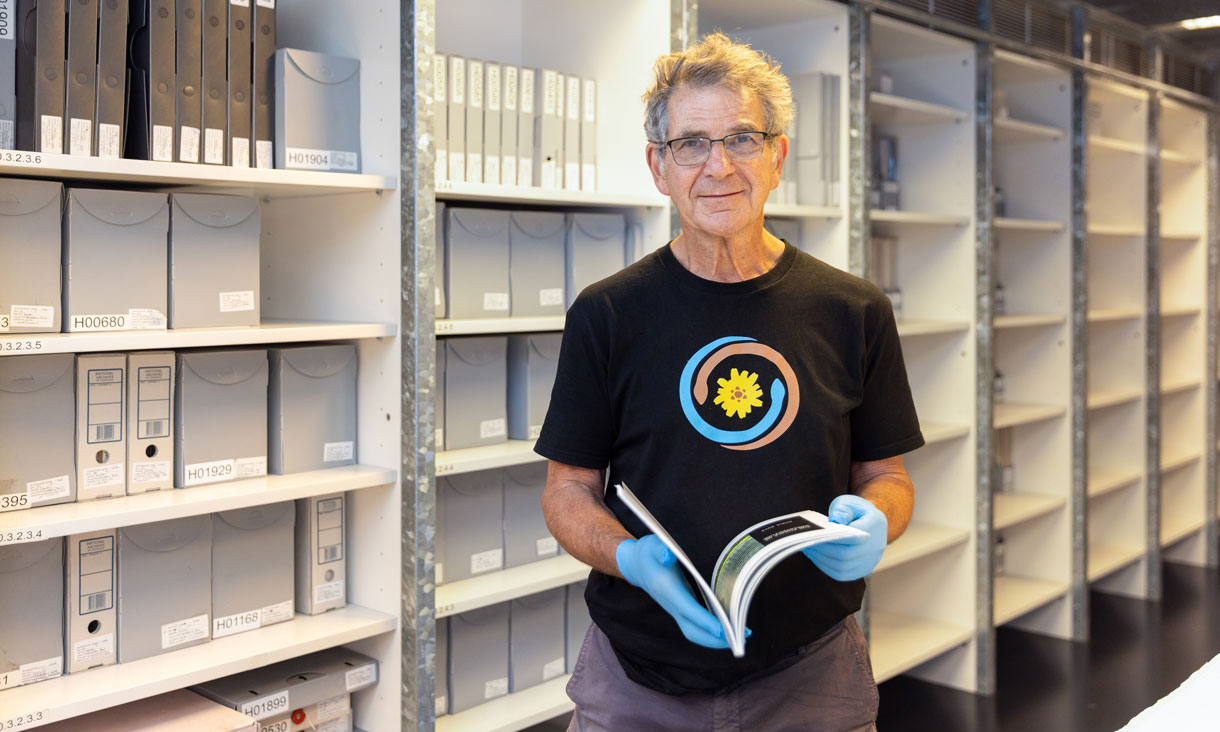
To read the full image descriptions, please click on the individual image above.
For years, some of Australia’s most significant architecture and design treasures have remained hidden away because there was not enough space or funding to bring them to light.
Now, thanks to the generosity of the Isaacson Davis Foundation, the RMIT Design Archives (RDA) is bringing thousands of pieces of important design history alive through strategic support for digitisation and documentation of the collection. What was once at risk of fading quietly into history is now preserved and shared online for students, researchers and design lovers everywhere.
Established by Tony Isaacson and Megan Davis, the Isaacson Davis Foundation has played a key role in supporting the RDA since 2019.
“We recognise that the constant problems with design archives are money and space. Digitising offers an opportunity to capture things that can’t be stored or shown publicly in its physical form, and we like that,” said Tony.
Elizabeth Marsden, RMIT’s Cultural Collections and Public Engagement Manager, said that in 2025, a deliberate decision was made to shift the RDA’s focus to making its collections more accessible and increasing their use.
“We’re now working to embed the RDA more deeply into teaching, learning, and the core business of RMIT. Our digitisation efforts are now guided by what our users need and by conservation priorities, so they’re more targeted,” she said
The impact has been significant. In 2025, the Cultural Collections team were able to reach 999 students through 37 classes and nine studios or electives. They’ve seen a 205 per cent increase in student engagement and a 35.5 per cent rise in time spent using all the collections combined.
“Support from donors like Tony and Megan has really helped us make this shift, allowing us to bring in extra help to expand our digitisation works,” said Elizabeth.
Tony is the Chair of the Robyn Boyd Foundation, which is dedicated to advancing the legacy of Robin Boyd, one of Australia’s most influential architects and public intellectuals. In 2024 Tony was awarded the President’s Prize from the Australian Institute of Architecture’s Victorian Chapter for his work in promoting architecture to the wider community.
“With the Isaacson Davis Foundation’s ongoing support, the RDA has grown its capacity to preserve and share significant architectural collections,” said RDA Curatorial Officer, Ann Carew.
“For example, we have journal editions, high-profile digitisation projects, and the public release of rare collections that give visibility to overlooked narratives – especially female architects – and ensuring fragile records are preserved and accessible for researchers globally.”
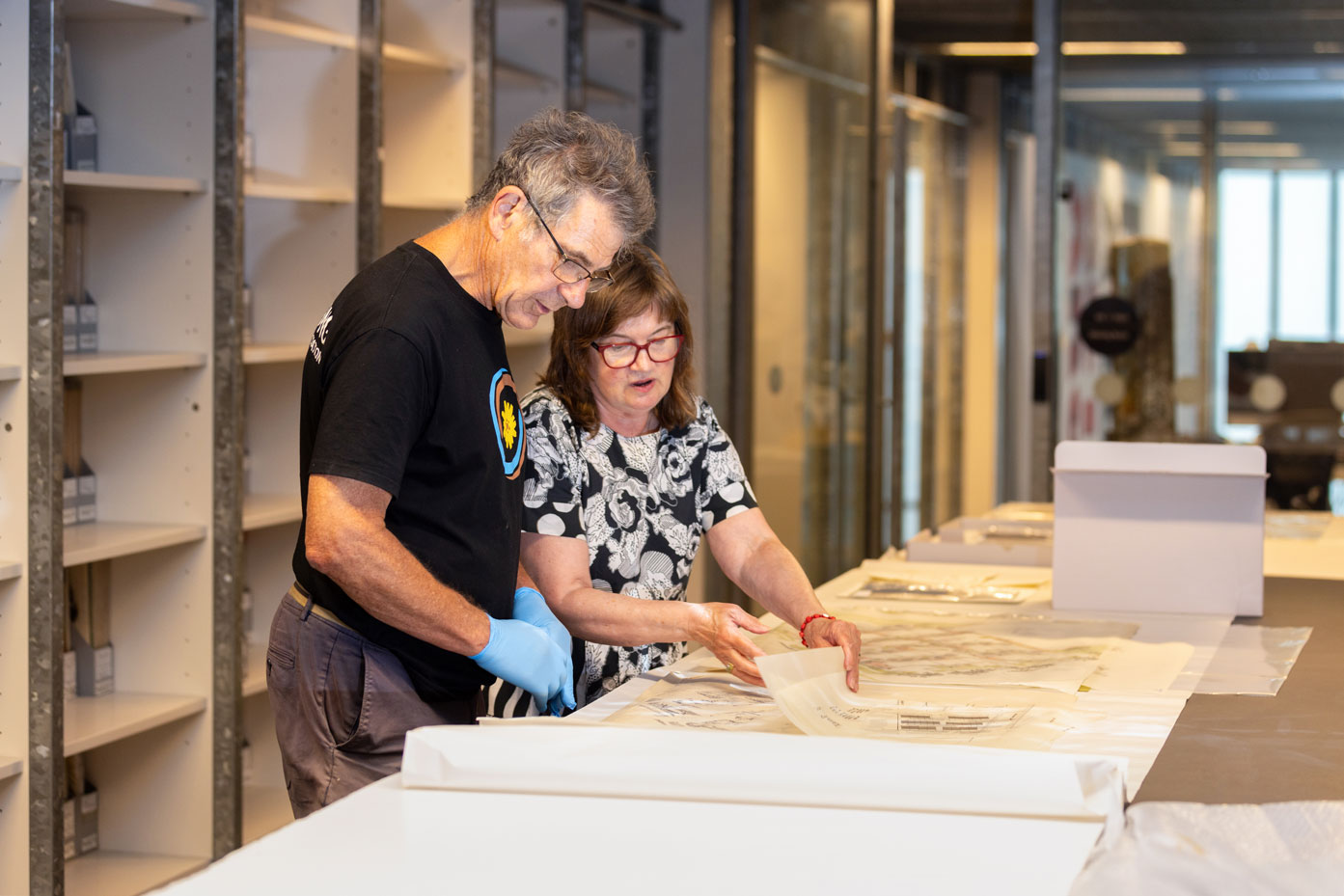
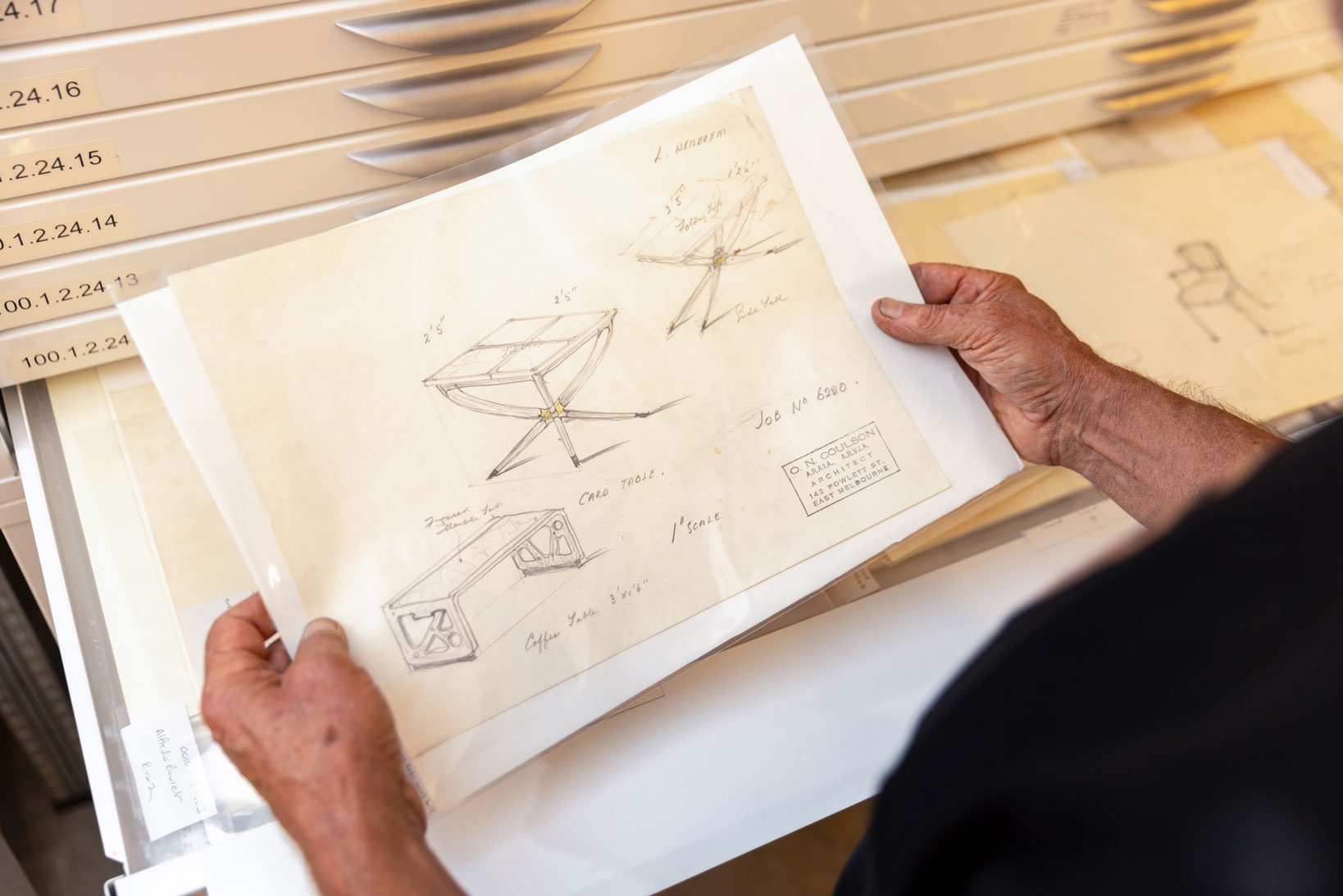
Since 2019, the Foundation has supported the publication of a special Robin Boyd edition of the RDA Journal Vol. 9 No. 2: Robin Boyd Redux, to mark the centenary of Robin Boyd’s birth and involving contributions from prominent RMIT academics. It has also funded the digitisation of significant architectural drawing collections including works from O Noel Coulson, Ernest Fooks, Frederick Romberg and Robin Boyd, and Bernard Joyce and William Nankivell, all of which are now available to the public and researchers online.
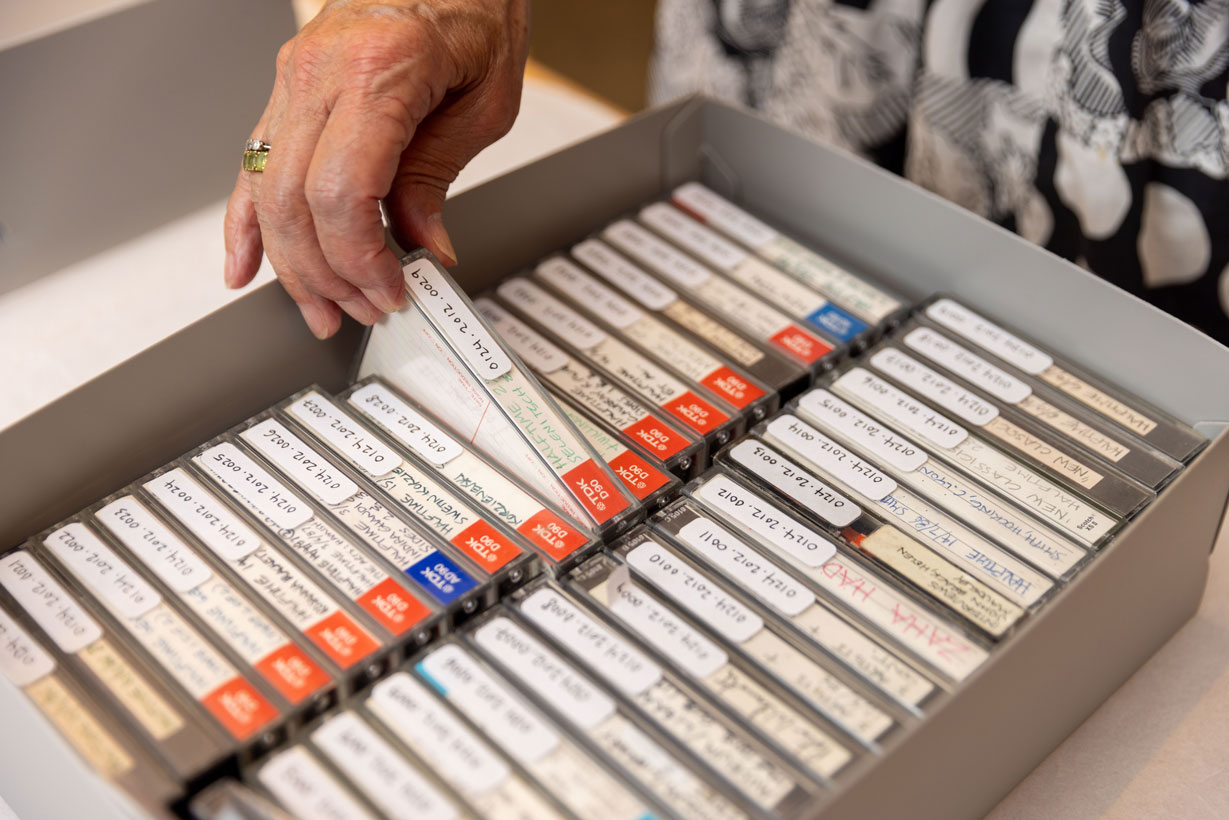
One of the quirkiest projects the Foundation has contributed to is the digitisation of cassette and VHS tapes of the Half-Time Club from 1979. The club was a group of architecture graduates and students who watched established architects present their latest projects and discussed their work with them. These recordings were previously inaccessible, due to the lack of suitable playback equipment, but can now be used for study.
In 2024, the Foundation supported the cataloguing and digitisation of the Berenice Harris Archive, enhancing the visibility of women architects in Melbourne and supporting exhibitions for Melbourne Design Week.
By coincidence, the Robyn Boyd Foundation was given a suitcase of archival material, including drawings and correspondence, from the estate of Berenice (Missy) Harris.
Missy was a distinguished Melbourne architect who made significant contributions to architecture and was known for involvement with the Lyceum Club, an organisation founded in 1912 to support professional women.
“The collection wasn’t directly related to the Robin Boyd Foundation and we felt it was important that it was given to someone who could look after it better than us, so we facilitated the transfer to the RDA,” said Tony.
Most recently, the Isaacson Davis Foundation enabled increased documentation of under-researched collections, resulting in hundreds of new catalogue records. This makes it easier for students, researchers and the wider community to find the information they need.
The RDA stands out in Australia for its broad focus on design, covering everything from architecture and automotive to fashion, graphic, and interior design. With more than 350,000 physical items, and over 16,400 accessible online via the digital archives, it’s a rich resource for anyone interested in design history.
And for Dr Catriona Quinn, a design historian from the University of New South Wales, it has been fundamental to her work.
“Digitisation has supported the inclusion of RMIT materials, in particular from the Noel Coulson archive, in articles and book chapters I have published internationally and in papers at conferences around the world,” she said.
“These bring RMIT Design Archives into the orbit of the world's leading scholars of interior design and architecture and will, in turn, cause them to access its collections and draw Australian histories into global debates.”
Tony said there were “a lot of crossover points” that led to the Isaacson Davis Foundation choosing to support the RDA. “I studied building and construction at RMIT, and I’ve had a life-long interest in design and architecture. I was working on some projects of my own as well as with the Robyn Boyd Foundation and they were all overlapping with what the RDA are doing. I’ve also known Ann Carew for a long time,” he said.
He added that while the Isaacson Davis Foundation’s main interest was in design and built environment, it was committed to supporting the RDA more broadly.
“We give to the Archives and they're the ones largely deciding what they use the money for,” he said.
“We understand that the RDA has limited financial ability to get these things done and we think it’s worthy of our support and does work that we’re interested in. We want to give money to protect the collection in general rather than create some kind of legacy for ourselves.”
Life-changing scholarships
Give to scholarships and help create life-changing opportunities for students facing barriers to education.




