The demand for clinical psychology services has never been greater – yet it’s never been harder to get help.
To read the full image descriptions, please click on the individual image above.
Private mental health practices are under enormous strain, and it’s a particular problem for young people needing psychological support. A 2020 study by the Murdoch Children’s Research Institute found a third were closed to new referrals. Families are facing long waits and high costs to see specialists, and when they finally get an appointment, too often it’s not with their preferred practitioner.
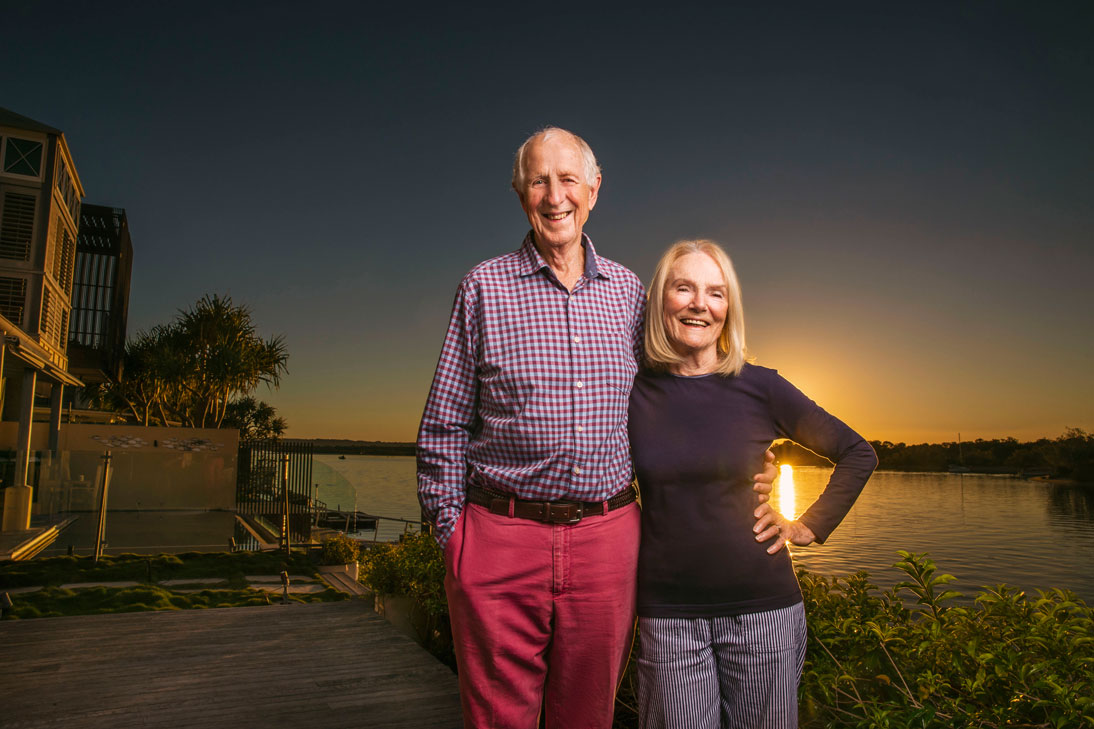
It’s an issue that resonated with Carl and Wendy Dowd, whose family foundation has a strong track record in supporting community causes, many focused on young people.
“With life currently in a state of flux, and with little certainty of immediate improvement, we believe it is especially important that people of all ages can access psychological support,” said Carl. “The ability to reach out to a psychologist for guidance on building resilience and developing strategies to cope with life’s challenges has never been more vital.”
In 2023, they approached RMIT and asked the question: how do we improve mental healthcare outcomes for communities, particularly children? The University’s response, combined with the family’s generosity, has led to changes that will have far-reaching benefits for people across Australia.
Training future psychologists is a long and intensive process: students must complete six years of study and at least 1,000 hours of supervised clinical placements before they can graduate.
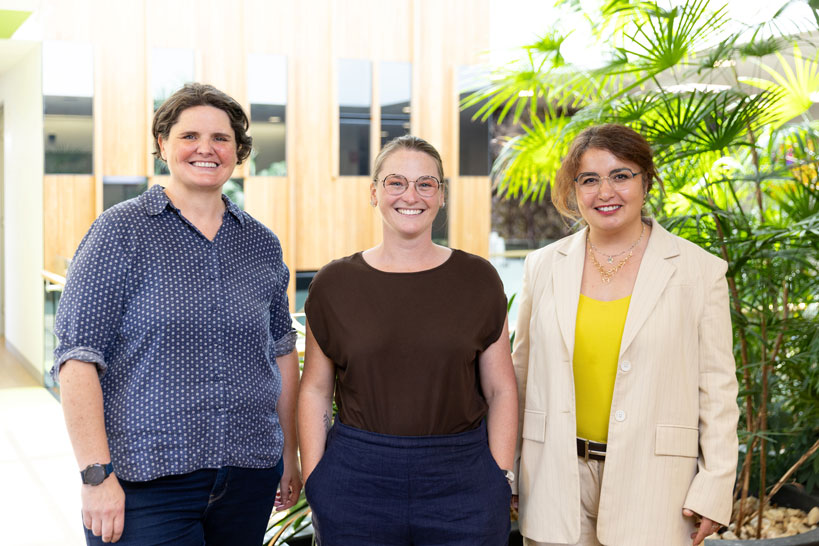
With a shortage of clinical supervisors, there is a limit to how many students can enter the workforce each year, so the psychology team at RMIT including Professor Karen Hallam, Professor Leila Karimi and Dr Tara Quinlivan set about finding a solution.
Thanks to a significant gift from the Dowd Foundation, RMIT has been able to increase the supervision available to students, and secure dozens of additional external placements. As a direct result, the clinical psychology cohort grew from 16 students in 2023 to 35 in 2026, an expansion that would not otherwise have been possible.
Not only does this mean there will be more qualified psychologists graduating in years to come, but the additional trainee psychologists are already making a difference.
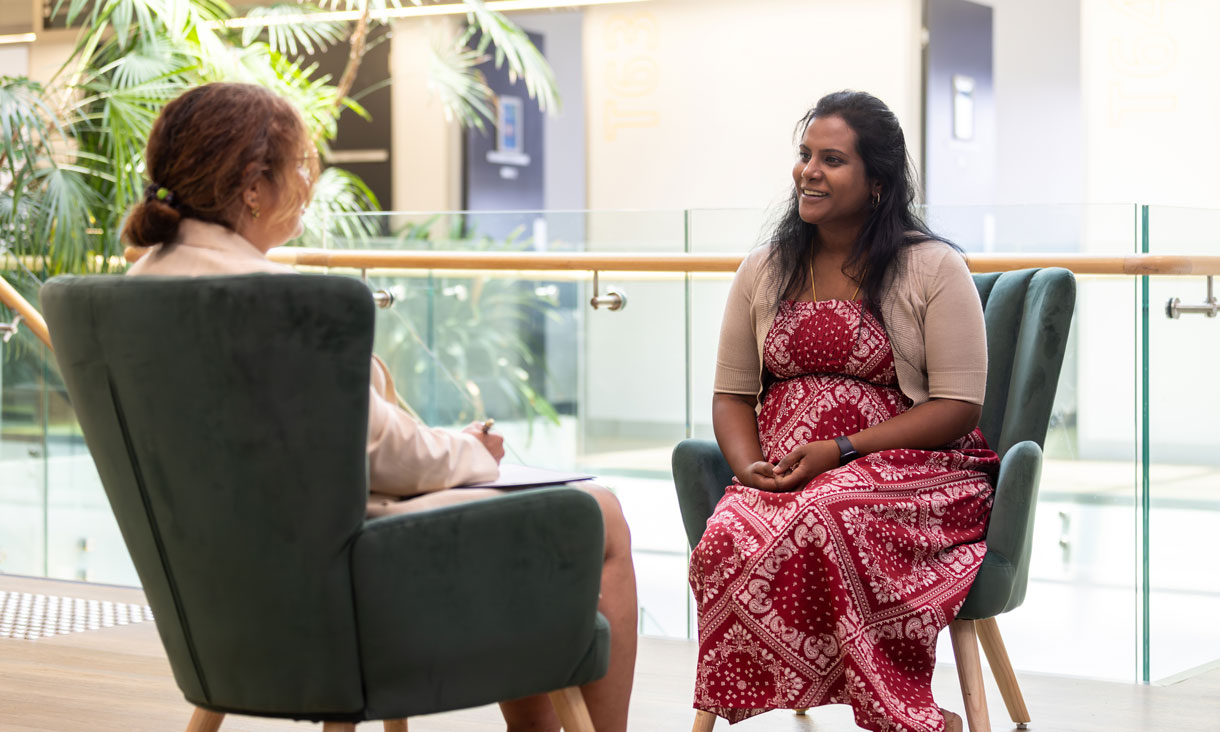
Dr Hallam said: “With more students training on site, the RMIT Health Clinic has been able to extend its reach and provide many more low-cost, evidence-based appointments to the community. This has resulted in hundreds of hours of additional support delivered each year, reducing waiting times and improving access for people who may otherwise struggle to find affordable care.
“At the same time, our students benefit from a richer and more diverse clinical experience. This support has strengthened both our training program and the services we can offer the community.”
Dr Hallam said the Dowd Foundation’s support has been genuinely transformative. “This partnership reflects a shared commitment to delivering real, measurable benefits to the community – something that sits at the heart of RMIT’s value of impact.”
The generous donation of the Dowd foundation has allowed RMIT to provide invaluable education and experience to budding psychologists like me. The passionate faculty and outstanding RMIT Health Clinic have created an excellent learning environment that is moulding informed and caring psychologists of the future.
- Jack Jordan, Student
Life-changing scholarships
Give to scholarships and help create life-changing opportunities for students facing barriers to education.




