People
Our members are expert researchers in their fields.
Our members are expert researchers in their fields.
Our members are expert researchers in their fields.
Our members are expert researchers in their fields.

Centre Director, Centre of Material and Design Exchange (CO:MADE)
 Brunswick Australia
 Fashion & Textile
Fashion and textiles are at a pivotal moment. As the sector responds to environmental, technological and social change, there has never been a greater need for research that connects diverse expertise, perspectives and partners.
At CO:MADE, we know the most complex challenges are solved through collaboration. We bring together creative practice, scientific research and social inquiry to advance material and design innovation that transforms fashion and textile systems. From next-generation materials and manufacturing to circular systems, design innovation and changing consumption practices, our research is united by a commitment to creating more sustainable, resilient and equitable futures.
At the heart of CO:MADE is exchange. Research creates its greatest impact when people, ideas and expertise come together. By connecting different ways of thinking, making and working, we generate new ideas, build lasting partnerships and translate research into meaningful change. That is why we work closely with researchers, industry, government, cultural organisations and communities.
CO:MADE is a place where people connect, ideas are exchanged and research is translated into impact. Whether you are a researcher, student, industry partner, policymaker or community collaborator, we invite you to join us in transforming fashion and textile systems together.
We look forward to working with you.
Associate Professor Taylor Brydges
Director, Centre of Material and Design Exchange (CO:MADE)

Senior Lecturer
Associate Professor
Professor

Sustainability Consultant

Sales and Marketing Manager, Safety & Protective, Bruck Textiles

Head of Sustainability, Country Road Group
Senior Curator, National Wool Museum

VP Circular Strategy & Partnerships, AirRobe

Sustainability and Impact Manager, DISSH

Global Sourcing Compliance Manager, Zimmermann

Lecturer

Associate Professor

Senior Lecturer

Lecturer, Fashion Design (ACDF) (Education Focused)

Lecturer

Associate Lecturer

Associate Dean, Research and Innovation

Lecturer, Fashion Design
Lecturer, Enterprise & Technology

Senior Lecturer
Lecturer, Fashion Design & Enterprise

Associate Dean, Design
Lecturer

Vice Chancellor’s Principal Research Fellow
Lecturer, Fashion Design
Associate Lecturer

Lecturer, Landscape Architecture

Lecturer, Fashion & Textiles

Lecturer

Lecturer, Fashion & Textiles

Senior Lecturer
Senior Lecturer

Vice Chancellor's Principal Research Fellow
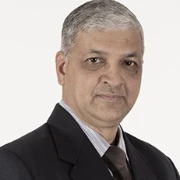
Professor
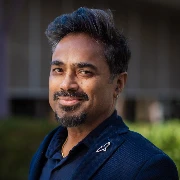
Associate Dean, Enterprise

Dean, School of Fashion & Textiles

Lecturer
Lecturer

Senior Lecturer
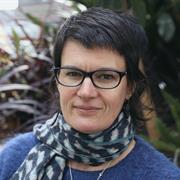
Lecturer, Enterprise & Technology
Senior Lecturer

Senior Lecturer

Research Fellow

Associate Dean, Learning & Teaching
Lecturer, Fashion & Textiles

Associate Professor

Associate Professor

Lecturer - Fashion Design

Associate Dean, Research and Innovation
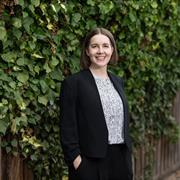
Senior Lecturer Fashion and Textiles
Lecturer Fashion Design
Associate Professor

Lecturer

Senior Technical Officer
Senior Technical Officer
The Centre of Material and Design Exchange is proud to be a part of an international network of interdisciplinary experts exploring evolving dynamics of sustainable fashion consumption.

Dr. Rebecca Collins is a Lecturer in Environmental Science at the University of Southampton. Her research focuses on the relationship between people and the environment, with particular emphasis on the benefits people receive from nature and on sustainable behaviours, choices, and ways of living in urban environments. She is interested in how individuals understand and engage with sustainability, and how environmental conditions shape wellbeing and behaviour, alongside how human choices and consumption patterns influence environmental outcomes. Her work draws on social surveys, spatial models, and novel statistical methods to explore preferences, trade-offs, and inequalities in the distribution of environmental benefits. Through collecting and analysing data on how people interact with their environments, her work aims to inform policies and interventions that enable more equitable, healthy, and sustainable urban living.

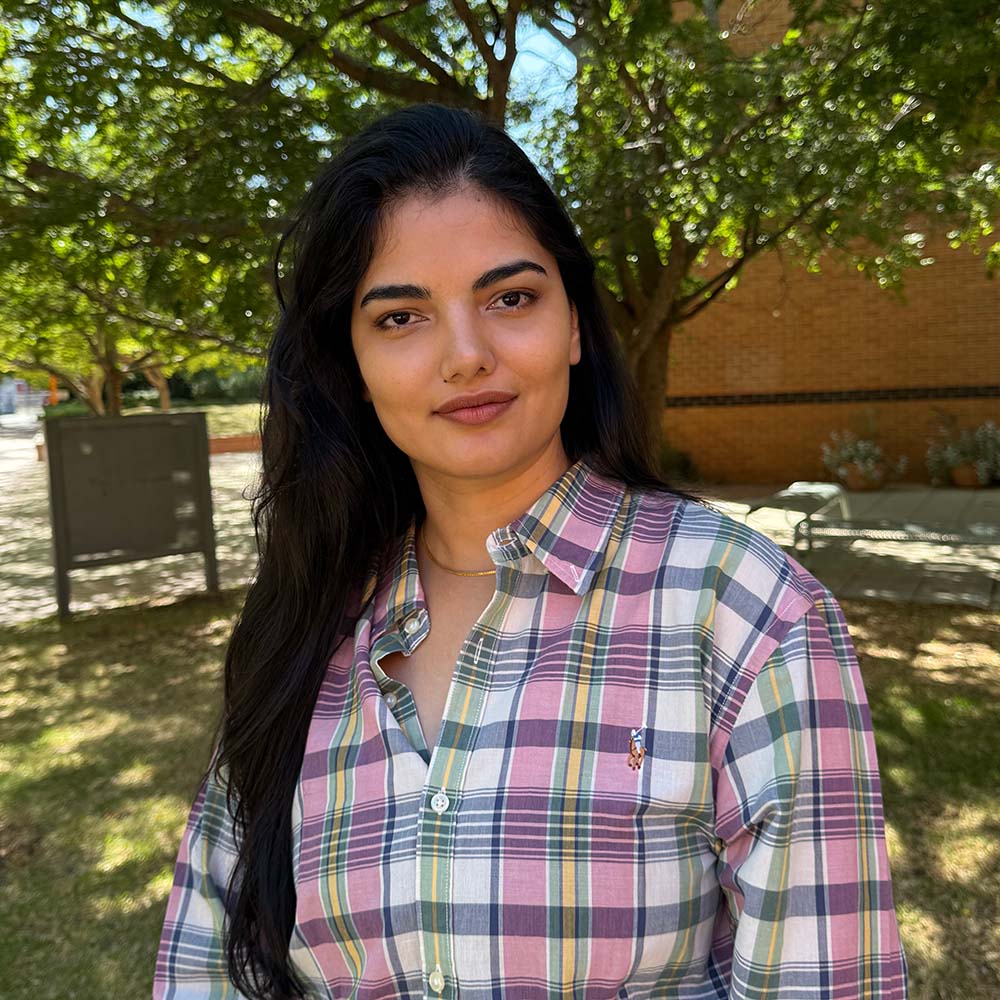
Dr. Paz Concha is Associate Professor and Director of the Economy and Society Research Centre (ESOC) at Universidad Central de Chile. She holds a PhD in Sociology and an MSc in Culture and Society from The London School of Economics and Political Science (LSE), and a BA in Social Anthropology from Universidad de Chile. Her research lies at the intersection of cultural economy, economic sociology and urban studies, with a particular emphasis on ethnographic approaches. She is currently the Principal Investigator of the ANID FONDECYT Initiation project “Understanding Value in the Circular Economy: The Case of the Textile Industry in Chile” (2025–2028), which examines processes of value creation, circulation, and contestation within Chile’s textile circular economy.

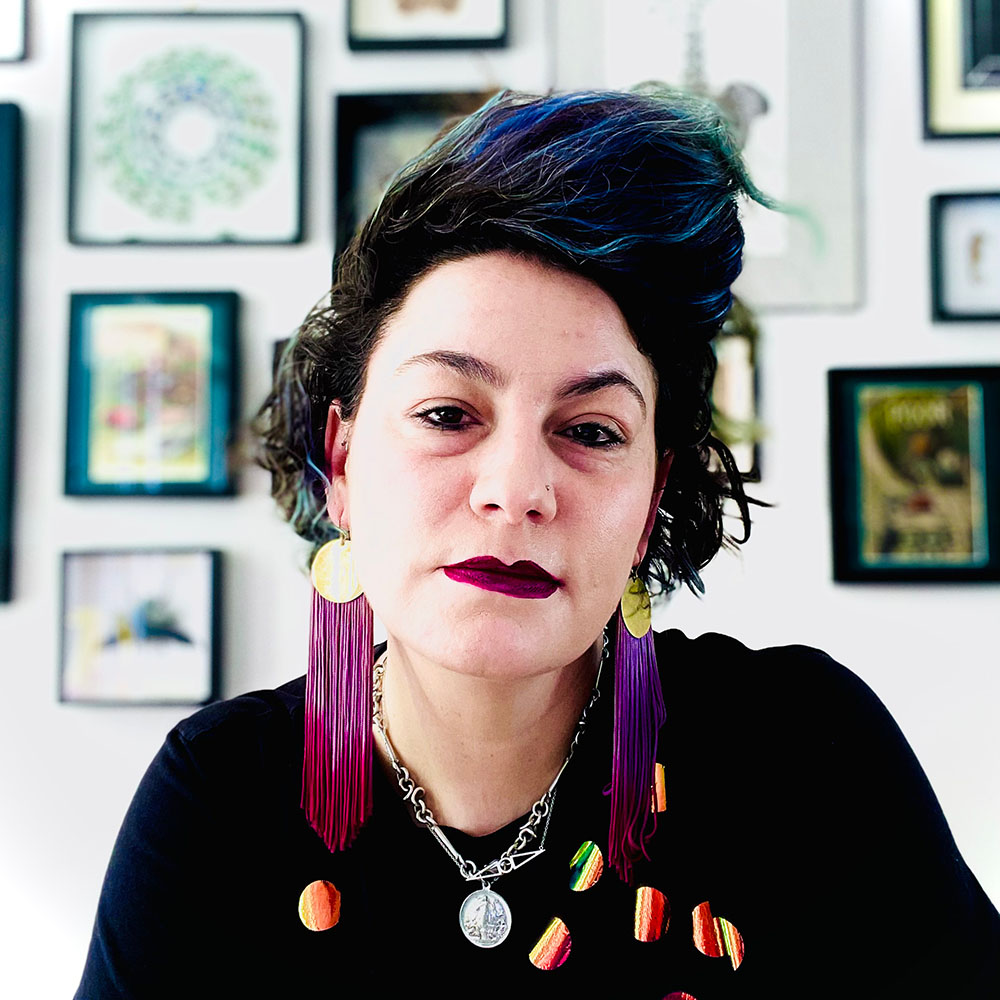
Dr. Fiona Drummond is a postdoctoral fellow in economics at Rhodes University, South Africa. Her doctoral research focused on the effects and legacies of COVID-19 on creative labour markets, in particular freelance workers, and the changing spatial dynamics of creative work. She won the Economics Society of South Africa’s gold, silver and bronze medals for her doctoral, Master’s and Honours research, respectively. Her interdisciplinary research applies economic and geographic methods to study creative economies. Fiona’s research interests cover various aspects of cultural economics, including creative labour markets, creative entrepreneurship, creative financing models, mapping creative economies, creative industries clustering, arts festivals, public art, heritage and creative tourism, and creative place-making.

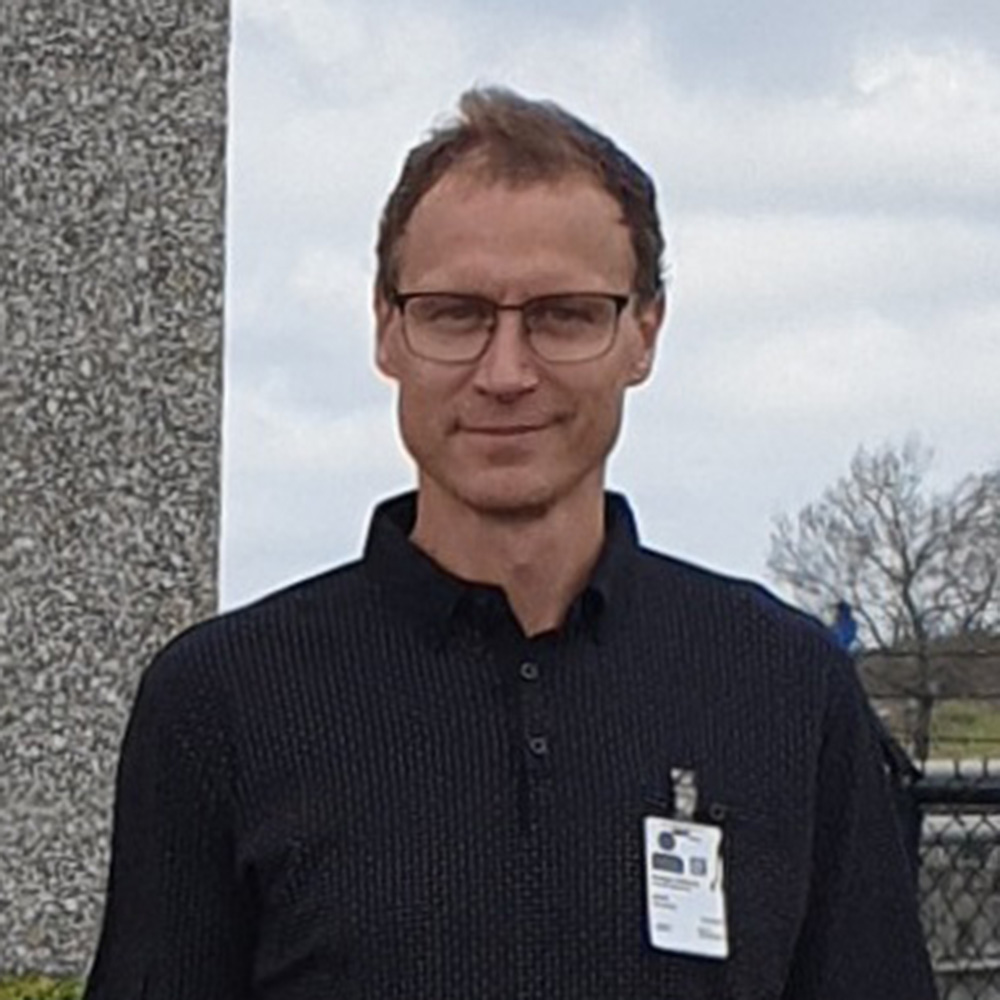
Dr. Brian J. Hracs is an Associate Professor in the School of Geography and Environmental Science at the University of Southampton. His research examines how digital technologies, sustainability challenges and global competition are reshaping fashion and other creative industries. Drawing on a range of interdisciplinary perspectives, he investigates fashion systems, entrepreneurship, creative labour, consumption, curation, value creation and the changing relationships between producers, intermediaries and consumers. Brian has published widely on the fashion industry, including research on digitisation, circular business models, branding, entrepreneurship and sustainability. An internationally recognised scholar, he has delivered over 150 talks in 25 countries and his work has informed debates on the future of fashion in both established and emerging markets. He has led and contributed to international research projects across Europe, Africa, Asia and North America, including studies of sustainable fashion, creative economies and entrepreneurship. An award-winning educator, Brian also teaches and supervises research on fashion, sustainability and the creative economy.

Q'ala Blacker Polanco is a Chilean researcher whose expertise lies at the intersection of sustainable fashion, circular economy, and sustainability transitions. Her work focuses on understanding the environmental and social dimensions of the fashion industry, with particular interest in second-hand clothing markets, textile reuse, circular business models, and sustainable consumption practices. She has participated in interdisciplinary research projects examining the role of circular economy strategies in promoting more sustainable fashion systems in Chile. Her research combines environmental analysis with an interest in consumer behaviour, waste reduction, resource efficiency, and the transition towards more sustainable production and consumption models. She is currently collaborating on projects that explore the development and impact of circular fashion initiatives and second-hand clothing platforms. In September 2026, Q'ala will begin a PhD at the University of Southampton, United Kingdom. Her doctoral research will further explore sustainability and circular economy approaches, building on her experience in sustainable fashion and environmental research. Through her work, she aims to contribute to the development of evidence-based solutions that support a more sustainable, circular, and socially responsible fashion sector at both national and international levels.
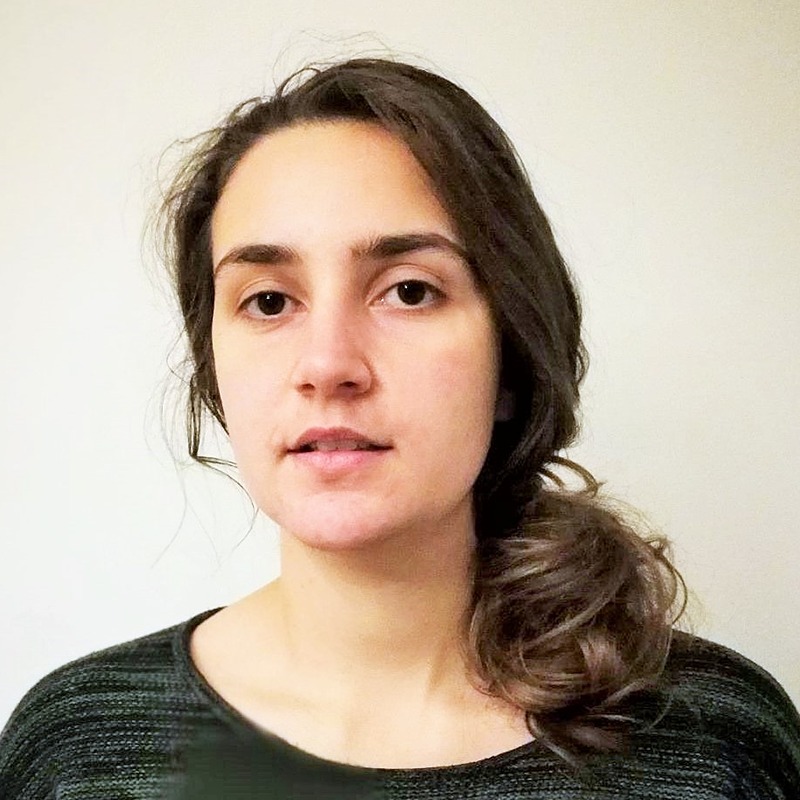
Dr. Rhiannon Pugh is a Senior Lecturer, Centre for Innovation Research (CIRCLE) and Department of Design Sciences, Lund University, Sweden. Her research interests include: regional economic development; economic geographies of weaker, post-industrial and peripheral regions; entrepreneurial ecosystems, the roles of universities in regional development; gender perspectives within economic geography. Empirically, her work has included a range of sectors including the fashion industry.
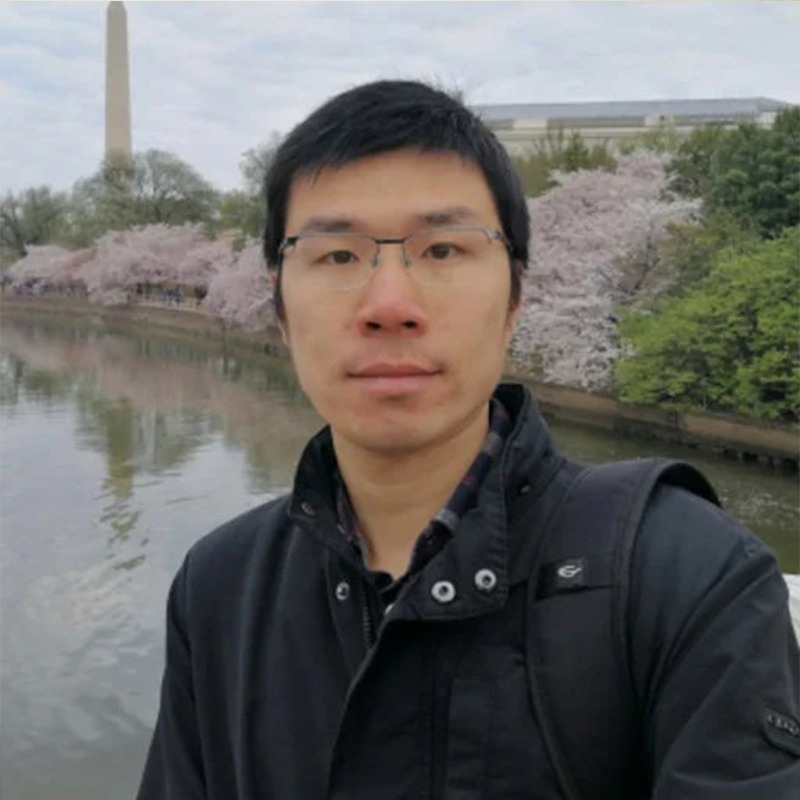
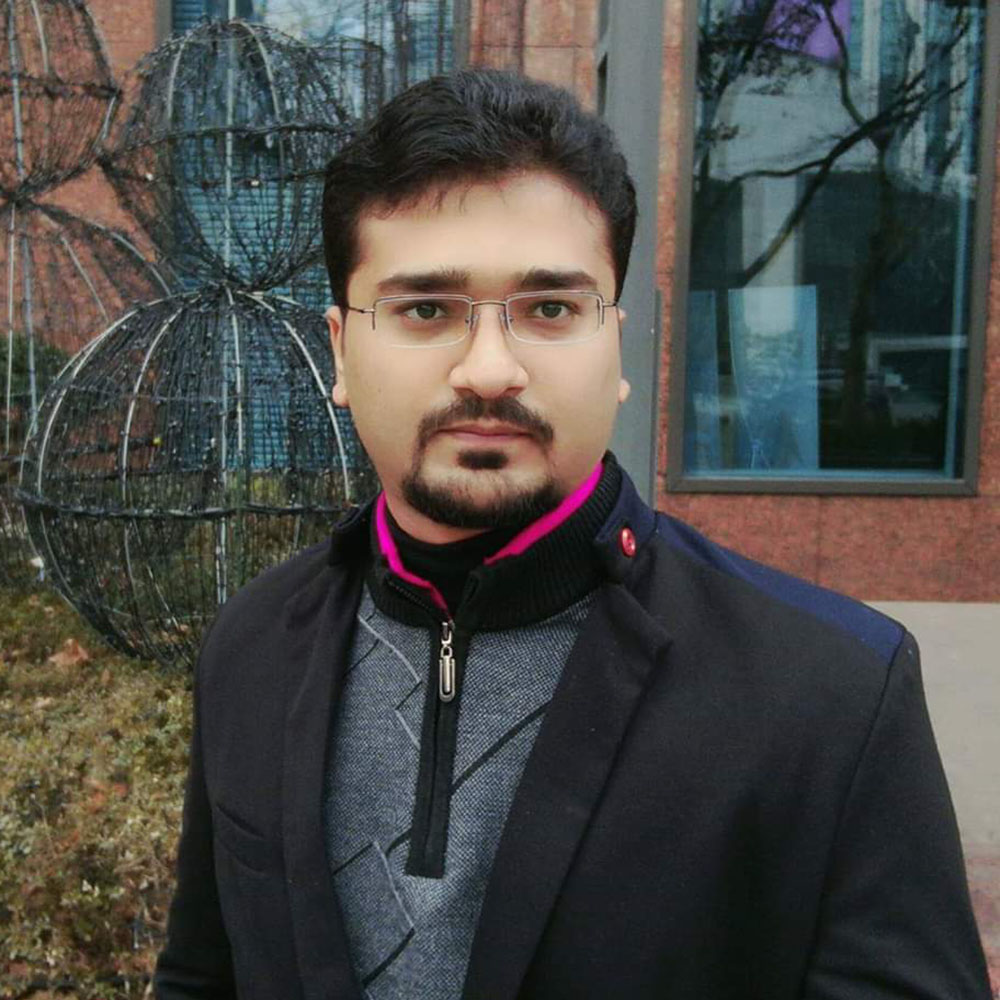
Dr. Xu Zhang is an associate professor in Geography at the Department of Spatial Information and Planning, Wuhan University of Technology. He received his doctorate in Human Geography from the University of Amsterdam and was a visiting scholar at the University of Manchester. As an urban geographer, his research focuses on the transformative impacts of cultural economies on urban spaces and networks, particularly within the context of emerging economies. His current work centers on the globalization and transnational production networks of China’s cultural and creative industries, including the fashion industry. One of his recent studies explores the geographical shifts and inter-place connections of fashion cities through the lens of fashion weeks. He has published in a range of international peer-reviewed journals, such as Geoforum, Urban Geography, Regional Studies, Urban Studies, and Applied Geography.


RMIT University acknowledges the people of the Woi wurrung and Boon wurrung language groups of the eastern Kulin Nation on whose unceded lands we conduct the business of the University. RMIT University respectfully acknowledges their Ancestors and Elders, past and present. RMIT also acknowledges the Traditional Custodians and their Ancestors of the lands and waters across Australia where we conduct our business - Artwork 'Sentient' by Hollie Johnson, Gunaikurnai and Monero Ngarigo.
Learn more about our commitment to Aboriginal and Torres Strait Islander peoples