Four ways to future-proof your fashion career

Fashion has always been an evolving industry, but today it's transforming faster than ever.

New technologies are reshaping how clothes are designed, made and sold. At the same time, growing expectations around sustainability and transparency are influencing everything from the materials brands use to how products are manufactured, marketed and even repaired or resold. 

If you're considering a career in fashion, there's every reason to feel excited. These shifts are creating new opportunities for people who are creative, curious and willing to keep learning. Whether you see yourself as a designer, stylist, product developer or working in the business of fashion, understanding where the industry is heading will help you make confident choices and build a career that's ready for what's next. If you're exploring where to study, RMIT is ranked #1 in Australia and #19 in the world for Art and Design*, giving you the opportunity to learn at one of the world's leading creative universities. 

Unsure where to start? Here are four ways to future-proof your fashion career at RMIT.

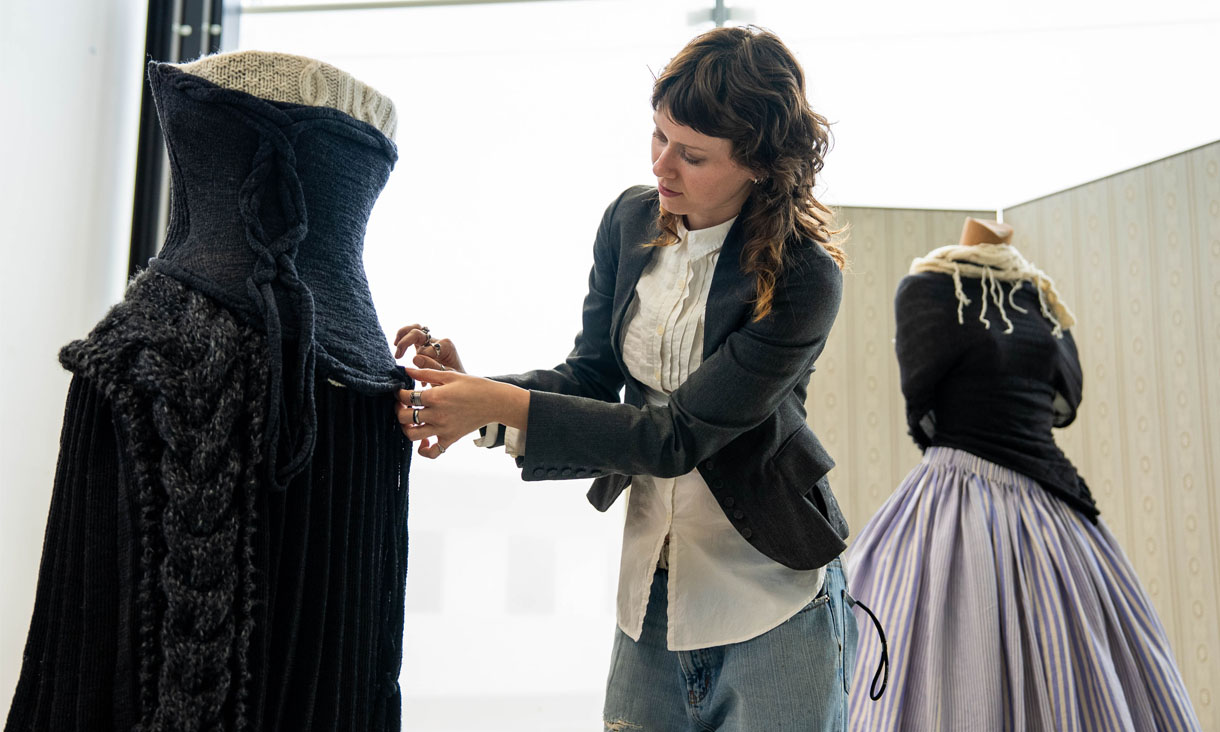
An RMIT fashion student working on a costume on a mannequin

#1: Understand the future of fashion 

One of the biggest changes in fashion in the last few years is the growing focus on sustainability. While fast fashion has made clothing more affordable and accessible, it's also led to more waste and encouraged people to think differently about the clothes they buy. 

This has helped drive the rise of slow fashion, an approach that values quality, longevity and making clothes in sustainable, responsible ways. More shoppers are asking where their clothes come from, what they're made from and how long they'll last. In response, brands are rethinking everything from fabric choices and production methods to repair, resale and recycling. 

If you're studying fashion today, these are the kinds of challenges you'll help solve throughout your career. That's why sustainability is becoming part of fashion education, not just fashion itself. When choosing a course, consider one that explores both the creative and environmental challenges shaping the future of the industry. For example, RMIT's Bachelor of Fashion Sustainability brings together technology and innovation to prepare you to rethink real-world design challenges. That focus extends across the university, with RMIT recently ranked in the world's top 10 for three United Nations Sustainable Development Goals in the 2026 Times Higher Education Sustainability Impact Ratings. 

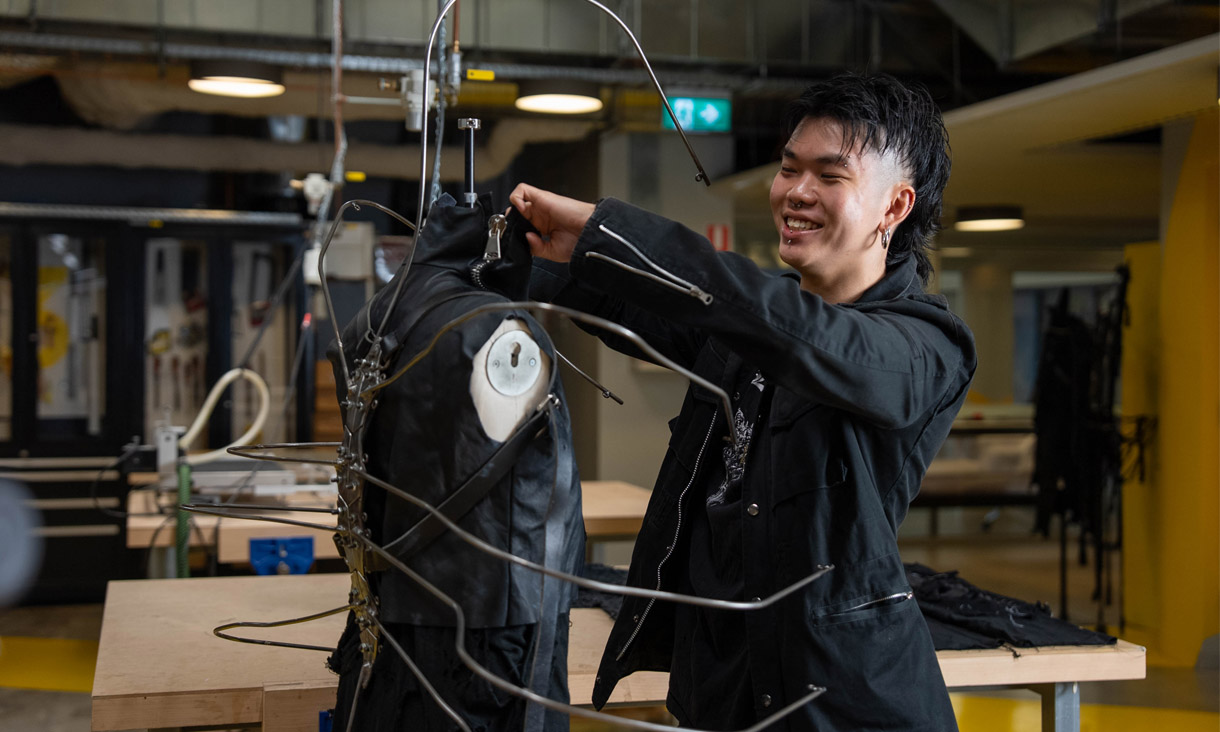
An RMIT fashion student working on a costume made of black fabrics and metal wires

#2: Look beyond the design studio 

When people think about working in fashion, they often picture designers or stylists. While those careers are still an important part of the industry, they're only one piece of the picture. 

Bringing a fashion collection to life takes people with many different skills. Product developers turn ideas into products, textile specialists explore new materials, ethical sourcing experts work with suppliers, while marketers and merchandisers help connect products with customers. As technology continues to transform fashion, new careers are also emerging in areas like digital design, data and innovation. 

Exploring these different pathways can help you discover a career you may not have considered. You might love creativity but also enjoy solving problems, working with new technologies or finding better ways to make fashion more sustainable. For those drawn to innovation and entrepreneurship, RMIT's Bachelor of Fashion (Enterprise) offers a pathway into the commercial side of the industry, from product development and brand strategy to bringing new ideas to market. 

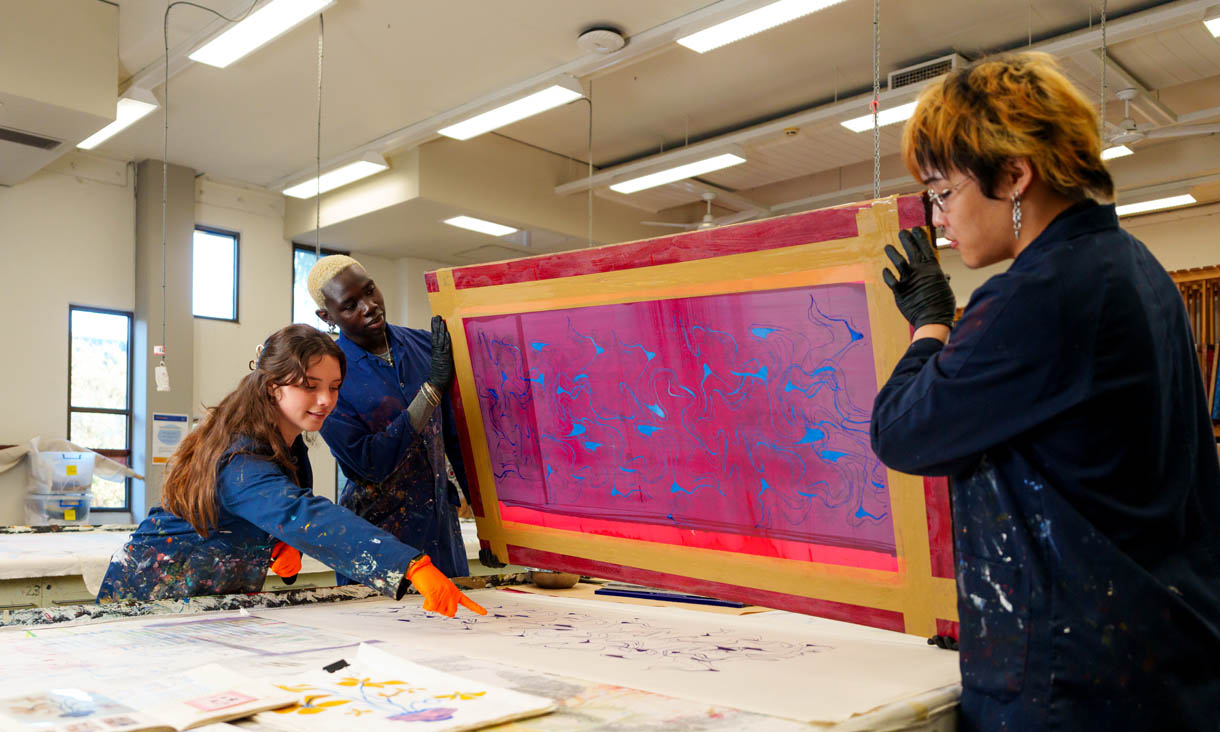
Three RMIT fashion students pressing ink patterns onto a piece of fabric
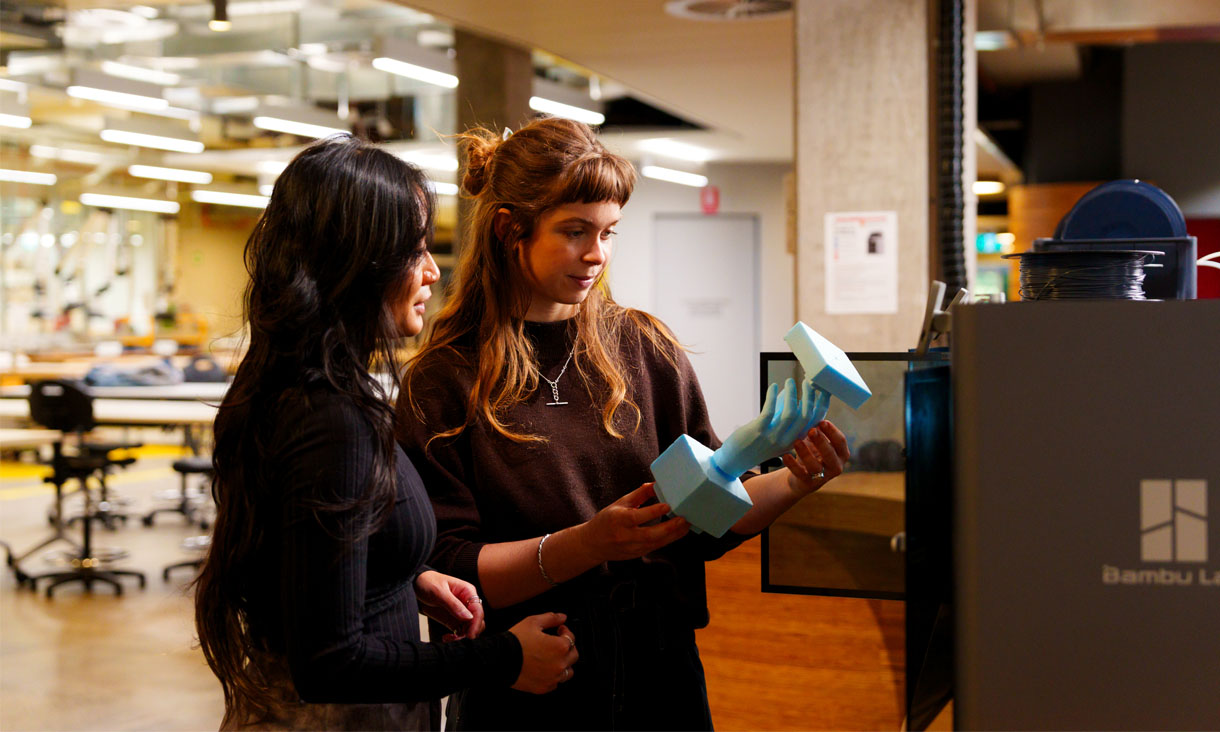
Two RMIT Fashion students holding a 3d printed hand made of filament

#3: Build skills that help make ideas become reality  

Great fashion doesn't happen in isolation. Every garment passes through many hands before it reaches a customer, from design and product development to sourcing, manufacturing, marketing and retail. 

Understanding how these different parts of the industry connect will make you a stronger fashion professional, whatever career you choose. For example: 

  • Working in retail and learning about consumer behaviour can help you create products people actually want.  
  • Understanding ethical sourcing can help brands improve how and where their products are made, making products more sustainable.  
  • Knowledge of product development can help turn creative ideas into products ready for market. 
  • Understanding of supply chains can help businesses reduce waste and improve the way products move from concept to customer. 

These skills can open the door to opportunities across the fashion industry, whether you're working for an established brand, launching your own label or developing more innovative and sustainable ways of creating fashion.  

Throughout RMIT's Bachelor of Fashion (Design), students build these skills through practical projects and industry engagement, helping them graduate with experience as well as ideas. 

#4: Stay curious and keep learning 

The fashion industry won't stop changing once you graduate. New technologies, artificial intelligence (AI), novel materials and business models will continue to reshape the industry. Some of the fashion jobs you'll be able to apply for in the future may not even exist yet. 

That's why curiosity is one of the most valuable skills you can develop. Following industry trends, exploring new opportunities, learning from others and staying open to new ideas will help you continue to grow as fashion evolves. RMIT's fashion programs span design, enterprise and sustainability, giving students the opportunity to build specialised expertise while understanding the broader forces shaping the future of fashion. 

Two RMIT Fashion students working on outfits on mannequinns

Explore fashion on 9 August at Brunswick Open Day

Our Brunswick Open Day is a great opportunity to experience RMIT's fashion community firsthand. You can tour the studios and creative spaces, meet academics and current students, and explore the different study pathways available. 

All of RMIT's fashion programs are based at the Brunswick campus, where students learn in industry-standard studios and workshops designed to reflect professional practice. The campus is home to the $8 million Fashion Hub, where students put ideas into practice using professional equipment while building the technical skills and experience needed for a career in fashion.  

The future of fashion will be shaped by creative people who are willing to think differently. By understanding the industry's biggest challenges, exploring the many career opportunities and continuing to learn, you'll be well placed to build a career that's both rewarding and ready for what's next. 


Story: Angela Brayton


aboriginal flag float-starttorres strait flag float-start

Acknowledgement of Country

RMIT University acknowledges the people of the Woi wurrung and Boon wurrung language groups of the eastern Kulin Nation on whose unceded lands we conduct the business of the University. RMIT University respectfully acknowledges their Ancestors and Elders, past and present. RMIT also acknowledges the Traditional Custodians and their Ancestors of the lands and waters across Australia where we conduct our business - Artwork 'Sentient' by Hollie Johnson, Gunaikurnai and Monero Ngarigo.

Learn more about our commitment to Indigenous cultures