Discover how RMIT Engineering research is driving innovation and delivering real-world impact across industry and society.
Next-generation proton batteries
RMIT has been at the absolute forefront of developing proton battery technology. Highlighting the recent breakthroughs in using carbon electrodes and water to store energy offers a fantastic narrative about moving away from lithium-ion dependency and solving critical global energy storage challenges.
3D-printed diamond–titanium device
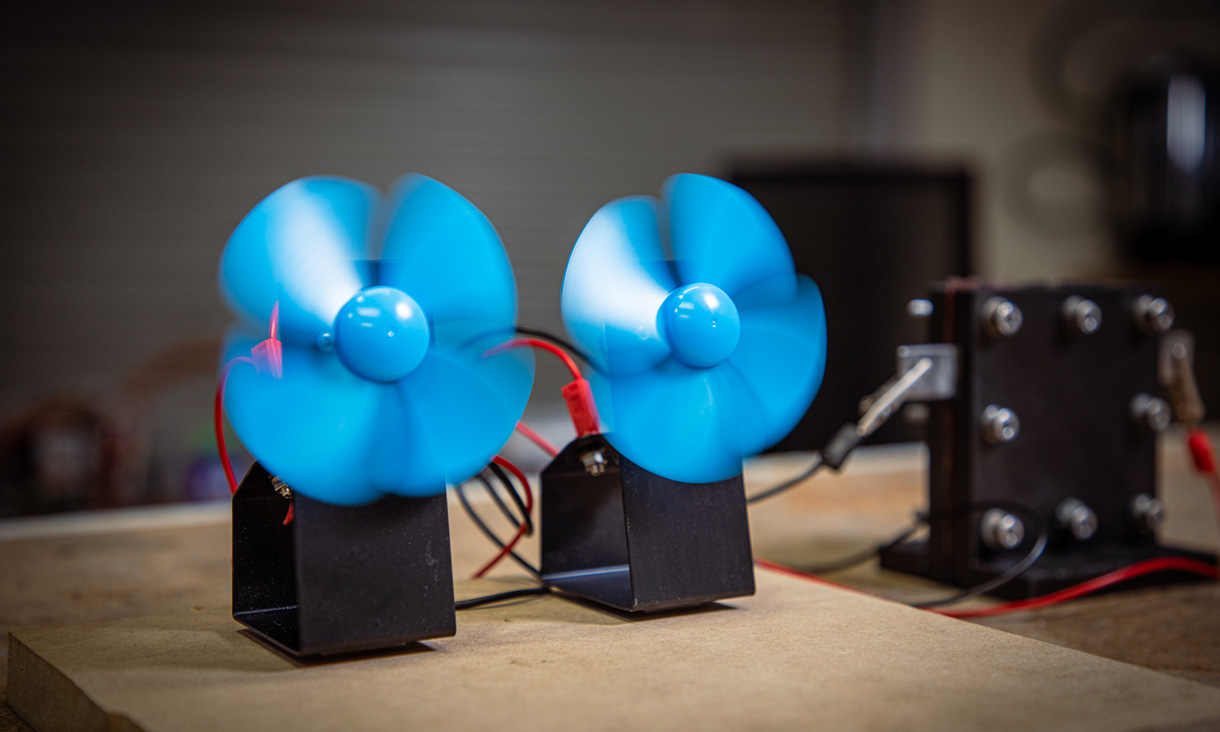
RMIT researchers have created an experimental 3D-printed diamond–titanium device that generates electricity from flowing liquid and receives wireless power through tissue making it possible to remotely sense changes in flow.
RMIT industry collaboration success story
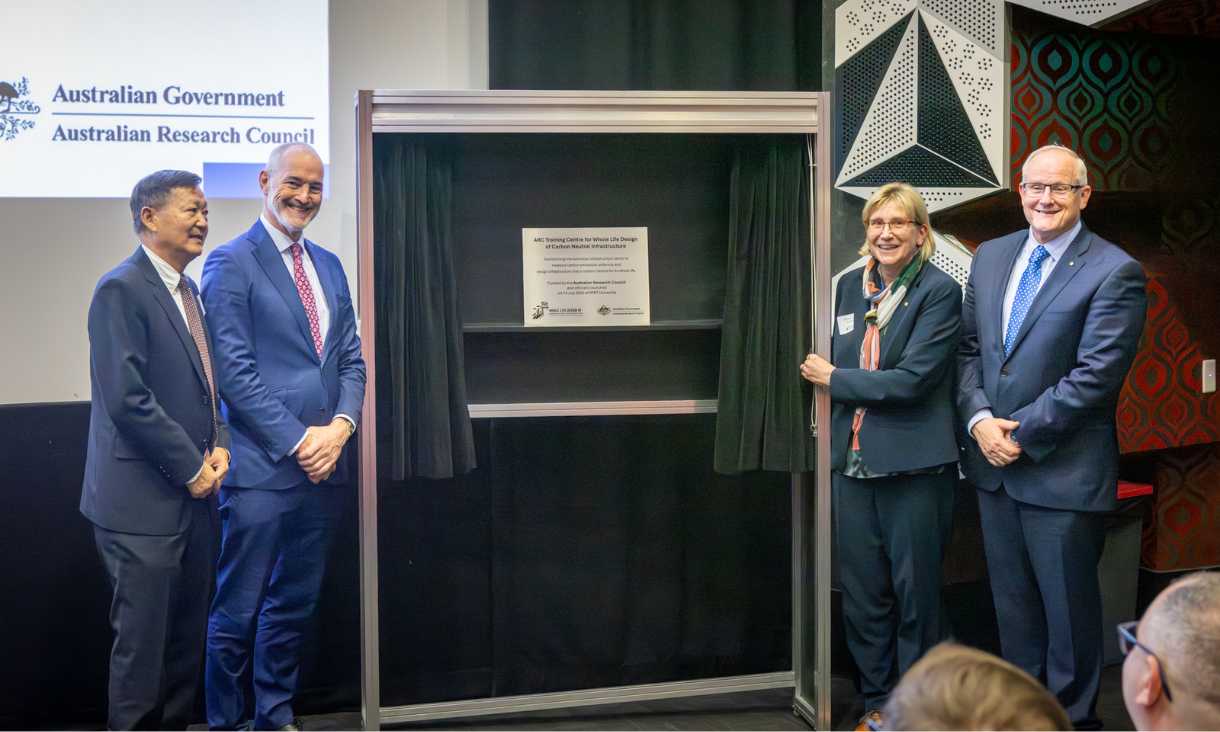
The DfCO2 Centre Launch: In mid-2025, we launched the ARC Industrial Transformation Training Centre for Whole-Life Design of Carbon Neutral Infrastructure. Spotlighting this Centre showcases our commitment to establishing carbon neutrality as a fundamental performance requirement in civil engineering and infrastructure design.
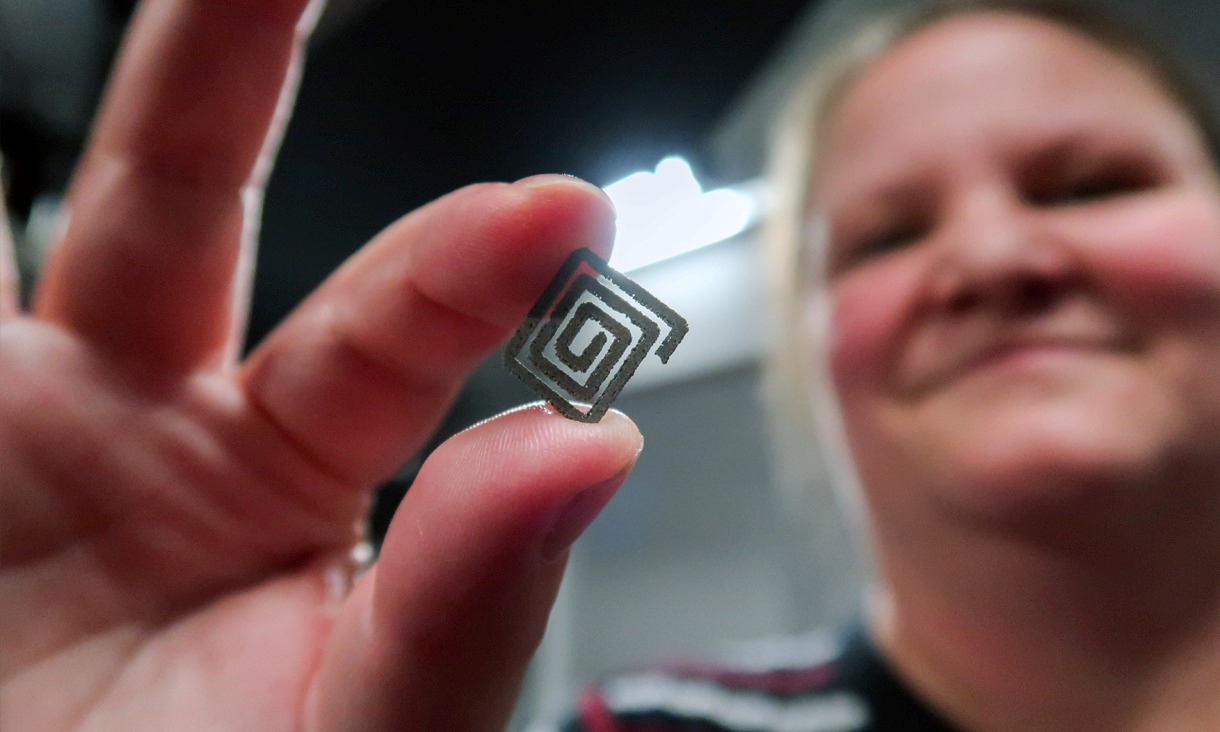
School of Engineering researchers deliver breakthrough in ‘smart bandage’
A research team within the School of Engineering, Dr Lei Bao, Dr Li Haiyan and Nan Nan have developed a groundbreaking “smart” wound dressing that can both detect infection and treat it in real time, all powered by nanotechnology.
This is an incredible example of how cutting-edge research is being translated into practical, real-world healthcare solutions. A huge credit to the staff driving this innovation and pushing the boundaries of what’s possible in engineering and biomedical science.
Proud to see the impact our researchers are making, improving patient care through smart, responsive design.
The team used RMIT’s cutting-edge Micro Nano Research Facility and Microscopy and Microanalysis Facility to conduct this research.
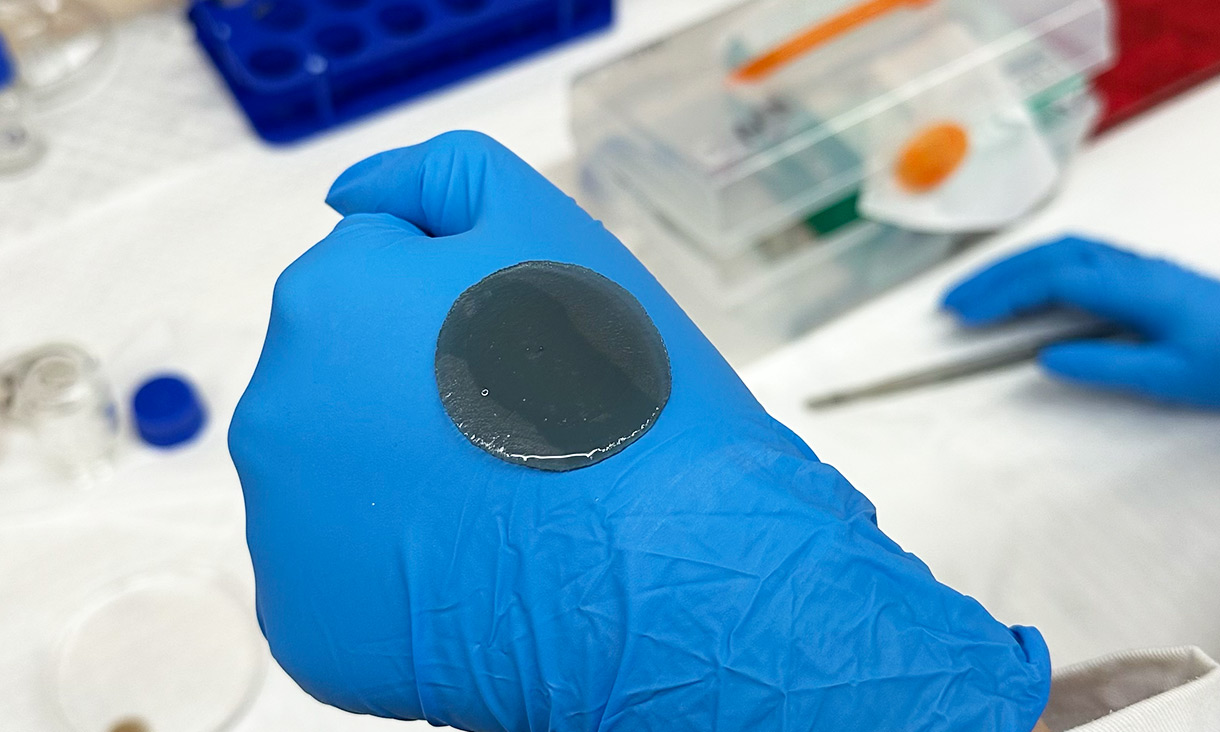
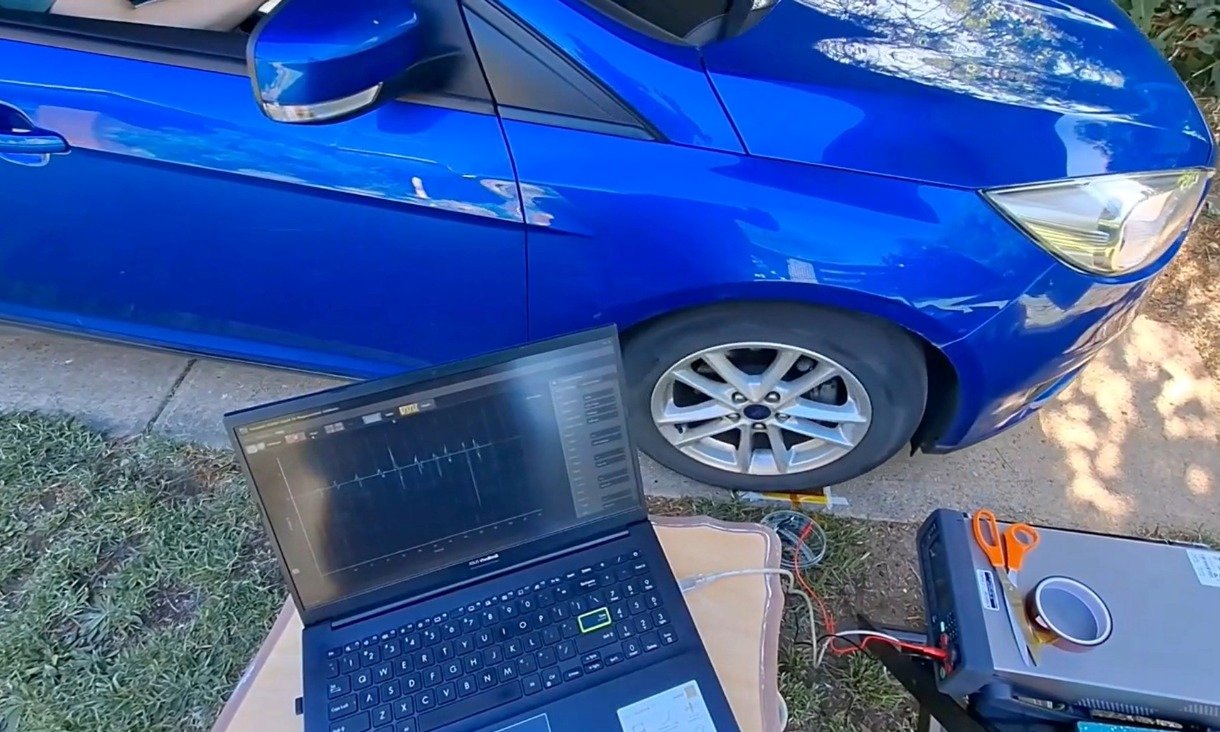
'Incredibly resilient’ nylon device creates electricity under tonnes of pressure
RMIT University researchers have developed a flexible nylon-film device that generates electricity from compression and keeps working even after being run over by a car multiple times, opening the door to self-powered sensors on our roads and other electronic devices.
Certain materials – such as quartz, some ceramics and even bone – produce an electrical charge when they are squeezed, pressed or vibrated. This is piezoelectricity, coming from the Greek “piezein” meaning to press.
Modern vehicles rely on piezo components in fuel injectors, parking sensors, airbag systems and other functions.
The team’s nylon innovation could provide a more durable alternative material for such components or support new technologies for traffic-management sensing on roads.
The breakthrough tackles a long‑standing problem with energy‑harvesting plastics, which can produce power from movement but are often too fragile for real‑world use, while also reducing carbon emissions by using ambient energy naturally present in movement and pressure.
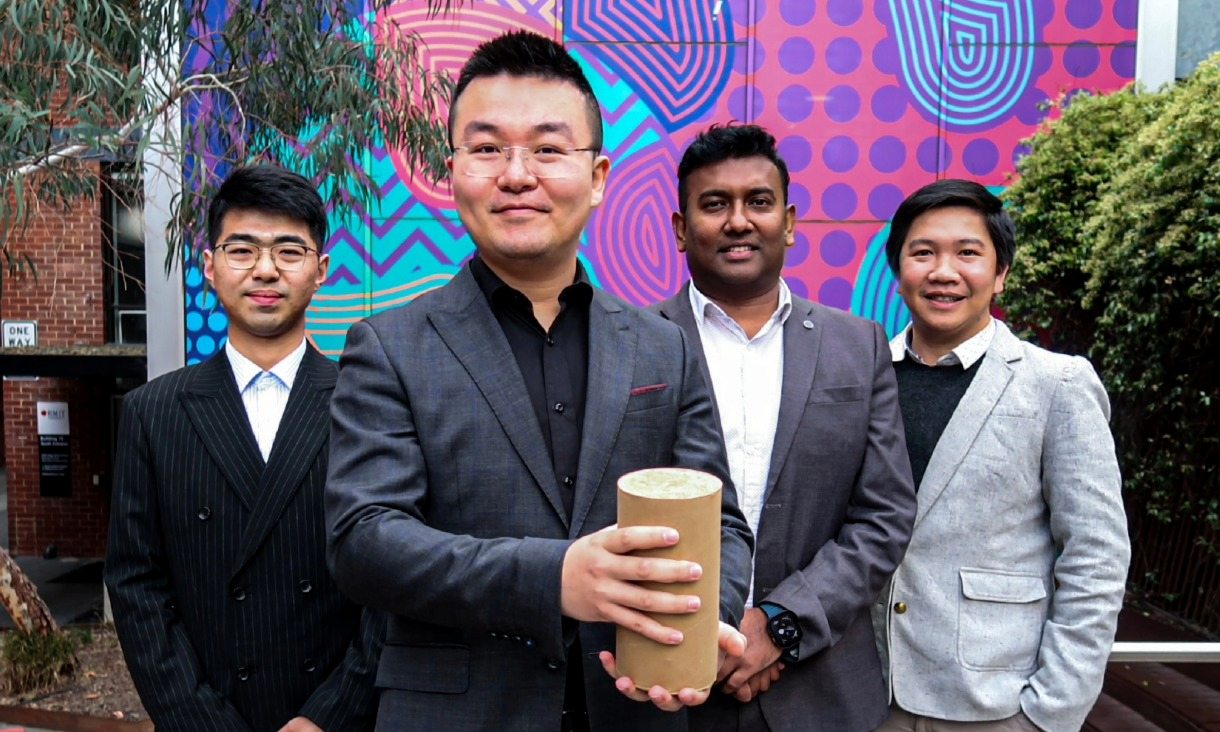
Cardboard-confined rammed earth for sustainable construction
A multidisciplinary team at RMIT has developed an innovative building material known as cardboard-confined rammed earth, combining soil, water, and recycled cardboard to create structural walls with a dramatically lower carbon footprint.
The material eliminates the need for cement and can achieve approximately one quarter of the carbon footprint of conventional concrete, while remaining recyclable and cost-efficient. The construction process allows walls to be formed directly on site using compacted soil within cardboard formwork, reducing material transportation and simplifying construction logistics.
This approach offers strong potential for low-carbon buildings, regional construction, and circular material systems, contributing to global efforts to reduce emissions in the built environment.