The Milan-Melbourne Exchange Program is providing architecture students with rare access to world-leading expertise in textile architecture.
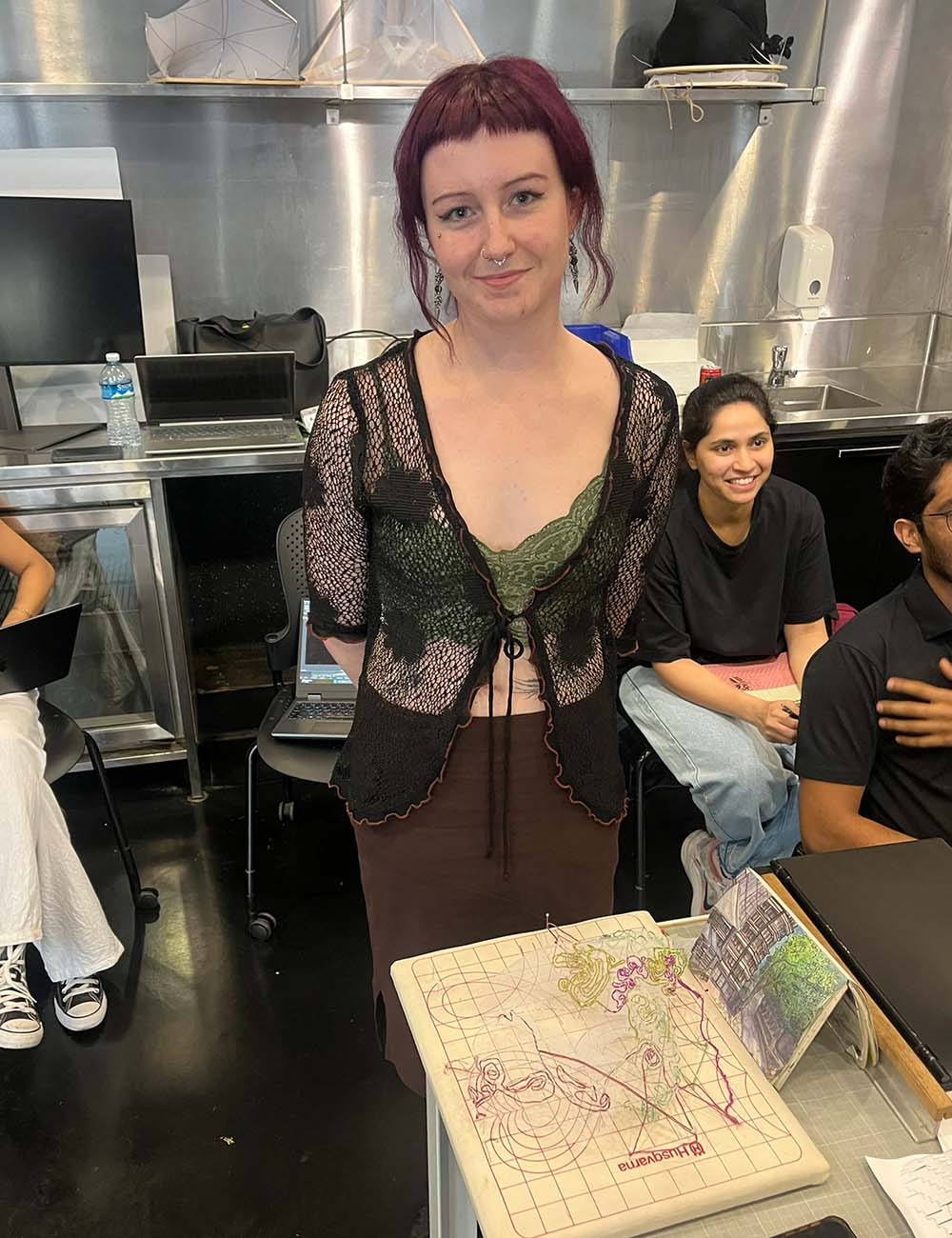
Supported by the Annemarie and Arturo Gandioli-Fumagalli Foundation through the Milan-Melbourne Exchange program, a collaboration between RMIT’s Floppy Lab and the Politecnico di Milano (Polimi) TextilesHUB is providing architecture students with rare access to world-leading expertise in textile architecture – and generating real solutions for adapting cities to reduce carbon emissions.
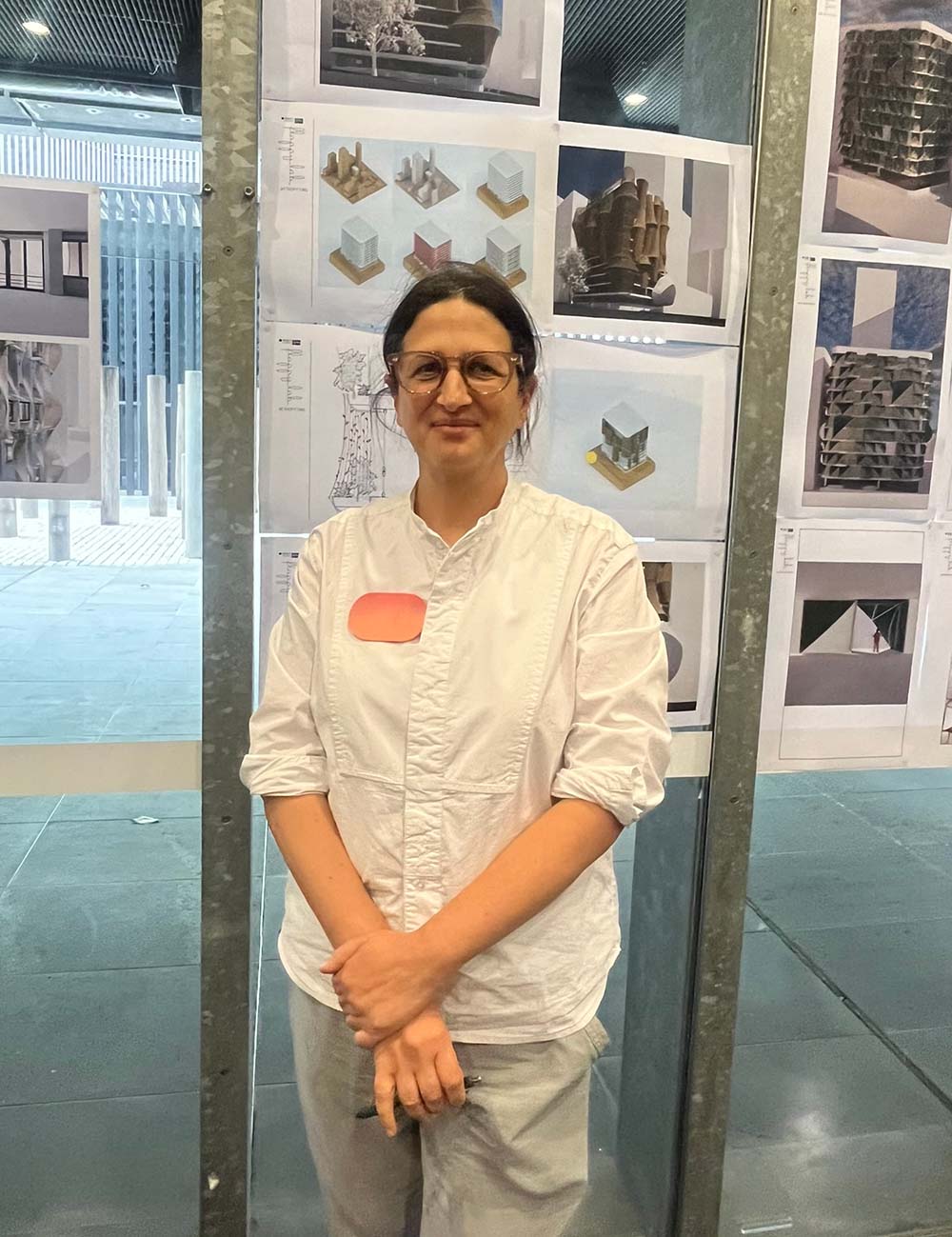
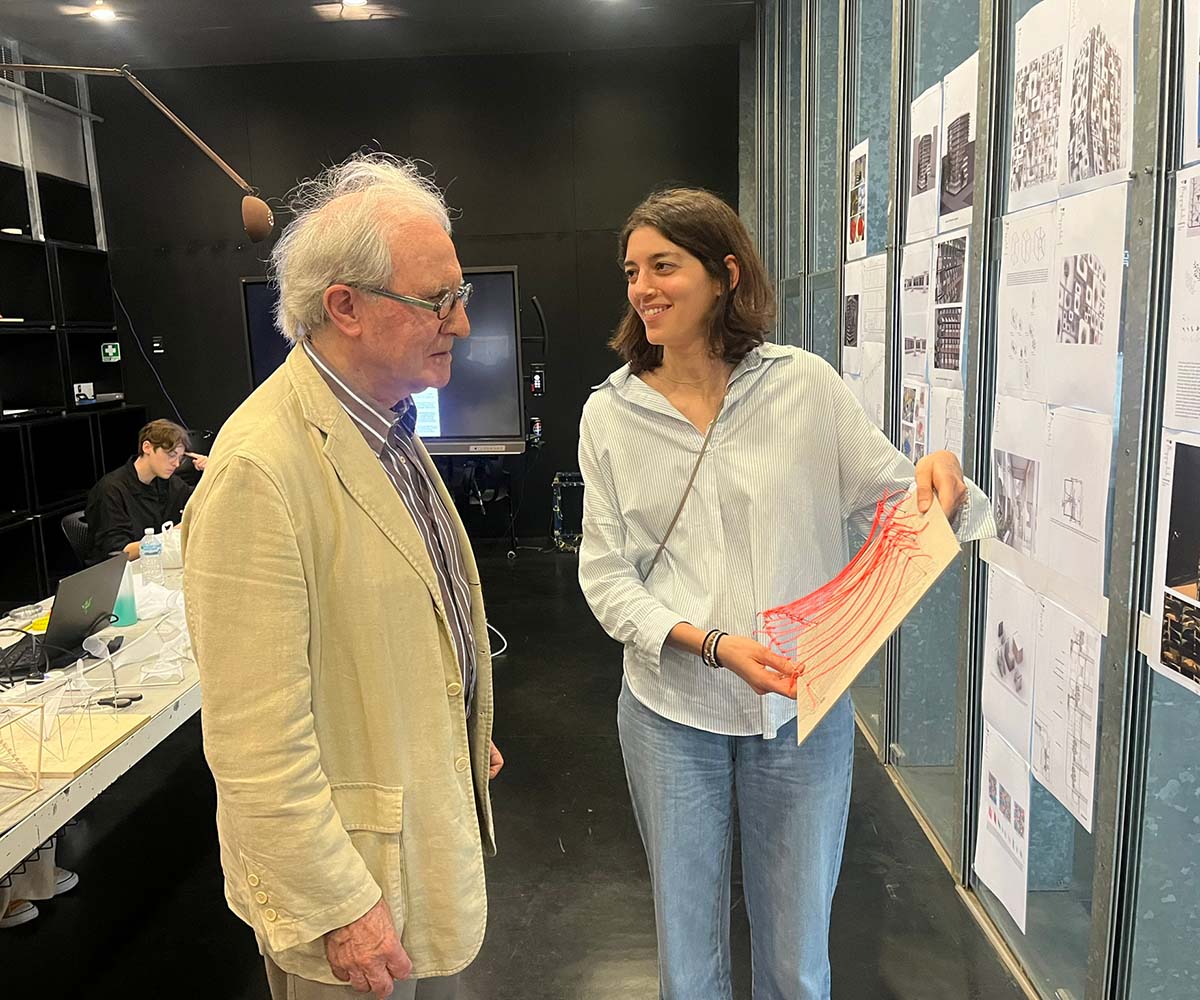
In January 2026, Dr Leanne Zilka, Associate Dean, Research and Innovation in RMIT’s School of Architecture and Urban Design, collaborated with visiting Polimi academic Ilaria Pugliese – an architect and PhD candidate at the Department of Architecture, Built Environment, and Construction Engineering – to run a summer intensive elective called Retrofitting.
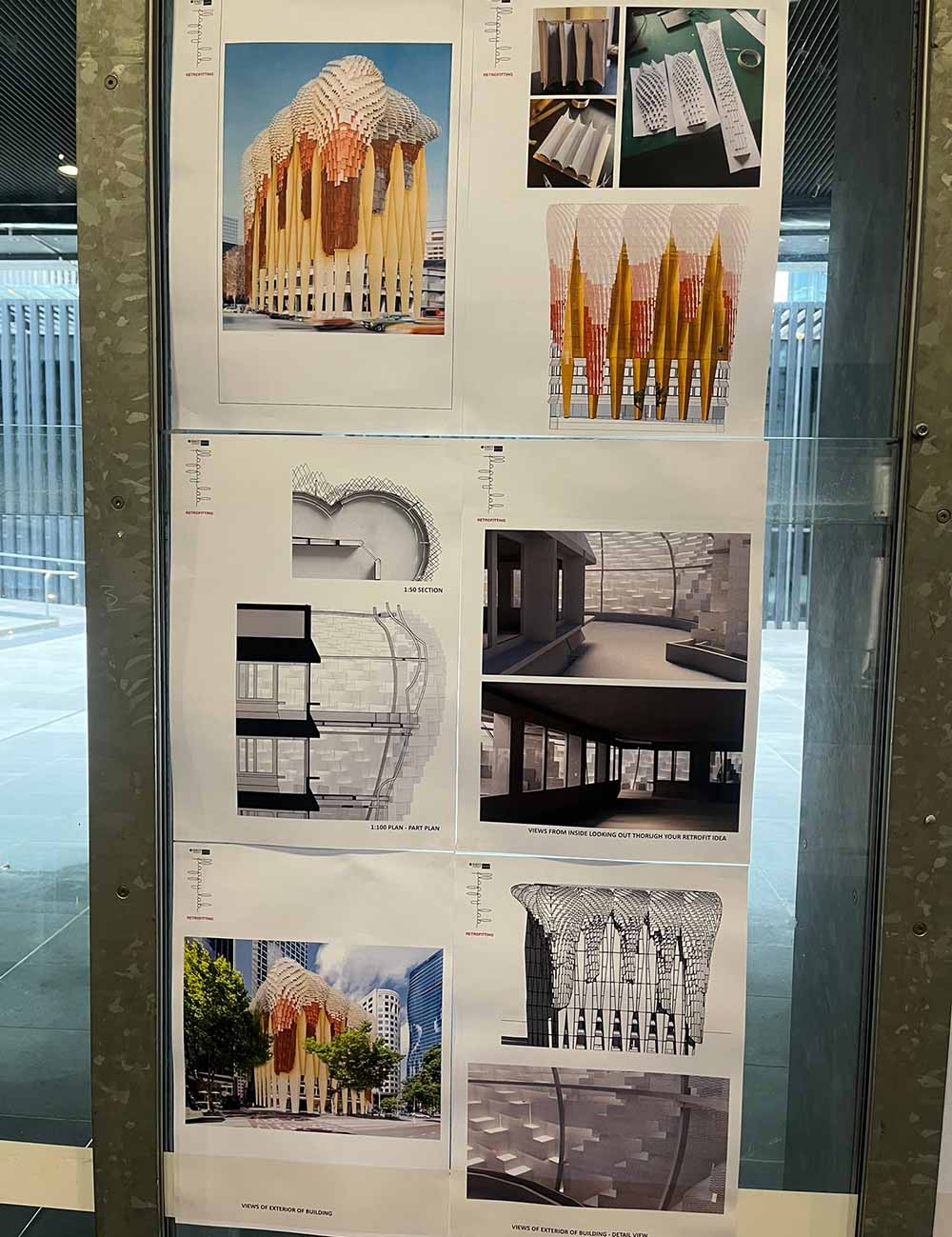
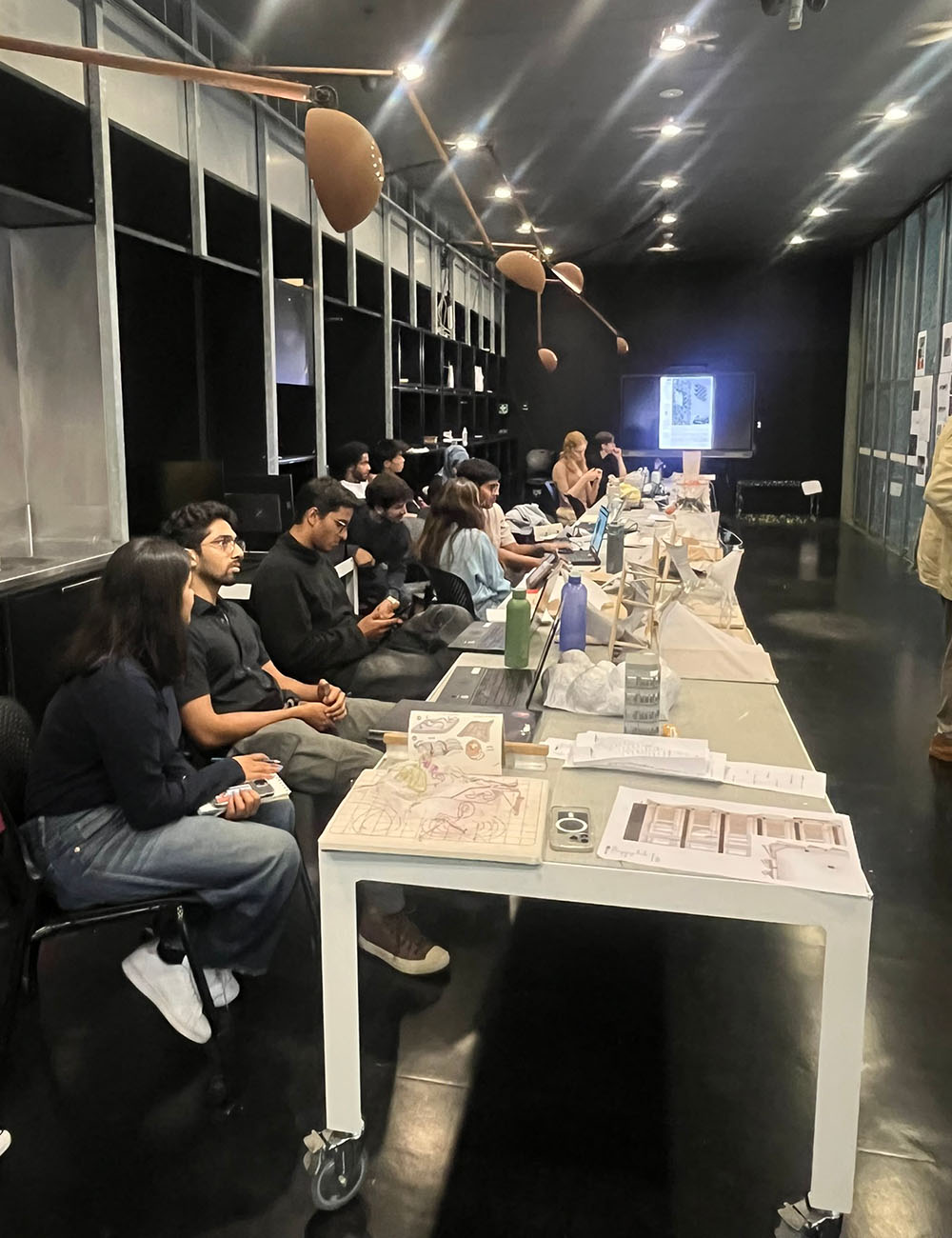
The elective, open to RMIT architecture students, explored fabric-based approaches to contemporary architectural challenges, with a focus on upgrading existing buildings. Worldwide, cities face increasing pressure to reduce their carbon footprint, but most of our built environment already exists.
“To achieve a meaningful contribution to a net-zero future, we have to adapt, upgrade, and reimagine rather than rely solely on new construction. Fabric-based solutions offer lightweight, flexible, and adaptable possibilities,” said Leanne.
RMIT and Polimi are two of a handful of universities in the world that have both an architecture school and a textile and/or fashion design school.
“While RMIT has a dedicated fashion and textile design program, our partners at the Polimi TextilesHUB embed textile research within architecture, particularly in advanced tension textiles and testing,” said Leanne.
Ilaria introduced students to tensile structures – lightweight systems that span long distances with minimal material – and the digital tools that simulate how these systems behave when wrapped around buildings. “She’s highly specialised. We’re really fortunate to be able to work with her,” said Leanne.
“This collaboration creates a small but powerful opportunity that strengthens our relationship, supports future joint research and publications, and aligns with RMIT’s growing engagement in Europe.”
Master of Architecture and Diploma of Building and Construction student Alannah Davis enrolled in the intensive to connect her passions for architecture and fashion and left with ideas for a new career trajectory.
“It made me think beyond rigid, engineered structures and lean into the concept of looseness and flexibility. Tensile systems are not just decorative but operational and functional and now they run through almost everything I do,” she said.
Alannah plans to enrol in the Associate Degree in Fashion at RMIT after completing her current studies and is considering a PhD exploring how traditional architecture and tensile fabric structures can move or change form rather than remain purely static.
Ilaria said that she enjoyed working with the Australian students, who brought a conceptual and visionary perspective to the project, complementing Polimi's strong focus on technical skills and project feasibility. “It has been an incredible, enriching experience for me to work with the students and co-teach with Leanne. Now we have an ongoing collaboration between Floppy Lab and our TextilesHUB in Milan that explores textile architecture and knitting projects,” she said.
“I believe that exchanges like this with countries all over the world will result in significant changes in the way we use materials and technology to retrofit buildings and reshape paradigms of materiality and construction systems in architecture.”
Life-changing scholarships
Give to scholarships and help create life-changing opportunities for students facing barriers to education.



