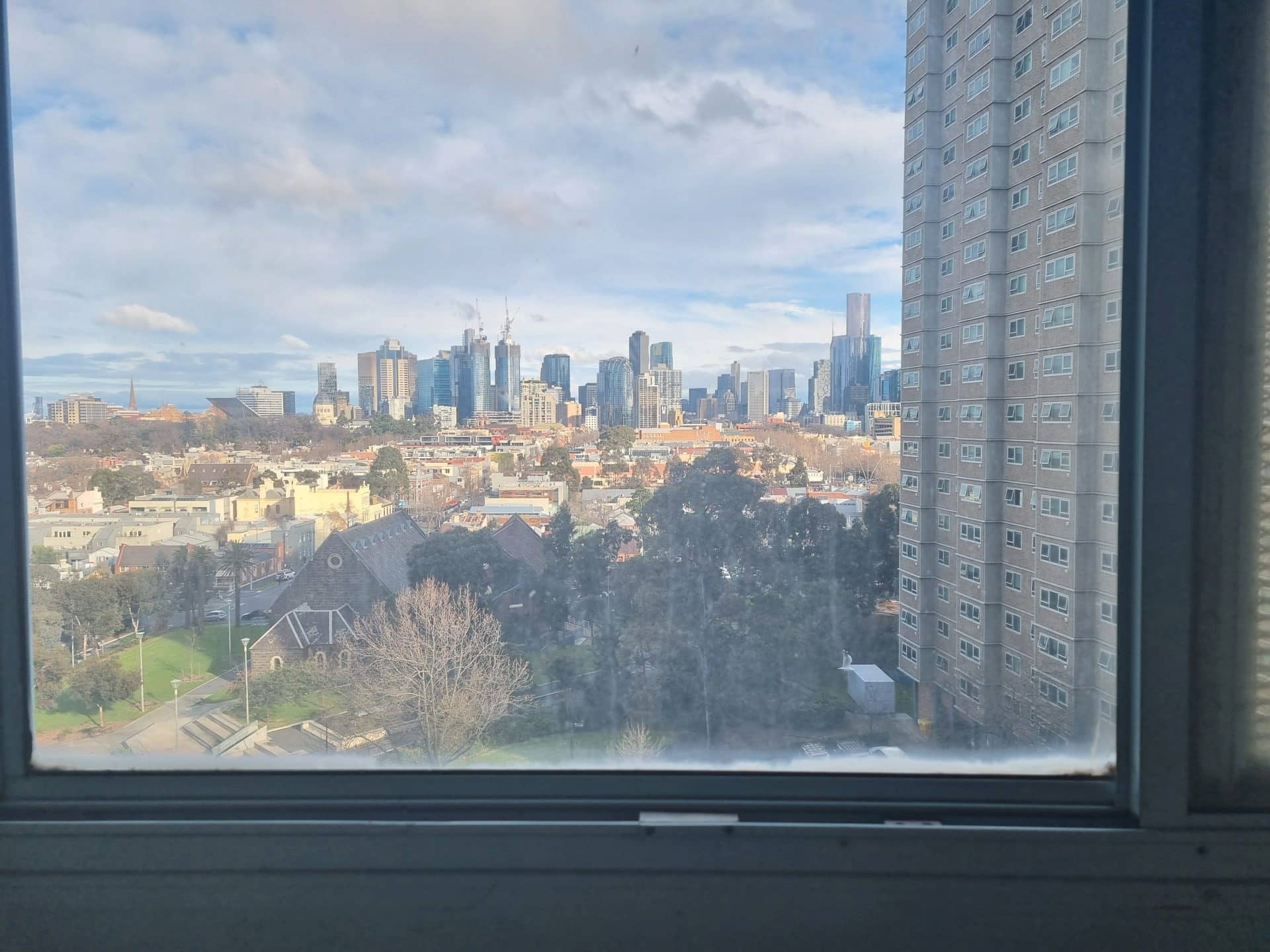
Geographies of Land, Home and Place
Geographies of Land, Home and Place brings together our expertise in understanding the places and land systems on which we live, how we are housed and the social geographies of inclusion and belonging.
Australia’s housing affordability crisis is not only a consequence of insufficient supply. It also reflects the absence of a stable institutional framework capable of delivering secure and permanently affordable rental housing at scale. Over recent decades, governments have relied on short-term funding programs, tax incentives, project-based subsidies and increasingly complex private financing arrangements. While these measures have produced individual developments, they have not established a durable housing system in which public investment is retained, rents remain affordable, and housing providers can continue expanding supply over time.
This project examines how Australia could establish a national cost-based rental housing system. Cost-based rental housing differs from conventional “below-market” affordable housing because rents are calculated from the efficient lifecycle costs of providing, financing, operating, maintaining and renewing housing, rather than being discounted from prevailing market rents. International evidence from Austria, Denmark, Finland, France, Ireland and other European countries demonstrates that such systems can provide stable rents and sustained development when supported by long-term, low-cost finance, mission-driven providers, permanent affordability requirements, effective regulation and the reinvestment of operating surpluses.
The research brings together comparative institutional analysis, housing finance research, policy evaluation, legal analysis and proof-of-concept financial modelling. It identifies four essential foundations for an Australian cost-rental system: permanent affordability obligations attached to housing assets; transparent cost-based rent-setting; revolving finance mechanisms that retain capital repayments and surpluses within the housing system; and regulated public, community or limited-profit providers responsible for long-term asset stewardship.
The project also examines how Commonwealth, state and local government responsibilities could be better coordinated. It considers the roles of public land, concessional loans, government guarantees, capital grants, rent assistance, prudential regulation and tenant protections. Particular attention is given to how existing institutions - including Housing Australia, state housing agencies and community housing providers - could be aligned within a coherent national framework rather than replaced.
Financial scenarios test how initial public investment, land contributions and affordable finance could support early development, while rents, debt repayment and retained surpluses progressively strengthen provider balance sheets and finance additional housing. The analysis demonstrates why financing costs, asset ownership and the structure of public support are central to long-term affordability and public value.
The project produces a detailed research report, technical modelling, a transition roadmap and a preliminary legislative concept for a National Cost-Rental Housing System. Together, these outputs provide an evidence-based pathway for moving from fragmented housing programs towards a permanent, expanding and accountable affordable rental sector that preserves public investment and affordability for future generations.

Adjunct Professor

Lecturer, Urban and Environmental Policy (ACDF) (Education Focused)

Director, Enabling Impact Platforms (Urban Futures)
Michael Berry (Emeritus Professor, RMIT University); Laurence Troy and Greta Werner (University of Sydney); Ryan van den Nouwelant (UNSW Sydney).
The University of Sydney and UNSW Sydney.
This project was an independently initiated and resourced research collaboration led by Adjunct Professor Julie Lawson. Undertaken without external project funding, it builds on and substantially extends earlier AHURI research led by Lawson in collaboration with members of the author team.
The project has produced two substantial research reports:
Geographies of Land, Home and Place brings together our expertise in understanding the places and land systems on which we live, how we are housed and the social geographies of inclusion and belonging.


RMIT University acknowledges the people of the Woi wurrung and Boon wurrung language groups of the eastern Kulin Nation on whose unceded lands we conduct the business of the University. RMIT University respectfully acknowledges their Ancestors and Elders, past and present. RMIT also acknowledges the Traditional Custodians and their Ancestors of the lands and waters across Australia where we conduct our business - Artwork 'Sentient' by Hollie Johnson, Gunaikurnai and Monero Ngarigo.
Learn more about our commitment to Aboriginal and Torres Strait Islander peoples
