


Transforming psychology practices in Vietnam through collaborative research

Transforming psychology practices in Vietnam through collaborative research

RMIT Vietnam researchers are collaborating with the local community to adapt psychological science and practices to suit the country’s unique cultural context.

Key points

  • Western psychological science and practices are being adapted to support mental health and wellbeing for the Vietnamese community.
  • An evidence-based "Cool Kids" program to support youth mental health has been successfully adapted.
  • The team’s work includes collaborating with local organisations to improve employment opportunities and equity for people living with a disability.   

Research summary

The psychology research team at RMIT University’s Vietnam campus focuses on a range of areas including mental health, disability equity, intergenerational relationships, and youth and technology.

Recognising the need to adapt western models and science to suit the unique cultural context in Vietnam, the team collaborates closely with local communities and organisations.

While psychology is a relatively new practice in Vietnam, the team’s work is continuing to help improve understanding, practices and support for health and wellbeing across the country.

Flowers coming out of an outline of a head

Adapting psychology practices for Vietnamese communities

Lead of the Community, Health and Wellbeing Cluster at RMIT Vietnam, Dr Katrina Phillips said the team recognised that it was vital to consider Vietnam’s unique culture and societal attitudes and experiences.

“We must understand the cultural context including respect for age and hierarchy, generational experiences, and influences from other countries,” said Phillips.

“And although there is a push for greater intervention around mental health and well-being in Vietnam, considerable stigma around this issue remains within the community,” she said.

“To ensure the psychology research programs’ success, we must thoughtfully adapt global research to local needs, especially for at-risk and marginalised groups.”

Understanding local context

Phillips noted that intergenerational conflict and difference in perceptions has been a focus for one colleague.

“Vietnamese youth would say this is a priority area that should be addressed,” said Phillips.

“In the space of a generation, Vietnam went from being one of the poorest countries in the world to being an economic powerhouse in Southeast Asia.

“So, I may say to my students that their grandparents are not being mean if they do not understand why their younger relatives are feeling stressed or anxious.

“They lived through wars and famine, so getting anxious about something like an assignment just doesn’t stack up for them.”

“Furthermore, techniques like asking adults to physically get down to a child’s eye-level if they are upset, may not work in a Vietnamese household where hierarchy and respect for age is emphasised,” she said.

Collaborating for success

Current collaborations include working with:

  • Blue Dragon, supporting children who are on the street or trafficked into illegal activities
  • Save the Children
  • The United Nations’ Disability Advisor
  • Lighthouse, an organisation supporting LGBTQI plus individuals.
  • Imago Works, supporting neurodivergent young people into employment 

Spotlight on two research projects

Bringing the successful “Cool Kids” program to Vietnam

Associate Lecturer Vu Bich Phuong identified a gap in psychological research for Southeast Asian countries and quality of treatments in Vietnam.

She collaborated to bring an evidence-based cognitive therapy program, ‘Cool Kids’ that supports youth mental health to the country.

Research background

Vu was inspired to support young people’s mental health following her own experiences of anxiety during childhood and adolescence.

While completing her PhD in Child & Adolescent Clinical Psychology, she noted the lack of rigorous research on psychological treatments in Southeast Asian countries.

“After studying psychology abroad, I realised that applying Westernised theories of behavioural change in the Vietnamese context might not work,” said Vu.

“And despite growing awareness about the need for mental health support, most therapeutic practices for anxiety in Vietnam remain non-standardised, non-evidence-based, and highly variable in quality,” she said.

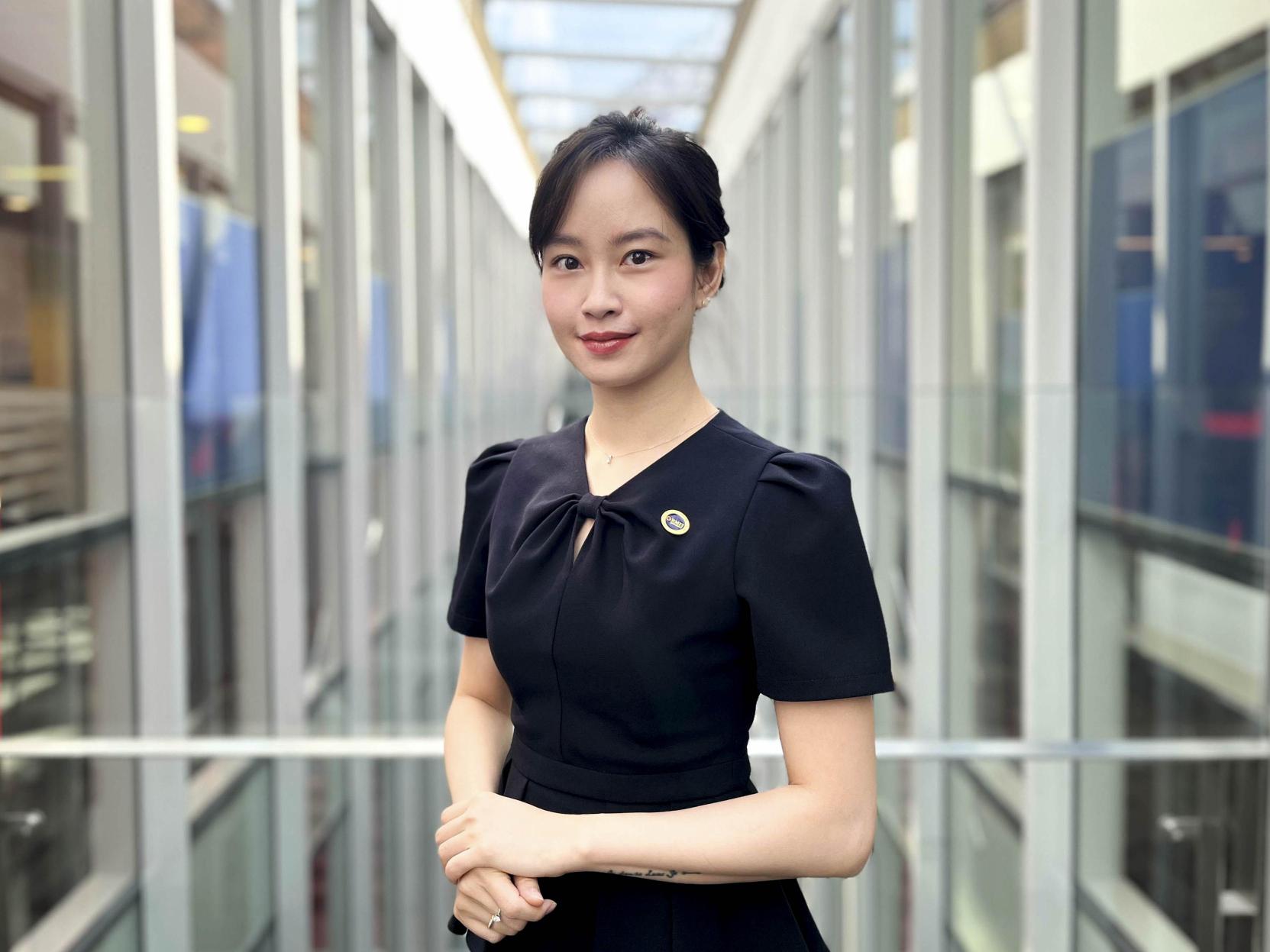
Bich-Phuong Vu, Associate Lecturer Psychology Bich-Phuong Vu, Associate Lecturer Psychology

Adapting the ‘Cool Kids’ Program

Vu collaborated to bring the successful "Cool Kids" program, developed by Macquarie University’s Professor Ron Rapee, to Vietnam.

I wanted to help Vietnamese youth get access to empirical, world-standard care while ensuring that it is locally appropriate for their prevalent anxiety problems

Collaborating closely with Professor Rapee’s team, she translated the program and adapted it specifically for Vietnamese youth.

Outcomes and impact highlights

  • Macquarie University provided in-kind support to train and certify 20 school counsellors to deliver the program, building local capacity for Vietnamese practitioners.
  • A randomised controlled trial with 85 Vietnamese youths struggling with anxiety showed the program’s effectiveness for in-person and online formats.
  • Preliminary findings that videoconferencing worked effectively, showed promise for scaling up the program to treat wider groups, including those living in remote regions.

Next steps

Vu is now working with Austrade to scale up the Cool Kids program for schools, hospitals, and clinics to train more therapists.

“As a psychologist, I believe that raising awareness about mental health is only the first step—we must also raise the standard of care, especially here in Vietnam.

My hope is that this research will continue to grow, so that no child must live in fear and constant worry, and every young person can access the quality support they deserve to thrive and reach their full potential.

Vu’s doctoral research received financial support from the Norwegian Partnership Programme for Global Academic Cooperation (NORPART) and partially from the U.S. National Institutes of Health.

Improving equity and supporting entrepreneurship

Dr Katrina Phillips focuses her research on disability, employment and entrepreneurship.

Phillips said that people living with a disability in Vietnam face additional challenges including stigma, greater likelihood of living in poverty, reduced employment levels, and limited education or training.

She and the team have partnered with local organisations to improve equity for people with disabilities, including improving access to employment opportunities. 

"Entrepreneurship is one employment solution for disabled people in Vietnam, but there is little information on the challenges and support available, along with a shortage of accessible educational resources," said Phillips.

“Our team is collaborating with local organisations and those living with a disability to learn what has and has not worked. We are then collaborating with them to combine these findings with current research knowledge to co-create accessible social entrepreneurship resources,” said Phillips.

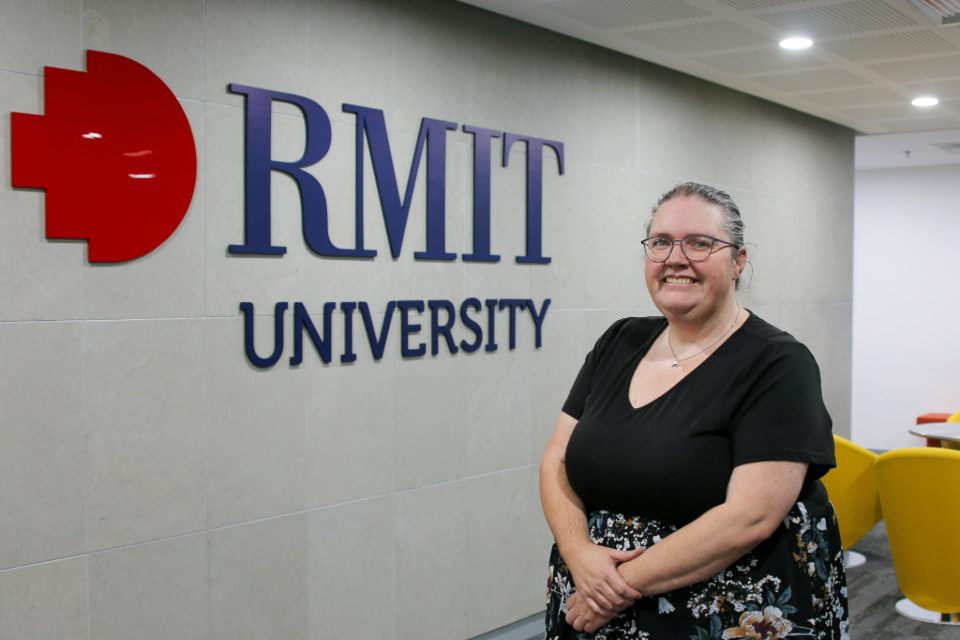
Photo of Dr Katrina Phillips at RMIT office Katrina Phillips, Community, Health and Wellbeing Cluster Lead

Other current projects include:

  • Working with the tech sector to explore and overcome barriers to employment for disabled people within their organisations.

  • Investigating how best to use technology and AI to provide real-time translation of Vietnamese Sign Language to bridge the gap between the Deaf and hearing communities.


Further information: The Community, Health and Wellbeing Cluster 


Key contacts

Katrina Phillips
Senior lecturer, Psychology
Community, Health and Wellbeing Cluster Lead

Bich-Phuong Vu
Associate lecturer, Psychology
School of Science, Engineering & Technology

Dr Nguyen Ngoc Quynh Anh (Anh Nguyen) 
Program Manager of Psychology

RMIT Vietnam

SDGs

sdg3

Read related RMIT impact stories


Connect with RMIT Research

If you're not sure how you can best work with us, our team can explain what's possible and put you in touch with the right person. 

aboriginal flag float-start torres strait flag float-start

Acknowledgement of Country

RMIT University acknowledges the people of the Woi wurrung and Boon wurrung language groups of the eastern Kulin Nation on whose unceded lands we conduct the business of the University. RMIT University respectfully acknowledges their Ancestors and Elders, past and present. RMIT also acknowledges the Traditional Custodians and their Ancestors of the lands and waters across Australia where we conduct our business - Artwork 'Sentient' by Hollie Johnson, Gunaikurnai and Monero Ngarigo.

More information