
Understanding evacuation travel behaviour to better protect communities from bushfires

Understanding evacuation travel behaviour to better protect communities from bushfires

RMIT researchers are helping to improve the way communities prepare for and respond to bushfires by revealing the complex travel behaviours of households during evacuation.

Key points

  • New insights gained into the travel behaviour of households during bushfire evacuation
  • The research team is working closely with emergency response agencies and government
  • Deeper understandings will more accurately inform evacuation modelling and planning to improve community safety.

As the frequency and intensity of bushfires increase in Australia and globally, understanding how communities evacuate is vital for improving emergency planning, response and safety.

Led by RMIT’s Dr Erica Kuligowski, the team is investigating household evacuation behaviour and recovery during hazards and disasters, including bushfires and floods.

Through a suite of projects that include in-depth interviews, surveys and virtual reality experiments, the research program is building the first comprehensive understanding of what happens after people decide to either evacuate or stay in place—how they travel, where they go, and why.

Working closely with local government and emergency agencies, the team's findings are already informing emergency service activities.

Further insights are set to inform policies, procedures and practice to help better protect communities in Australia and overseas.

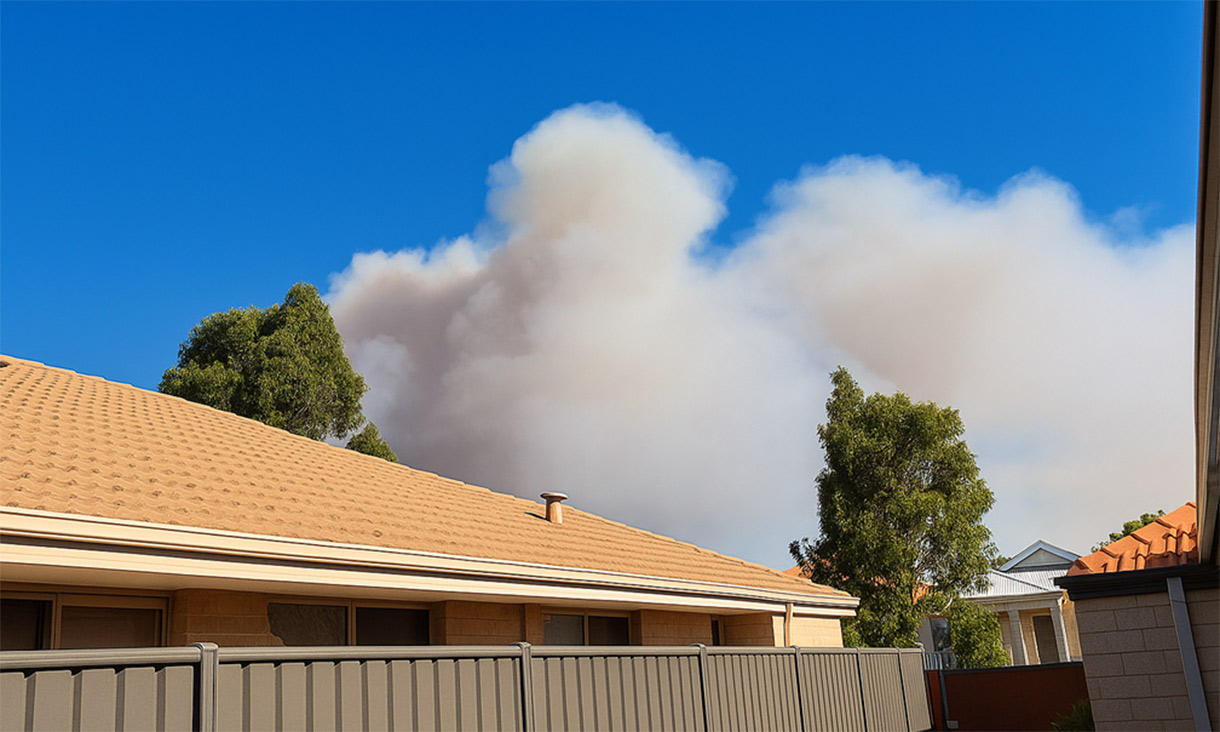
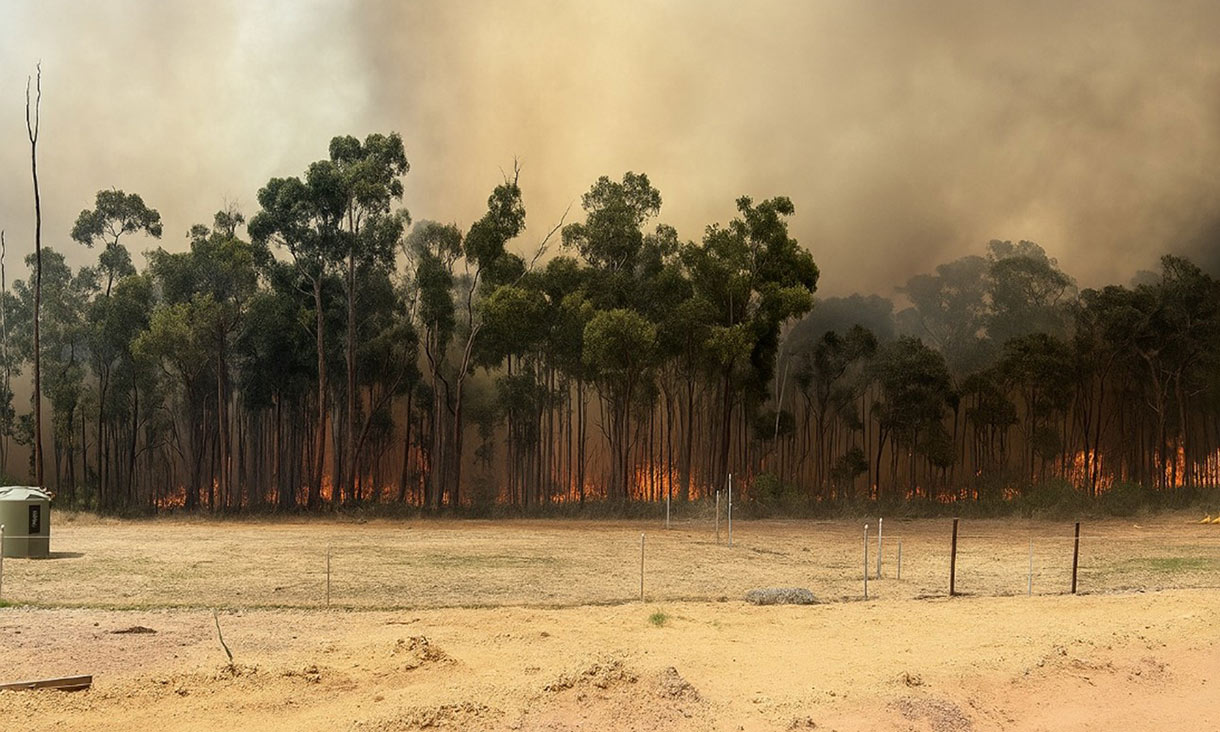
Smoke from a fire in Waneroo, Western Australia. Photo provided by a research participant.

The challenge

Understanding people’s evacuation travel behaviours after they decide to stay or go

Rapid bushfire spread and limited transport capacity in densely populated peri-urban areas have been described as creating the ‘perfect storm’ for deaths and injuries.

To date, bushfire evacuation prediction and simulation modelling has focused on bushfire dynamics, traffic demand and pedestrian movement.

A gap in our understanding has been the role of human behaviour in these situations.

And while more recent work has focused on whether people decide to ‘stay or go’ during a bushfire, and what influences them, their actual activities and movements following this decision has remained unclear.

Kuligowski has emphasised the need for further multidisciplinary expertise that involves transport engineering together with social and computer sciences.

The research and findings

Partnering with emergency response stakeholders to improve evacuation modelling and community safety

The team’s Australian Research Council (ARC) project - Investigating Bushfire Evacuation Travel Behaviour in High-risk Communities- is addressing this gap by examining evacuation travel behaviour in bushfire-prone peri-urban and regional communities.

Kuligowski said current evacuation models rely on overly simple assumptions that don’t necessarily reflect the complex reality of people’s decisions and movements.

“For example, models might assume that people will go directly to a place of safety immediately, or all go in one car,” said Kuligowski.

"But our research has revealed that they often use multiple modes of transport, take several trips, leave at different times, and may even return a few times before reaching safety.

“Activities might include helping neighbours, taking care of pets, dropping off and picking up horses, and meeting at a mustering point to figure out what’s going on and what to do next.

“Our early findings show that even those who plan to ‘stay’ often make road trips during bushfires, challenging assumptions built into current models.

“None of this busyness is captured by our existing tools, so we run the risk of underestimating evacuation behaviour and clearance times,” she said.

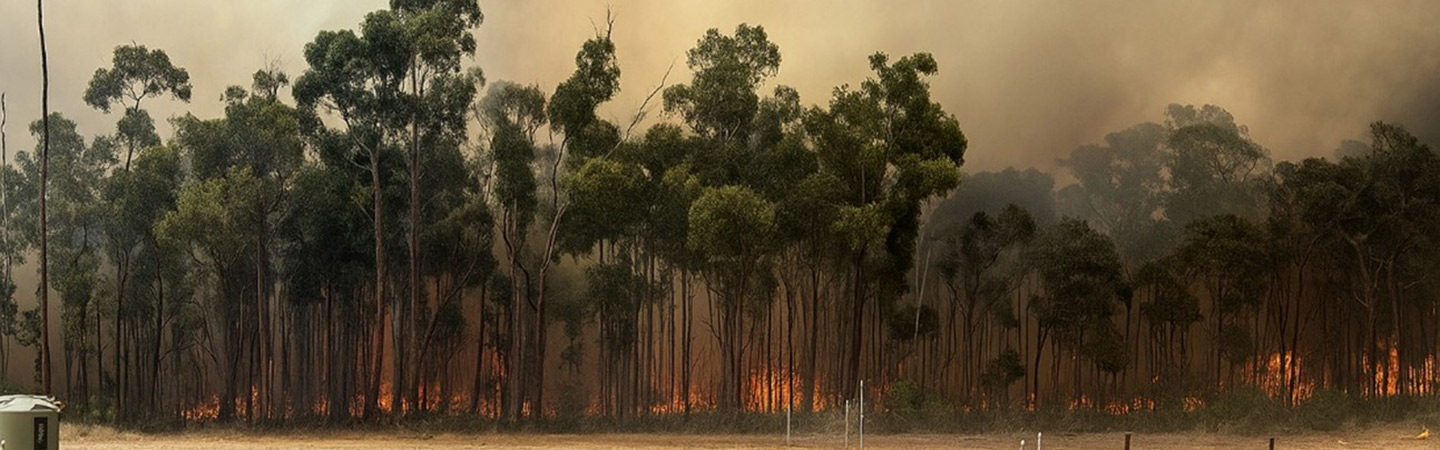
Fires in Parkerville, Western Australia. Photo provided by a research participant.
 Anticipation and planning based on realistic behavioural models can significantly mitigate risk and trauma associated with fire evacuations.

Research methodology

The ARC Future Fellow project comprises three phases including a novel virtual reality component:

  • Phase one: Interviews with three Australian communities who have experienced a bushfire, revealing the behaviours such as re-routing, using multiple modes of transport, and returning before reaching safety.

  • Phase two: Utilising the qualitative data from the interviews already completed in phase one to develop a quantitative online survey for interviewing communities across Australia, the US and Canada. This work aims to better understand what factors predict evacuation behaviour in bushfires.

  • Phase three: A PhD student in Kuligowski’s team is investigating the use of virtual reality technology to create simulations of participants’ own communities. Further insights will be revealed about people’s routings decisions and their behaviours when faced with conditions such as smoke and traffic congestion.

Other research projects, outputs and impact

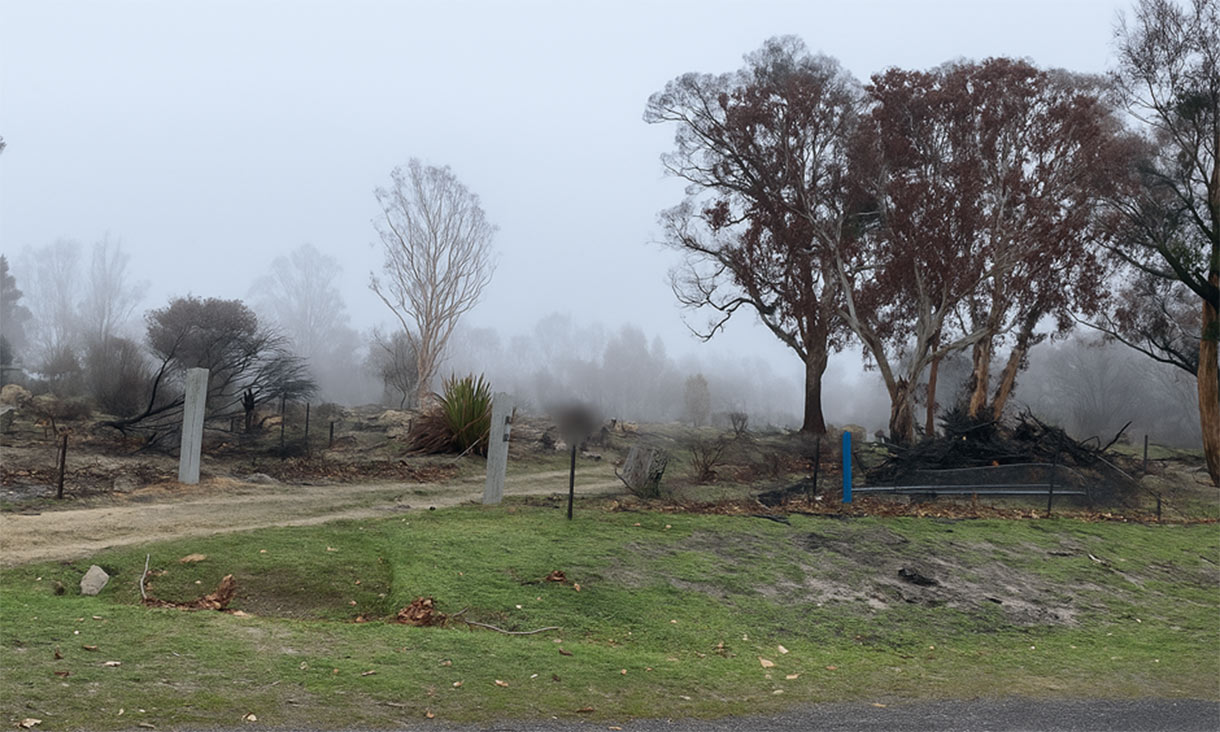
A property that was lost to the Bellfield Fire in Pomonal. Photo taken by the research team.

Local and international projects and collaborations to improve community safety

Reports from phase one of the ARC project have already been shared with local councils and fire agencies, and stakeholder workshops with CFA, Parks Victoria and Forest Fire Management Victoria are helping to translate the team’s findings into policy and practice. Next, these reports will be shared with participants before releasing them publicly.

The research will help to shape WUI-NITY—an award-winning bushfire evacuation simulation tool developed by an international team including Kuligowski and other members from across Australia, Europe, and North America.

Kuligowski’s additional research projects focus on the December 2024 fires in Pomonal, Victoria; the 2023 Maui fires in Hawaii; and the major floods in 2022-2023 in Victoria, South Australia, and Southwest NSW are also deepening understanding of evacuation and recovery. These projects, in collaboration with teams inside and outside of Australia, are investigating these hazard events to improve information and warnings, evacuation procedures in dire events, long-term recovery processes and mental health, and household responses to repeated disaster exposure.

Forging new ground to better protect communities

Early career researcher Dr Rosie Morrison said she is excited about the novelty of their research program.

We are going out and asking these questions about travel behaviour and this kind of rich, qualitative information is rarely documented for fires or other disasters.

“So, our findings are providing a basis from which we can expand our knowledge base in the bushfire evacuation field,” she said.

Kuligowski said the research will give valuable insights to help local councils, planners, emergency services, households and communities.

“We want people to think beyond the optimal scenarios and conditions and start to anticipate and plan for a bunch of different, plausible scenarios that could happen so that they can be well prepared for emergencies in the future,” she said. 

Funding acknowledgement

  • ARC Future Fellowship
  • Natural Hazards Research Australia (Floods project)
  • US Department of Commerce, National Institute of Standards and Technology (Maui project and the WUI-NITY bushfire evacuation simulation project)
  • Country Fire Authority (Pomonal project)

Research team

Kuligowski’s team includes early career researcher Dr Rosie Morrison, Research Fellows Dr Tegan Larin and Dr Fatemeh Roohafza, and Research Assistant Nicole Renner. Ms Gulsah Atas is a PhD student in Kuligowski’s team working directly on the ARC Future Fellowship project (VR experiments).

Key contact

Dr Erica Kuligowski
ARC Future Fellow and Principal Research Fellow
School of Engineering
STEM College

SDGs

Read related RMIT impact stories


Connect with RMIT Research

If you're not sure how you can best work with us, our team can explain what's possible and put you in touch with the right person. 

aboriginal flag float-start torres strait flag float-start

Acknowledgement of Country

RMIT University acknowledges the people of the Woi wurrung and Boon wurrung language groups of the eastern Kulin Nation on whose unceded lands we conduct the business of the University. RMIT University respectfully acknowledges their Ancestors and Elders, past and present. RMIT also acknowledges the Traditional Custodians and their Ancestors of the lands and waters across Australia where we conduct our business - Artwork 'Sentient' by Hollie Johnson, Gunaikurnai and Monero Ngarigo.

Learn more about our commitment to Indigenous cultures