
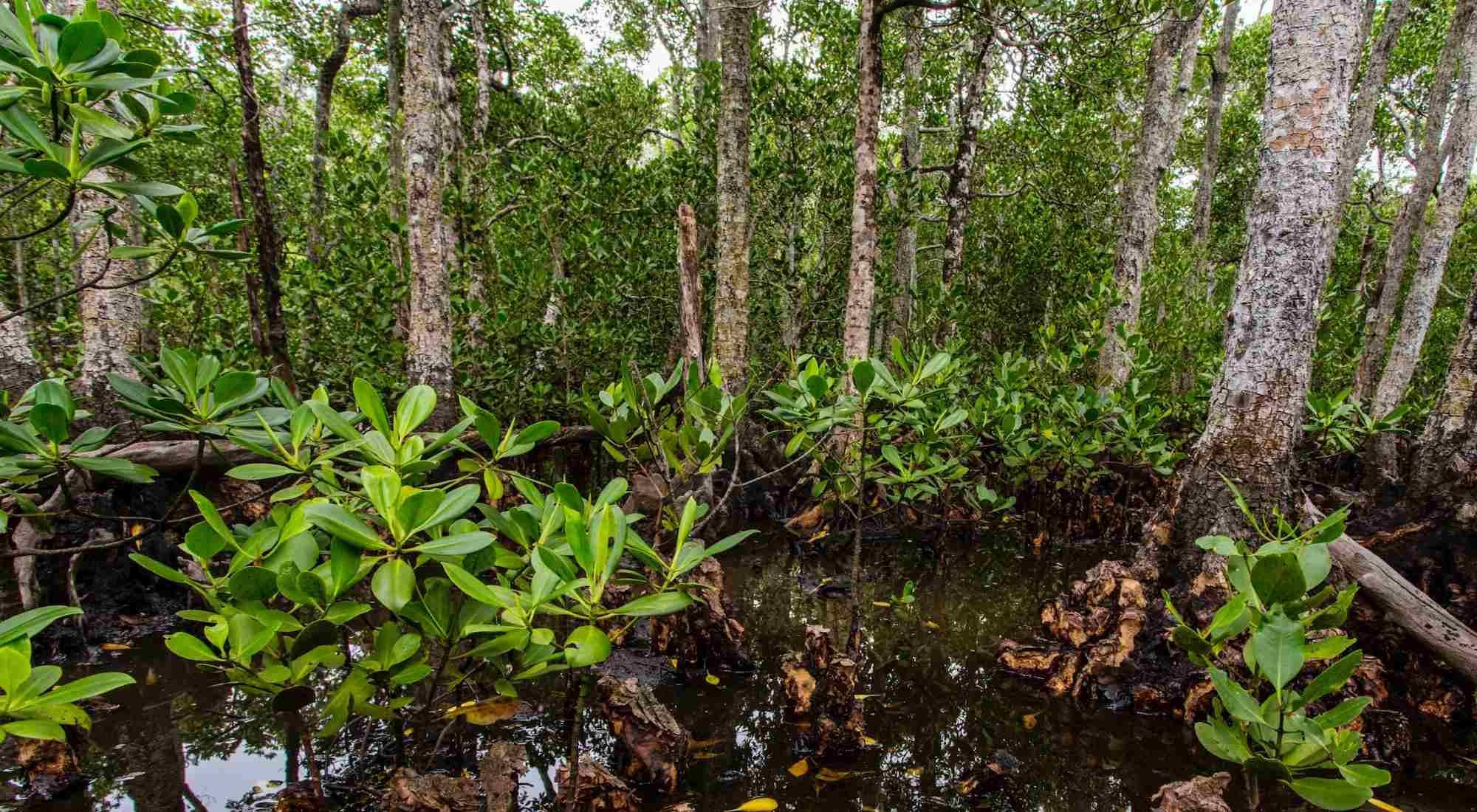

RMIT Pacific Initiative joins forces with Minderoo Foundation to accelerate community conservation and biodiversity protection
The RMIT Pacific Initiative will be expanded across Melanesia through a new $1.6 million partnership with Minderoo Foundation.

Shoppers know fast fashion harms environment but keep buying: study
New RMIT University research suggests environmental awareness alone may not stop people buying ultra-fast fashion, with price and convenience trumping sustainability concerns for shoppers.
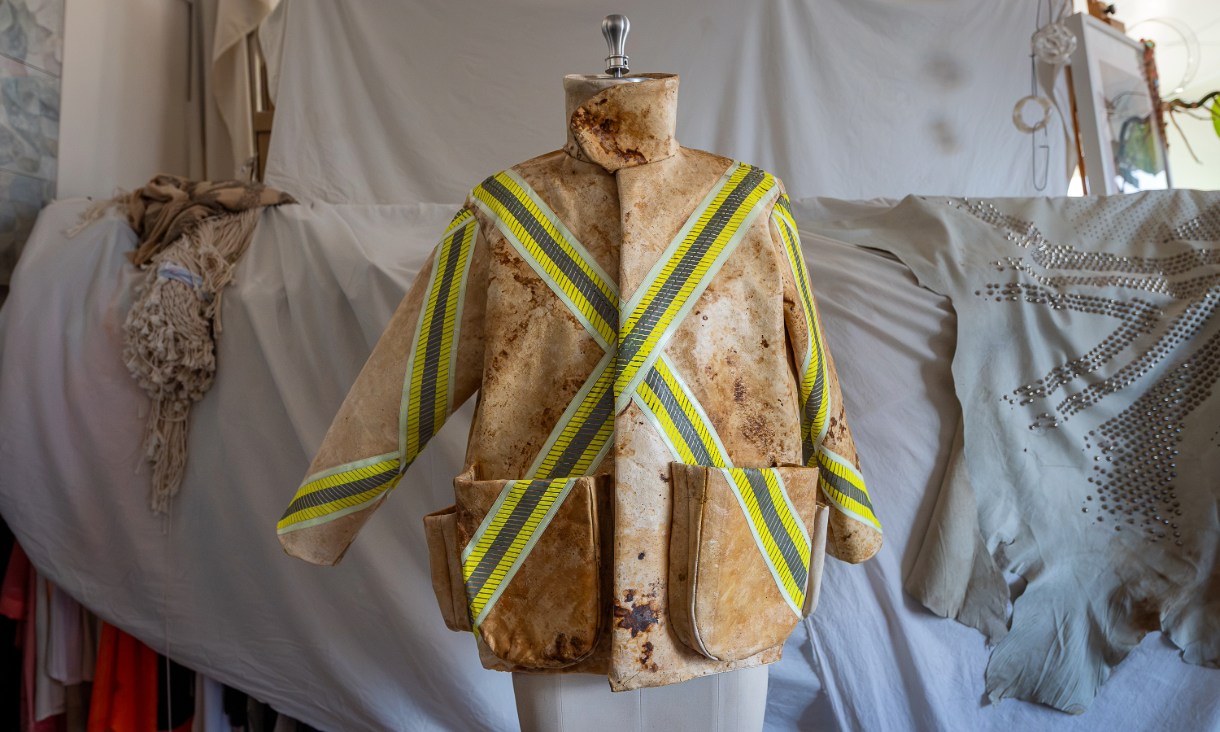
Fighting fire with fungi: researchers design protective clothing using mycelium leather
RMIT researchers have crafted a wildfire jacket prototype from mycelium leather, testing whether fungi‑based materials could help shape the next generation of protective clothing.
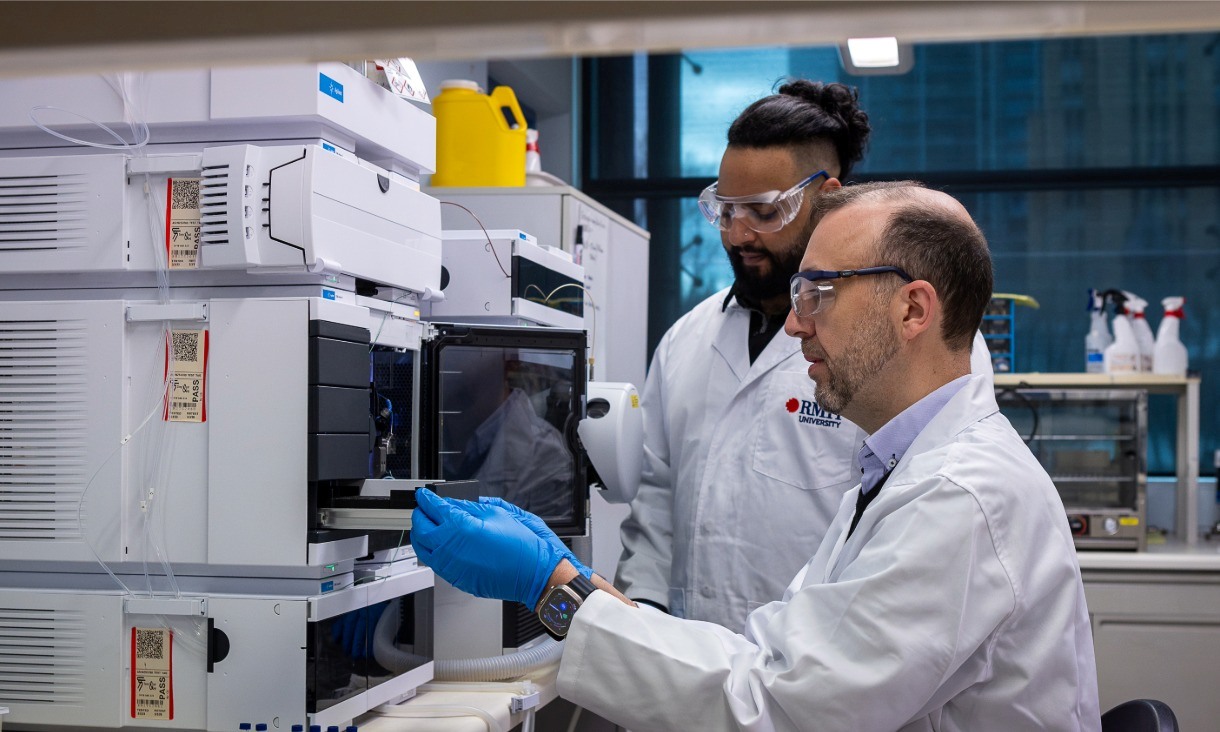
First-ever Aussie study of “forever chemicals” in rain finds safe concentrations for drinking water
The first Australian study of PFAS – so called “forever chemicals” – in rainwater has found safe concentrations of the chemicals according to the NHMRC Australian Drinking Water Guidelines.
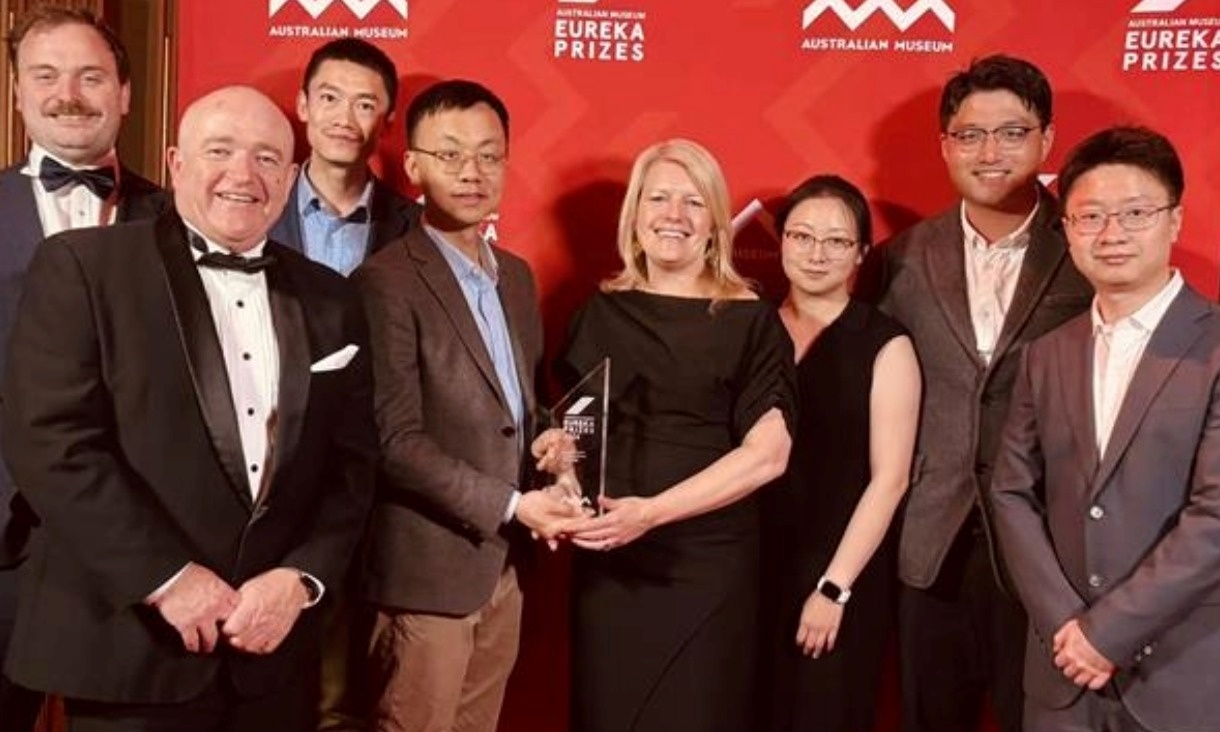
RMIT carbon conversion technology wins Eureka Prize
A breakthrough RMIT technology that captures and converts carbon dioxide into valuable products in a single process has won one of Australia's most prestigious science awards.
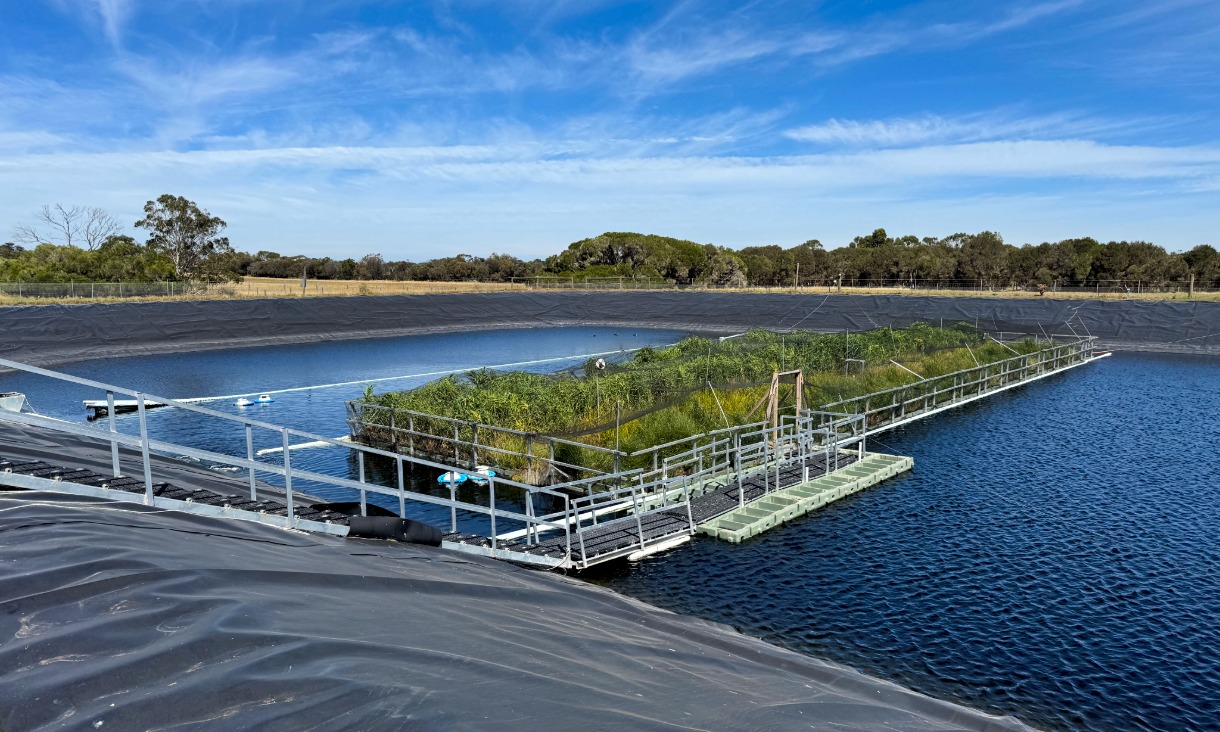
Floating wetlands slash wastewater greenhouse gas emissions: study
A world-first trial of floating wetland pods in wastewater lagoons shows they cut greenhouse gas emissions by more than a quarter, highlighting their potential as a nature-based solution for decarbonising the water sector.
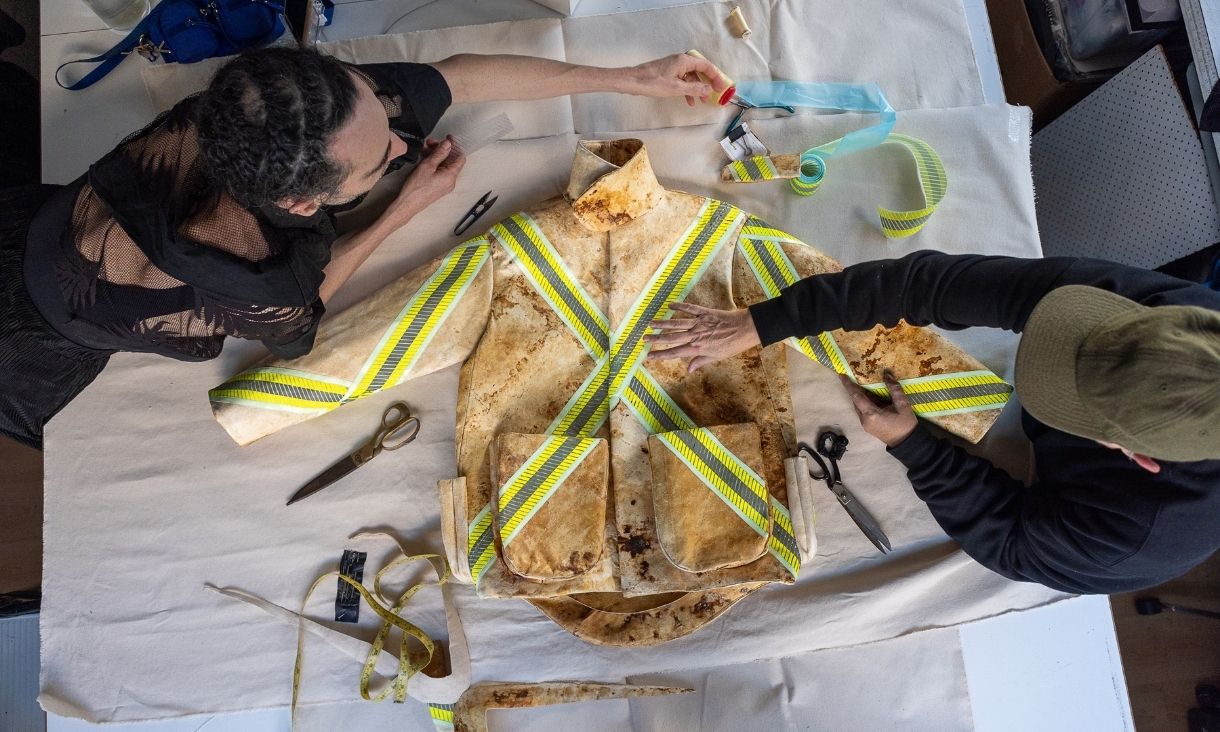
From ancient silk to living leather: RMIT's plant-based designs brought to life at NGV
A rare 'blackest black' silk from Vietnam's Mekong Delta and a fire-retardant jacket grown from fungal networks are among the standout commissions RMIT University has contributed to the National Gallery of Victoria's world premiere exhibition, Plant Life: The Nature of Design.
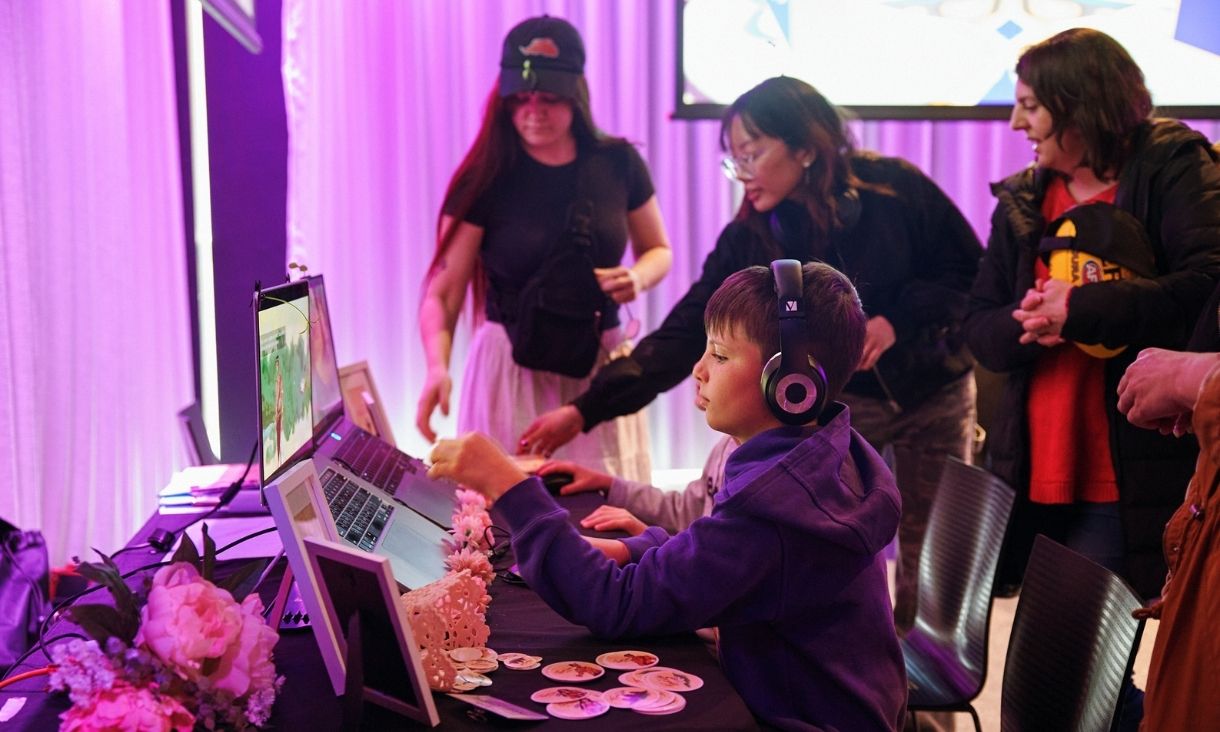
RMIT renews decade-long partnership as ACMI's Major University Partner
RMIT University is now recognised as ACMI's Major University Partner, marking the continuation of a 10-year collaboration that has become a cornerstone of Australia's screen-based creative industries.
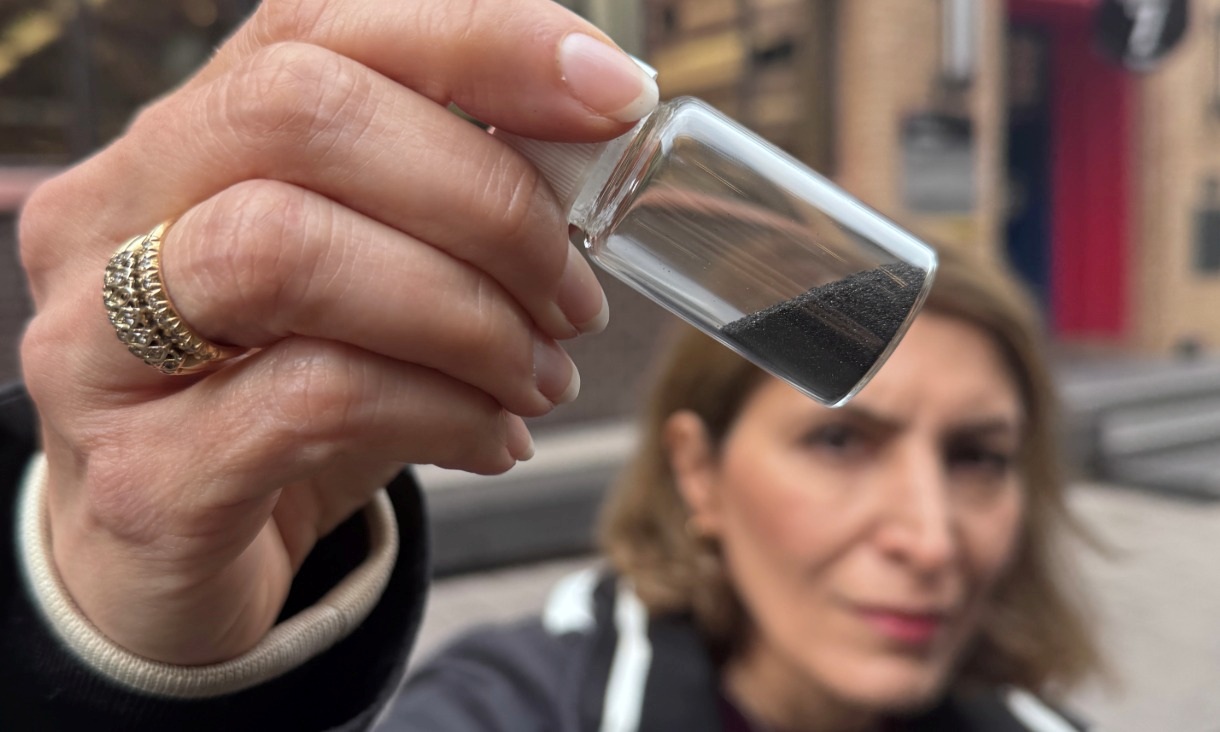
Magnetic invention removes ‘invisible’ microplastics plus some PFAS
RMIT University researchers have developed a water treatment material that rapidly removes micro and nano plastics and some PFAS, bringing the technology closer to real world use.

Plug-in solar could help renters cut power bills – if Australia’s rules catch up
Australia’s rooftop solar boom has helped many homeowners cut their electricity bills, but renters and apartment dwellers are still being left behind. An RMIT expert says plug-in solar panels and batteries could help more households access cheaper, cleaner energy, provided Australia gets the right rules, safety standards and consumer protections in place.
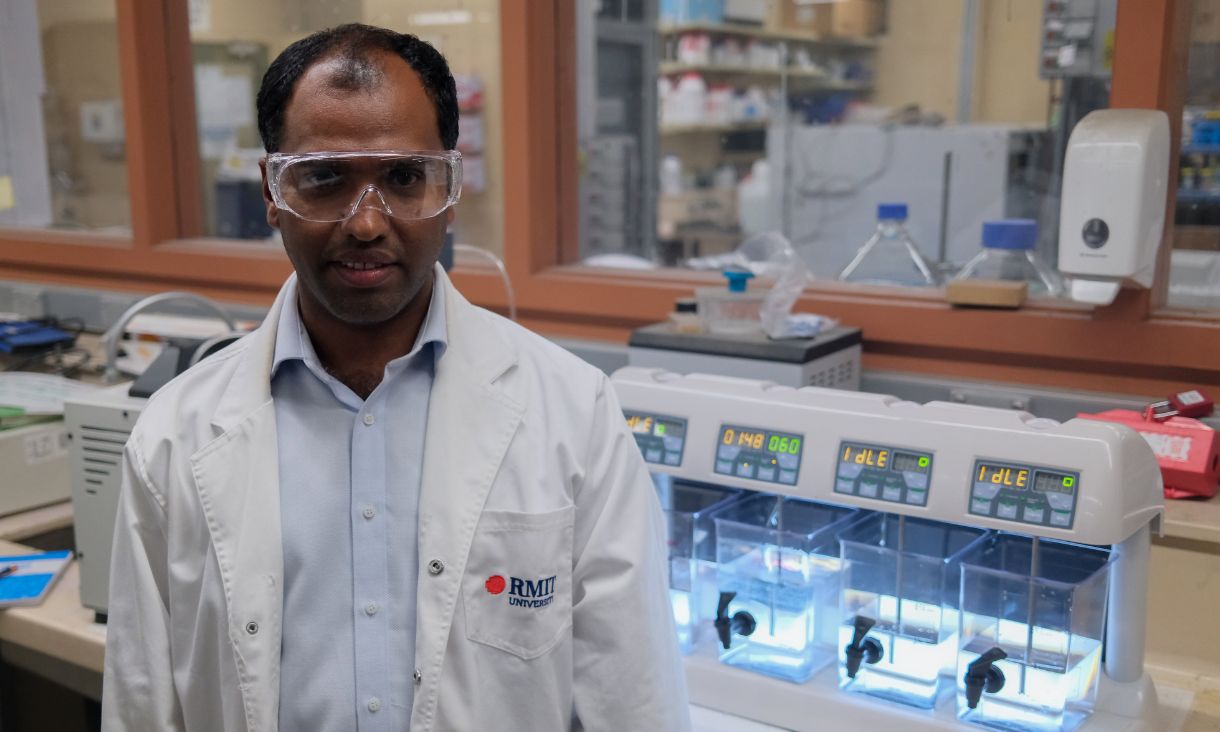
New approach boosts microplastic removal from wastewater
RMIT University researchers have developed a more effective way to capture microplastics from wastewater, using a combination of microbubbles and nanobubbles to achieve removal rates of more than 90% before pollution reaches waterways.

European cities short on shade as heat bites
New analysis of 5.5 million buildings shows 84% fall short of tree canopy levels required for meaningful cooling.
.jpg)
RMIT advances sustainable housing leadership at WSBE26
RMIT University was honoured to recently host the World Sustainable Built Environment Conference 2026 (WSBE26) in Melbourne, one of the longest‑running global scientific and technical conference series dedicated to sustainability in the built environment.
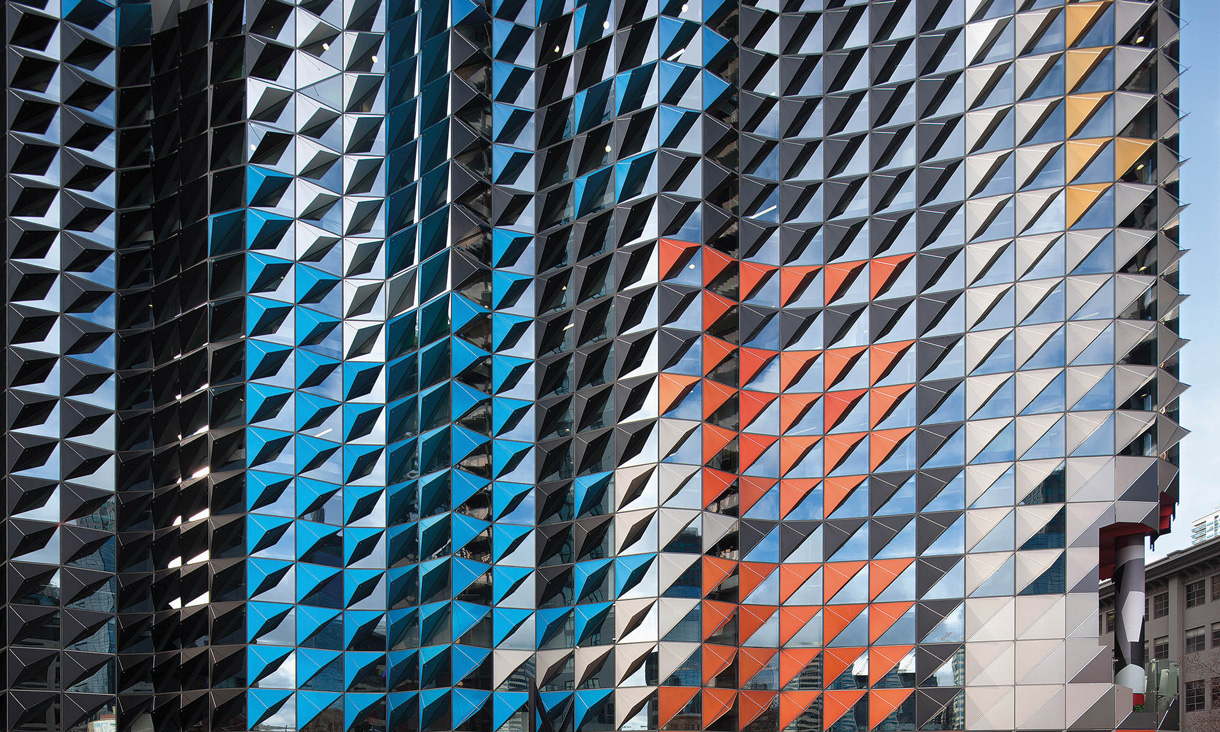
RMIT top 10 university globally in three sustainability measures
RMIT has ranked in the top 10 worldwide for three of the United Nations’ Sustainable Development Goals (SDGs) in the latest Times Higher Education (THE) Sustainability Impact Ratings.
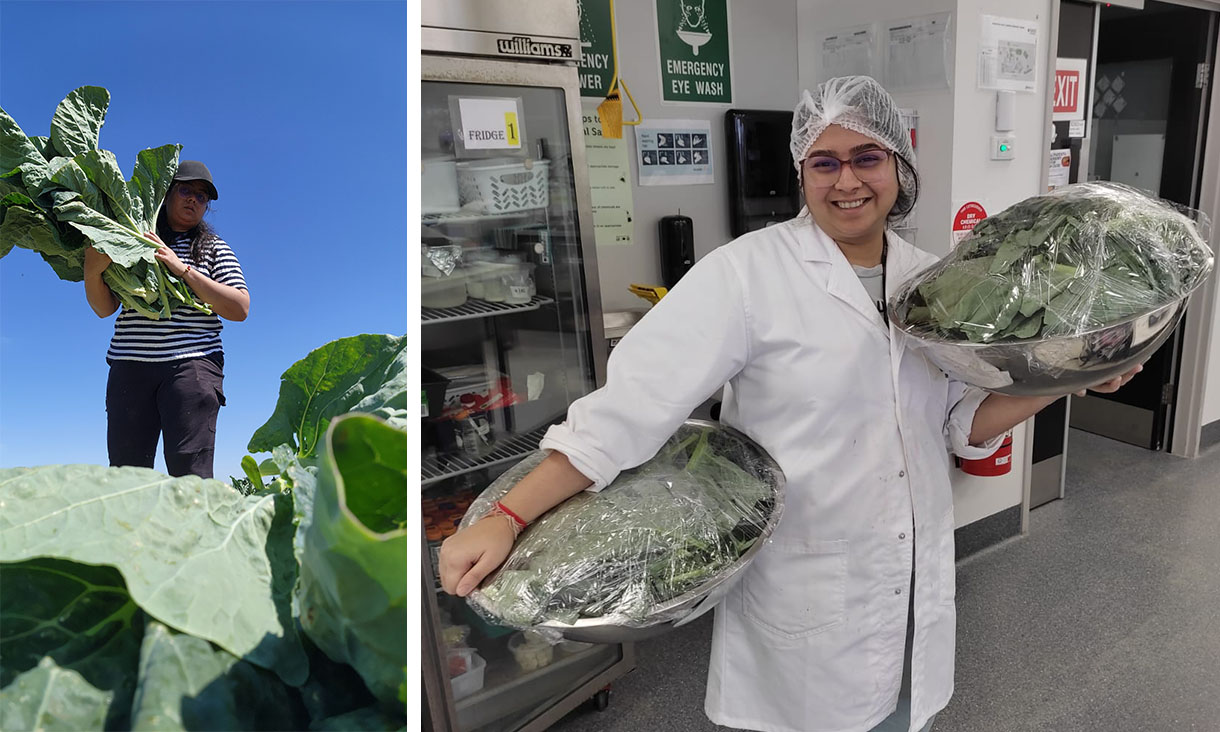
Ultrasound unlocks protein from cauliflower waste
An RMIT innovation uses ultrasound to extract leaf protein from discarded cauliflower leaves, identifying a potential new use for vegetable scraps.
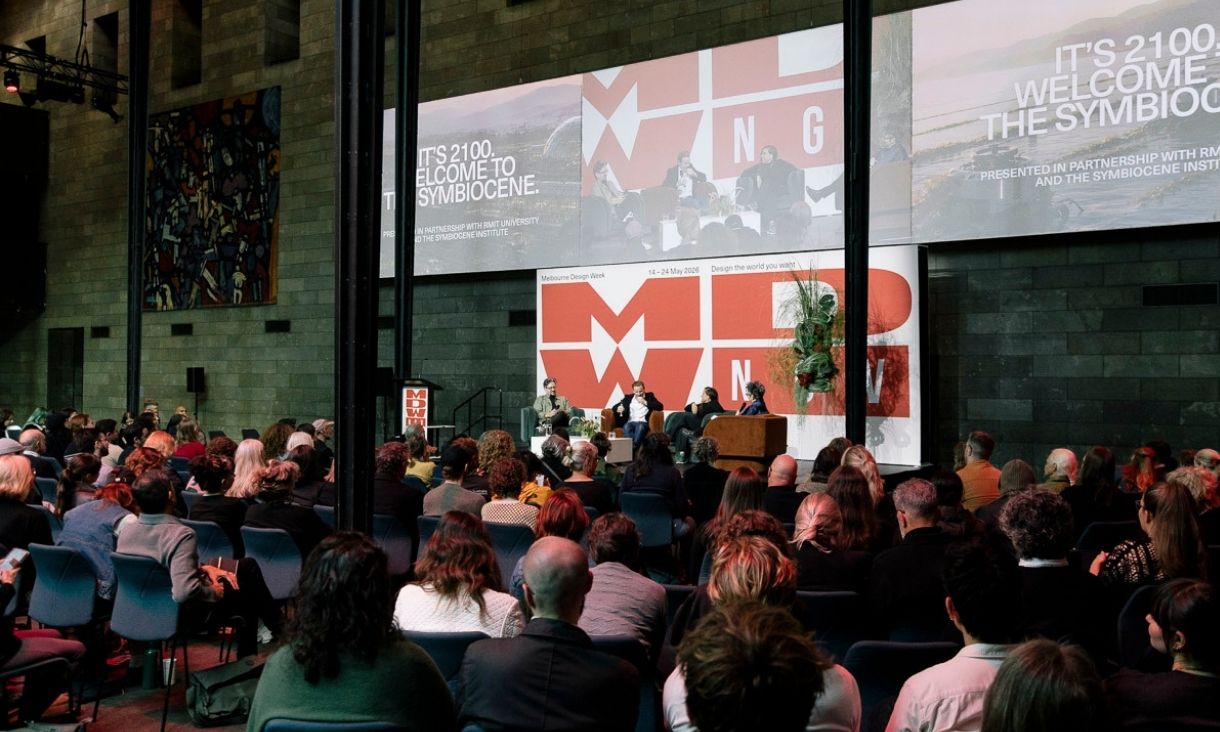
RMIT leaves its mark on Melbourne Design Week 2026
Melbourne Design Week has drawn to a close for 2026, with record numbers of visitors attending 350+ events across Greater Melbourne.
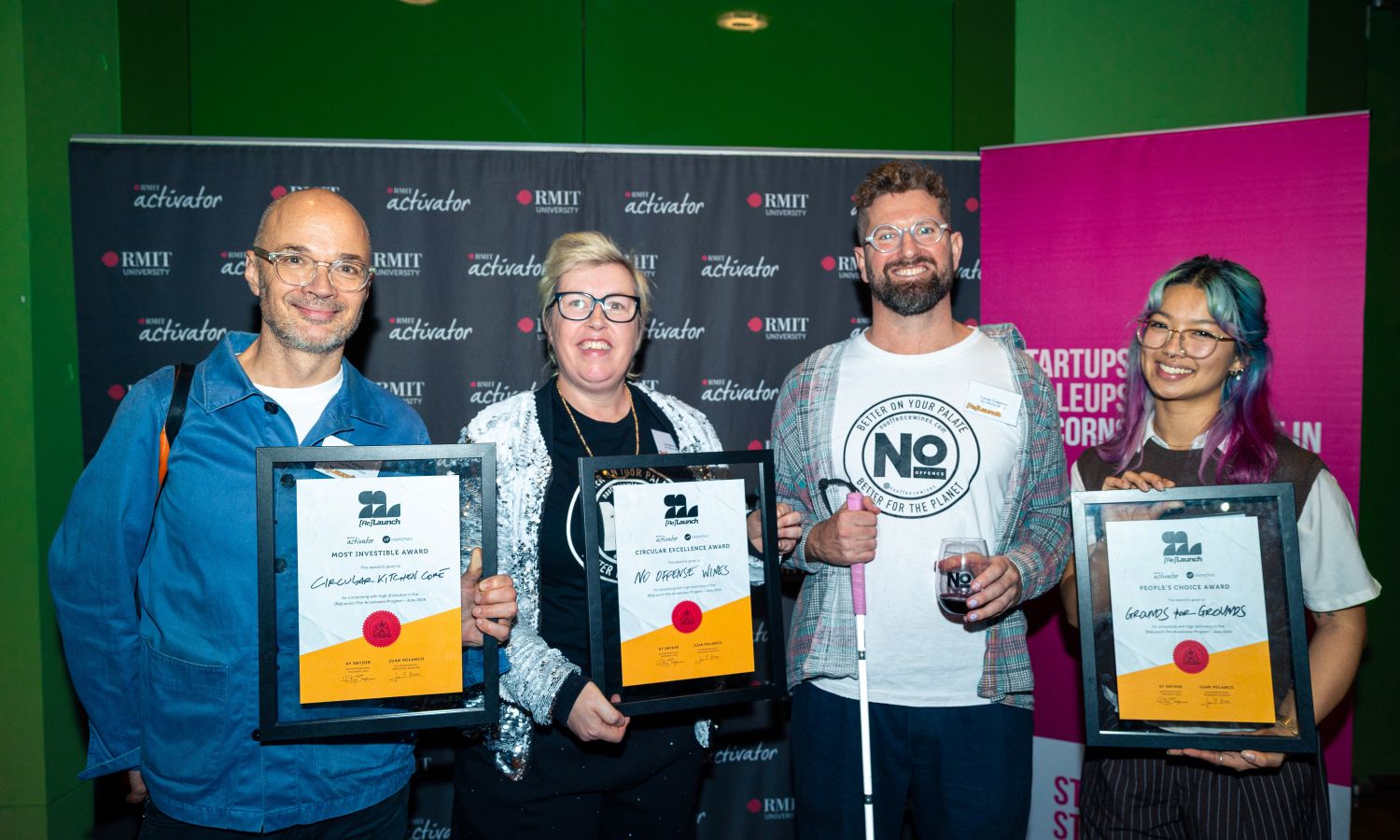
Circular startups take centre stage at [Re]Launch Pitch Night
Startups finding practical ways to reduce waste, reuse materials and keep products in use for longer are taking their next steps after three months of learning, coaching and startup development.
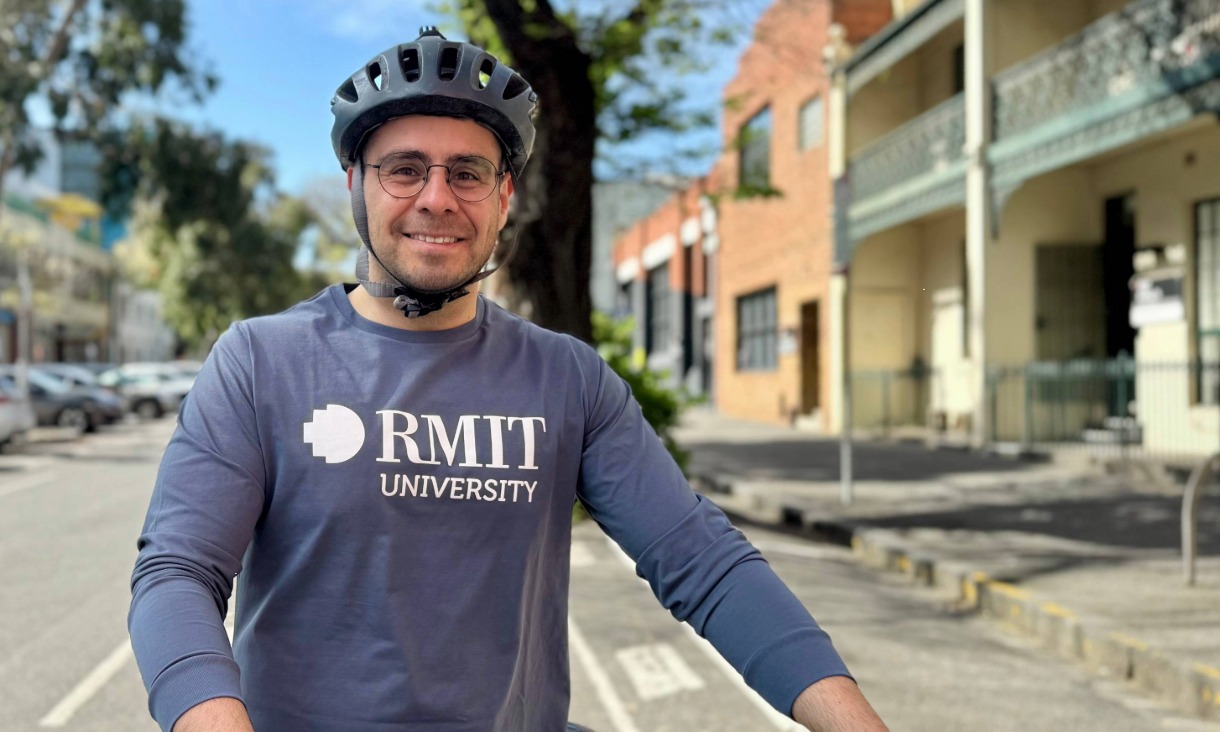
30 km/h trials funded for local streets
The Victorian Government has announced safety upgrades for local roads and streets, including funding to support 30km/h speed limit trials across Victoria.

Fast-food waste driven by wrong orders: study
A review into food waste in Australia’s quick service restaurants has found order mistakes are the biggest driver of food waste, with better staff training a key part of the solution.
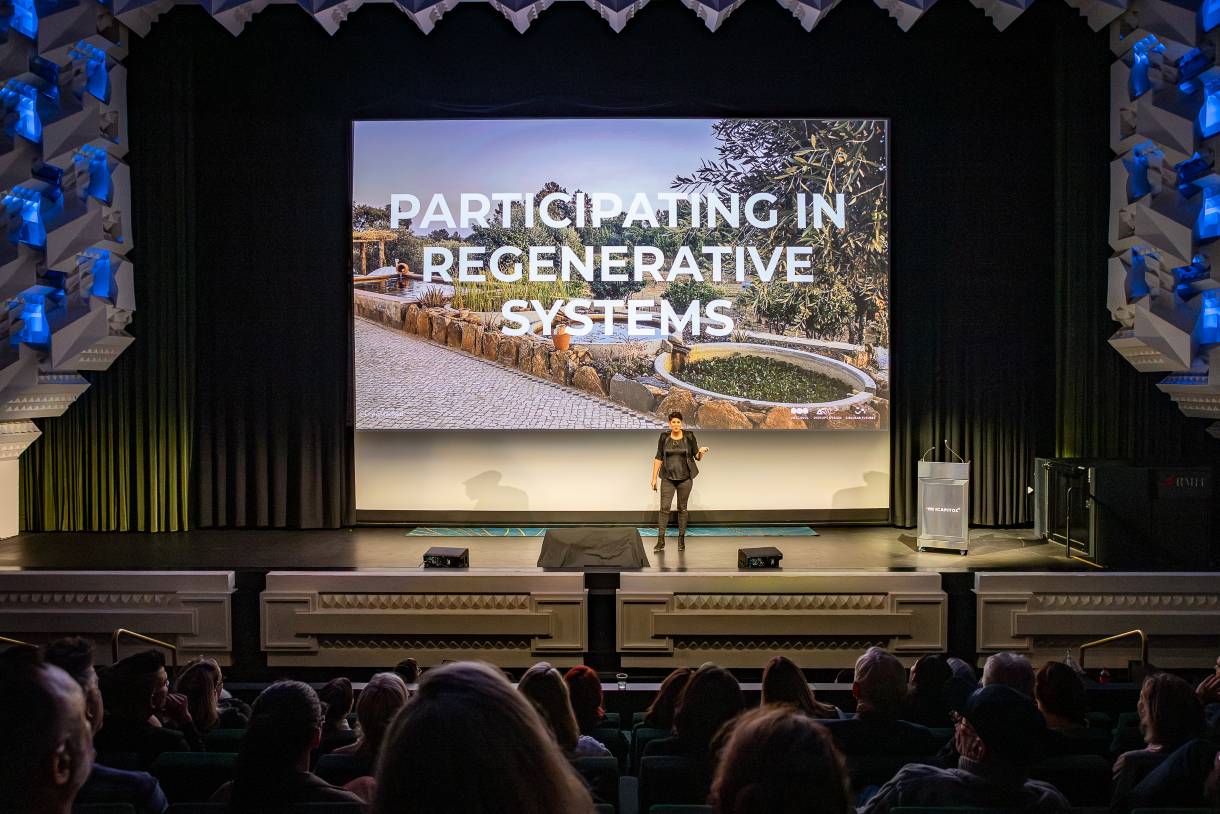
RMIT commits to a regenerative future
RMIT has launched the Regenerative Futures Institute (RFI), a new initiative dedicated to working across disciplines, sectors and communities to help social, environmental and economic systems flourish.