
Fostering a sustainable fashion industry in Vietnam

Fostering a sustainable fashion industry in Vietnam

RMIT researchers are partnering with local artisans in Vietnam to foster a sustainable fashion industry while preserving the nation’s rich cultural heritage.

Through innovative biomaterials, circular design and digital tools, the program is strengthening local livelihoods and supporting a regenerative fashion industry.

The challenge

Tackling a global crisis for the industry

The global fashion industry is facing growing pressure from climate change, overproduction, waste and erosion of cultural heritage.

These issues are of particular concern in Vietnam, which is home to rich textile and craft traditions, but also a leading contributor to the world’s plastic waste.

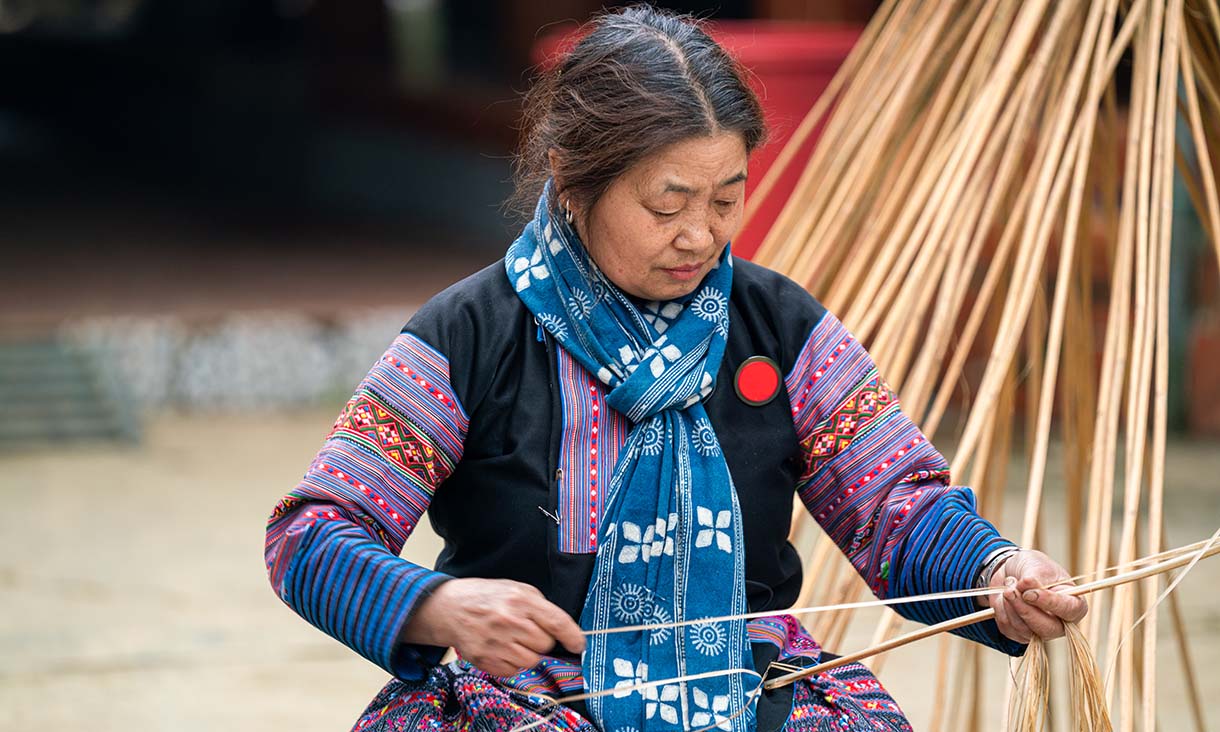
Many traditional practices such as weaving, dyeing, batik, embroidery and brocade are increasingly at risk due to climate impacts, migration of younger people to the cities and globalised fashion trends.

Research solution: from biomaterials to cultural heritage preservation

RMIT Vietnam’s School of Communication and Design is responding to these issues through research focused on:

  • Experimenting with innovative biomaterials and biobased production systems.
  • Advancing circular and sustainable practices.
  • Co-designing digital tools to safeguard cultural heritage while strengthening local artisan livelihoods.

Professor Donna Cleveland, Dean of RMIT Vietnam’s School of Communication & Design said: “We are taking a holistic view of fashion in the broadest sense, to improve and protect the local industry.”

Community partnerships

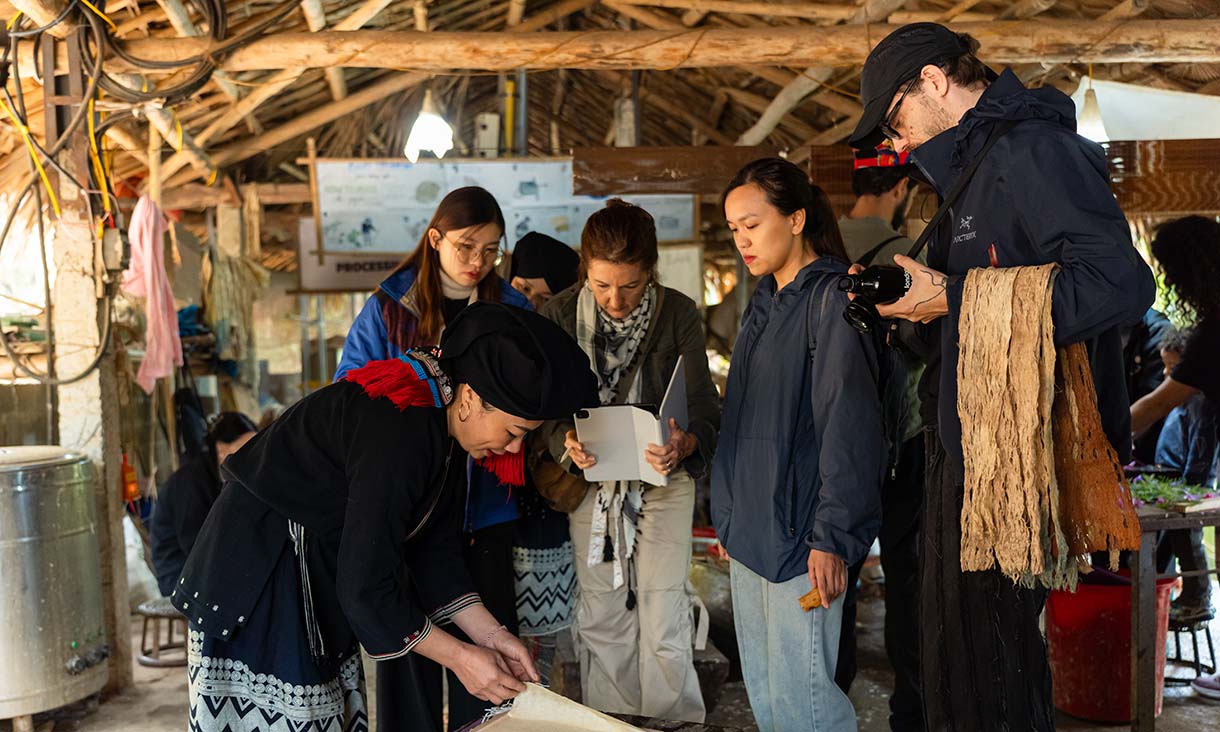
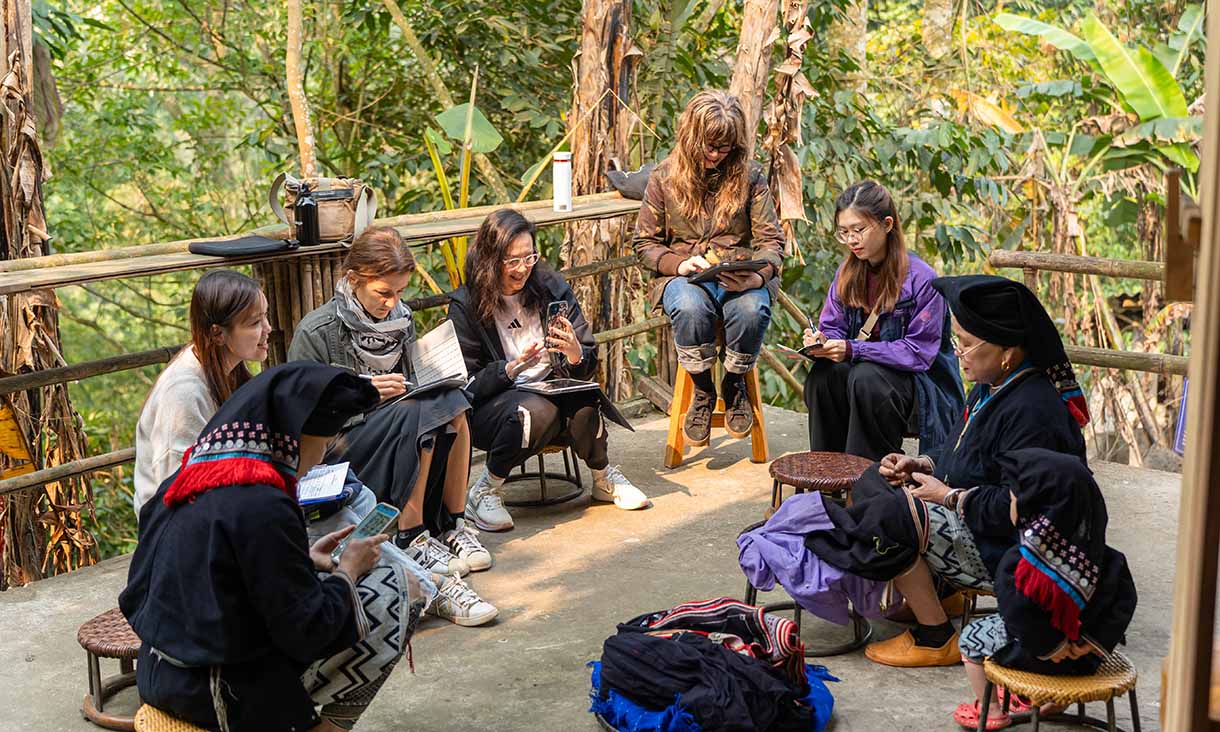
Working with local artisans to exchange knowledge is central to the research approach. 

Program Manager for the Bachelor of Fashion Enterprise, Corinna Joyce said collaborating with communities ensured the program was place-based and steeped in culture.

“Our focus is on recognising the incredible knowledge and resources already here within the country, and co-designing the research program together,” said Joyce.

Spotlight on research projects

Material Futures: Experimental fabrication of biodegradable materials

Bacterial cellulose (BC) is a renewable, biodegradable alternative to petroleum-based fibres and plastics, produced through microbial fermentation when making products like kombucha.

The research team explored different types of BC using various teas and sugars, trialling locally available ingredients and food waste such as black tea, oolong tea, dragon fruit, mango and banana.

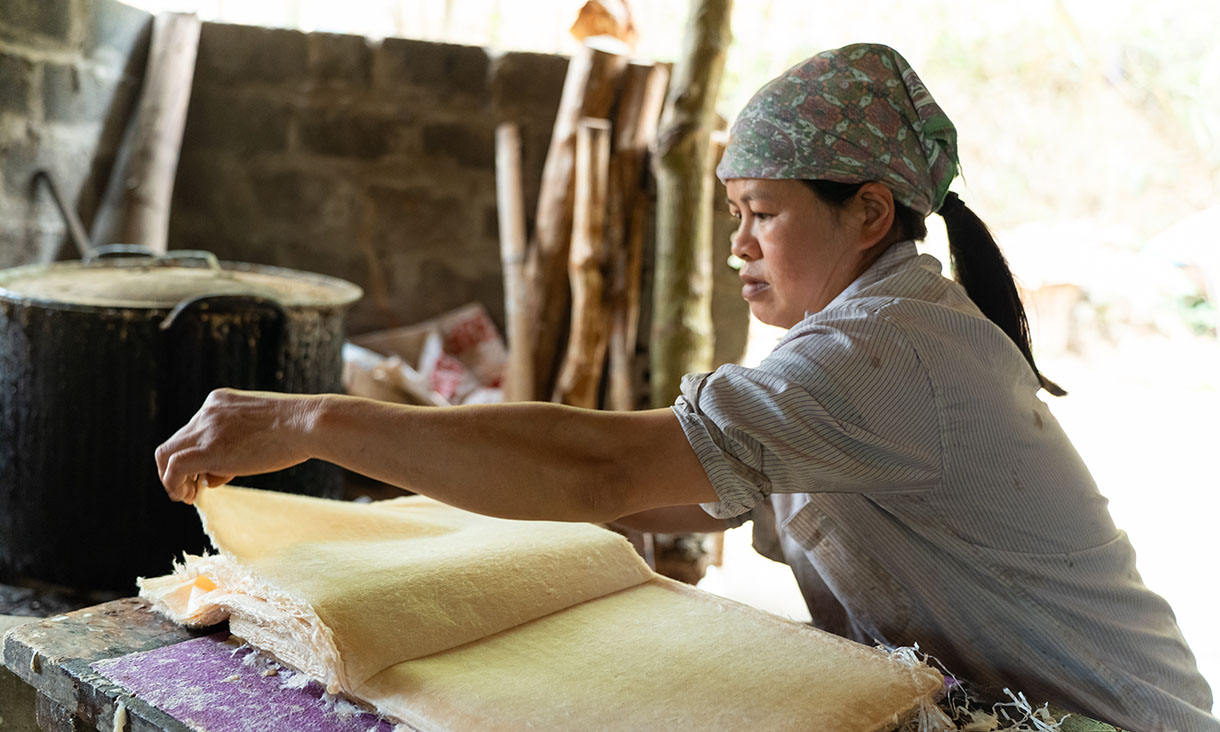
Field research in the Ben Tre and Tay Ninh provinces involved learning traditional rice paper drying techniques using natural elements such as the sun and wind in the process.

The resulting BC sheets were presented to local business and community stakeholders to gain feedback on the material’s appearance, texture and usability.

Key outcomes and impact
  • Demonstrated how local food waste can be transformed into affordable, biodegradable materials
  • Built knowledge-sharing networks among community growers
  • Enabled small-scale experimentation with alternative packaging and textile applications
Digital ‘cookbook’ 

A major outcome has been the creation of a digital ‘cookbook’ to guide community members in growing bacterial cellulose at home using locally available food sources. 

The cookbook supports knowledge transfer beyond the research team, enabling individuals and small businesses to experiment with biodegradable material production independently.

Turning coffee waste into food wraps in Quang Nam

Workshops and participatory online sessions in the Quang Nam province brought together a community of BC growers. This collaboration led to a café producing BC from coffee waste and gifting sheets to a local banh mi vendor to use as food wraps.

Vietnam Design Research Studio (VDRS) - using digital tools to preserve cultural heritage

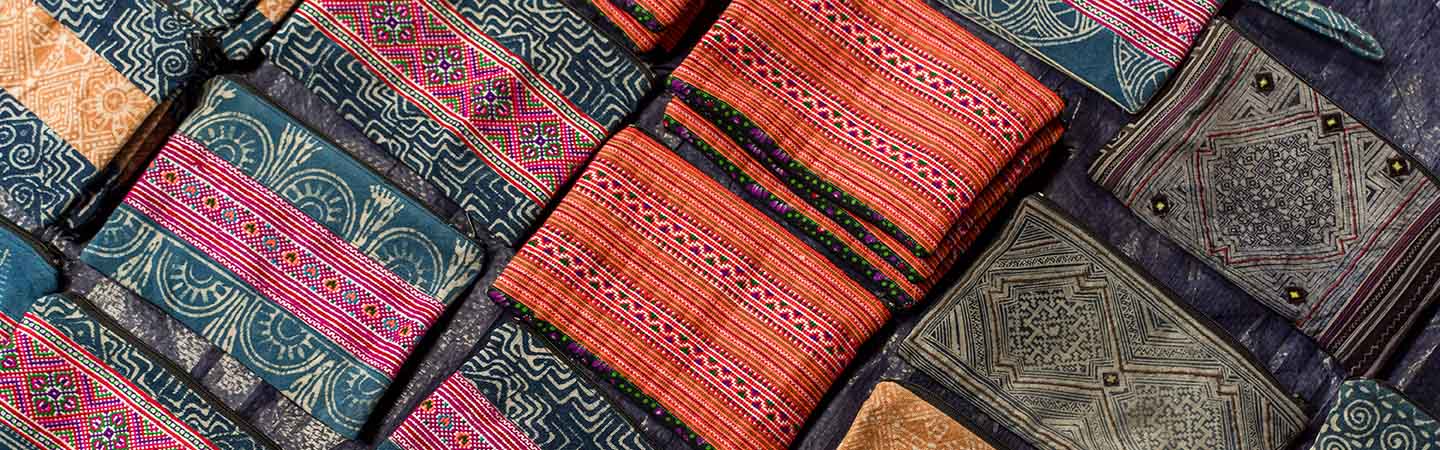
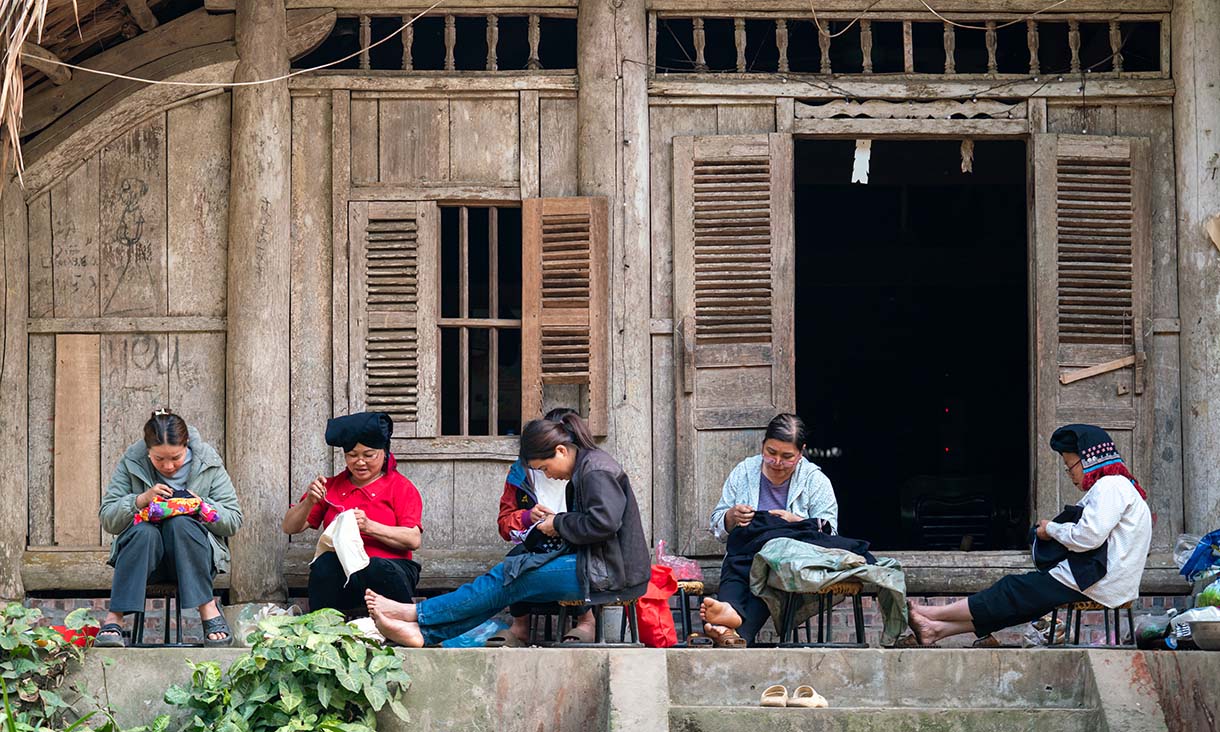
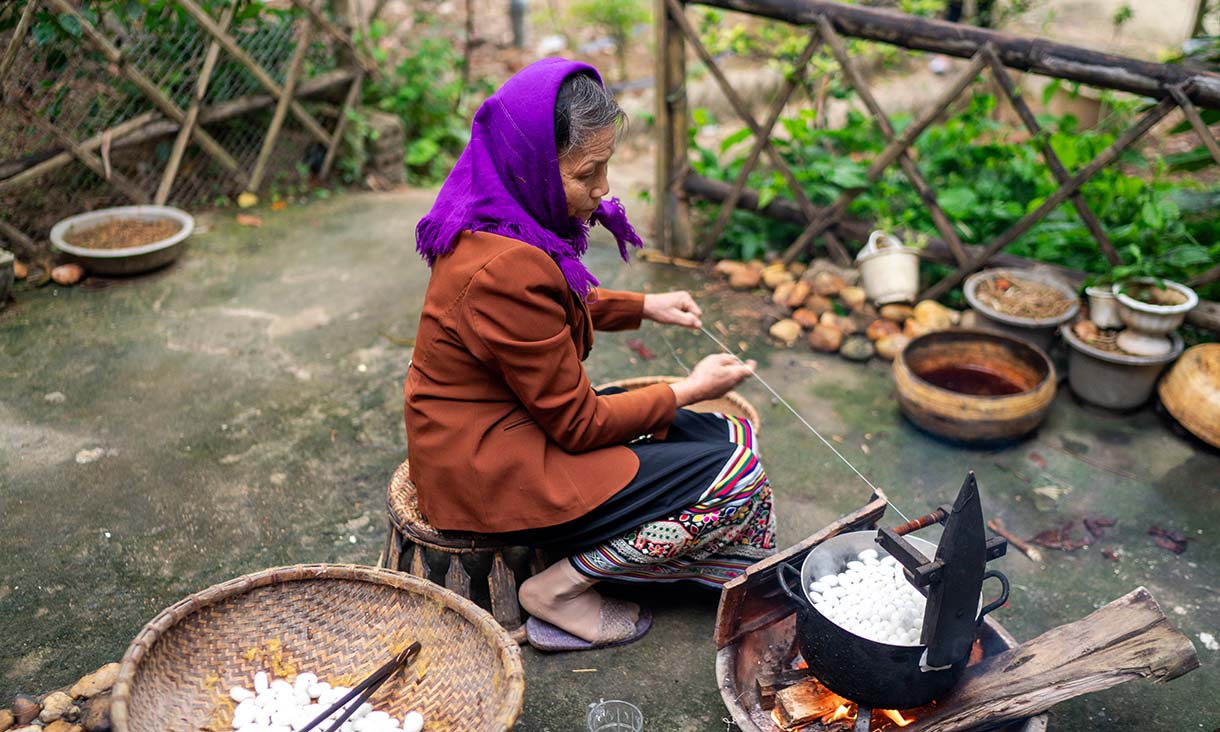
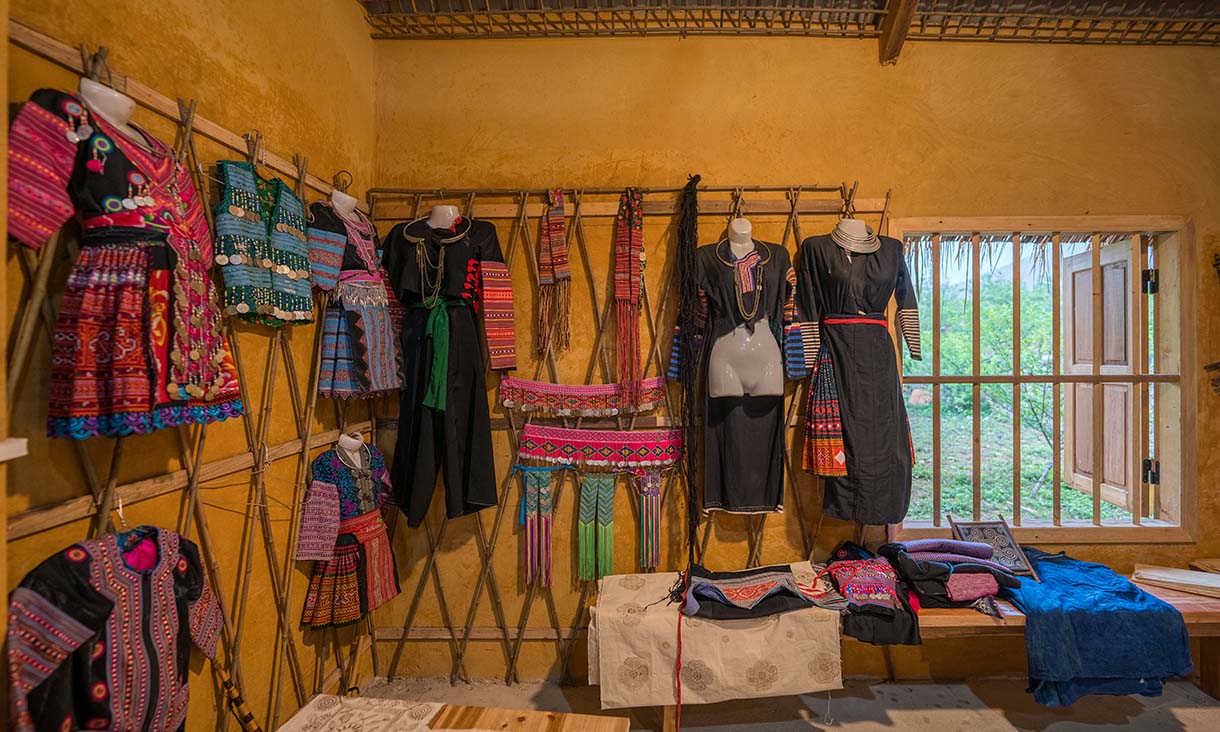
Vietnam is home to 53 ethnic minorities, each with distinct textile knowledge and craft traditions including weaving, dyeing, embroidery, batik, indigo and brocade. However, these practices and any income they provide are vulnerable as younger generations move to cities and fashion industry markets change.

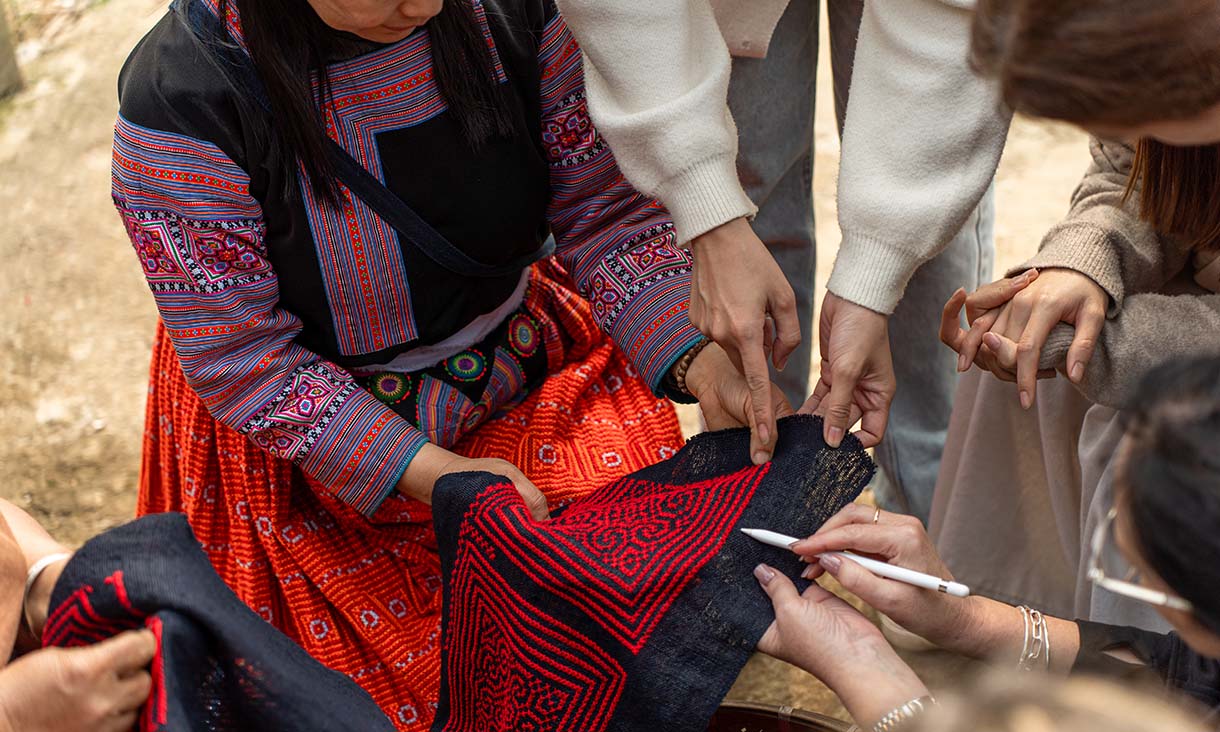
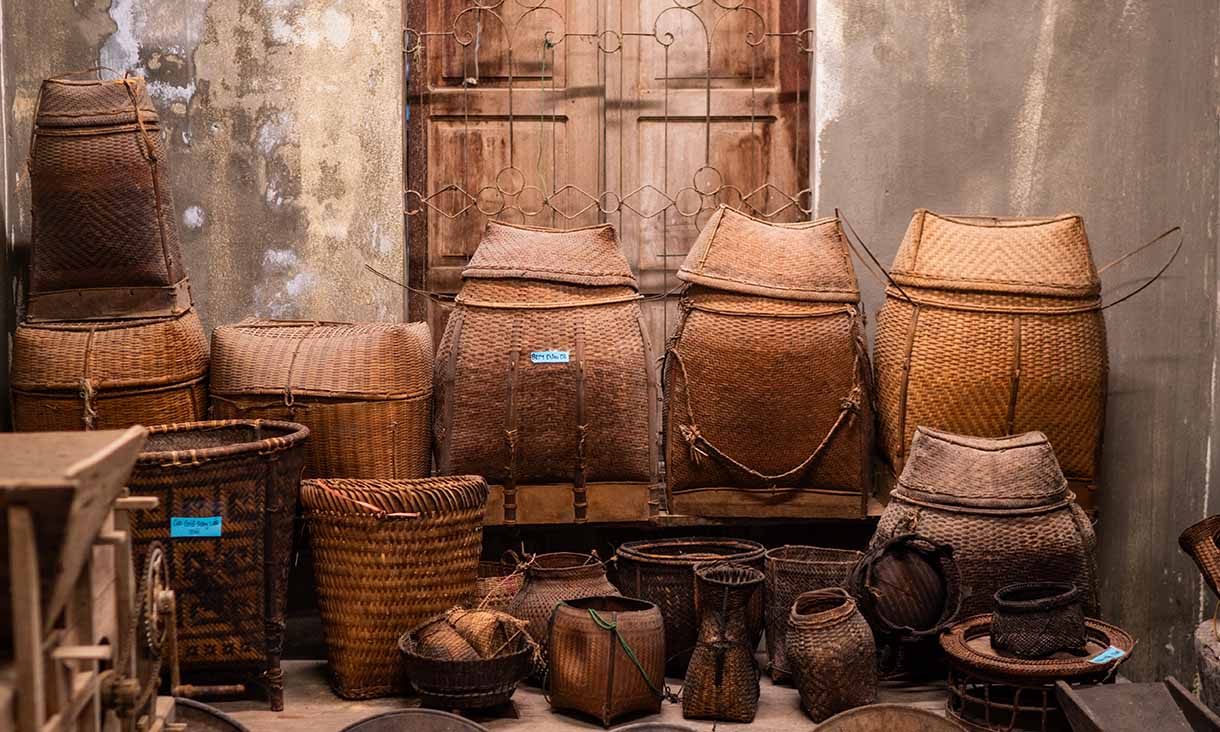
Led by Donna Cleveland and Corinna Joyce, the VDRS worked on-site with local artisans in six communities to document artefacts, craft practices and cultural knowledge at risk of being lost.

Using technologies including photography, video, 3D scanning and photogrammetry, the team records techniques, processes and artisan voices. The digital platform aims to:

  • Help communities to defend their intellectual property rights
  • Archive and raise awareness about and the traditional techniques and craft practices
  • Provide resources to help artisans adapt their work for contemporary markets
  • Strengthen intergenerational knowledge transfer.

“We also want to support local livelihoods through these cultural practices,” said Joyce.

“This includes helping the communities to evolve their garments, techniques and materials so they can remain within their communities and have a sustainable income without having to go into the cities,” she said.

Key outcomes and impact
  • Preserving symbols, motifs and patterns and documenting and revitalising traditional weaving, embroidery, and dyeing techniques.
  • Equipping artisans with digital tools to share their cultural stories more widely
  • Supporting adaptation of traditional crafts for contemporary markets
  • Exhibitions, workshops and media profiling have strengthened visibility of Vietnam’s textile traditions and fostered connections between generations.
Teaching and student benefits stemming from the research program

Insights from the research program led to RMIT Vietnam introducing textile technology into the fashion curriculum. New courses include biomaterials, natural dyeing and other techniques.

Cleveland said it’s been rewarding to see the students get direct benefits from the research.

“It’s also been wonderful to see them apply these ideas and go on to win international awards,” said Cleveland.

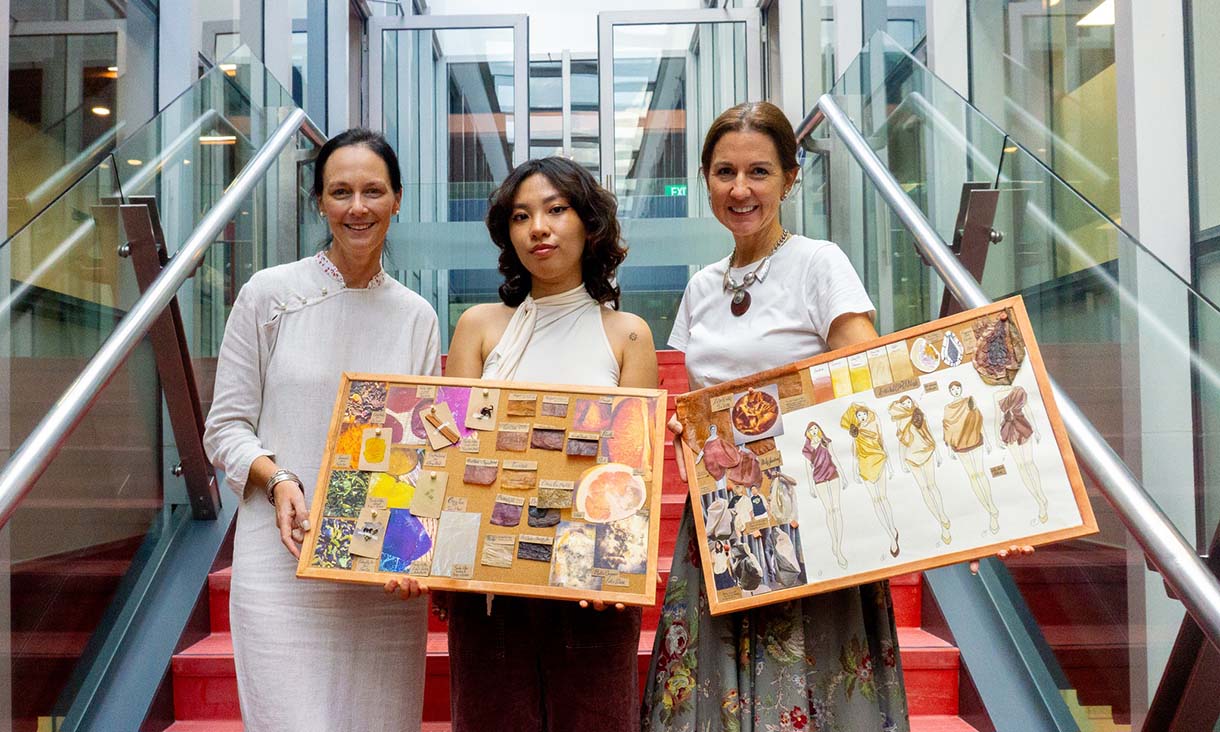
Bachelor of Fashion Enterprise student Veronica Duong Ho was announced as the 2025 global winner of the Society of Dyers and Colourists (SDC) International Design Competition.

Photograph of Veronica, Corinna and Donna standing together. They're holding boards that display colourful illustrations. Veronica Duong Ho Van, Corinna and Donna at the Society of Dyers and Colourists (SDC) International Design Competition.
International workshops

Cleveland and Joyce received Erasmus funding to teach a summer school on biomaterials in Spain.

Vision for the future

The VDRS aims to continue this work long term, and to keep building interest and awareness among younger generations to ensure the longevity of Vietnam’s rich cultural heritage.

Please click on the individual image above to view it in full.

Key contacts

Donna Cleveland

Professor, Dean, School of Communication & Design

Corinna Joyce

Program Manager, Fashion Enterprise, School of Communication & Design

SDGs

SDG 11
SDG 12
SDG 13

Read related RMIT impact stories


Connect with RMIT Research

If you're not sure how you can best work with us, our team can explain what's possible and put you in touch with the right person. 

aboriginal flag float-start torres strait flag float-start

Acknowledgement of Country

RMIT University acknowledges the people of the Woi wurrung and Boon wurrung language groups of the eastern Kulin Nation on whose unceded lands we conduct the business of the University. RMIT University respectfully acknowledges their Ancestors and Elders, past and present. RMIT also acknowledges the Traditional Custodians and their Ancestors of the lands and waters across Australia where we conduct our business - Artwork 'Sentient' by Hollie Johnson, Gunaikurnai and Monero Ngarigo.

Learn more about our commitment to Indigenous cultures