Project management is central to successful research, yet it's common for researchers to have limited formal training in the tools and approaches needed to manage projects effectively.
Recognising this gap, RMIT launched Project Management for Researchers (PM4R) in 2019 as a collaboration between the School of Property, Construction and Project Management and the Research and Innovation portfolio.
The program was designed to help researchers move from having a research idea or proposal to developing an actionable plan for delivery, by thinking systematically about scope, timelines, stakeholders, risks, resources and outcomes.
Over time, PM4R has helped researchers across RMIT build the practical capabilities needed to deliver high-quality projects and maximise research impact.
Professor Swee Mak, Associate Deputy Vice-Chancellor, Research and Innovation Capability, has been a long-time supporter of PM4R and said the program continues to play an important role in supporting researcher capability development.
"Project Management for Researchers is one of the most enduring and sustained successes we have had over many years now and is indeed a signature program that underpins RMIT's commitment to enable our researchers to deliver projects for impact,” Swee said.
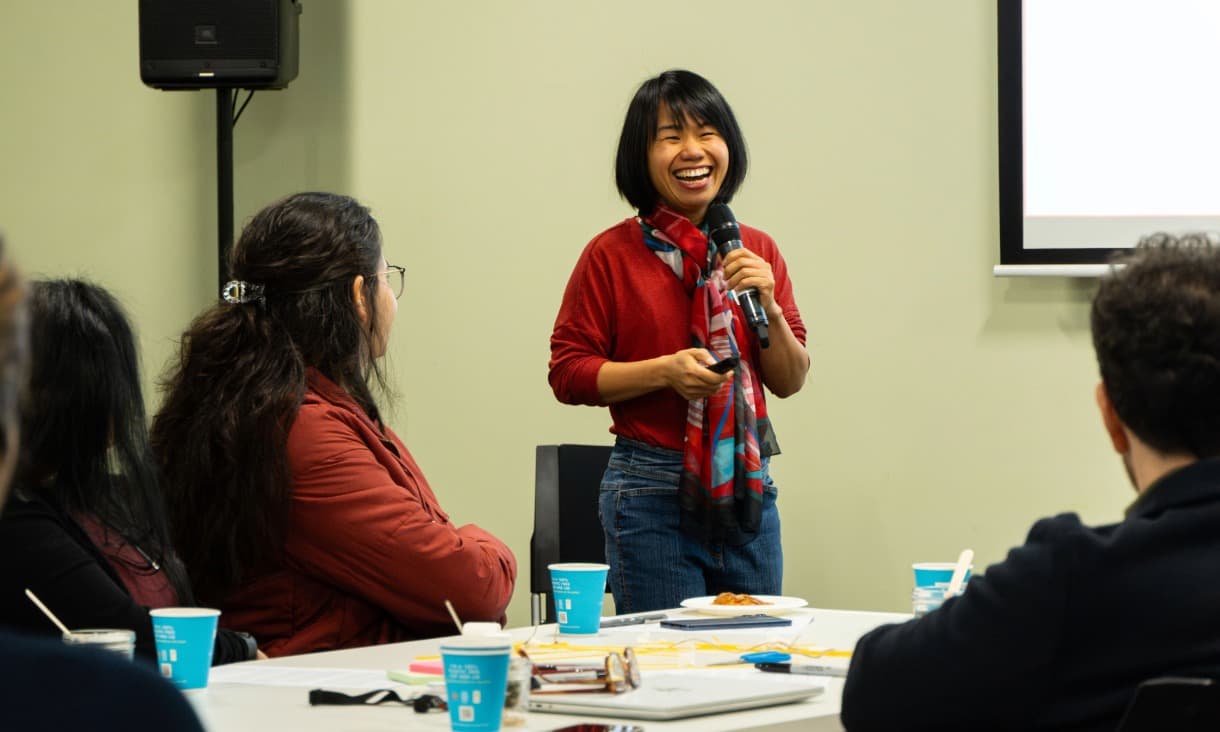 Dr. Thuy Nguyen facilitating a discussion on why project management is important in managing research.
Ahead of the first PM4R workshop of 2026, the program was updated to make the learning experience even more relevant and practical for researchers across disciplines.
"The redesign introduced a new research-focused case study, updated learning materials, and a blend of predictive and adaptive project management approaches that participants could immediately apply to their own research projects,” said Associate Professor Tiendung (TJ) Le.
Interest in the updated program was strong, with the July workshop attracting more than twice as many expressions of interest as available places, and bringing together researchers from diverse disciplines, colleges and career stages.
The strong demand highlighted the growing recognition of effective project management as an important enabler of successful research outcomes and impact.
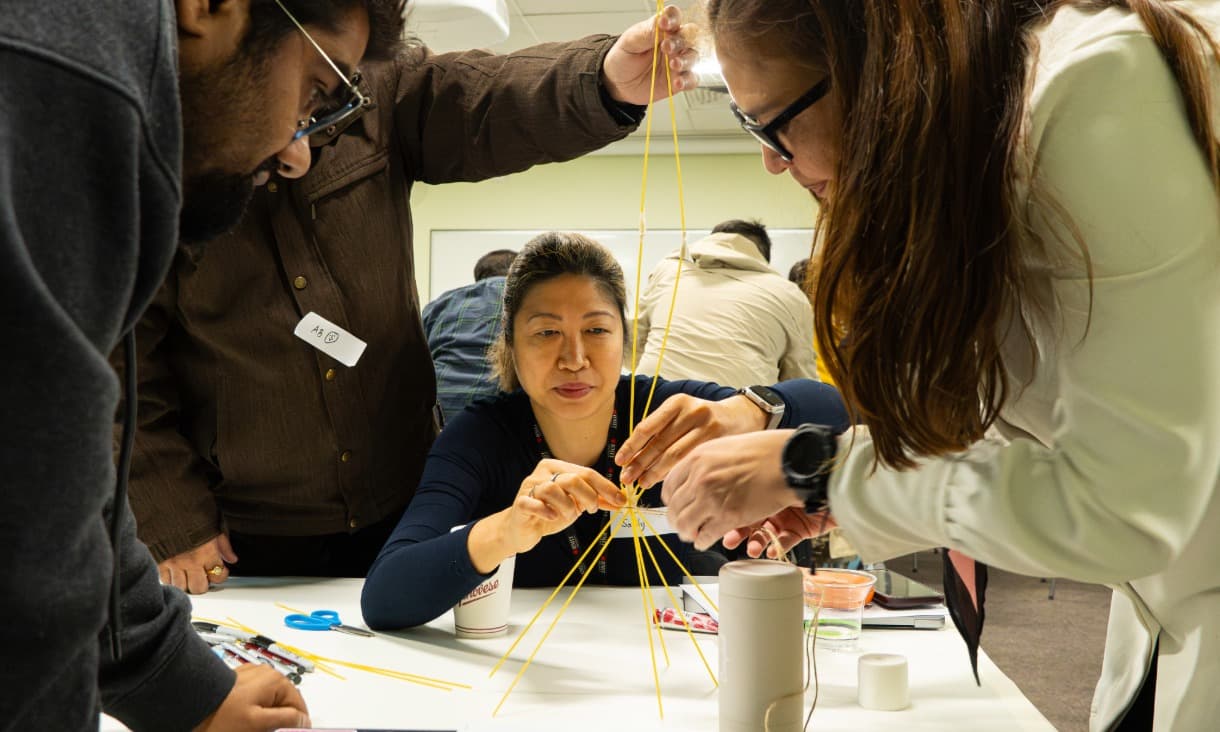 PM4R participants building a model using project management skills.
Feedback from the workshop was overwhelmingly positive, with participants particularly valuing the practical and immediately applicable nature of the content.
Dr Fateme Akhlaghi from the School of Engineering said the workshop changed how she viewed research projects.
"It helped me realise that every research project is also a project that can be planned, organised and managed more effectively," she said.
"It showed me how project management can bring greater clarity and structure to complex projects involving different stakeholders, diverse objectives and multiple streams of work."
Participants also praised the opportunity to apply practical tools and techniques directly to their own research projects.
Additional PM4R workshops will be held in Saigon South in October and in Melbourne in November.
Further information
- Visit the PM4R webpage to register for future workshops.
- Subscribe to the Researcher Capability Development Digest to stay informed about upcoming opportunities.



