30kph residential speed limit improves safety with little effect on travel times

30kph residential speed limit improves safety with little effect on travel times

Reducing residential speed limits from 50 kilometres per hour to 30kph would significantly boost bicycle riding safety without majorly affecting car trip times, an RMIT University study found.
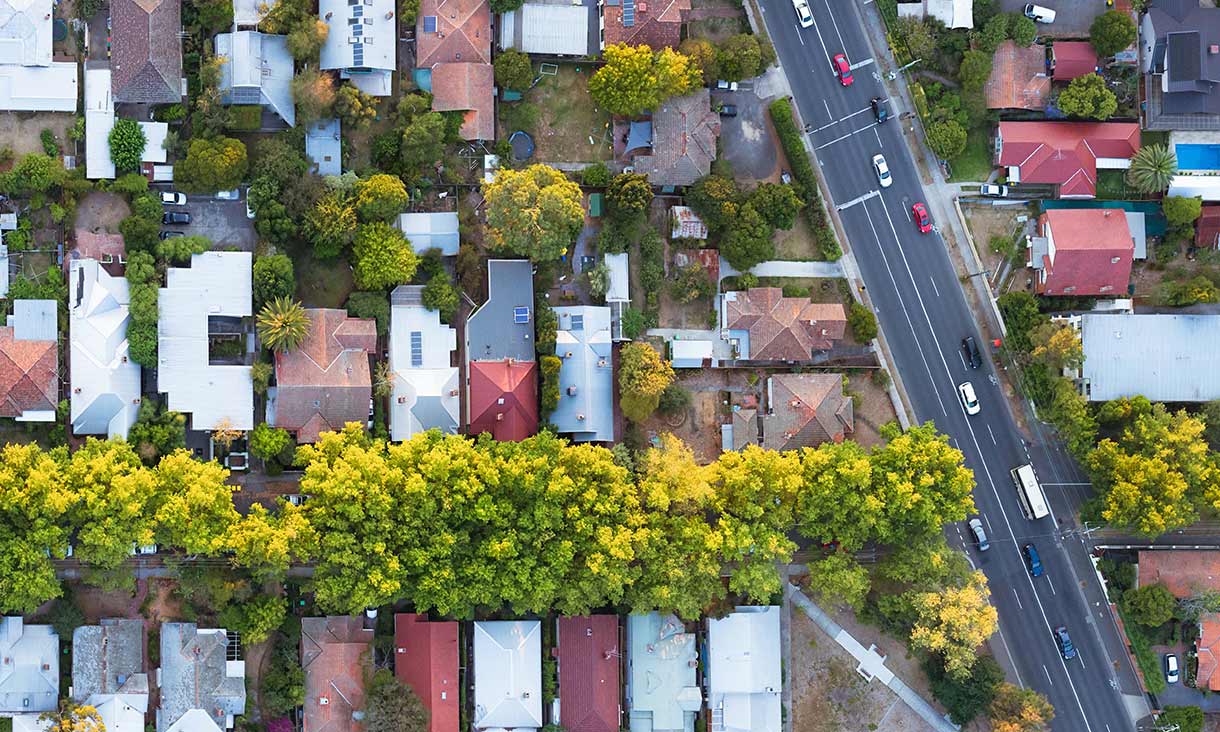
The findings are already informing Victorian transport policy and local council decisions on safer residential streets.

Key points

  • Lowering residential street speed limits to 30kph would improve cyclist safety.
  • The new limit would make little difference to average car travel times.
  • The research is set to inform policy for safer, healthier and more sustainable transport choices.

The challenge - speed limits affecting safety on our roads

As reported by Infrastructure Victoria, managing speed limits is vital to reduce the number of lives lost on roads. A pedestrian hit by a car travelling at 30kph has a 90% chance of surviving, but at 50kph this drops to a 10% chance of survival.

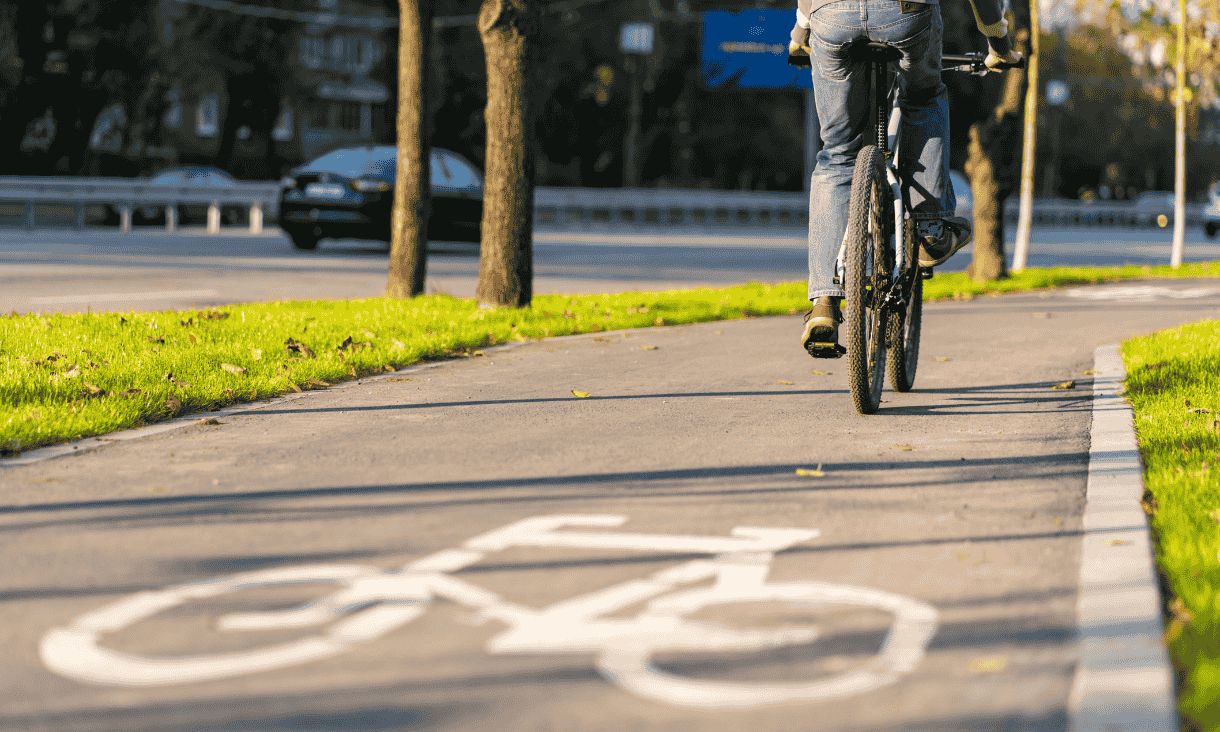
Reducing residential speed limits significantly lowers cyclist stress while having minimal impacts on car travel time.

The RMIT research findings on bicycle riding safety came as Victoria enacted a new speed limit law allowing local councils to propose 30kph limits in school zones and local streets.

Modelling by RMIT’s Centre for Urban Research showed bicycle riders’ exposure to roads with high levels of traffic stress dropped by 30% when the speed limit was reduced from 50kph to 30kph.

Researchers rated every road in Greater Melbourne for traffic stress levels using a framework that considers factors like speed limits, cycling infrastructure and traffic volume, based on government survey data and travel modelling.

They found lowering residential speed limits to 30kph more than doubled the proportion of an average bicycle trip on low stress streets and roads from just over one-third to more than two-thirds.

Study lead author Dr Afshin Jafari said while driving at 30kph might seem slow, the limit mostly applies to residential streets, so it has little impact on average car trips, while the modelling showed the average short local trip only increased by about one minute.

“Most trips should use residential streets only at the start and finish, so 30kph rather than 50kph on those short sections makes little difference,” he said.

“Slowing traffic makes bicycle riding less stressful, encouraging more people to choose bikes as a safe and viable mode of transport.”

Jafari said lowering speed limits was a practical, low-cost way to improve cycling safety.

“Installing physical barriers on every local street would be ideal, but it’s expensive and slow,” he said.

“Slowing down vehicles is a cheap and effective way to improve safety while we wait for longer-term infrastructure upgrades.”

The 30kph residential limits would also encourage motorists to use main roads, leading to quieter residential streets.

“This should also create safer streets for our kids,” Jafari said.

While bicycle riding is often seen as the domain of city commuters, Jafari said outer suburbs stood to benefit the most from lower speed limits.

“Outer suburban streets often don’t even have footpaths, let alone other infrastructure to separate bicycle riders and pedestrians from motorists,” he said.

Key activities, outcomes and impact

The findings are set to support evidence-based decision making by local councils, state government, and community groups advocating for reduced speed limits. Positive outcomes to date include:

  • The team is working with 5 councils across Victoria to pilot interventions to create safer cycling environments, including speed limit reduction.
  • Stakeholder engagement group presentations to inform policy
    The Centre for Urban Research team regularly presents their findings to a stakeholder group that comprises several government organisations including Infrastructure Victoria, the Department of Transport and Planning, Vic Health, City of Melbourne
  • Infrastructure Victoria
    The research was cited by the CEO of Infrastructure Victoria to support the Department’s strategy recommendation to introduce 30kph speed zones on local streets where children visit, including schools, playgrounds, childcare centres and kindergartens.
  • The Victorian Sustainable Transport Interest Group (VicSTIG)
    Jafari presented the research to VicSTIG which brings together local councils, advocacy and research groups and community members to discuss sustainable transport issues and how to get people walking, cycling and catching public transport more often.
  • Victoria’s Minister for Health Infrastructure noted that the evidence from the RMIT study will be valuable in supporting future initiatives and advocacy for safer, more bike-friendly communities.

Next steps

The current research is based on previous modelling developed by the team, to be used as a platform for creating more sustainable cities.

The RMIT team is now focused on expanding the modelling in two ways including Looking at regional cities, in collaboration with the City of Greater Bendigo.

They are also investigating bundles of interventions, such as speed limit reduction and building bike lanes, to maximise bicycle uptake.

This includes ongoing data collection on travel patterns, perceptions of safety, and evaluation of the broader impacts on community liveability and traffic.

Partners and collaborators

The project was informed by ongoing collaboration with the Victorian Department of Transport and Planning, the City of Melbourne, and the Bicycle Network, in addition to feedback from community focus groups and residents’ associations.

Further information

Modelling the impact of lower speed limits on residential streets for cyclist level of traffic stress and car travel time in Greater Melbourne’, is published in the Journal of Cycling and Micromobility Research. DOI: 10.1016/j.jcmr.2025.100085

Key contact

Dr Afshin Jafari

Vice-Chancellor's Postdoctoral Fellow

Centre for Urban Research

SDGs

SDG 11
SDG 12
SDG 13

Read related RMIT impact stories


Connect with RMIT Research

If you're not sure how you can best work with us, our team can explain what's possible and put you in touch with the right person. 

aboriginal flag float-starttorres strait flag float-start

Acknowledgement of Country

RMIT University acknowledges the people of the Woi wurrung and Boon wurrung language groups of the eastern Kulin Nation on whose unceded lands we conduct the business of the University. RMIT University respectfully acknowledges their Ancestors and Elders, past and present. RMIT also acknowledges the Traditional Custodians and their Ancestors of the lands and waters across Australia where we conduct our business - Artwork 'Sentient' by Hollie Johnson, Gunaikurnai and Monero Ngarigo.

Learn more about our commitment to Indigenous cultures