



Transforming Australia’s construction industry culture to improve wellbeing and productivity

Transforming Australia’s construction industry culture to improve wellbeing and productivity

An extensive program of research led by RMIT’s Distinguished Professor Helen Lingard is helping to transform the workplace culture of Australia’s construction industry.

Key points

  • Unique collaboration between researchers, government and industry tackles significant cultural issues in the construction sector.
  • Research identified key causes of poor productivity and wellbeing including excessive hours and fatigue, poor mental health, and failure to attract a diverse workforce. 
  • A Culture Standard is set to transform the industry across three key areas of culture: wellbeing, time for life, and inclusion and diversity.

Tackling cultural challenges in the construction industry

The construction industry employs over one million Australians yet faces serious cultural challenges including long hours, high stress, and low participation of women.

In 2018, Lingard presented her research on the harmful effects of long work hours in construction to the Construction Industry Leadership Forum (CILF), contributing to the subsequent establishment of the Construction Industry Culture Taskforce (CICT). Comprising the Australian Constructors Association and the governments of New South Wales and Victoria, the Taskforce was formed to transform culture across the sector, with Lingard invited to join as one of two independent experts.

Early research commissioned by the Taskforce highlighted the extent of workplace injuries, mental illness, suicide, long work hours and lack of diversity in the construction industry, with these issues costing the economy close to $8 billion annually. (The Cost of Doing Nothing Report, BIS Oxford Economics, 2021).

The Solution: Culture Standard Developed

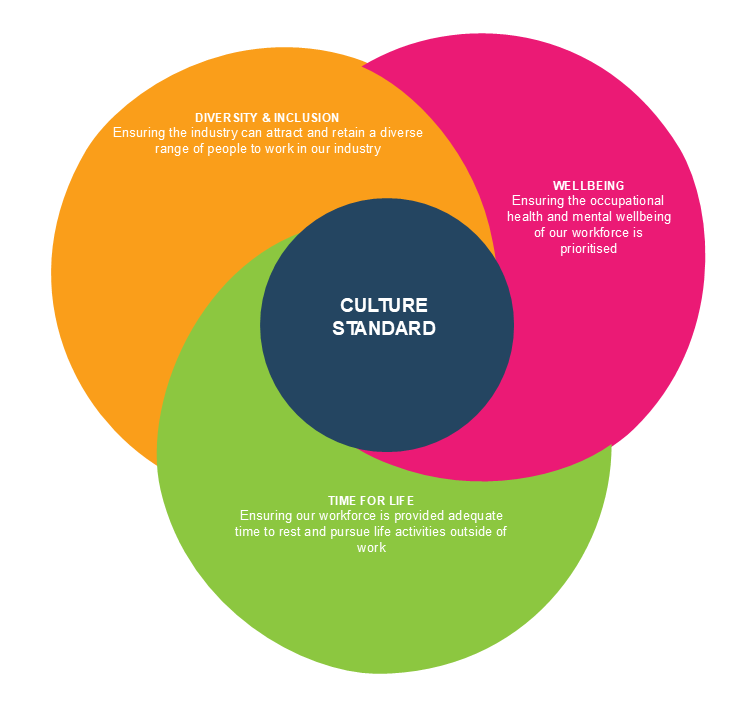
Working closely with an RMIT-led research team, the Taskforce developed the Construction Industry Culture Standard to effect change across three main areas of industry culture: wellbeing, time for life, and inclusion and diversity.

Culture Standard with the 3 pillars of Diversity and Inclusion, Time for Life and WellbeingCulture Standard with the 3 pillars of Diversity & Inclusion, Time for Life and Wellbeing

A Venn diagram of three outer circles overlapping on a central circle. 

Centre circle: Culture standard

Top left circle: Diversity and inclusion. Ensuring the industry can attract and retain a diverse range of people to work in our industry.

Top right circle: Wellbeing. Ensuring the occupational health and mental wellbeing of our workforce is prioritised.

Bottom circle: Time for life. Ensuring our workforce is provided adequate time to rest and pursue life activities outside of work.

Led by Distinguished Professor Lingard, the research team also included Professor Michelle Turner, Dr Payam Pirzadeh and Dr Chenjunyan Sun from RMIT, along with researchers from the University of Sydney, the Australian National University and Frontier Economics. 

From pilot projects to policy reform

The Taskforce used existing data, new research and close consultation with key industry decision-makers from public sector clients, leading contractors, industry associations and trade unions, to assess the impact of the Culture Standard.

The Culture Standard was piloted at five major government construction projects in New South Wales and Victoria from late 2022 to 2024, with participating companies required to meet all three pillars from procurement through to project completion.

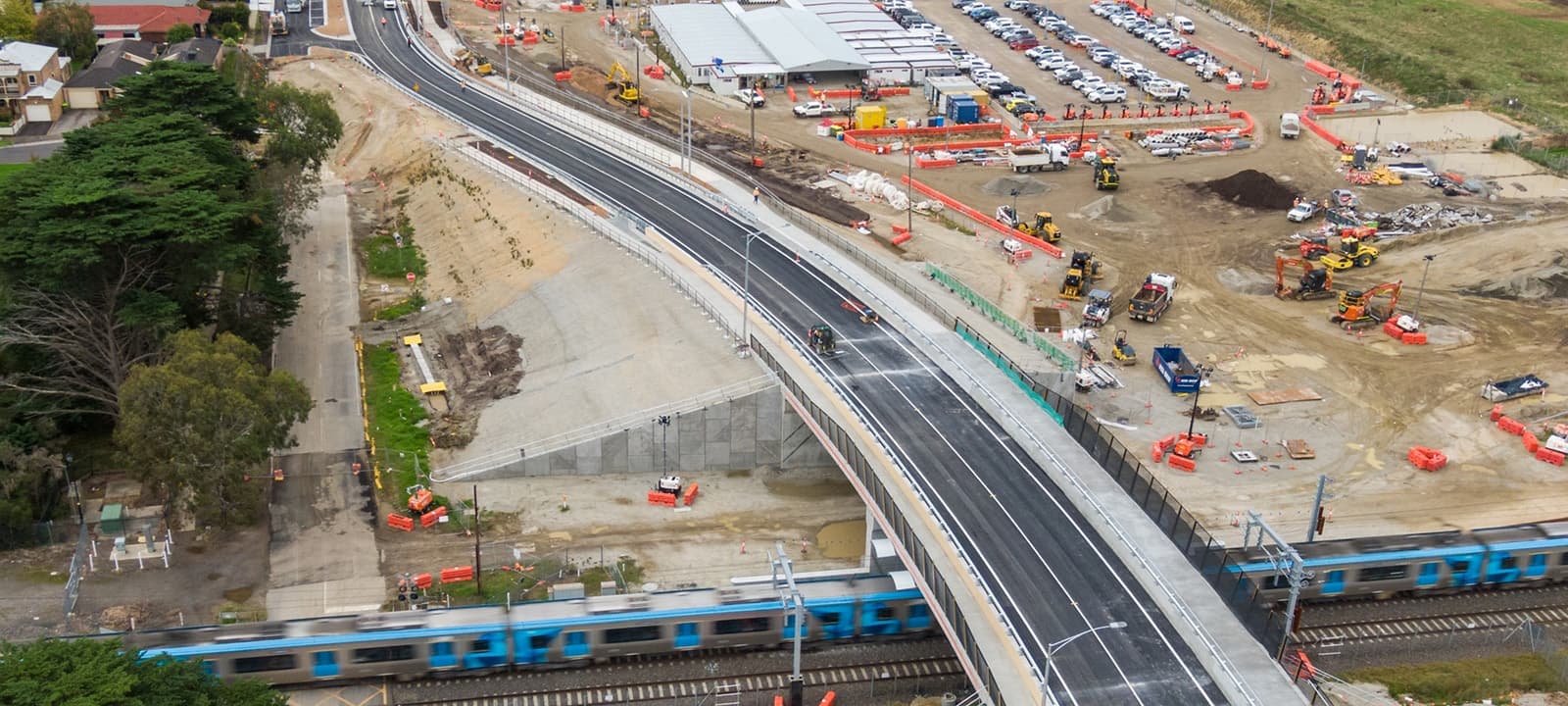
Aerial view of the Brunt Road Level Crossing Removal Project in Beaconsfield, VictoriaBrunt Road Level Crossing Removal Project in Beaconsfield, Victoria, was utilised as a pilot case study for the CICT Culture Standard.

The RMIT research team also developed a bespoke survey tool and dashboard to help construction organisations understand how well the Culture Standard is working and areas for improvement. Additional resources developed by the CICT and designed for scalability are publicly available.

Dean Riha, Operations Manager, Southern Region at Fulton Hogan Construction Pty Ltd said the research team has made a significant contribution to creating lasting industry and societal impact.

“Helen and the team successfully connected academia, industry, government and project delivery teams to address longstanding cultural challenges in the construction sector through evidence-based research and practical application,” said Riha.

"The ongoing adoption of the Culture Standard would not have been possible without their research and the broader body of work produced. The Culture Standard is now in use across many jurisdictions."

Key findings of the pilot projects

  • Analysis by Frontier Economics found that implementing the Culture Standard did not increase project costs or delay delivery timelines. 
  • Annual staff turnover was 4.4% lower than in the respective head contractor organisations.
  • The Pilot Projects achieved an average 32% female participation, well above the 24% average across participating companies.
  • Capping hours at 55 (ideally 50) a week and 5 days in 7 built strong support for a 5-day working week.

Lingard said: “This shift and support for reduced hours was radical because construction projects typically require very long hours and a six-day week.

“The reduction in work hours during the Pilot Projects naturally led to increased inclusion and gender equality, and improved mental wellbeing,” she said.

Embedding change across the sector

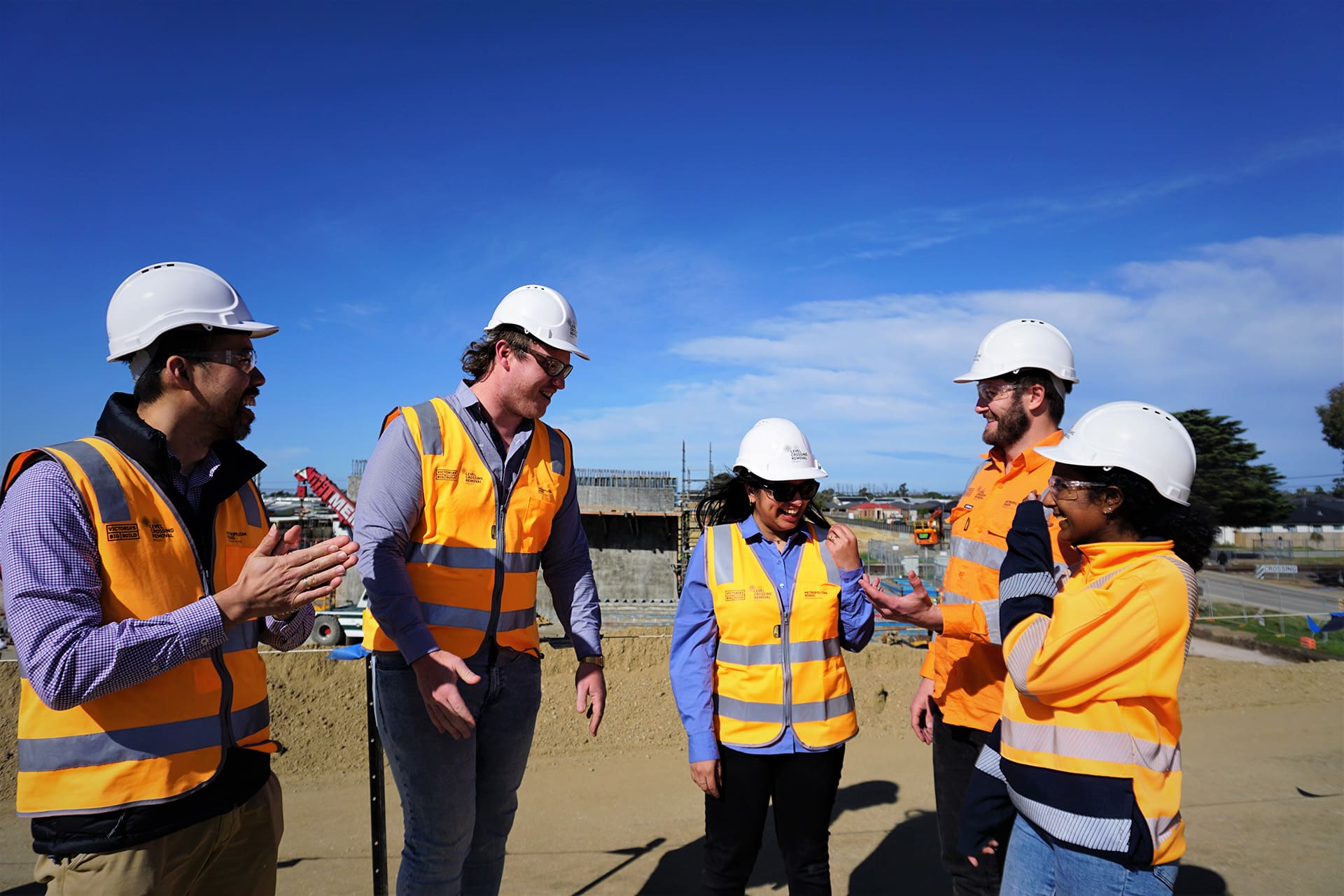
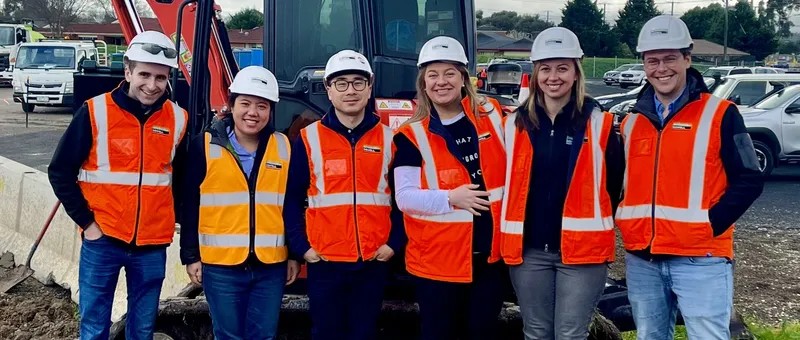
A group of people wearing hard hats and high-vis vests standing in front of a digger on a construction site.Construction Industry Culture Taskforce | Pilot Programs → Narre Warren-Cranbourne Road Upgrade entry

Since Lingard was invited to launch the Culture Standard and Final Report at the Foundations and Frontiers 2025 Leaders Exchange in August 2025, adoption has continued to progress.

The Australian Constructors Association has pledged to embed cultural reform across member organisations within five years, and the National Construction Industry Forum has recommended its adoption in its Blueprint for the Future.

The ACT Government has embedded the Culture Standard into its procurement frameworks for major public projects. Chief Minister Andrew Barr said: "By embedding the Culture Standard into our procurement ecosystem, we are reinforcing our commitment to inclusive, fair and efficient infrastructure delivery."

The NSW Government has extended adoption of the Culture Standard beyond Health Infrastructure to other areas of infrastructure delivery.

In August 2026, NSW Minister for Roads Hon. Jenny Aitchison MP signalled further government commitment to the Culture Standard, announcing a change to Transport for NSW's tender evaluation process. Under the reform, cultural initiatives that go beyond the Culture Standard's mandatory requirements, supporting time for life, wellbeing, and diversity and inclusion, will no longer be factored into the base price assessment of bids. 

Previously, contractors offering these initiatives risked making their bids less cost competitive. The change removes that trade-off, giving bidders room to propose ambitious cultural measures without a pricing penalty. The reform builds directly on the evidence base and Culture Standard developed through the RMIT-led research.

Next steps

Gabrielle Trainor AO, as Chair of the Taskforce, has been working with various state governments to adopt the Culture Standard. Trainor stated, “The positive results of the Taskforce’s work could not have been achieved without RMIT’s reputation, expertise, independence and rigour. RMIT designed and delivered a strong research program providing the necessary evidence base to support the adoption of the Culture Standard.”

With ongoing advocacy, the impact on the national construction industry, and more importantly the construction workforce, is likely to be profound.

Discover the project

Key contact

School of Property, Construction and Project Management 
Design and Social Context Portfolio, RMIT

SDGs

SDG 3 Good Health and Well-being
SDG 5 Gender Equality
SDG 8 - Decent Work and Economic Growth

Read related RMIT impact stories


Connect with RMIT Research

If you're not sure how you can best work with us, our team can explain what's possible and put you in touch with the right person. 

aboriginal flag float-starttorres strait flag float-start

Acknowledgement of Country

RMIT University acknowledges the people of the Woi wurrung and Boon wurrung language groups of the eastern Kulin Nation on whose unceded lands we conduct the business of the University. RMIT University respectfully acknowledges their Ancestors and Elders, past and present. RMIT also acknowledges the Traditional Custodians and their Ancestors of the lands and waters across Australia where we conduct our business - Artwork 'Sentient' by Hollie Johnson, Gunaikurnai and Monero Ngarigo.

Learn more about our commitment to Aboriginal and Torres Strait Islander peoples