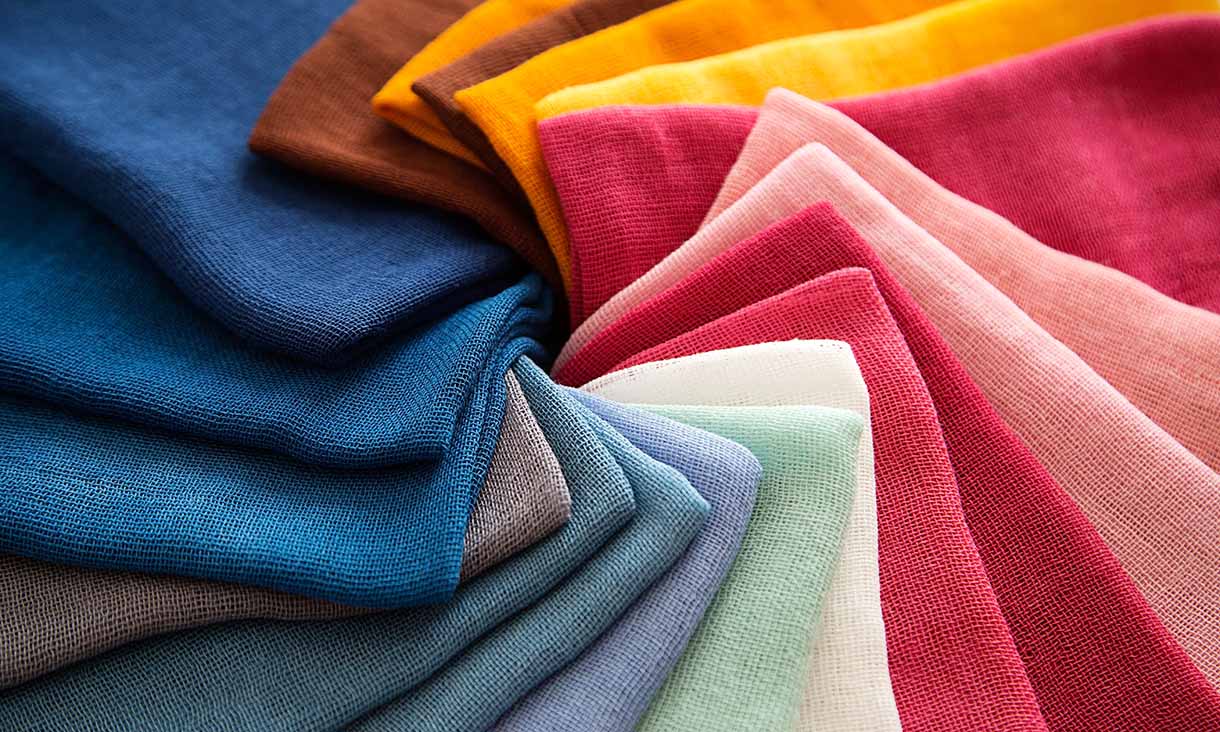
The increased demand for clothing and textiles, along with the emergence of ‘fast fashion’ trends has created a growing waste problem across the globe.
Amanpreet Singh from RMIT’s School of Fashion and Textiles said this is a significant issue in Australia, the second biggest consumer of garments in the world.
“In Australia, this translates to around 27 kilograms of clothing per person each year, with around 24 kilograms of that discarded. This results in millions of tonnes of garments going to landfill,” said Singh.
“Only a small percentage is recycled and sent to the second-hand clothing market. Ideally, any remaining unwanted garments made from natural fibres should be biodegraded.
“When they go to landfill, they impact the environment negatively through carbon dioxide and methane emissions,” he said.
 The research project aimed to help reduce the large amounts of cotton textiles going to landfill.
Funded by Australia’s Cotton Research and Development Corporation, the team investigated two key questions:
Led by Professor Rajkishore Nayak, the multidisciplinary team from RMIT’s Melbourne and Vietnam campuses combined expertise in textile materials, biodegradation and composting chemistry, and supply chain logistics modelling.
The researchers drew on existing literature, secondary data, industry reports, and their own extensive mathematical modelling capabilities to analyse a five-stage process:
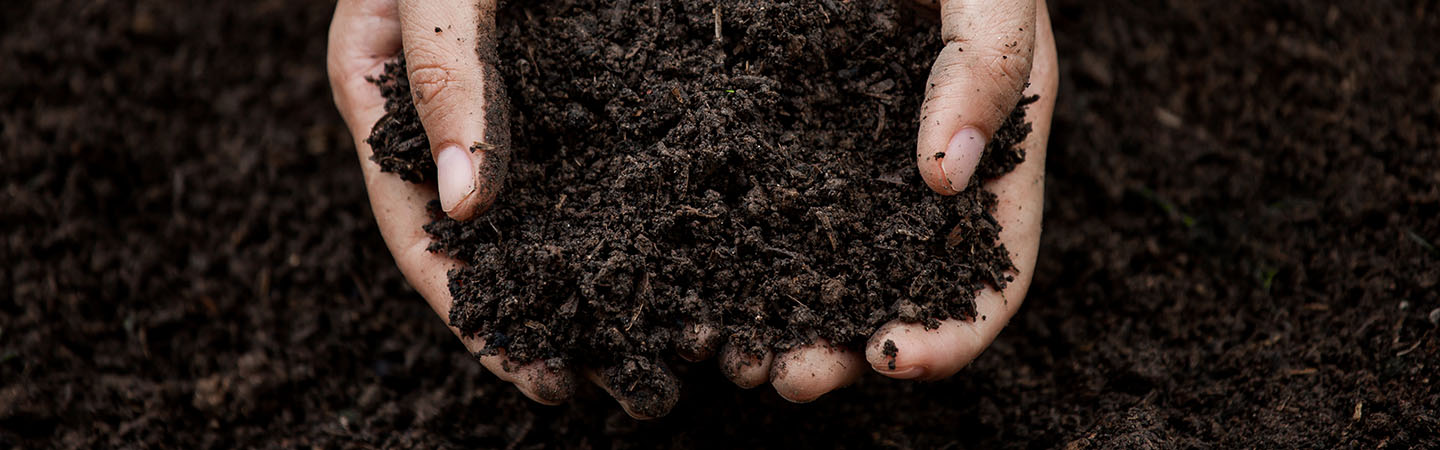
The team found that vermicomposting, which uses earthworms to break down organic material, was the best method for composting cotton textiles in Australia.
Vermicomposting can produce compost rich in nitrogen, phosphorus and potassium (NPK), that is good for soil health, compared to chemical fertilisers.
The second part of the project investigated the optimal locations for future composting facilities, to ensure they would be practical and economical to operate.
Professor of logistics and supply chain management, Vinh Thai said the team used a multi-dimensional criteria approach for selecting the best locations.
“This included factors such as land cost, access to roads and utilities, temperature, humidity, and proximity to residential, cultural and protected areas,” said Thai.
The team then combined this information with quantitative modelling of transport distances and volumes.
The modelling identified Ripley Valley in Queensland as the strongest option for a single national composting facility, while also identifying the most suitable sites for individual states.
The project has generated further research activity, with a PhD candidate at RMIT’s Brunswick campus extending the work through experimental composting under controlled and uncontrolled conditions.
Professor Nayak is also investigating opportunities to continue related research in Vietnam with industry and university collaborators.
The research team is open to future partnerships with organisations interested in textile or other waste, composting, circular economy solutions and sustainable supply chains.
Organisations interested in partnering with RMIT can contact research.partnerships@rmit.edu.au

Professor of Fashion

Professor

Lecturer


RMIT University acknowledges the people of the Woi wurrung and Boon wurrung language groups of the eastern Kulin Nation on whose unceded lands we conduct the business of the University. RMIT University respectfully acknowledges their Ancestors and Elders, past and present. RMIT also acknowledges the Traditional Custodians and their Ancestors of the lands and waters across Australia where we conduct our business - Artwork 'Sentient' by Hollie Johnson, Gunaikurnai and Monero Ngarigo.
Learn more about our commitment to Aboriginal and Torres Strait Islander peoples



