Advanced Diploma of Business (Public Relations)
Student type:
Quick facts
-
Entry score
Not applicable
-
Duration
Full-time 1 year, Part-time may be available -
Location
Melbourne City -
Fees
Next intake
February, JulyEntry score
Not applicable
Duration
Not applicable
Location
Not applicable
Overview
Learn how to be a PR practitioner from industry leaders and how to create communication strategies and develop skills by working on real-life campaigns for local and national clients. You’ll also pick up valuable skills and connections through work placements in the private, public and non for profit sectors and get a chance to work on international projects.
RMIT has a strong relationship with the Public Relations Institute of Australia. Our prominent industry connections and our unique work-based learning approach have enhanced our reputation for quality Public Relations programs that lead to jobs.
Each year, 65% of our graduates secure a job just after graduating, many as a direct result of internships or working on industry projects. Clients who have chosen to work with RMIT public relations students are from not-for-profit, government, community and private sector organisations across a diverse range of industries including health, social and animal welfare, recruitment, education, transport, sport and retail.
The rest choose to take a credit pathway into an RMIT bachelor degree in business or communication. Benefits include:
- Completing two qualifications in less than 4 years
- Studying a combination of vocational and higher education saves on tuition fees
- Combining skills-based and theoretical learning
- Studying across disciplines exposes students to broader industry connections and future career opportunities.
Details
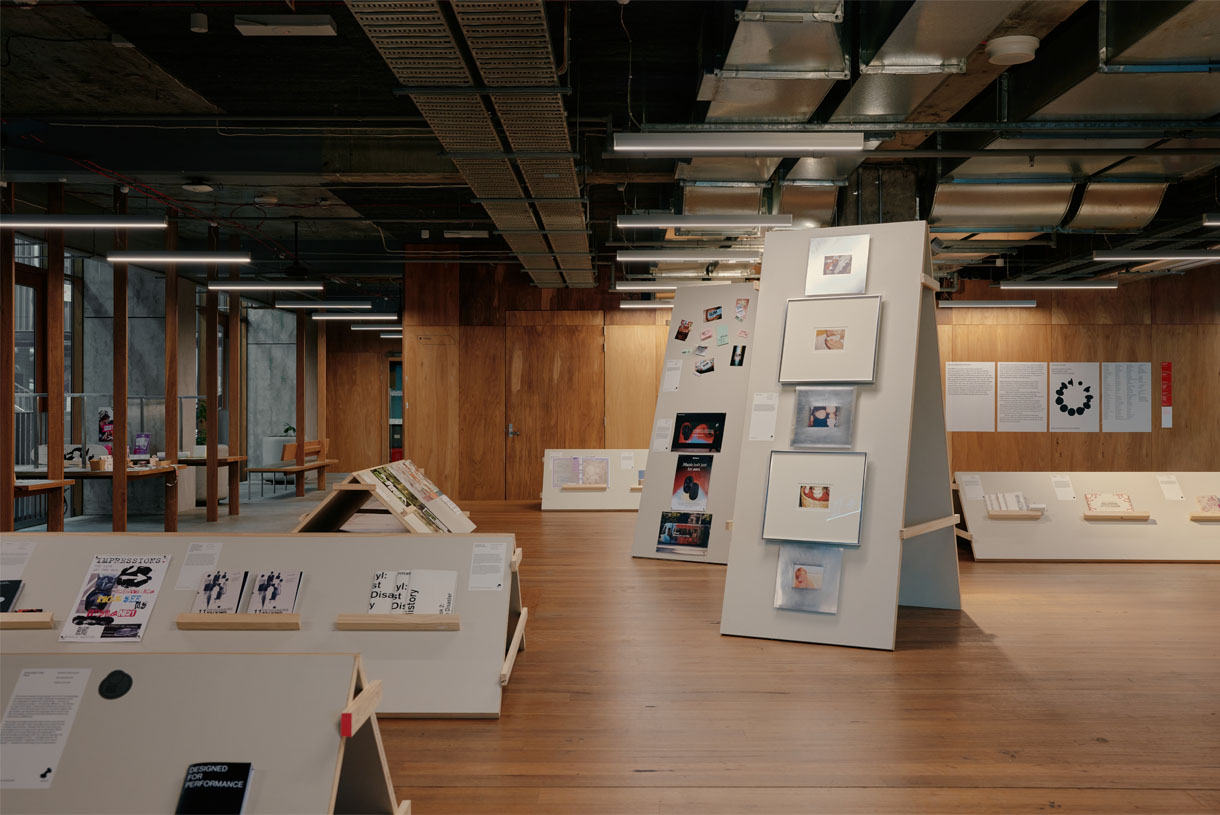
Most of your classroom learning and teaching activities will be held in the Swanston Academic Building. RMIT's Swanston Academic Building features wireless connection to printers, the web and specialist learning resources, interactive lecture and tutorial spaces, lectorial theatres, small-group rooms and other innovative learning spaces as well as retail and social spaces.
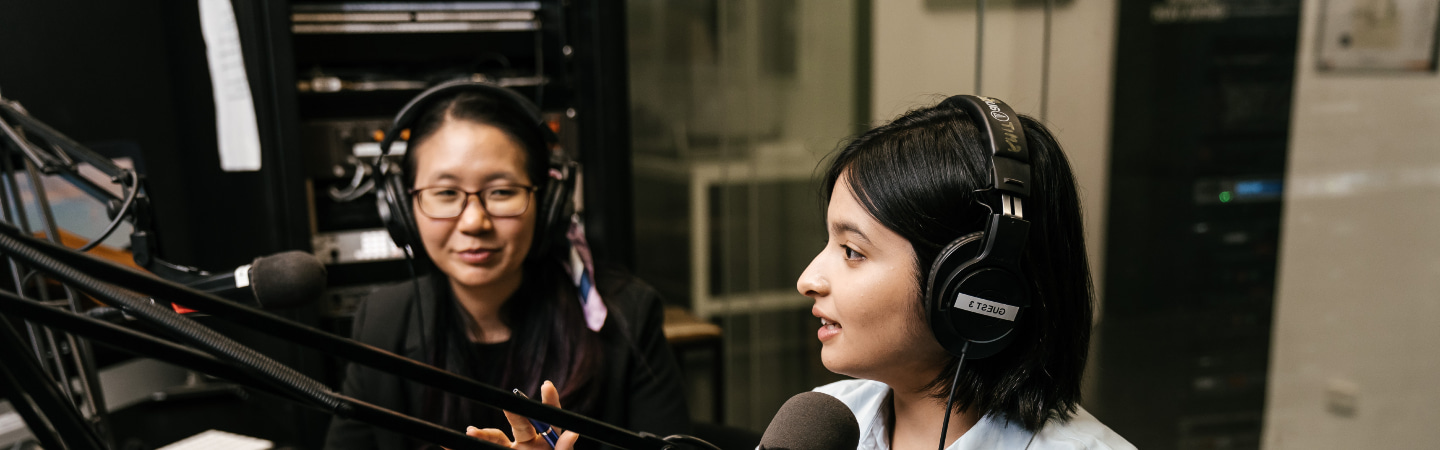
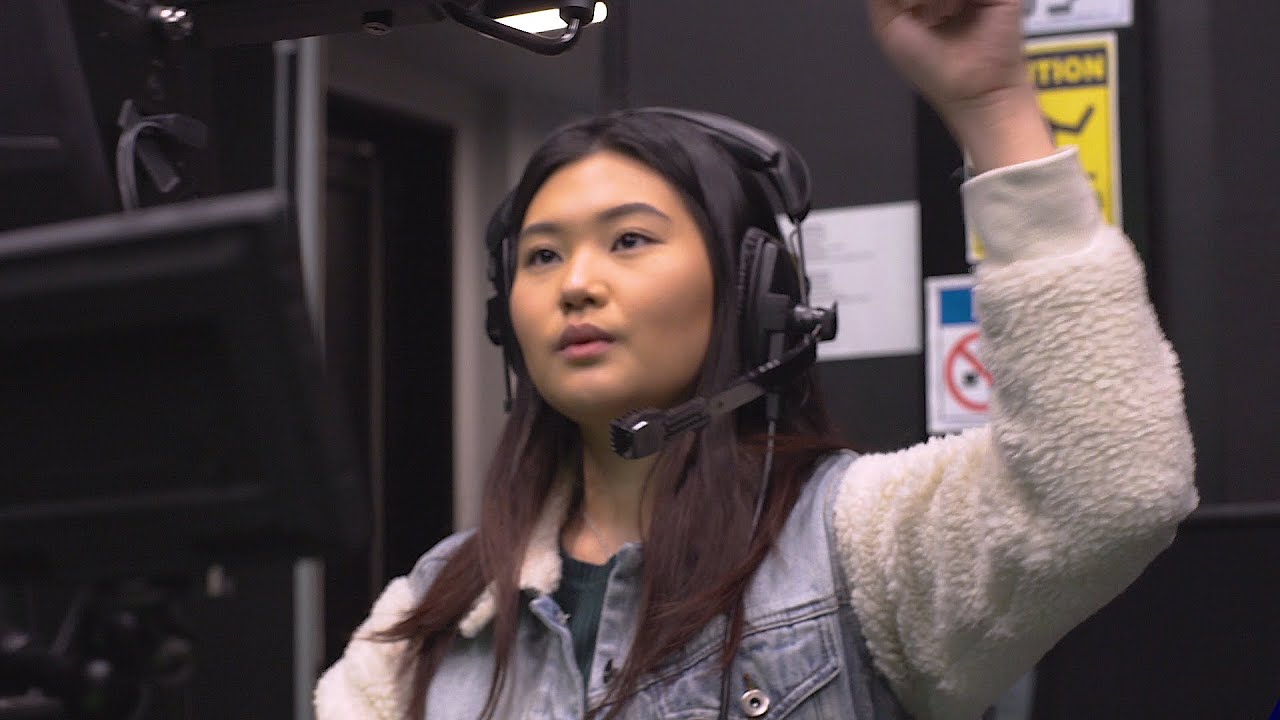
RMIT offers a variety of learning and teaching approaches including lectures, seminars, studios, workshops, presentations, group discussions and syndicate work. You will also have the opportunity to work on real projects and campaigns in a simulated communications agency.
Through RMIT University’s online learning portal, myRMIT, you will be able to view online resources and learning activities created by lecturers, access course materials via Blackboard, collaborate with lecturers and fellow students, and access your student email account.
Ongoing assessment throughout the semester includes examinations, essays, reports, oral presentations, group projects, research projects and practical assignments.
You will benefit from guest speakers, and will have the opportunity to work on real projects and campaigns in a simulated communications agency or undertake a practical work placement. Placements usually commence in February or July and are approximately 15 days in duration.
There is also an opportunity to participate in the Virtual Global WIL Project to implement your knowledge and skills relating to global business operations and project coordination. The project involves RMIT students working in a global team with students from Ireland and the United States to prepare an integrated marketing communications plan.
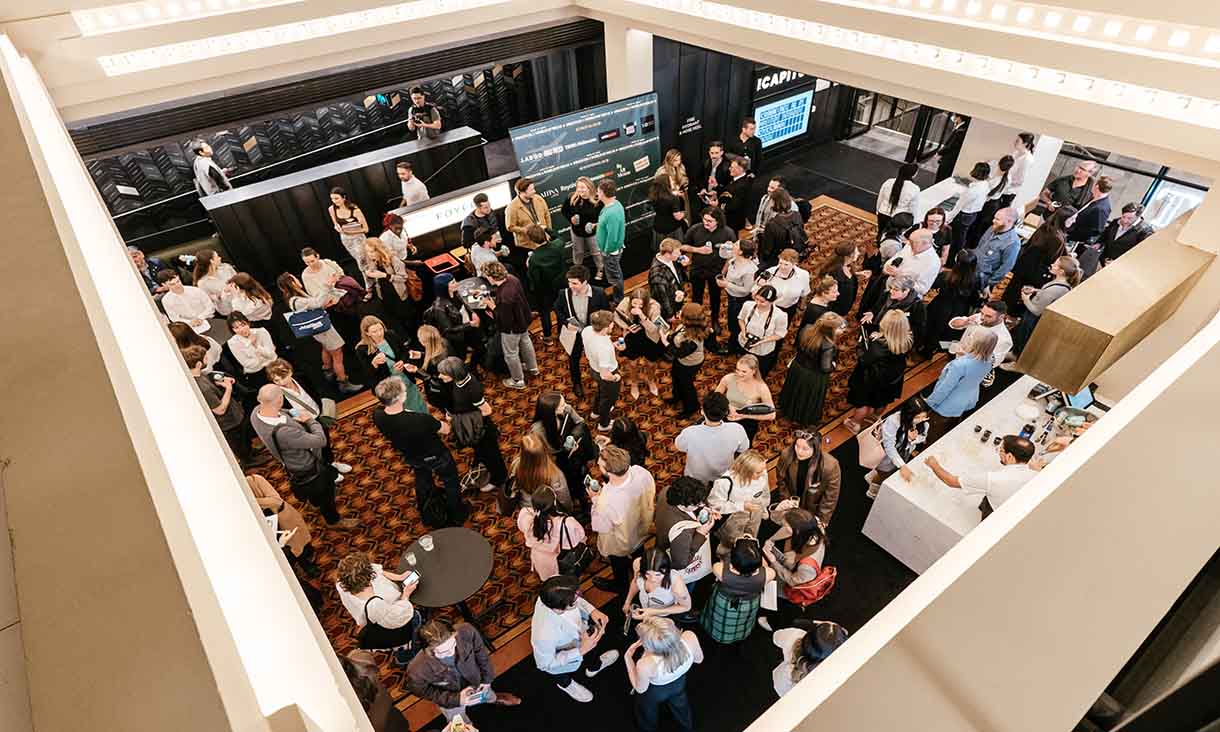
Guiding the development of the College of Business, both nationally and internationally, is an Industry Advisory Board of high-profile executives chaired by Gerhard Vorster, Chief Strategy Officer, Deloitte. The Board creates a strategic bridge between the latest in technology and design thinking and business.
Members of the Public Relations Institute of Australia (PRIA) actively review program design and course materials.
RMIT University is committed to providing you with an education that strongly links formal learning with professional or vocational practice.
You will study fourteen core and four elective courses to develop your IT and communication skills to:
- develop and manage social media and communication strategies
- develop, manage and evaluate public relations campaigns
- manage fundraising and sponsorships
- build client relationships and networks
- develop and write strategic documents and influence opinion
- design and create user interfaces and conduct e-marketing communications
You will also learn how to:
- interpret market trends and developments
- develop and implement business and crisis management plans
- manage fundraising and sponsorship activities
- apply corporate social responsibility to public relations
- address and adhere to government and industry requirements
Choose a program structure
| Title | Location | Duration | Plan code | CRICOS | ||
|---|---|---|---|---|---|---|
| Advanced Diploma of Business (Public Relations) | City Campus |
1 year full time study
|
1 year full time
|
C6140 |
Choose a program structure
Program code: C6140
National curriculum code: 22283VIC
Career
The Advanced Diploma is a highly regarded qualification, suited to people already employed in PR and those seeking broader career and study options.
Graduates will emerge with skills and knowledge necessary to begin a career in the public relations industry in Australia.
Industry consultation has signalled a need for expertise in a wide range of industry sectors, including not-for-profit organisations and consultancies. Roles include information officer, promotional event officer, PR officer and community development officer in areas such as tourism and hospitality, public policy, media, journalism and feature writing, publishing (particularly for multimedia), libraries and information services.
Admissions
Successful completion of the RMIT Diploma of Business (Public Relations) (or equivalent), provided specific prerequisite studies have been completed:
- BSBPUB401A Develop and apply knowledge of public relations
- CUVPUB501A Develop and manage public relations strategies
- BSBPUB501A Manage the public relations process
- VU21662 Use digital media for public relations
- BSBMKG402B Analyse consumer behaviour for specific markets
- BSBWRT501A Write persuasive copy
- BSBCMM401A Make a presentation
- ICAICT308A Use advanced features of computer applications.
Entry requirements
Pathways
Graduates of the RMIT Advanced Diploma of Business (Public Relations) can apply for exemptions from the following programs, subject to meeting the program's entry requirements:
- Bachelor of Business (Accountancy)
- Bachelor of Business (Economics and Finance)
- Bachelor of Business (Economics and Finance) (Applied)
- Bachelor of Business (Entrepreneurship)
- Bachelor of Business (Financial Planning)
- Bachelor of Business (Financial Planning)/Bachelor of Business (Accountancy)
- Bachelor of Business (Human Resource Management)
- Bachelor of Business (Information Systems)
- Bachelor of Business (Information Systems) (Applied)
- Bachelor of Business (International Business)
- Bachelor of Business (International Business) (Applied)
- Bachelor of Business (Logistics and Supply Chain Management)
- Bachelor of Business (Logistics and Supply Chain Management) (Applied)
- Bachelor of Business (Management)
- Bachelor of Business (Marketing)
- Bachelor of Business (Marketing) (Applied)
- Bachelor of Business (Professional Accountancy)
- Bachelor of Communication (Public Relations)
Fees
The tuition fees you will pay for this program will depend on whether you are offered a Victorian Government subsidised place or a full-fee place.
To find out if you are eligible for a government subsidised place, follow the steps at ‘How to check if you are eligible’**.
2019 Fees
- 2019 government subsidised place: AU$8,500* per annum
- 2019 full-fee place: AU$10,250* per annum
*Fees shown are indicative only and subject to change given individual circumstances at the time of enrolment.
Use our fee finder to get an estimate of your fees for this program.
The student tuition fees as displayed by the fee finder are indicative only and subject to change given individual circumstances at enrolment. Fees are adjusted on an annual basis and these fees should only be used as a guide. Learn more about fees for vocational study.
- 2018 full-fee place: AU$13750* per annum
- Maximum VET Student Loan for program: AU$5000**
*Fees shown are indicative only and subject to change given individual circumstances at the time of enrolment.
**The maximum loan amount for a program is indexed annually on 1 January, and the maximum loan amount denoted above is correct at the time of publication.
Eligibility criteria waver
**The Victorian Government is currently waiving two (2) eligibility criteria around prior qualifications. This means that more people who want to study a vocational education program at RMIT, and already have a qualification, will be able to access a government subsidised place in a program. Find out how to check your eligibility.
VET Student Loans
The Australian Government provides financial assistance via the VET Student Loans scheme (VSL), which allows eligible students in eligible programs to defer payment of their tuition fees, up to the maximum loan amount for their program.
How does a VET Student Loan work?
If your VSL application is successful, the Australian Government will pay RMIT your tuition fees on your behalf, up to the maximum loan amount for your program.
If your program is eligible for the VSL scheme and has a loan cap that doesn’t cover the total amount of the tuition fees for your program, then you’ll need to pay RMIT the difference once you exceed the cap.
Your VET Student Loan becomes part of your Higher Education Loan Program (HELP) debt. You will start repaying your accumulated HELP debt to the Australian Government once you earn above the minimum income threshold for repayment, which is adjusted each year (this also applies if you are still studying).
The Australian Taxation Office (ATO) will calculate your compulsory repayment for the year and include this on your income tax notice.
For more information see VET Student Loans or Study Assist.
In addition to tuition fees, you will be charged an annual student services and amenities fee (SSAF), which is used to maintain and enhance services and amenities that improve your experience as an RMIT student.
The SSAF is calculated based on your enrolment load and the maximum fee for 2019 is $303.
For more information about calculating your actual SSAF see Paying SSAF.
You may also be required to purchase other items related to your program, including field trips, textbooks and equipment. These additional fees and expenses vary from program to program.