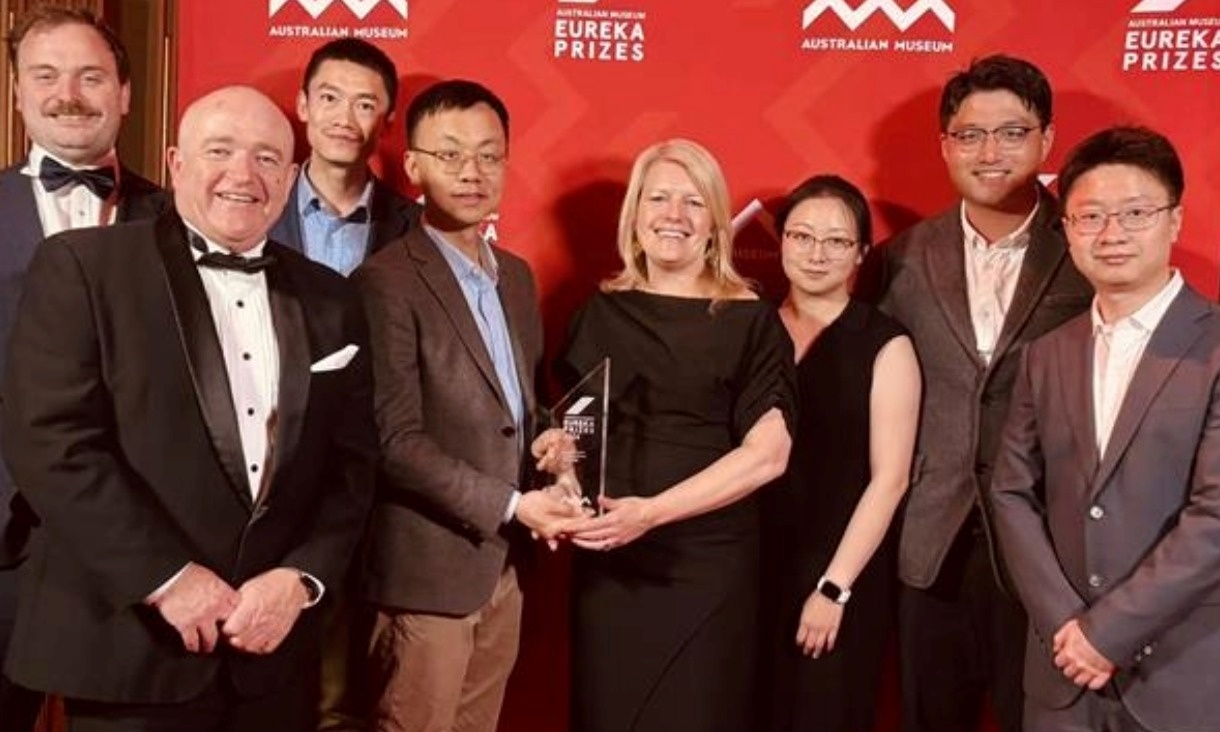
RMIT carbon conversion technology wins Eureka Prize
A breakthrough RMIT technology that captures and converts carbon dioxide into valuable products in a single process has won one of Australia's most prestigious science awards.
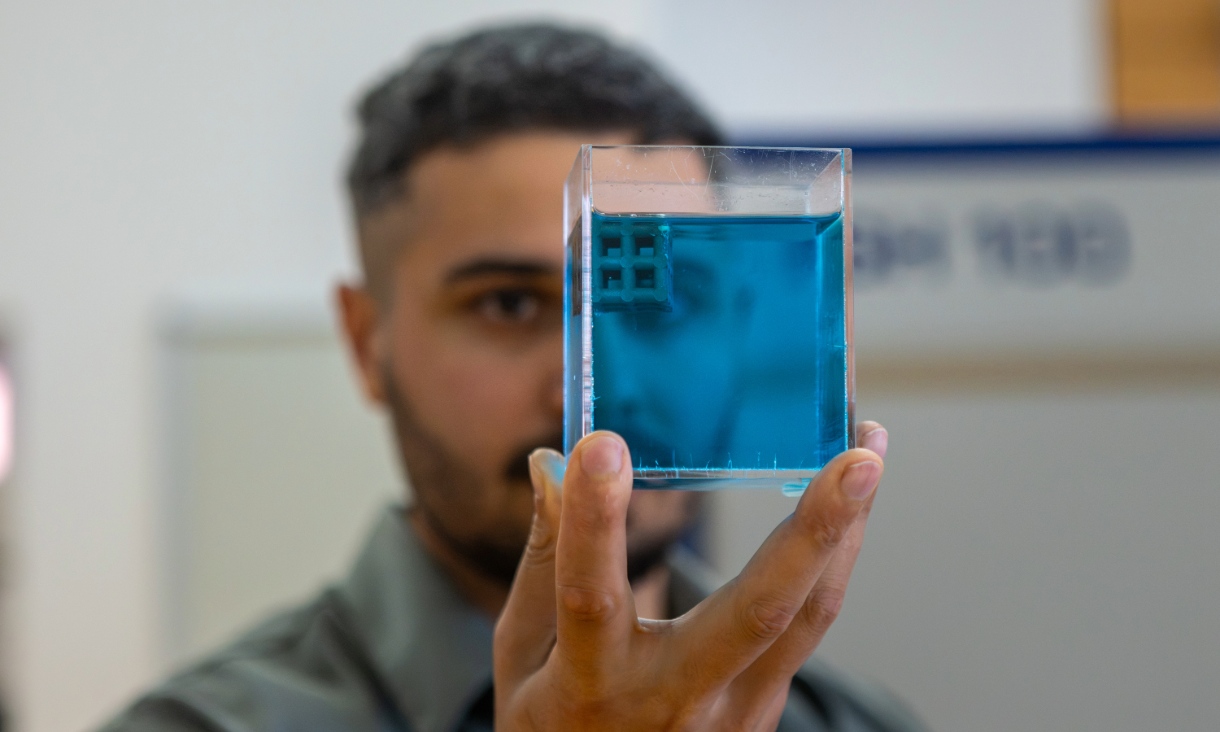
Engineers create a world-first in floating titanium
RMIT engineers have created a strong and lightweight titanium material that floats in water, even after severe damage, revealing a promising new material for marine infrastructure.
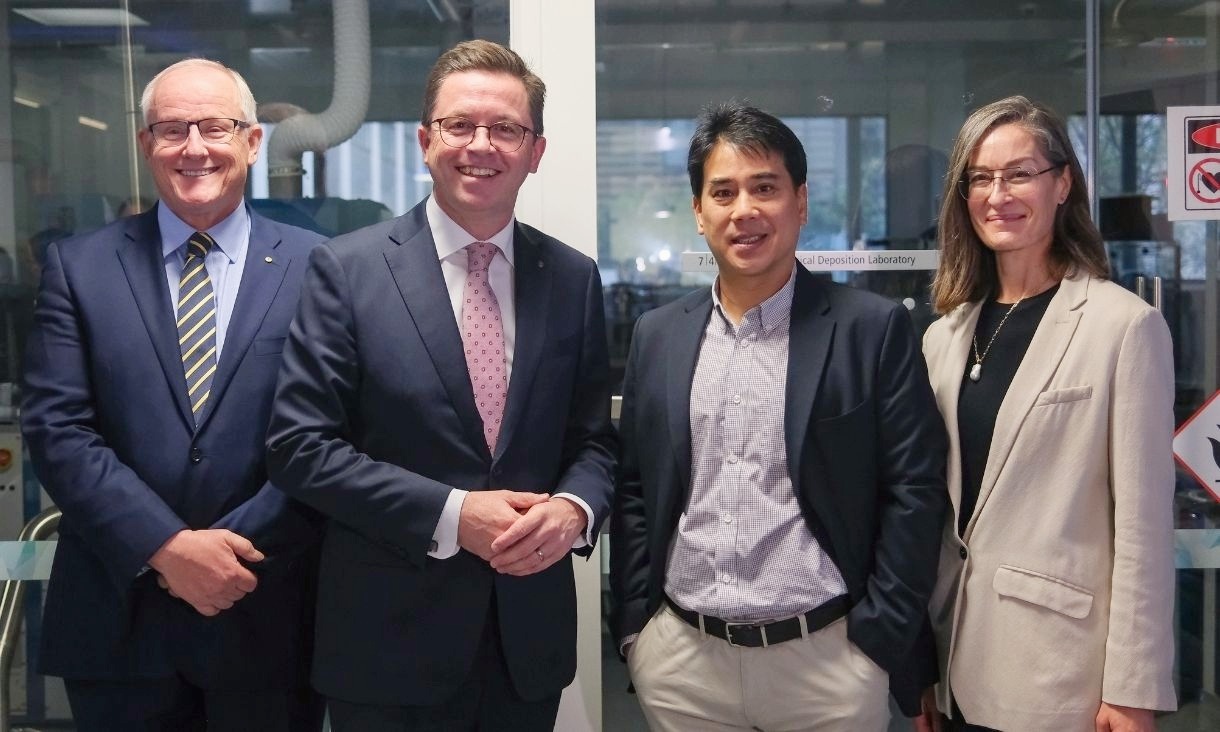
RMIT and GonGlobal partner to replace IVF injections with inhaled medicines
RMIT University researchers are working with Melbourne company GonGlobal to develop an inhaled alternative to in vitro fertilisation (IVF) injections, a change that could make treatment dramatically easier for patients.

Most Australian women wearing shoes that don’t match their feet, study finds
Most women in a new RMIT University study wore shoe sizes that differed from the size indicated by their foot length, highlighting the limitations of conventional sizing systems in accounting for differences in foot width and shape.

Turning access into success: Australia's challenge in joining Horizon Europe
Australia's association to Horizon Europe Pillar 2 from January 2027 marks a significant milestone for research and innovation in this country writes RMIT Distinguished Professor Calum Drummond AO, Deputy Vice-Chancellor Research and Innovation and Vice-President.
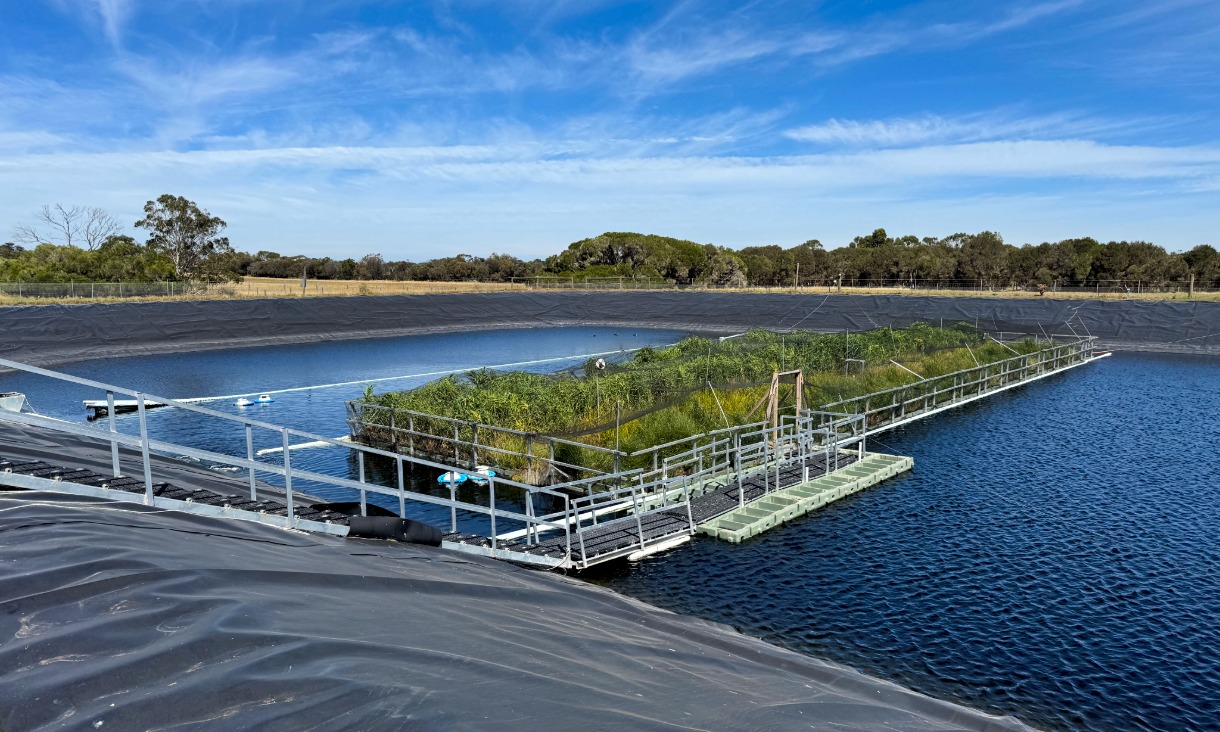
Floating wetlands slash wastewater greenhouse gas emissions: study
A world-first trial of floating wetland pods in wastewater lagoons shows they cut greenhouse gas emissions by more than a quarter, highlighting their potential as a nature-based solution for decarbonising the water sector.
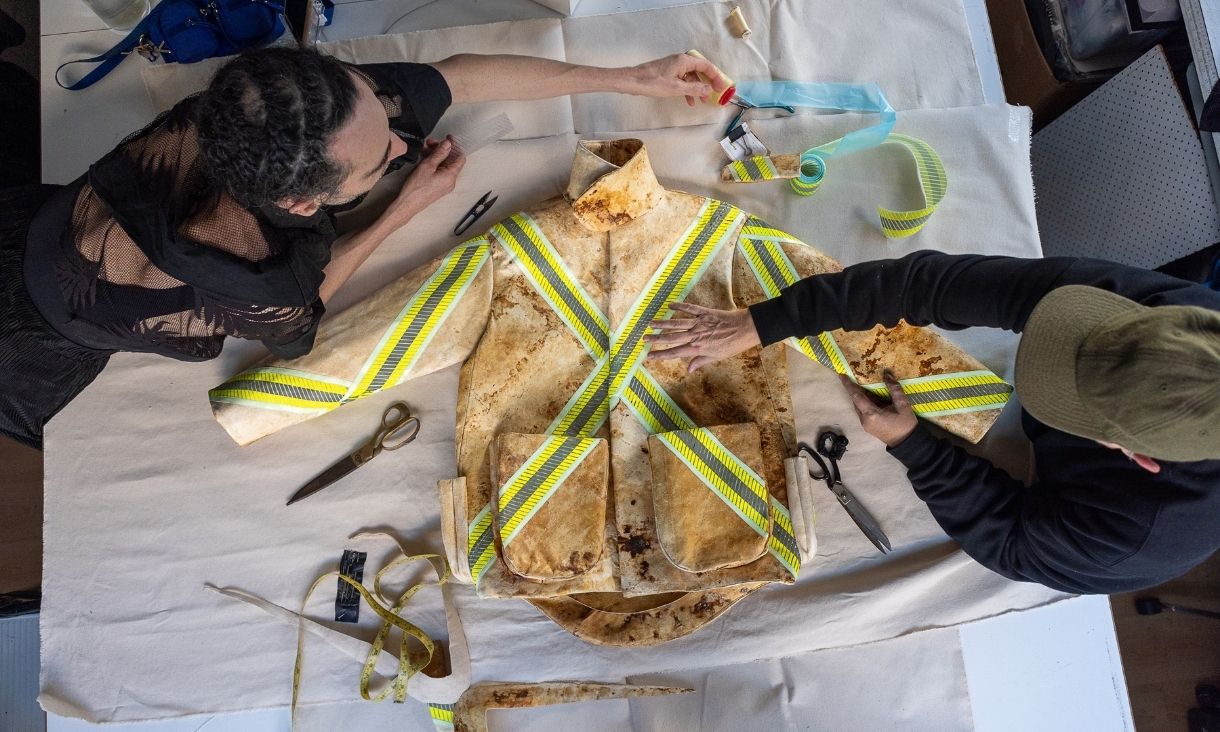
From ancient silk to living leather: RMIT's plant-based designs brought to life at NGV
A rare 'blackest black' silk from Vietnam's Mekong Delta and a fire-retardant jacket grown from fungal networks are among the standout commissions RMIT University has contributed to the National Gallery of Victoria's world premiere exhibition, Plant Life: The Nature of Design.
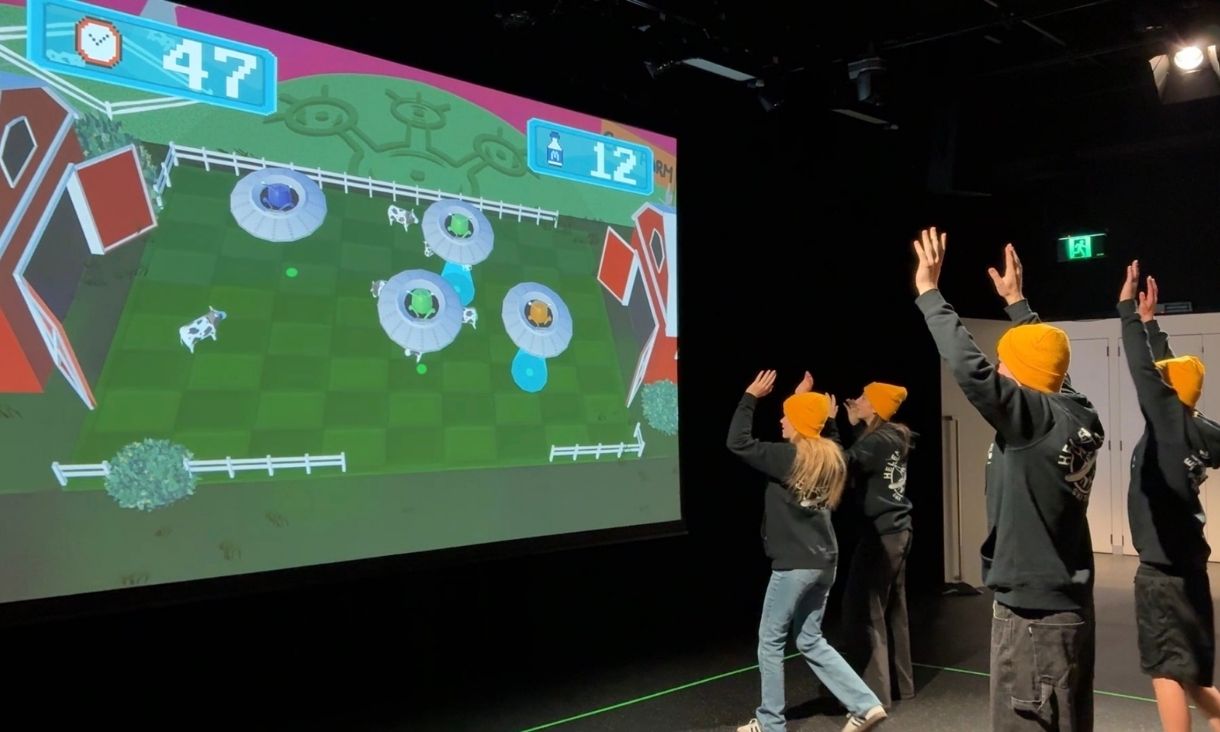
RMIT projects find real-world audience at ACMI + RMIT Audience Lab
Final-year students in RMIT’s Digital Media Major Project course are collaborating with RMIT’s Centre of Digital Ecosystems (CODE) to develop large-scale interactive works using CODE’s spatial interaction framework.
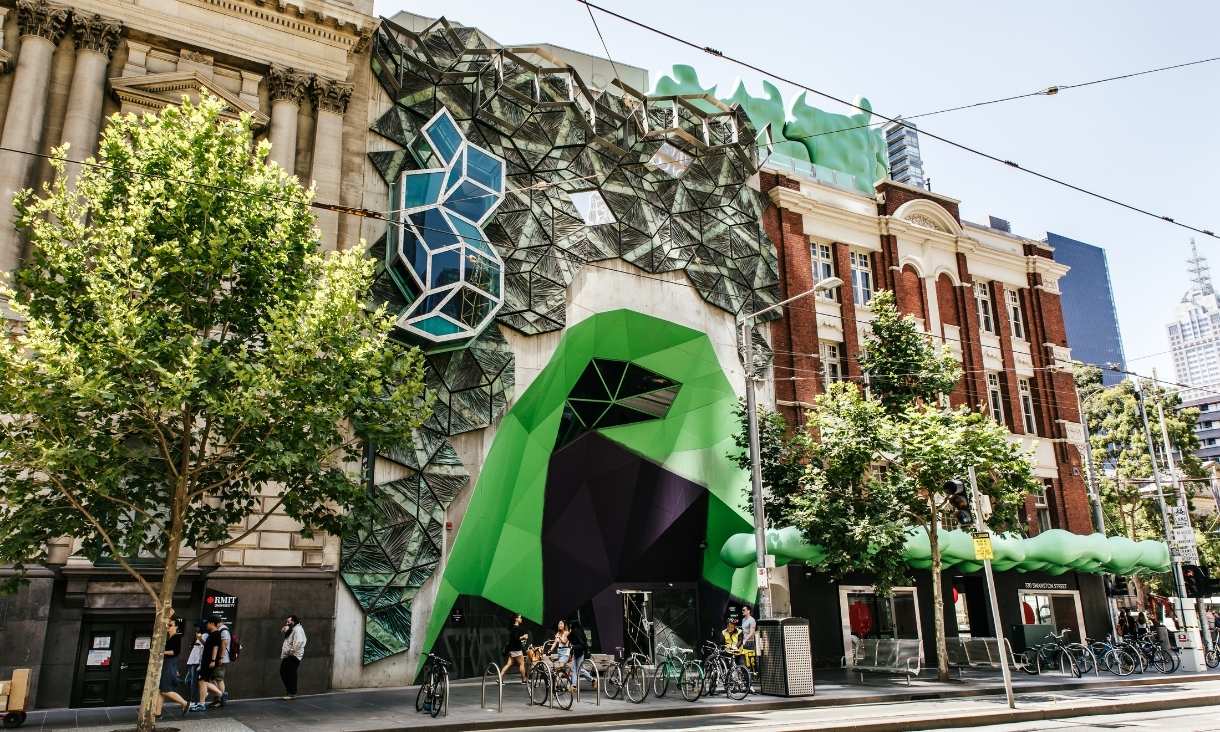
RMIT achieves prestigious Athena Swan Silver Award for gender equity
RMIT has become one of only five universities in Australia to gain the prestigious Science in Australia Gender Equity (SAGE) Athena Swan Silver Award, placing it among the national leaders in advancing gender equity and inclusion in higher education.
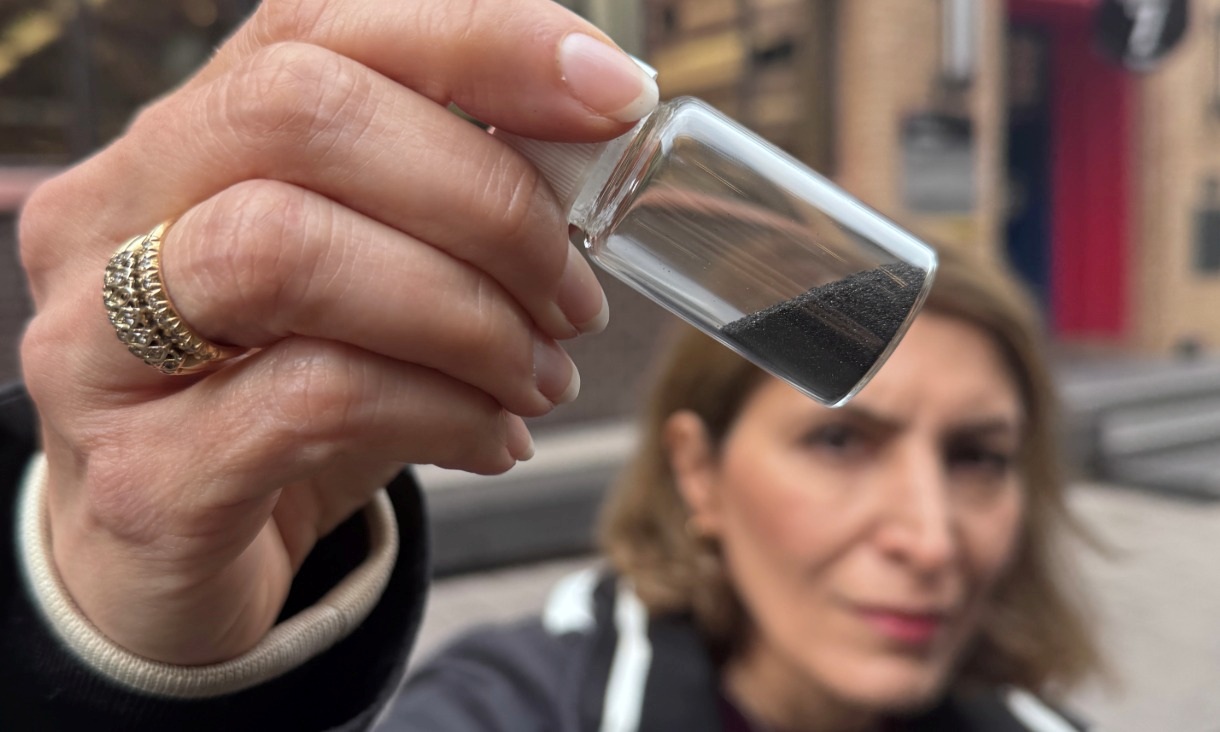
Magnetic invention removes ‘invisible’ microplastics plus some PFAS
RMIT University researchers have developed a water treatment material that rapidly removes micro and nano plastics and some PFAS, bringing the technology closer to real world use.
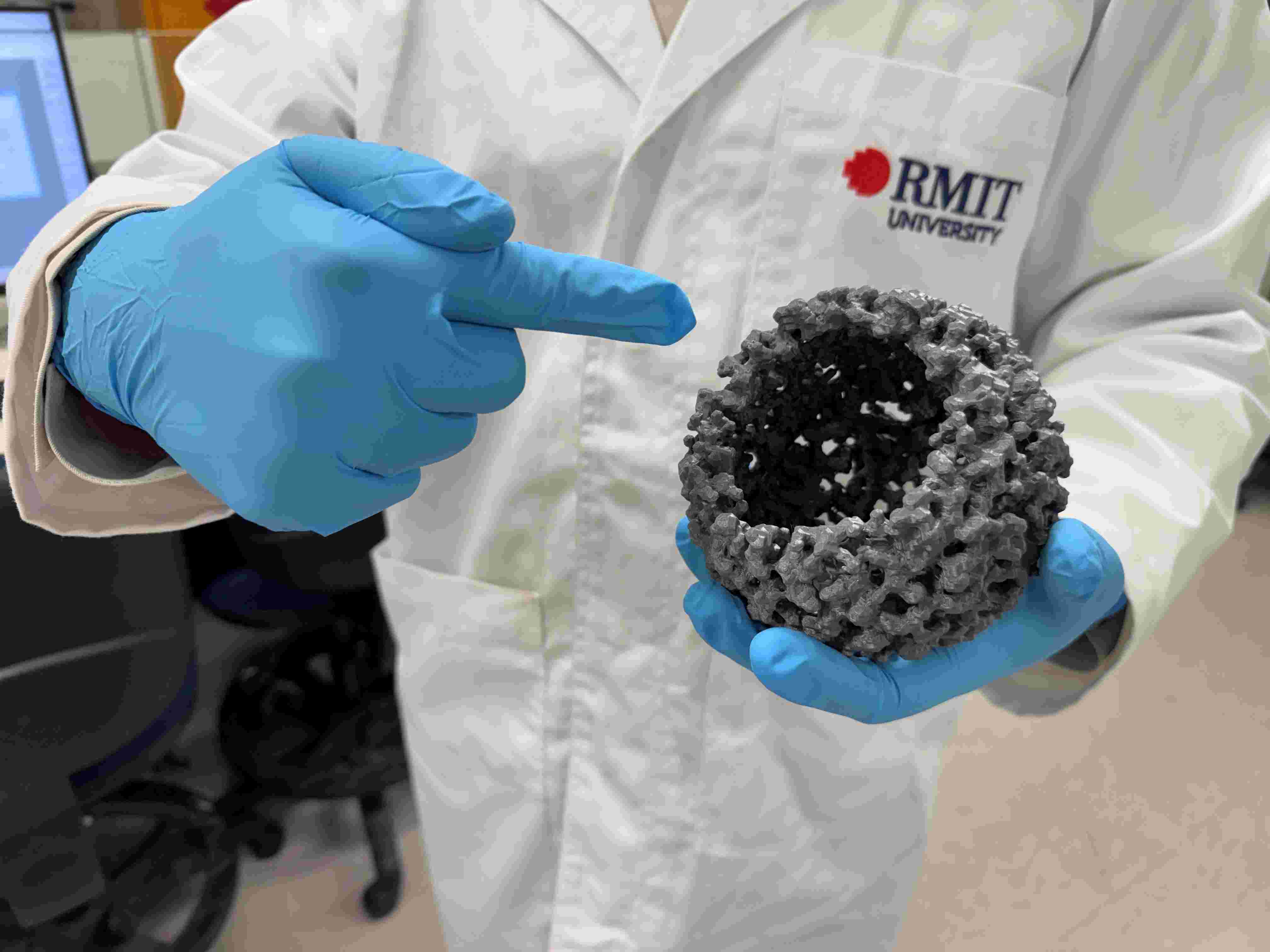
Low-cost innovation boosts green hydrogen production
RMIT researchers and international collaborators have demonstrated a new way to significantly increase green hydrogen production using low cost materials, offering a potential pathway to cheaper clean fuel.
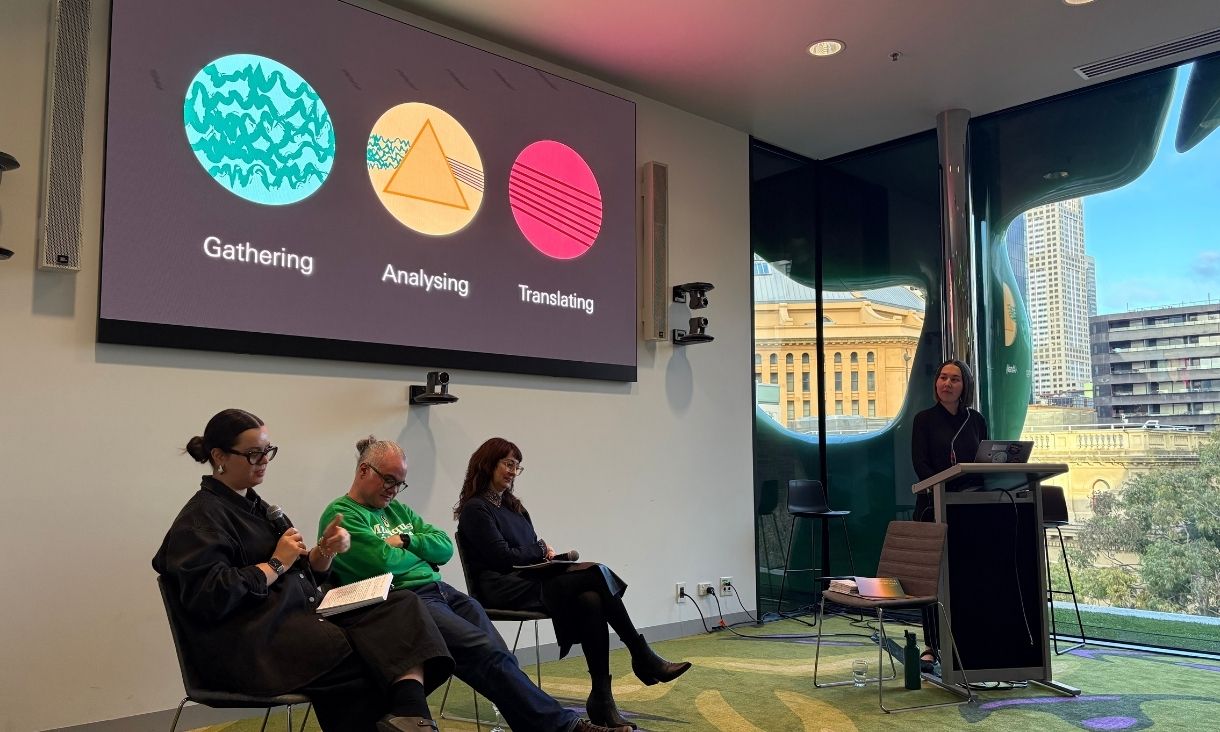
New toolkit helps cultural organisations turn audience insights into impact
A new toolkit developed through the Museum Digital Social Futures project is helping museums, galleries and other cultural organisations make better use of the audience insights they already collect every day.