RMIT achieves prestigious Athena Swan Silver Award for gender equity
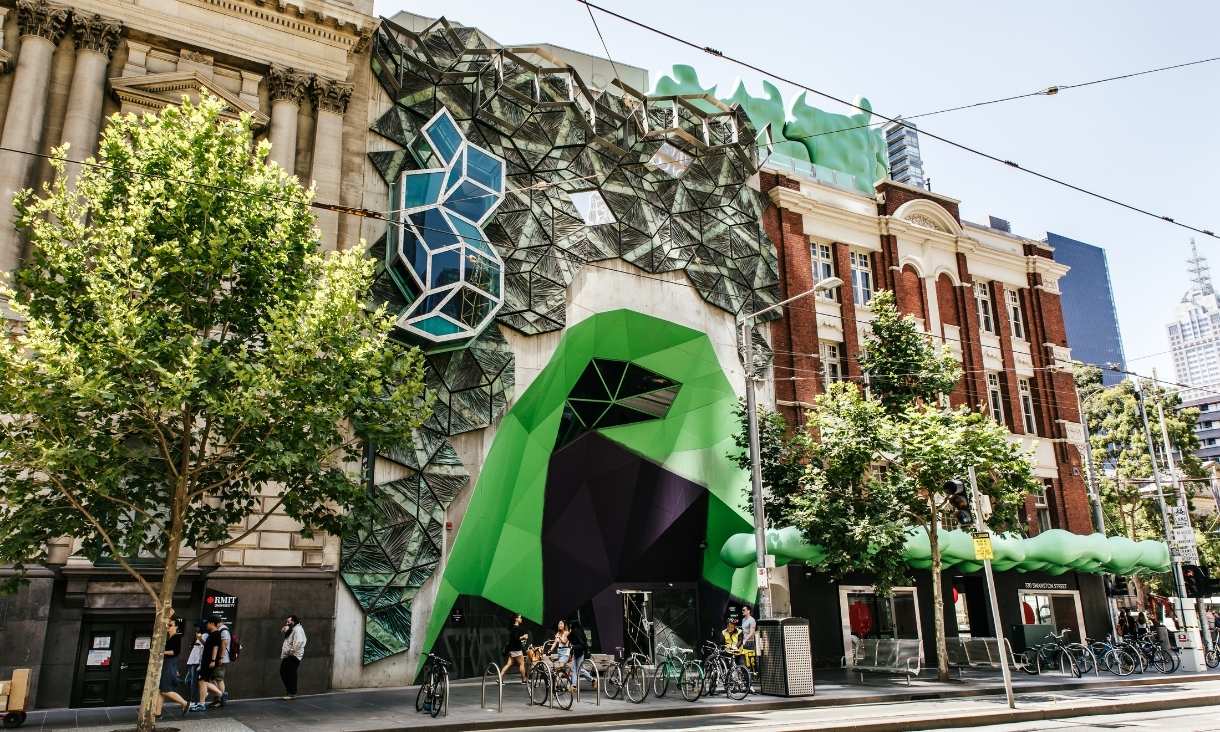
RMIT has become one of only five universities in Australia to gain the prestigious Science in Australia Gender Equity (SAGE) Athena Swan Silver Award, placing it among the national leaders in advancing gender equity and inclusion in higher education.
Magnetic invention removes ‘invisible’ microplastics plus some PFAS
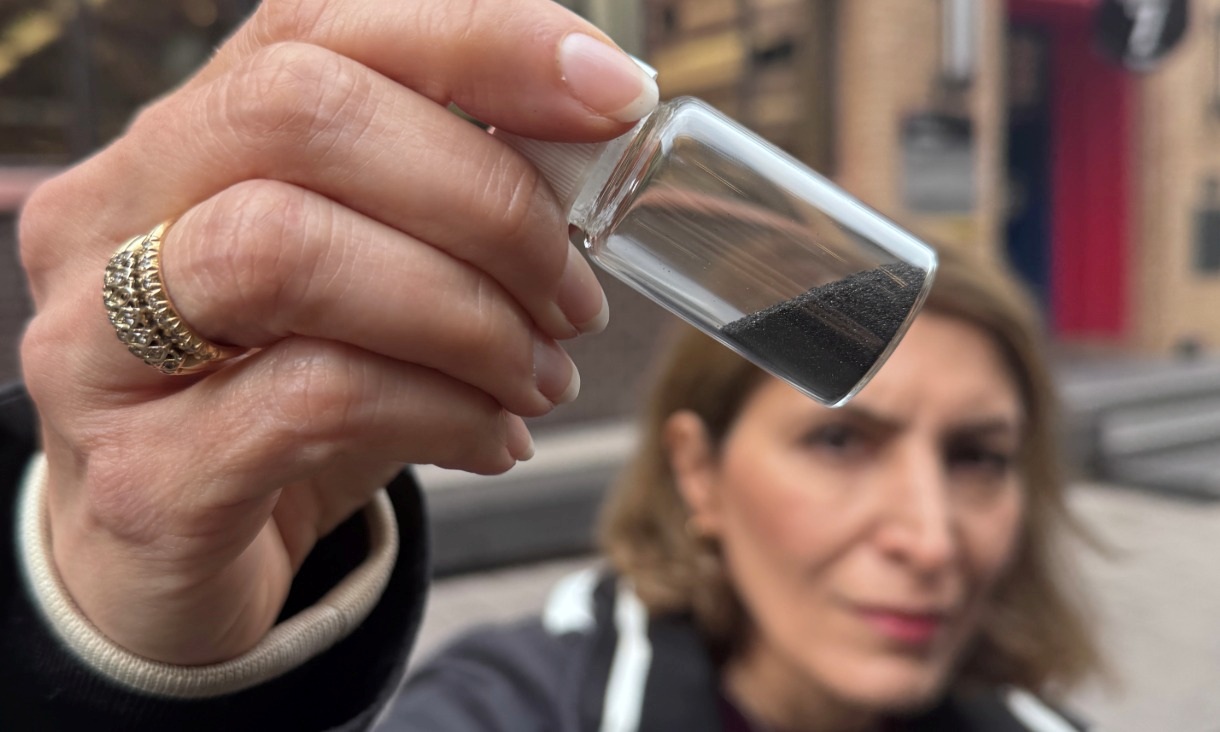
RMIT University researchers have developed a water treatment material that rapidly removes micro and nano plastics and some PFAS, bringing the technology closer to real world use.
Low-cost innovation boosts green hydrogen production
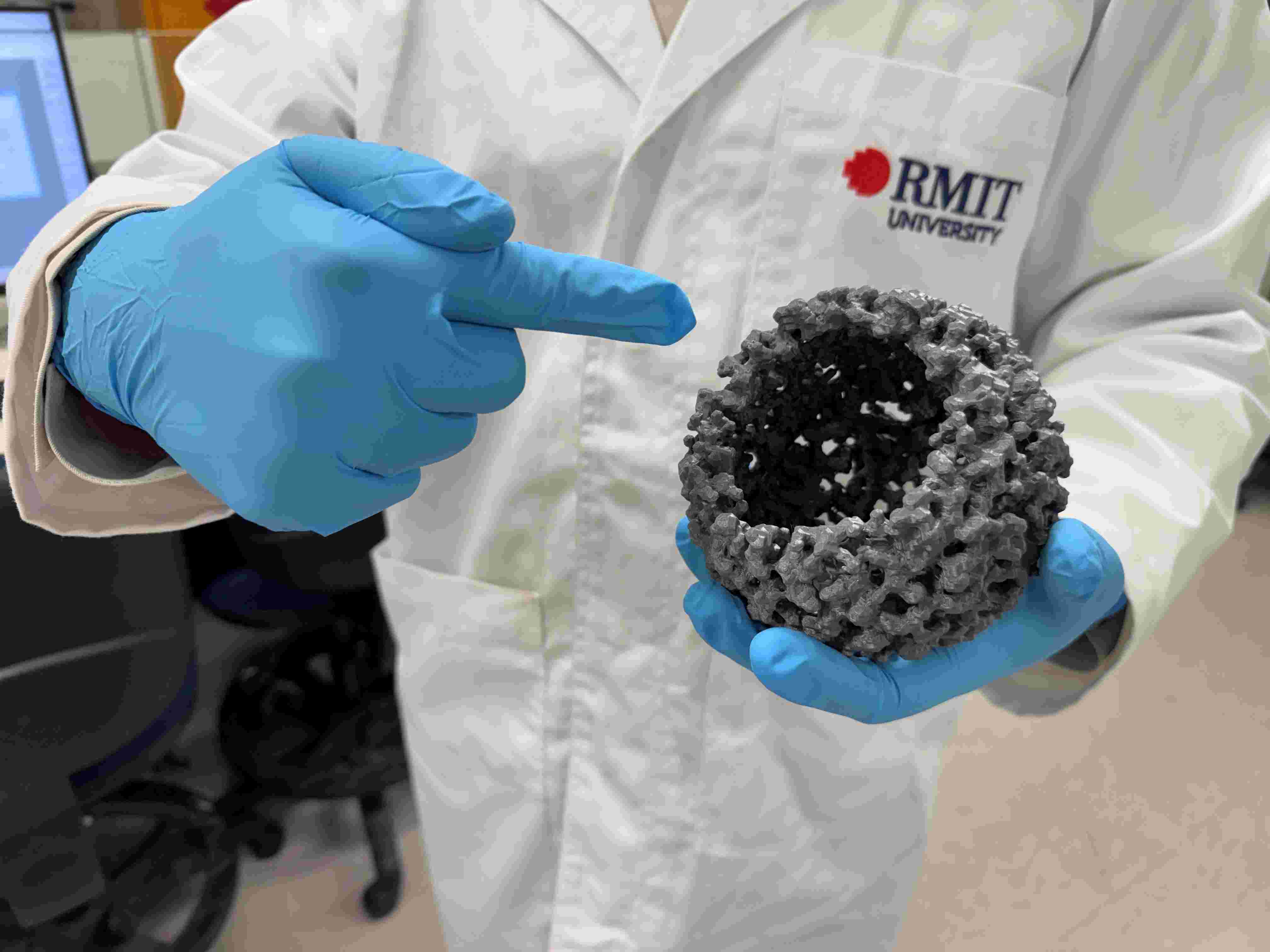
RMIT researchers and international collaborators have demonstrated a new way to significantly increase green hydrogen production using low cost materials, offering a potential pathway to cheaper clean fuel.
New toolkit helps cultural organisations turn audience insights into impact
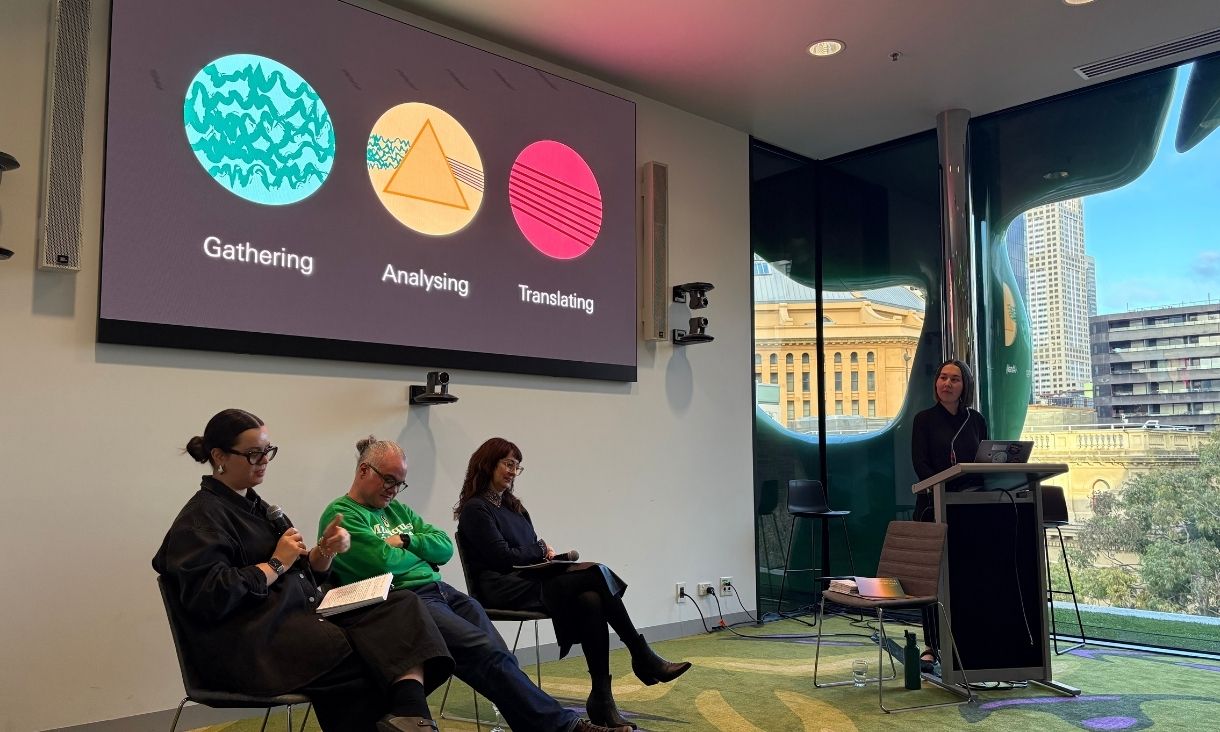
A new toolkit developed through the Museum Digital Social Futures project is helping museums, galleries and other cultural organisations make better use of the audience insights they already collect every day.
New study advances dry mRNA vaccine patch design
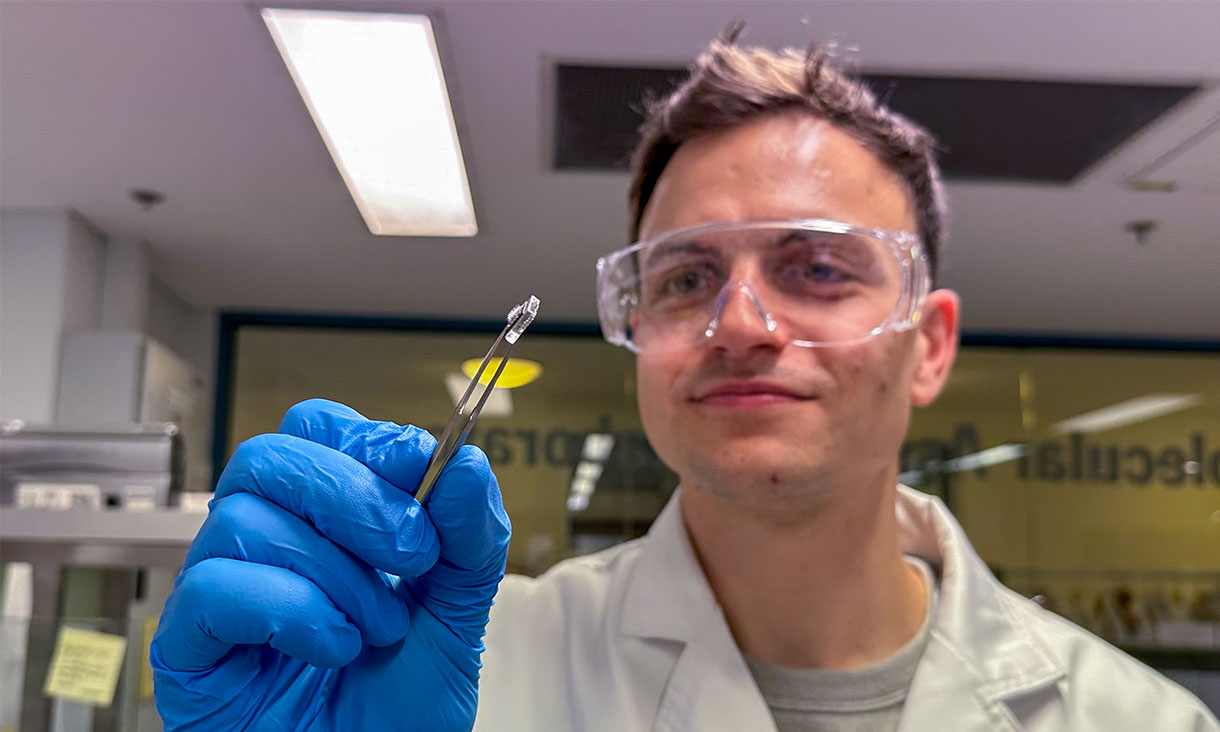
New research could help make future mRNA vaccines easier to store and distribute.
New approach boosts microplastic removal from wastewater
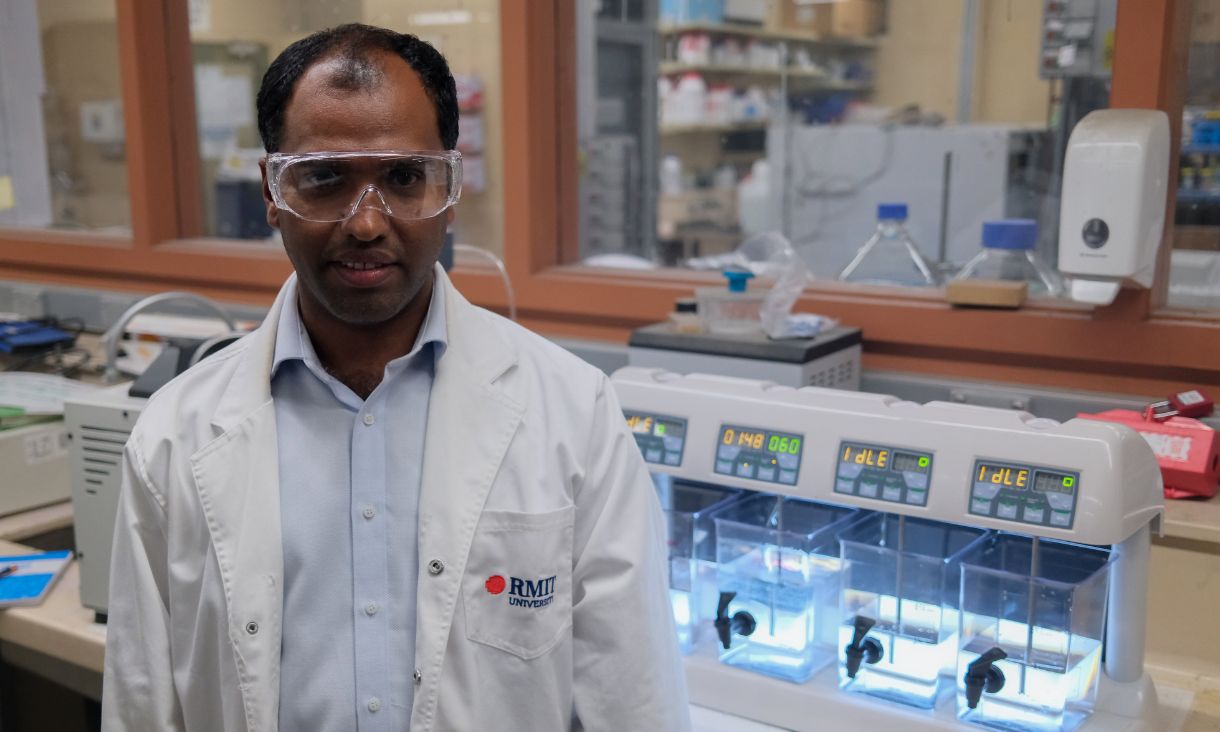
RMIT University researchers have developed a more effective way to capture microplastics from wastewater, using a combination of microbubbles and nanobubbles to achieve removal rates of more than 90% before pollution reaches waterways.
.jpg)
RMIT advances sustainable housing leadership at WSBE26
RMIT University was honoured to recently host the World Sustainable Built Environment Conference 2026 (WSBE26) in Melbourne, one of the longest‑running global scientific and technical conference series dedicated to sustainability in the built environment.

European cities short on shade as heat bites
New analysis of 5.5 million buildings shows 84% fall short of tree canopy levels required for meaningful cooling.
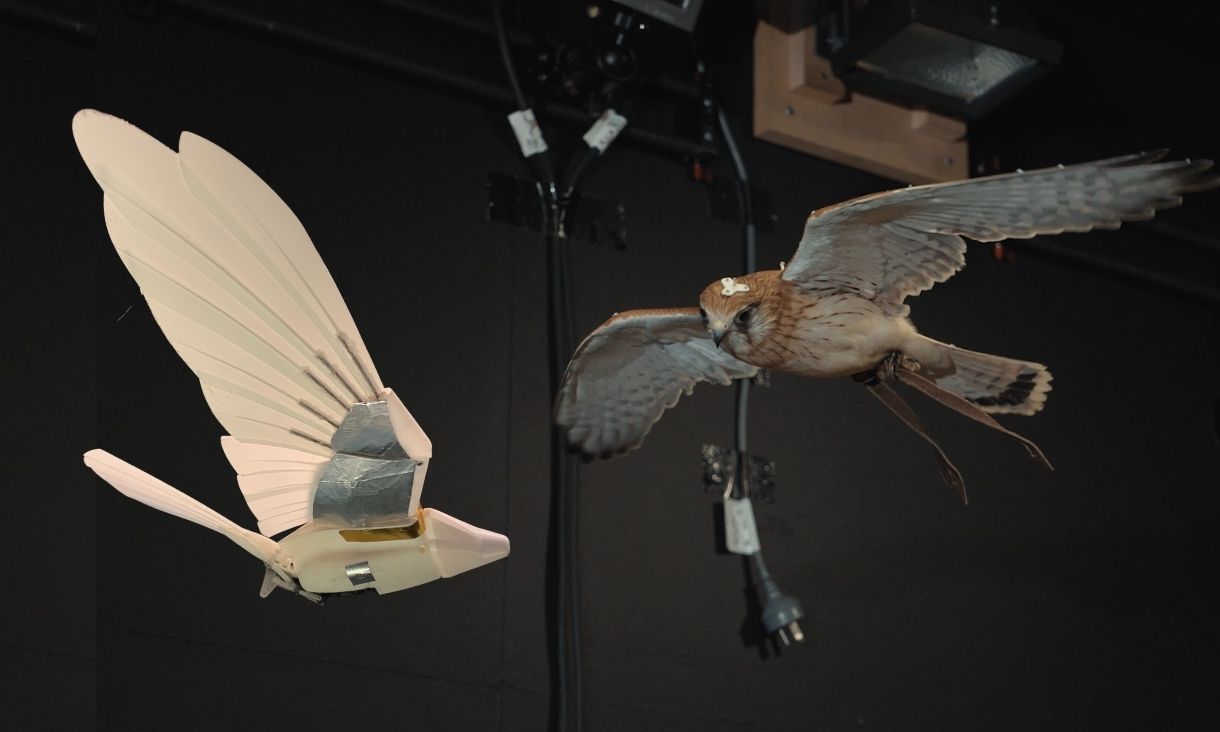
Robotic bird helps uncover the mysteries of flight turbulence
A bio-inspired robotic bird capable of mimicking the key movements of kestrels is helping researchers unravel the mysteries behind the species’ exceptional hovering capabilities.
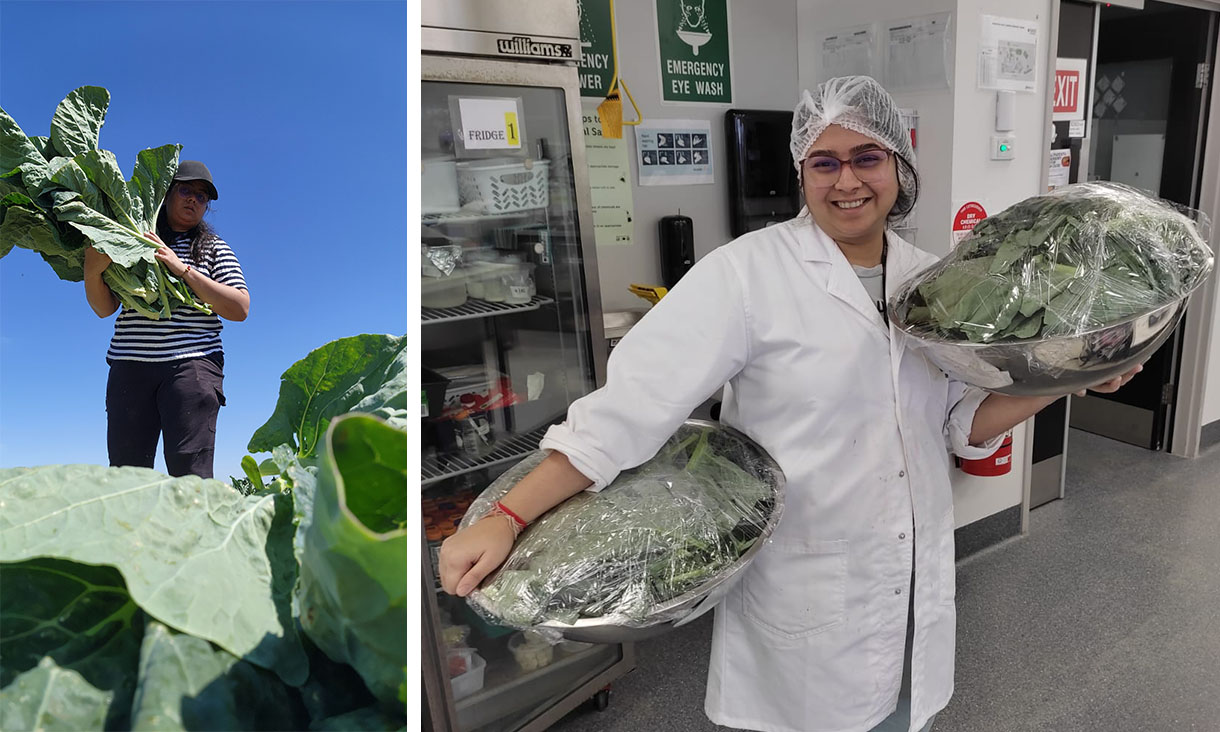
Ultrasound unlocks protein from cauliflower waste
An RMIT innovation uses ultrasound to extract leaf protein from discarded cauliflower leaves, identifying a potential new use for vegetable scraps.
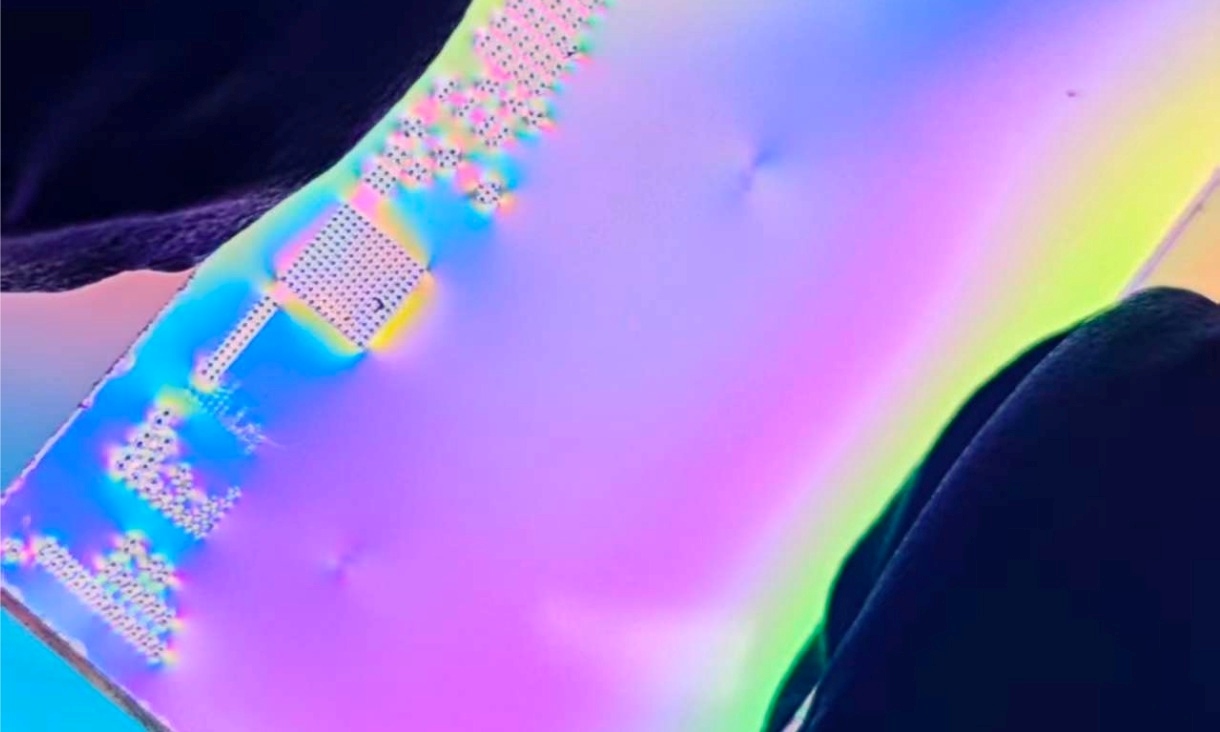
Tiny chip could help cameras spot hidden details
A tiny new chip could give cameras and sensing systems a far sharper view of the world, helping them detect subtle differences in materials and environments that standard colour imaging systems cannot see.

Boom-and-bust cycle slowing home building, report finds
A new AHURI report led by RMIT researchers has found market volatility is the biggest barrier to lifting housing construction in Australia, with boom-and-bust cycles disrupting labour, costs, timelines and quality across the sector.