Bachelor of Fine Arts

Bachelor of Fine Arts

UNDERGRADUATE

Find your creative specialisation and hone your artistic and professional skills, guided by high-profile artists.

Student type:
Learning mode:
On campus
Entry score:

Range of criteria*

Duration:
Full-time 3 years
Next intake:
February
Location:
Melbourne City
Learning mode:
On campus
Entry score:

See admissions

Duration:
Full-time 3 years
Next intake:
February, July
Location:
Melbourne City

Overview

Immerse yourself in a diverse creative environment and advance your artistic practice in specialised studios at a world-leading contemporary art school.

Develop your art practice at a world-leading contemporary art school through intensive studio workshops and personal mentoring.

The Bachelor of Fine Arts is centered around you as an individual, with high-profile contemporary artists guiding you to take creative risks, experiment with materiality and form, and explore art's role in personal and political action.

Enter the degree though one of our four majors and further focus in studio specialisations combining practical skills with art theory, contexts, and professional development for success in creative industries. 

When you study for the Bachelor of Fine Arts, you will have the option to undertake a range of minors to further hone your creative expertise or expand your knowledge from a selection of interdisciplinary options.

This degree is also delivered in Hong Kong by the Hong Kong Art School.

Why study fine art at RMIT?

Active industry experts

Learn from high-profile practising artists who help you find your artistic voice.

Build a global network

Connect with art students in the Hong Kong Art School program and through international study tours.

Majors and minors

Dive deep into your studio specialisation through fine art majors and extend your knowledge through interdisciplinary minors.

Choose your major and minors

Dive deep into your studio specialisation through fine art majors and extend your breadth of knowledge through our range of interdisciplinary minors.

You can choose to follow your creative passions to a career in the fine arts through one of the following four majors:

Explore the majors and minors

The 2D Studio Practice Major explores in-depth practical and theoretical knowledge across four key studio areas: Drawing, Painting, Printmaking and Exploded Studio.

In addition to dedicated studio spaces, the 2D Studio Practice major offers after-hours access to facilitate your practice alongside your peers, encouraging you to share ideas and be exposed to a wide range of approaches.

About the four key studio areas

Drawing

Offering individual workspaces in premium facilities where students develop artistic vision through life drawing, exhibitions, and critiques. Students build technical and conceptual skills under mentorship from established national and international artists.

Painting

offering individual studio-based practice emphasising critical thinking and experimental techniques. Students work in dedicated spaces with professional artists, exploring historical and contemporary contexts through diverse painting materials and methods.

Printmaking

Comprehensive approach using both traditional printmaking techniques and contemporary digital technologies. Individual studios and communal workshops provide access to professional facilities for exploring diverse print methods such as artist books, etching, lithography, screen printing, relief print and print-based installations.

Exploded Studio

Challenges conventional studio boundaries by exploring artmaking in public spaces, collaborations, and site-specific installations. Students work with internationally recognised artist-educators to experiment with urban interventions, time-based work, and reimagined studio practices.

The 3D Studio Practice Major explores in-depth practical and theoretical knowledge across three key studio areas: Ceramics, Jewellery and Sculpture.

About the three key studio areas

Ceramics

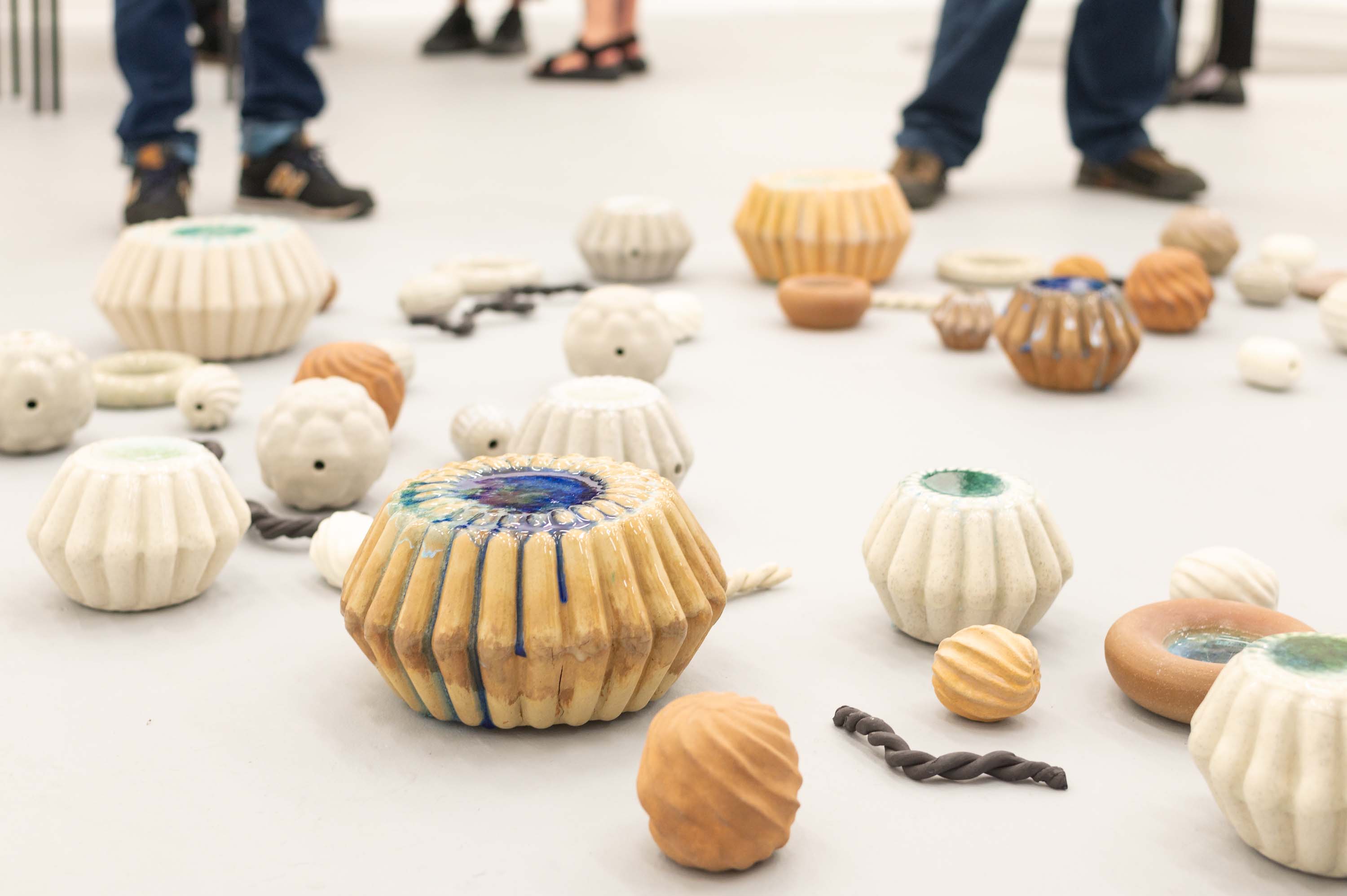
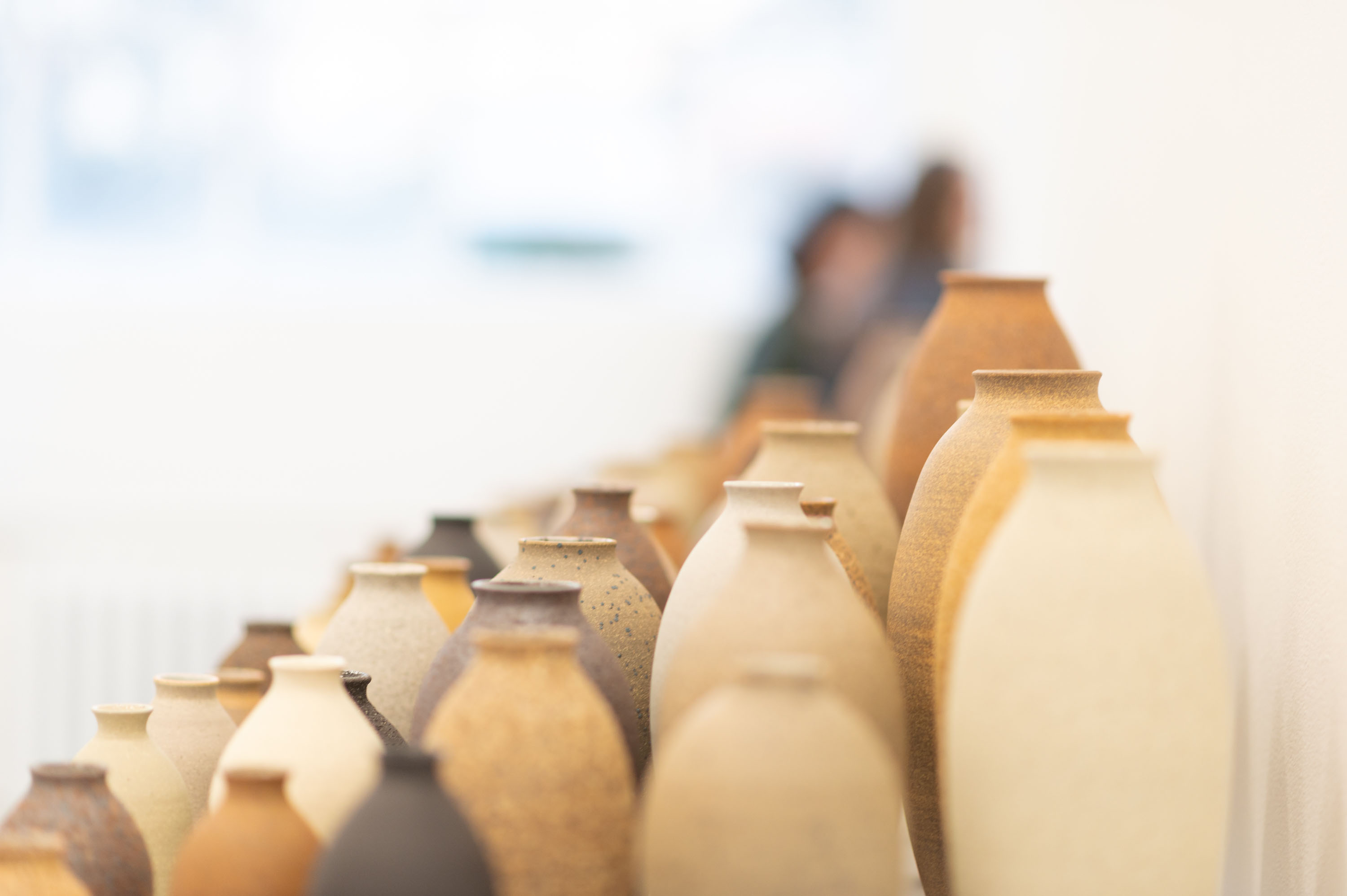
Our ceramics studio is an immersive, hands-on studio experience transforming clay through conceptualising, designing, and making under contemporary artist guidance.

You will link historical ceramic narratives with contemporary ideas through fully equipped facilities including pottery wheels, extruders, glaze lab, and electric/gas-fired kilns for diverse creative exploration.

Jewellery and Material Practice

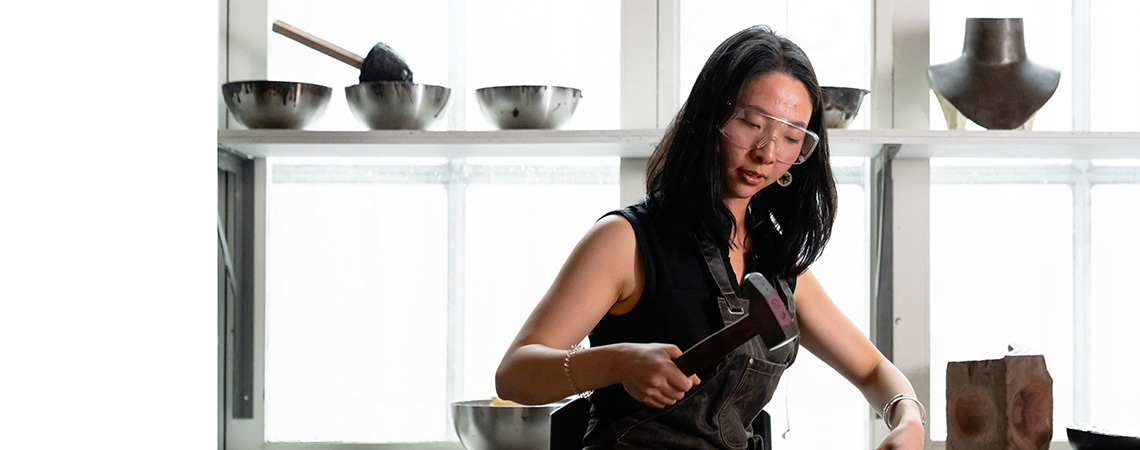
Explore contemporary and traditional metal and material technologies for creating jewellery, silversmithing, and art objects.

In our jewellery and material practice studio you will work with contemporary artists and craftspeople to challenge conventions of wearability using extensive facilities for metal fabrication, soldering, enamelling, 3D printing, and laser welding. 

Sculpture

Our sculpture studio features industry-standard facilities including professional foundry and fully equipped metal/wood workshops.

You will explore object construction, modelling, mould-making, installation, life casting, fabrication, experimental materials, and bronze casting under practicing artists who approach sculpture as an expanded medium.

The Expanded Media Arts major prepares students to work at the intersection of art, technology, and digital culture.

This interdisciplinary field explores how contemporary artists use video, sound, animation digital imaging, AI, 3D design, and emerging technologies to create innovative artistic expression that challenges traditional boundaries between disciplines.

In our specialised studio facilities you will experiment with both analogue and digital facilities whilst developing your individual skills.

The Photography major provides a range of strategies to observe, interpret and shape the world.

Photography's intersection with social, economic, cultural, and political arenas will provide you with an opportunity to engage in contemporary visual culture.

You will respond to critical discourses and emerging shifts in the field, producing work in our purpose-built studios, using specialised photographic equipment and digital imaging technologies. 

In our specialised studio facilities you will experiment with both analogue and digital facilities, developing your individual photographic skills.

What are minors?

To support your future endeavours in the fine art and creative industries, we offer a range of minors that allow you to personalise your degree.

Minors provide the opportunity to deepen your studio specialisation and to expand your mind and career opportunities by developing multidisciplinary knowledge and skills across social, cultural, political and technological contexts. 

Fine Art minors

  • Ceramics
  • Drawing
  • Expanded MediaArt
  • Jewellery and Material Practice
  • Painting
  • Photography
  • Printmaking
  • Public Art and Social Practice
  • Sculpture

Interdisciplinary minors

  • Foundations in Teaching
  • Gender Studies
  • Digital Communication 
  • Illustration  
  • Cinema Studies 
  • Design for Sound Environments 
  • Design for Advanced Manufacture

Your studio experience

Learn fine art by making it. At RMIT you’ll spend most of your time immersed in studios. This means more face-to-face time with teachers and more time to follow your passion.

The RMIT School of Art Graduate Exhibition

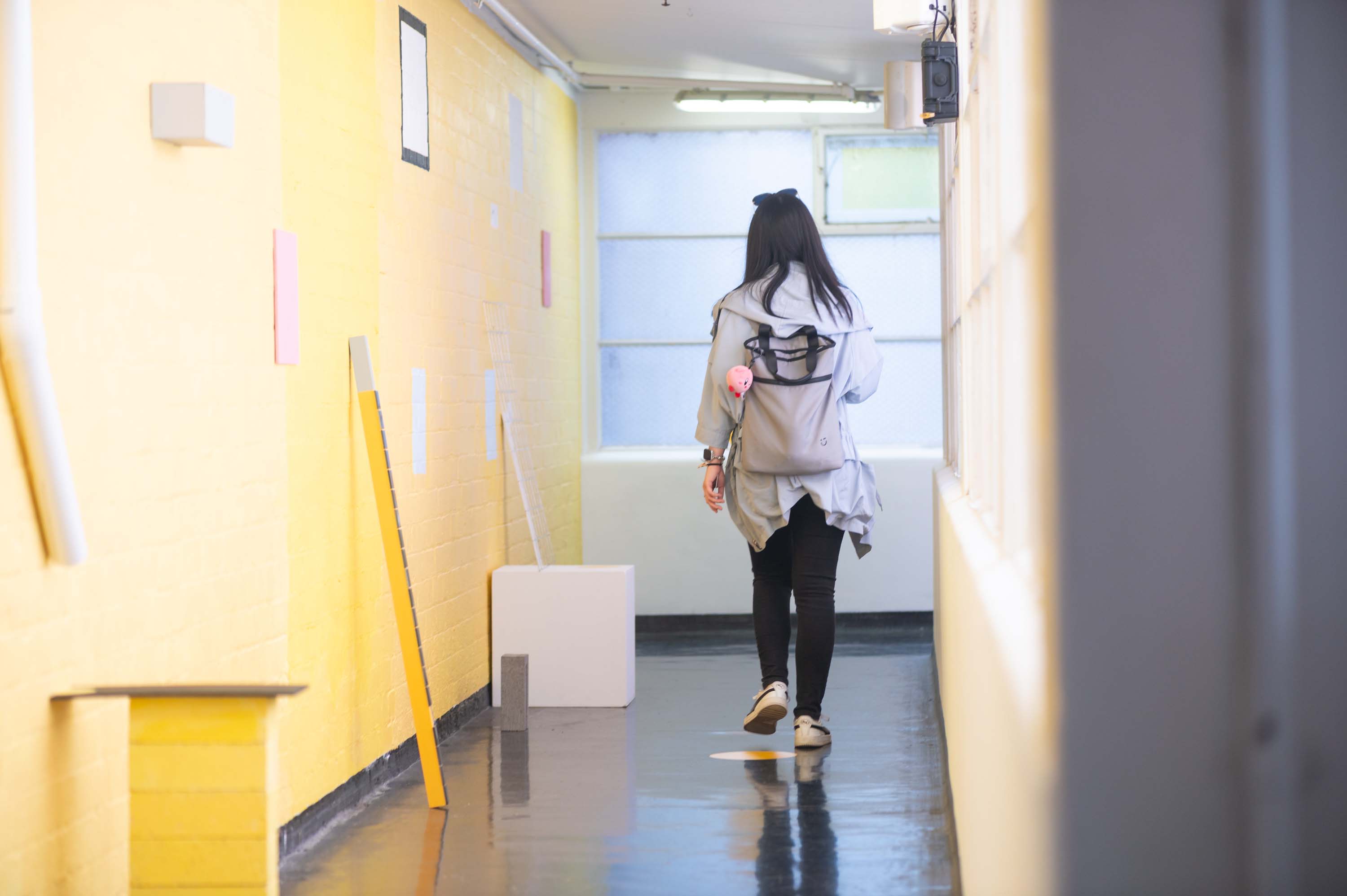
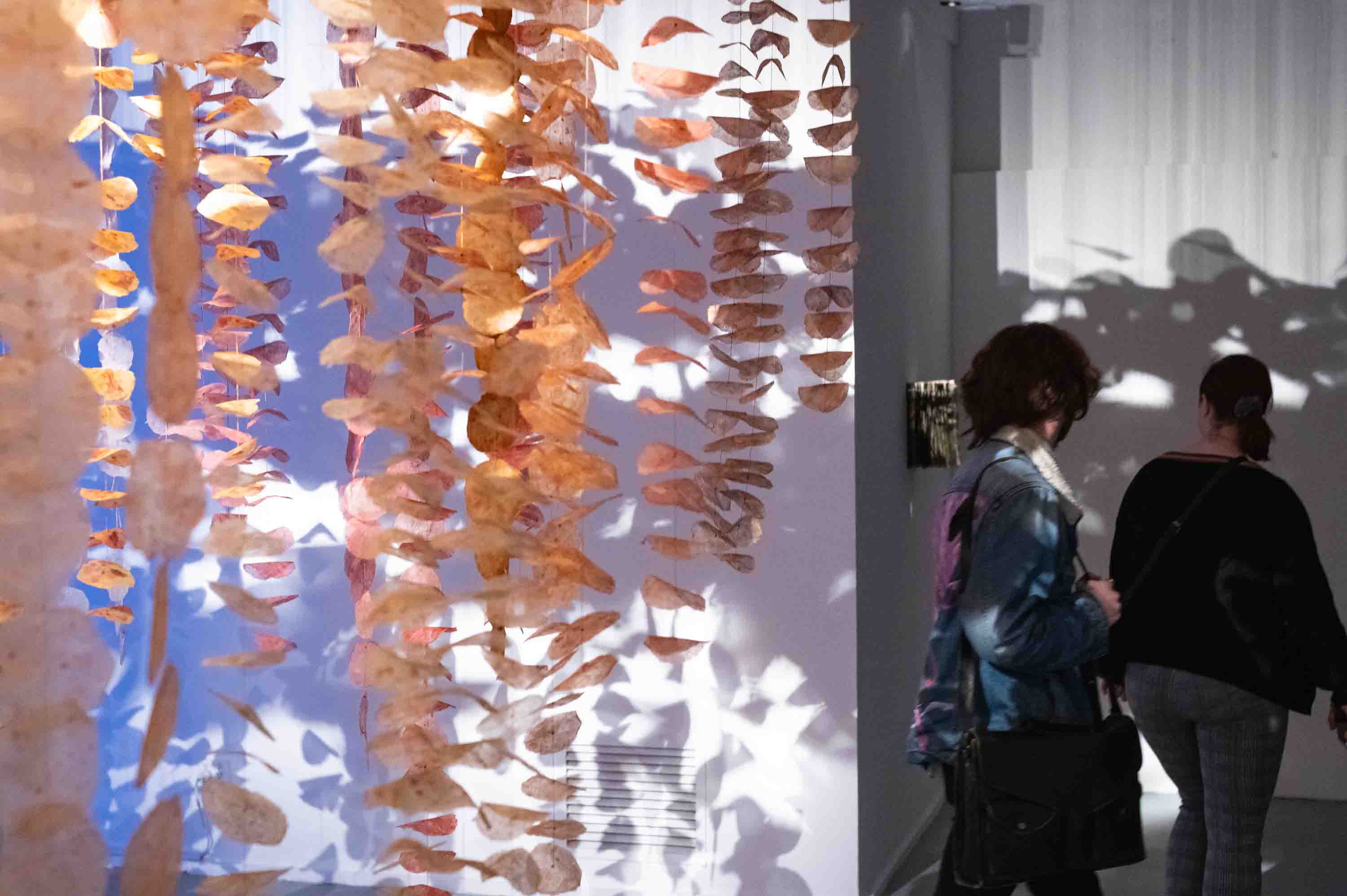
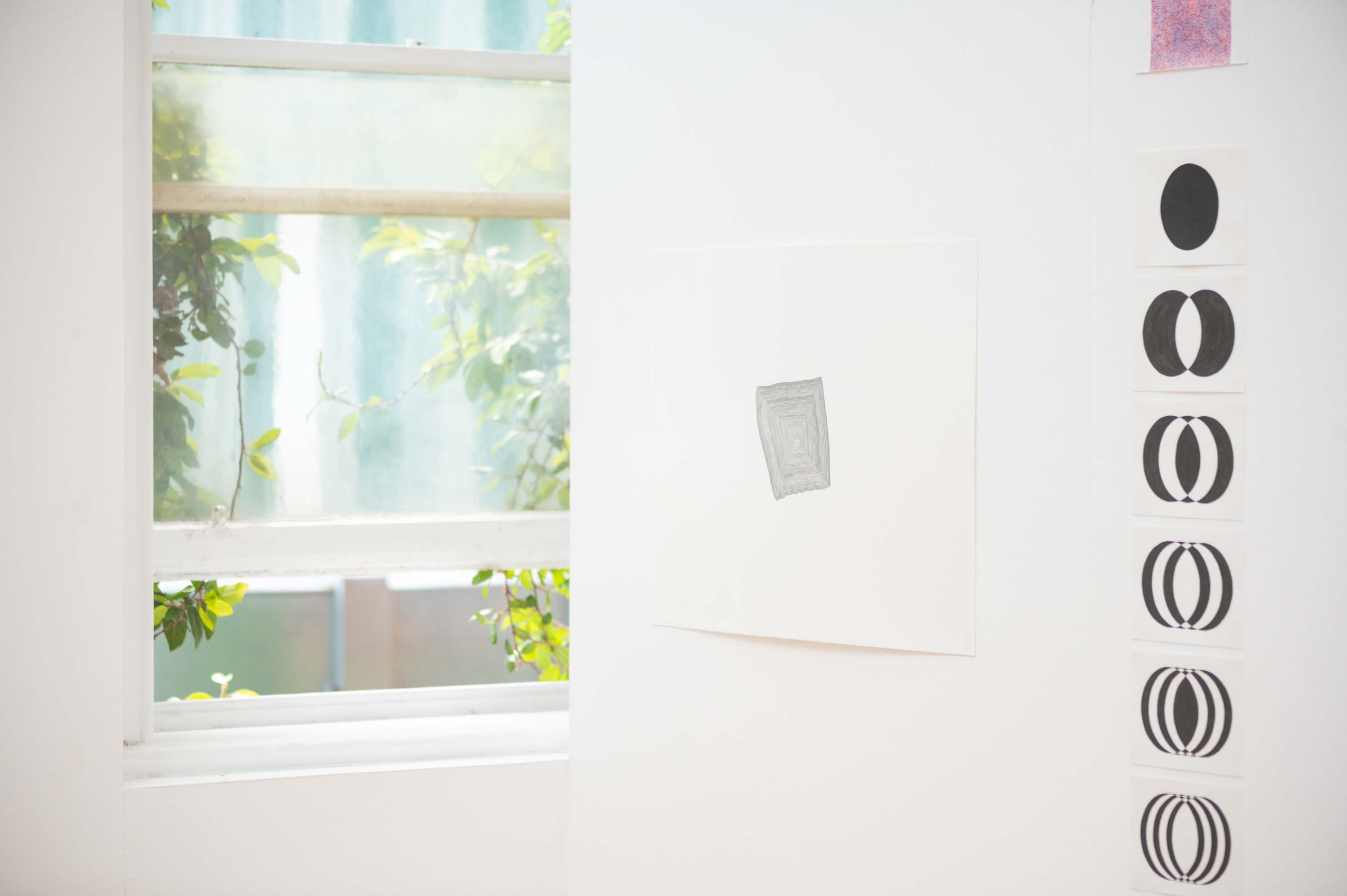
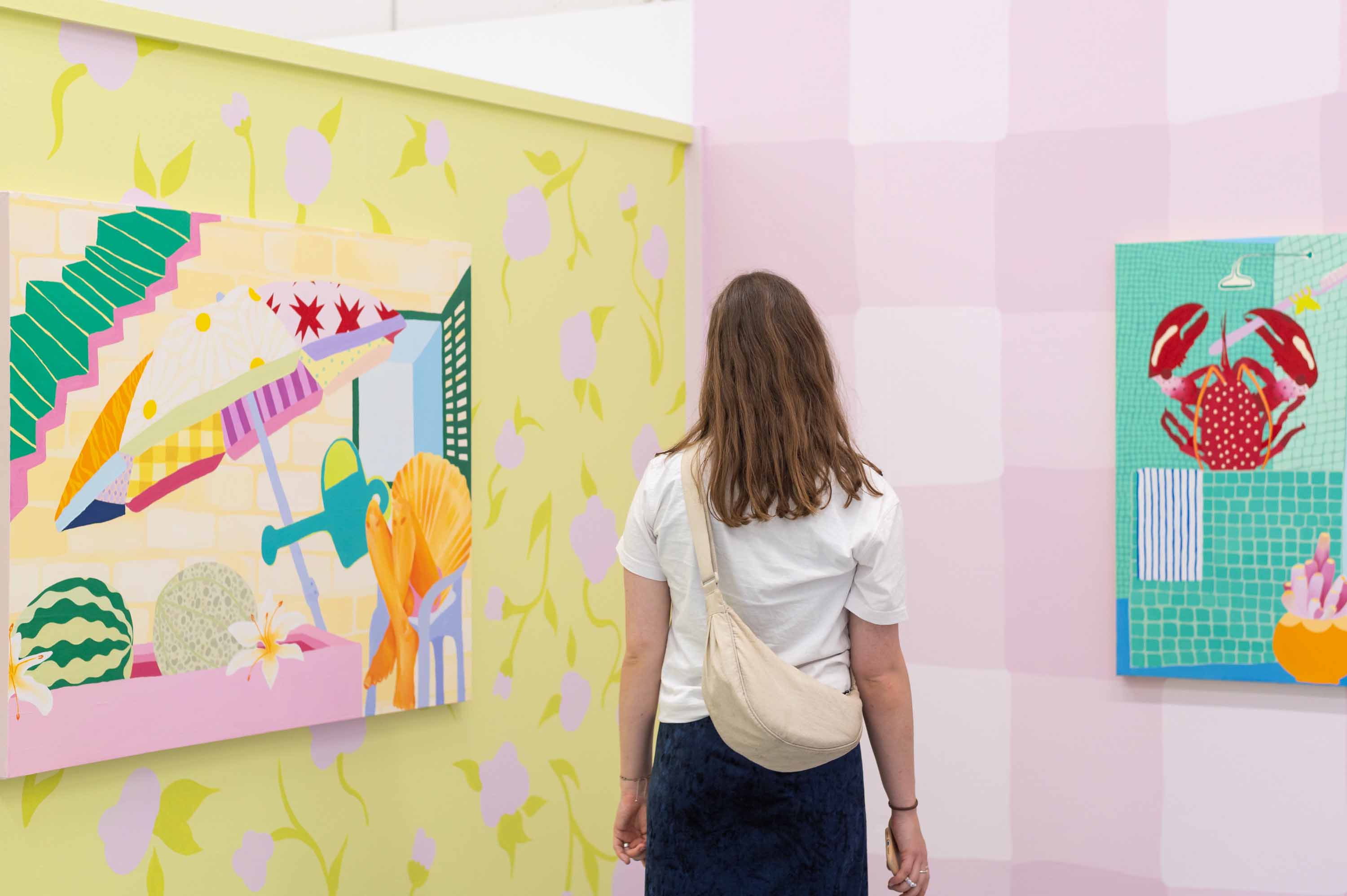
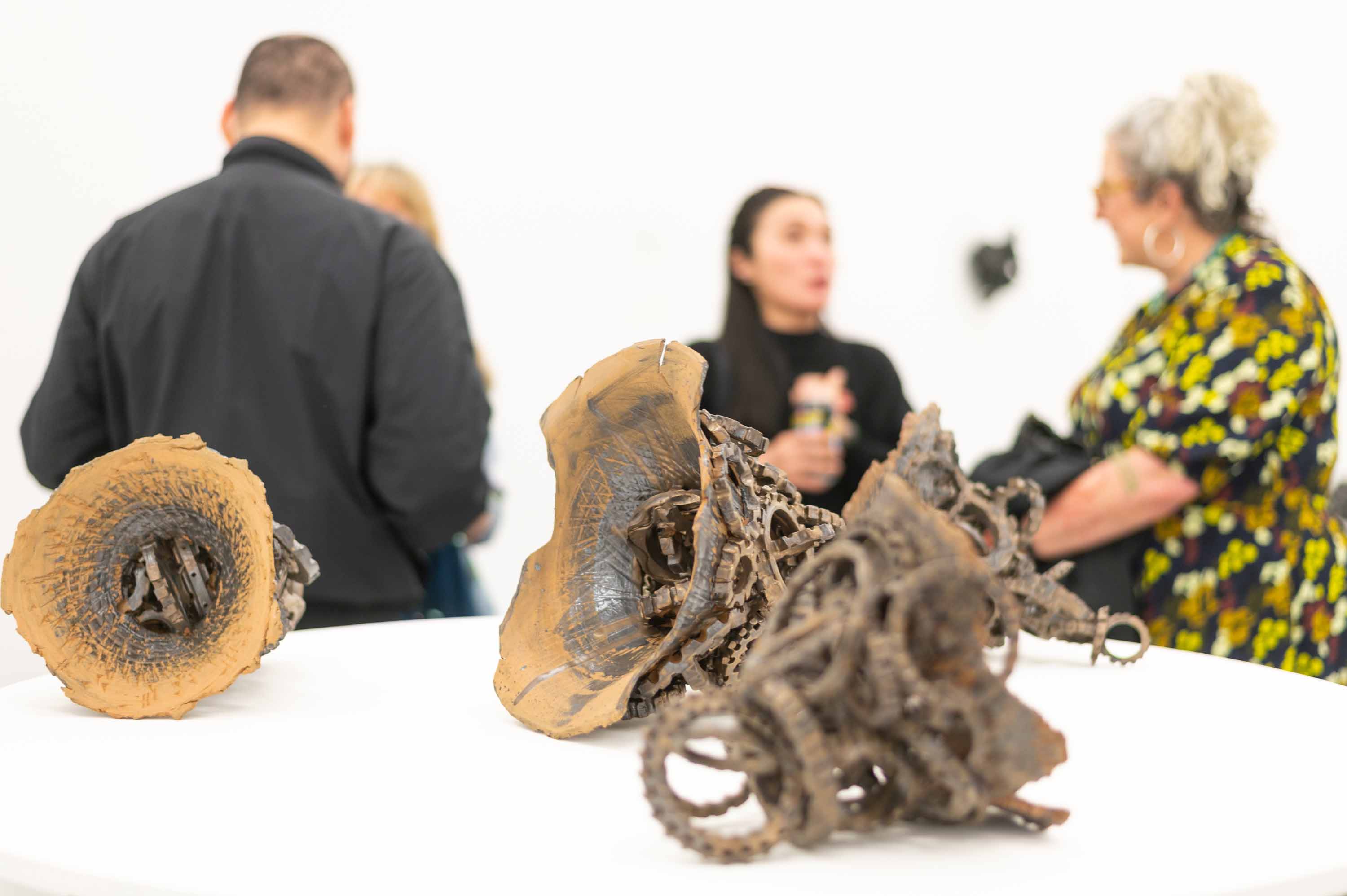
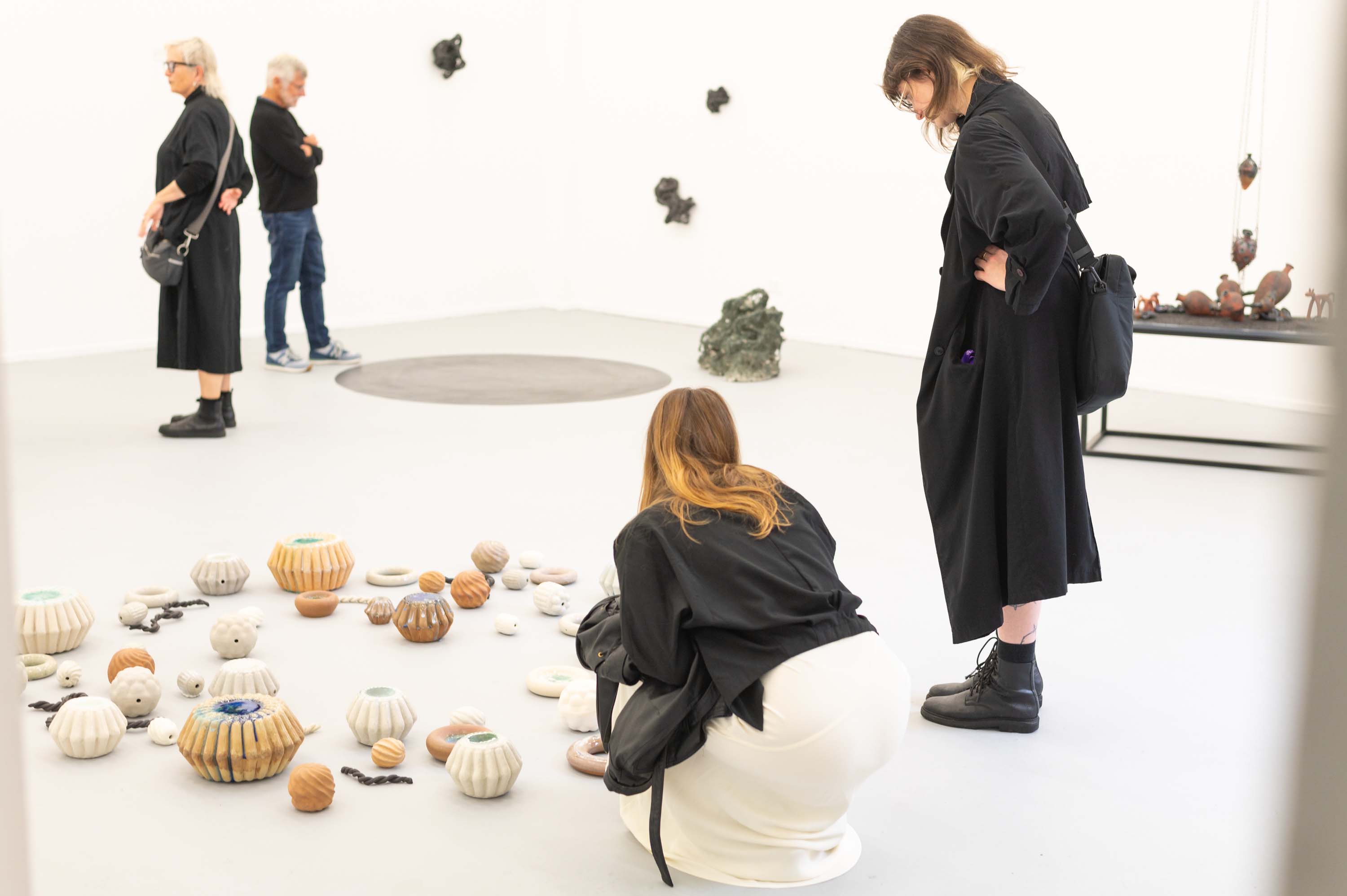
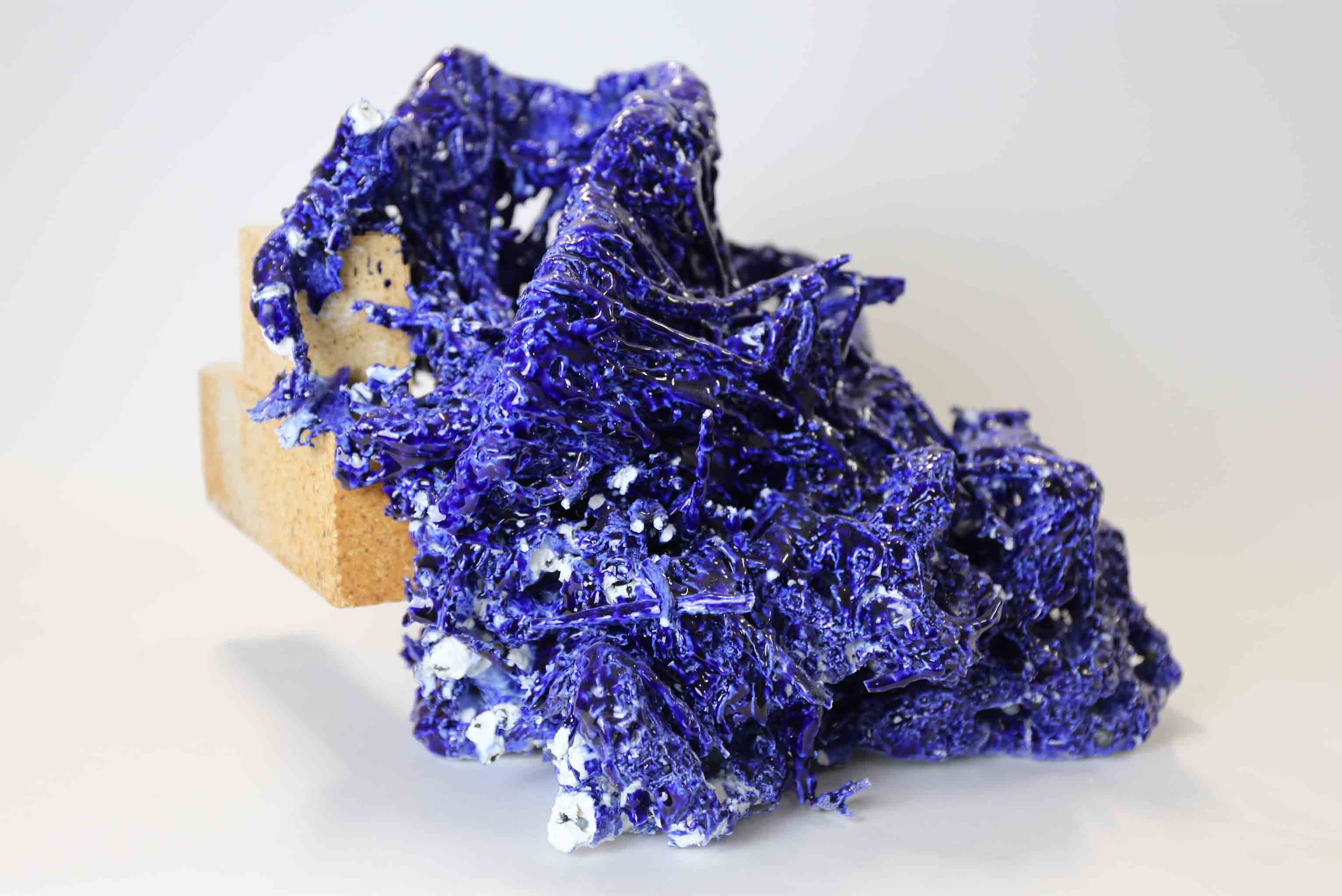
At the end of your third year of the Bachelor of Fine Arts you will be invited to exhibit your major work at the annual RMIT School of Art Graduate Exhibition. This exhibition is the celebration of your three years of study at RMIT and showcases the innovation and technical expertise of our Fine Art students.

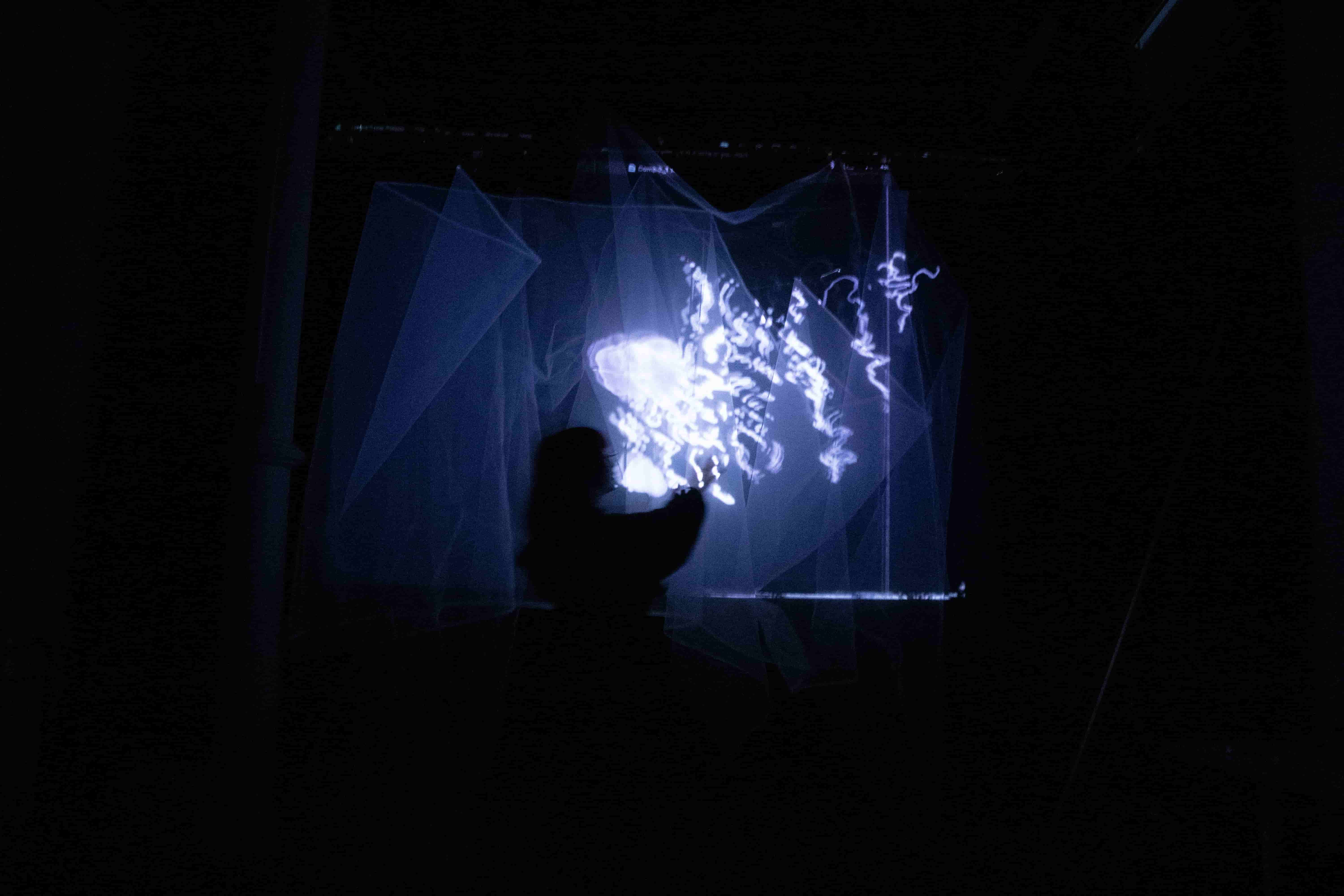
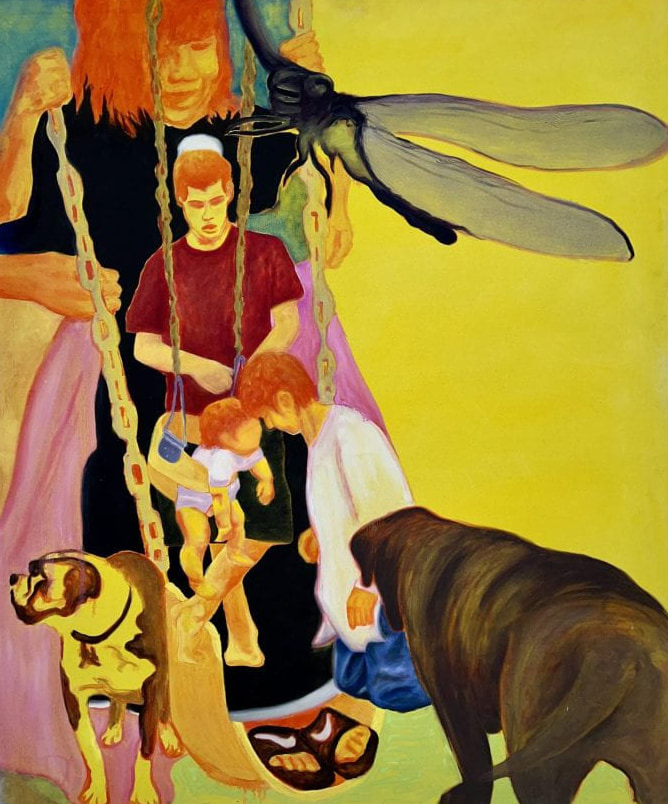
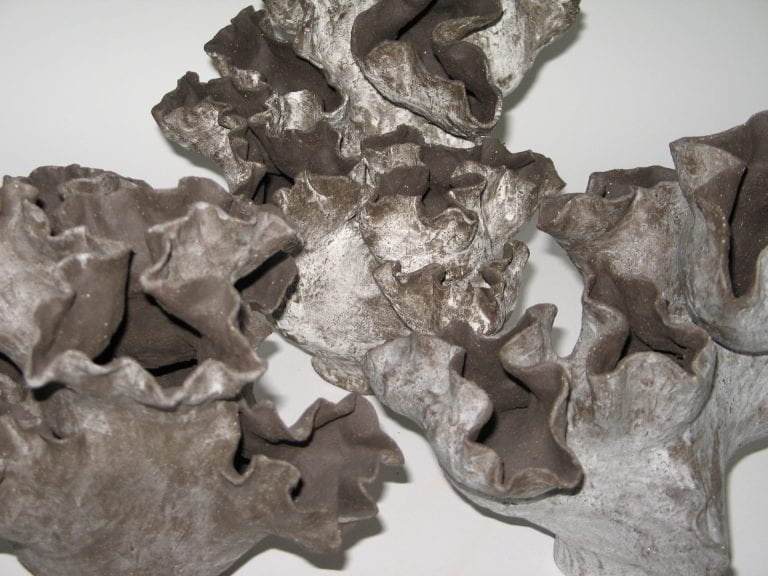
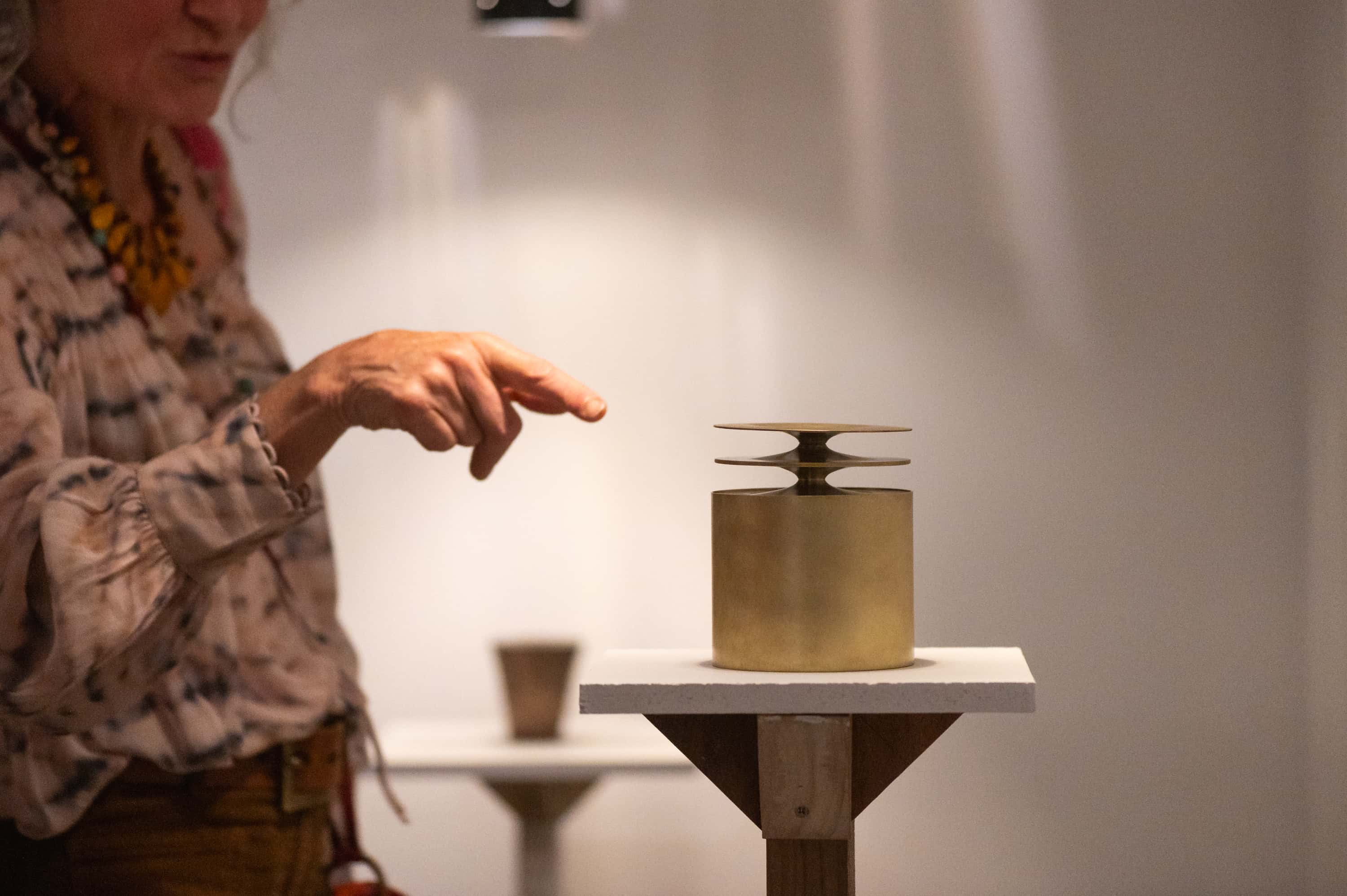
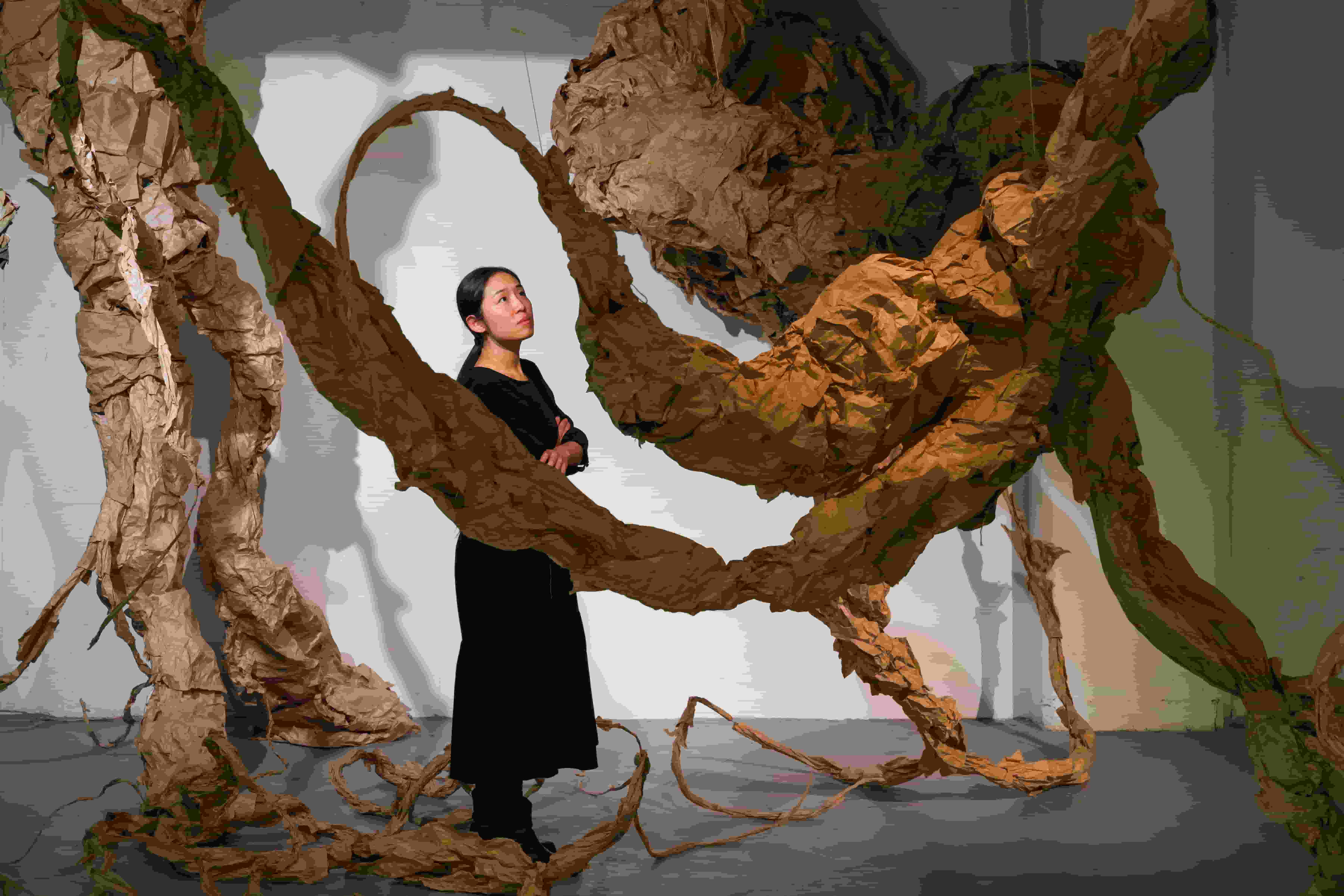
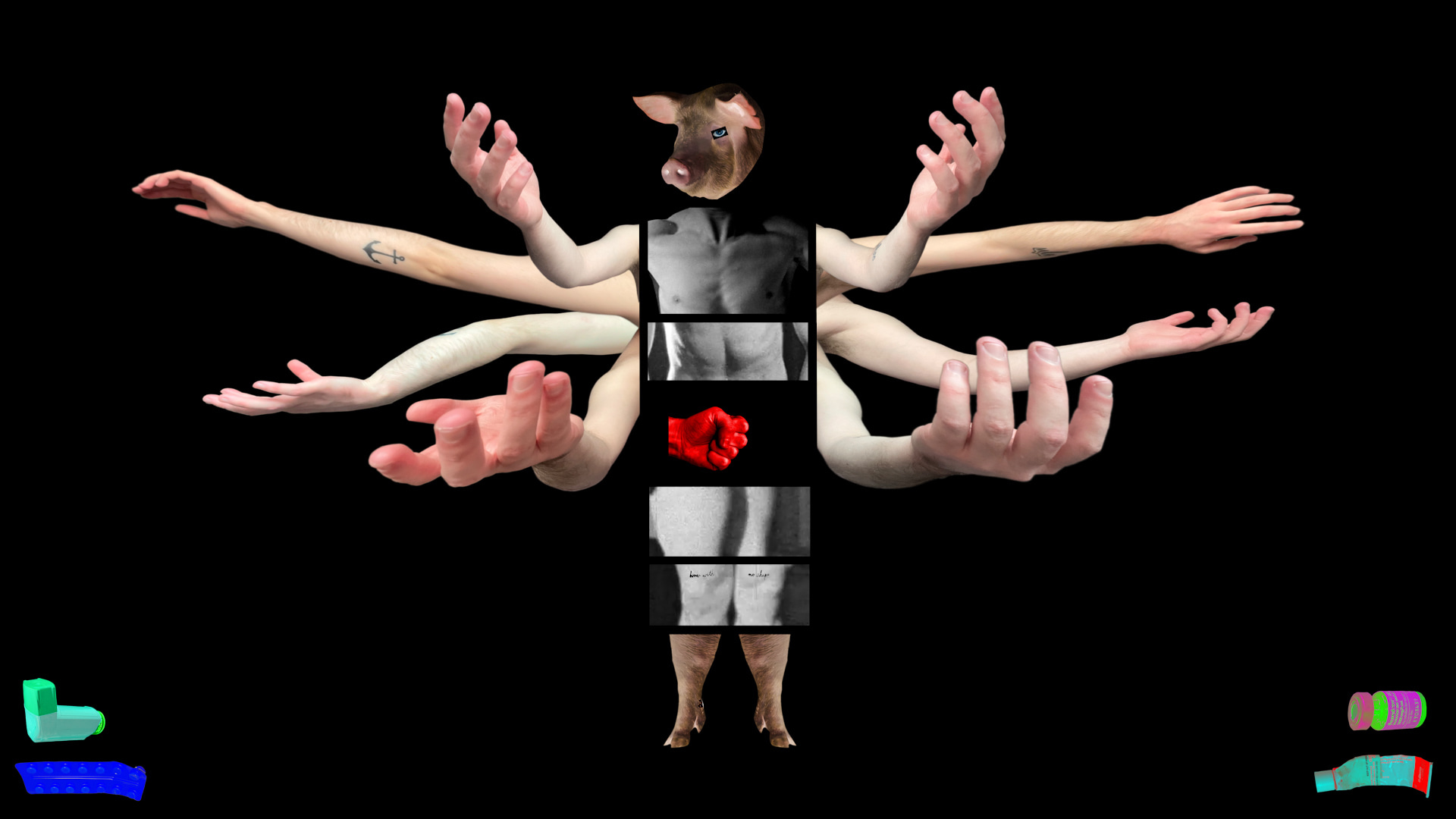
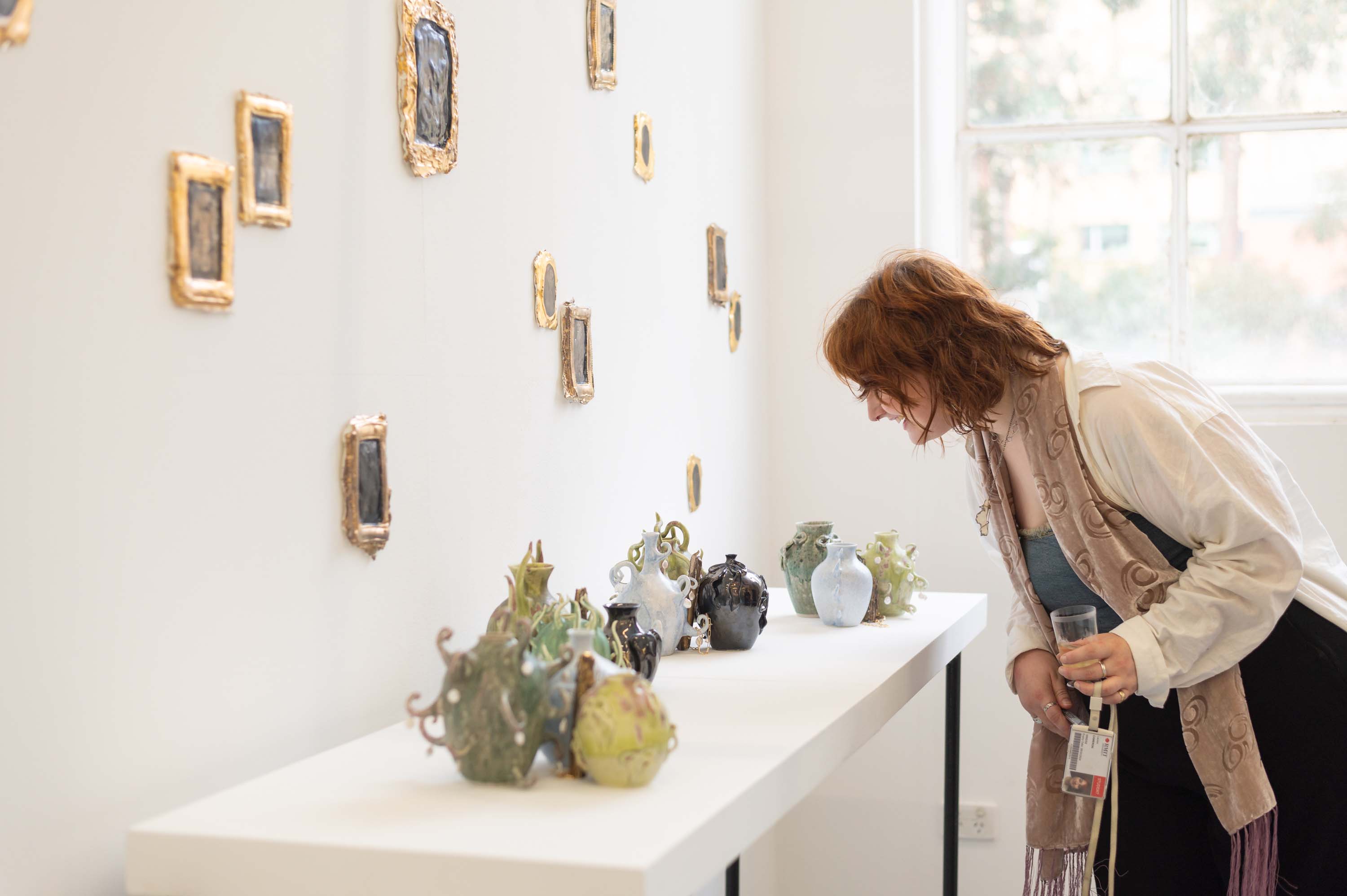
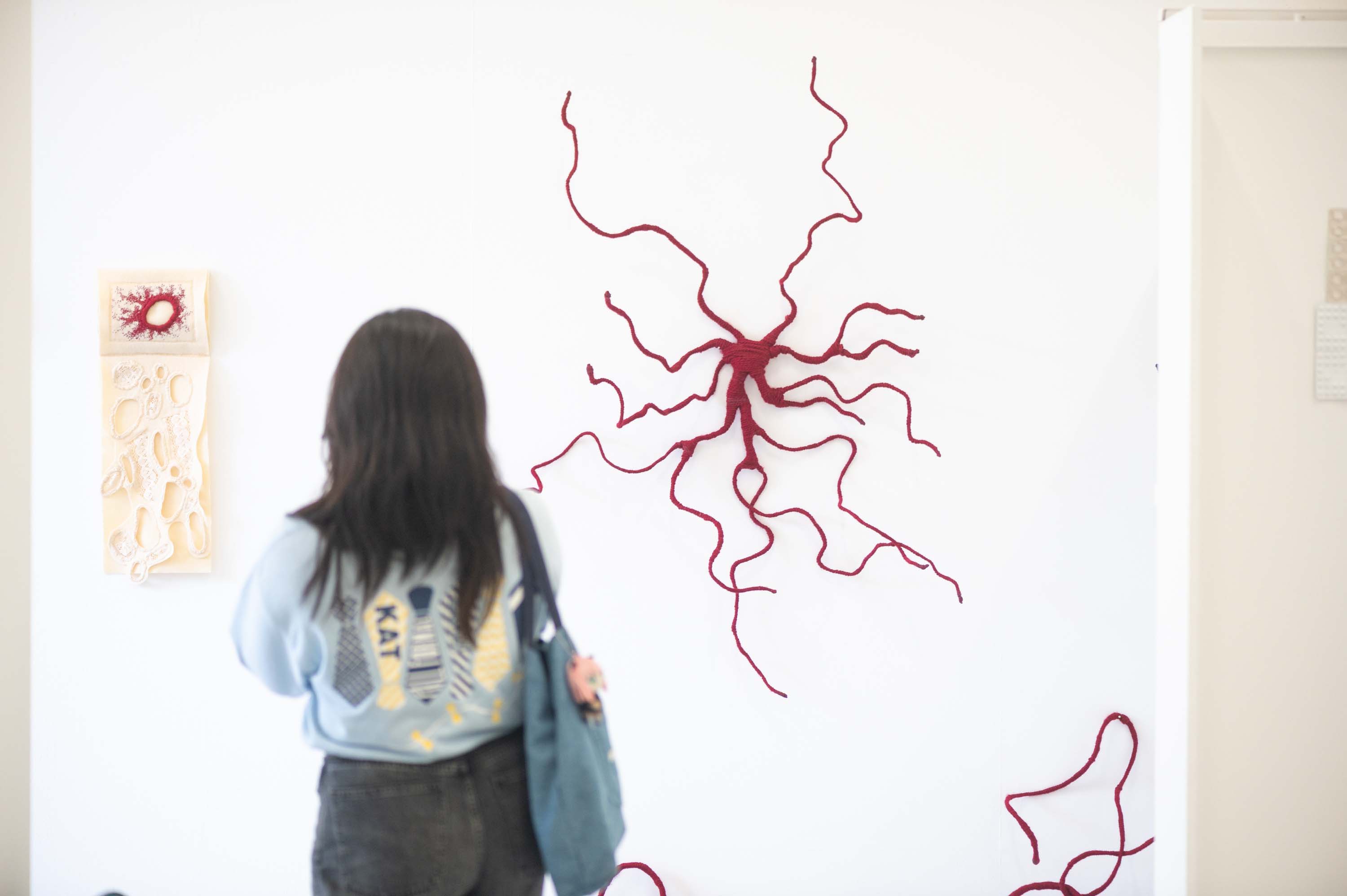
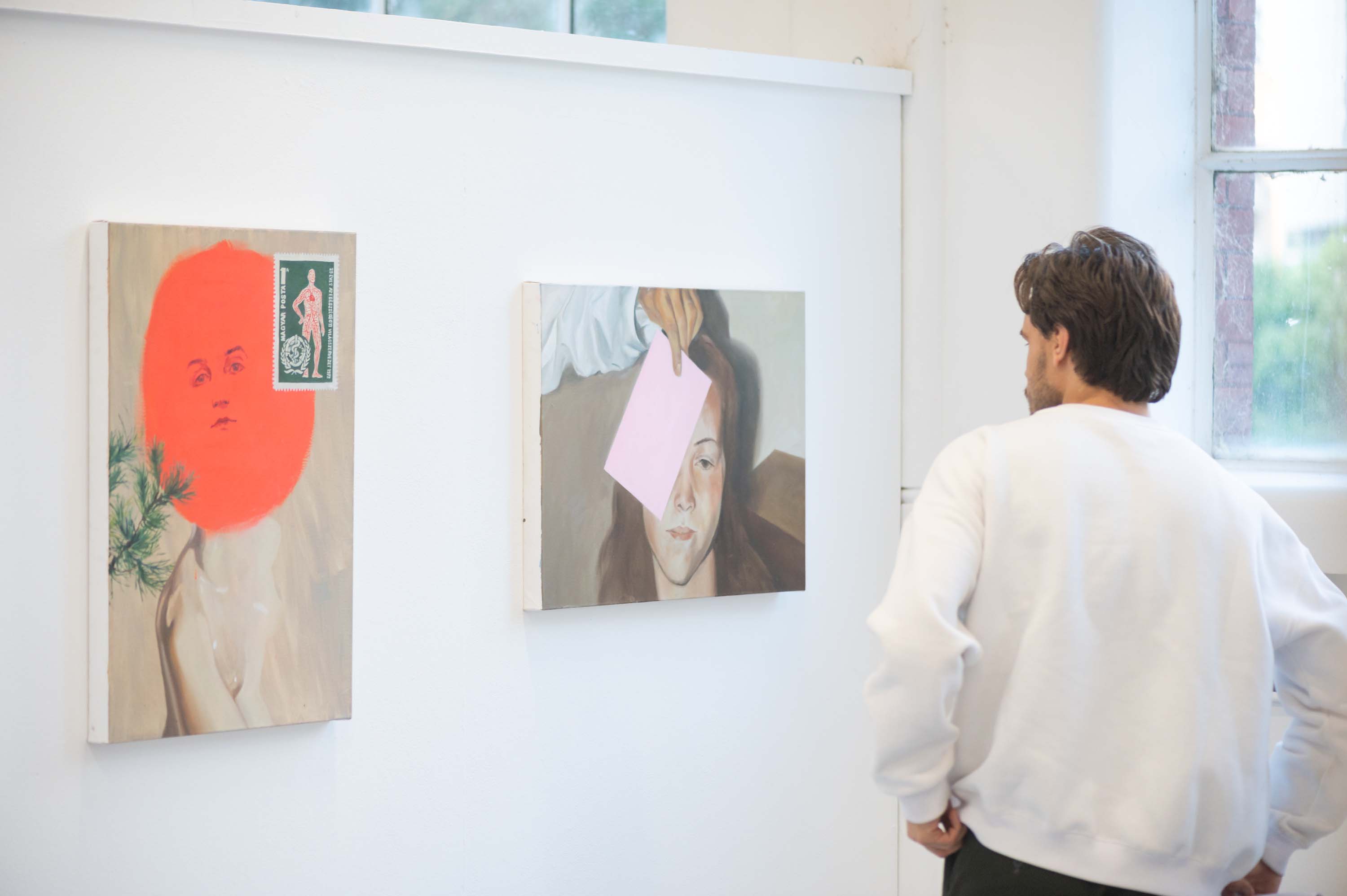
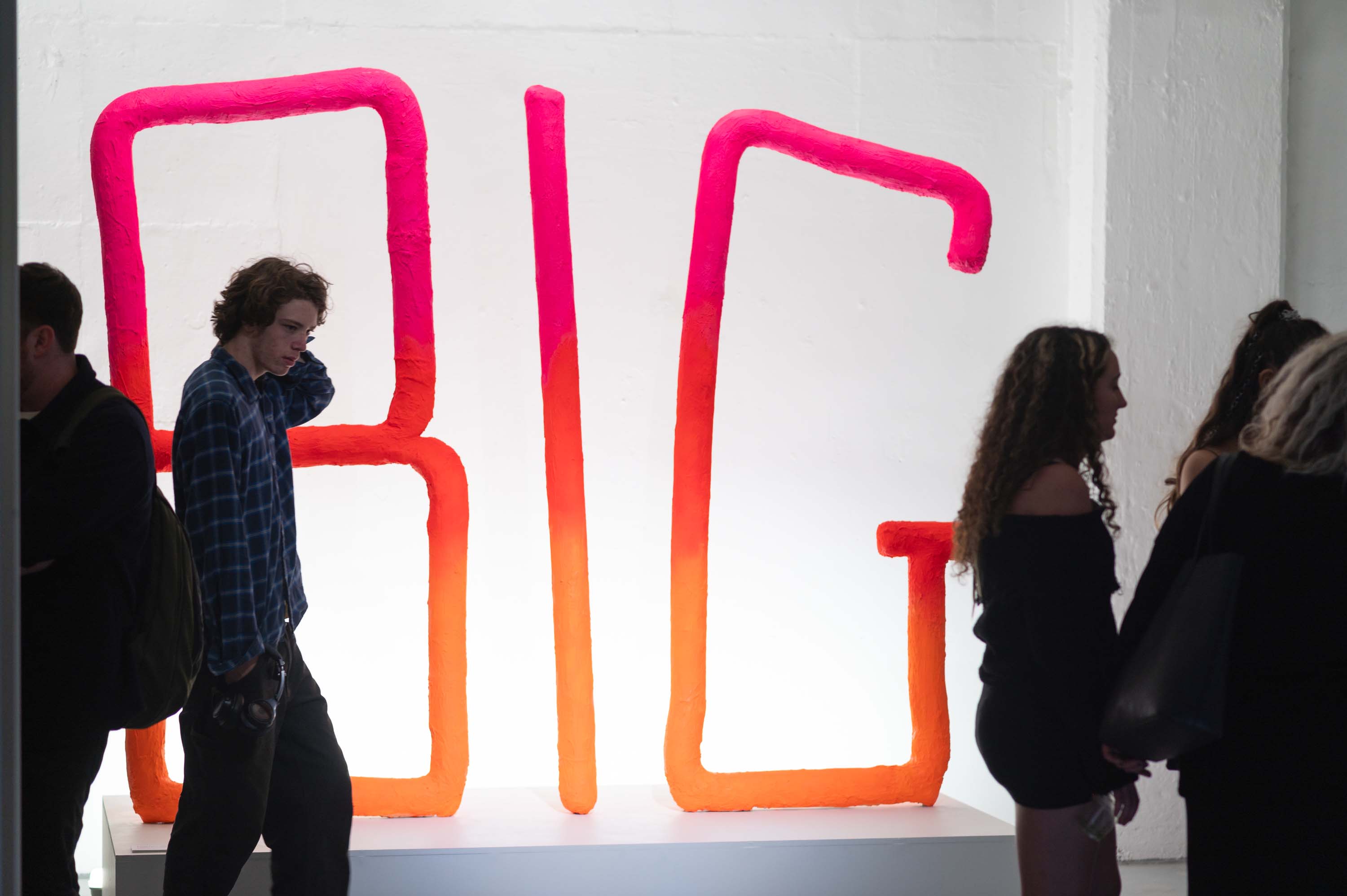
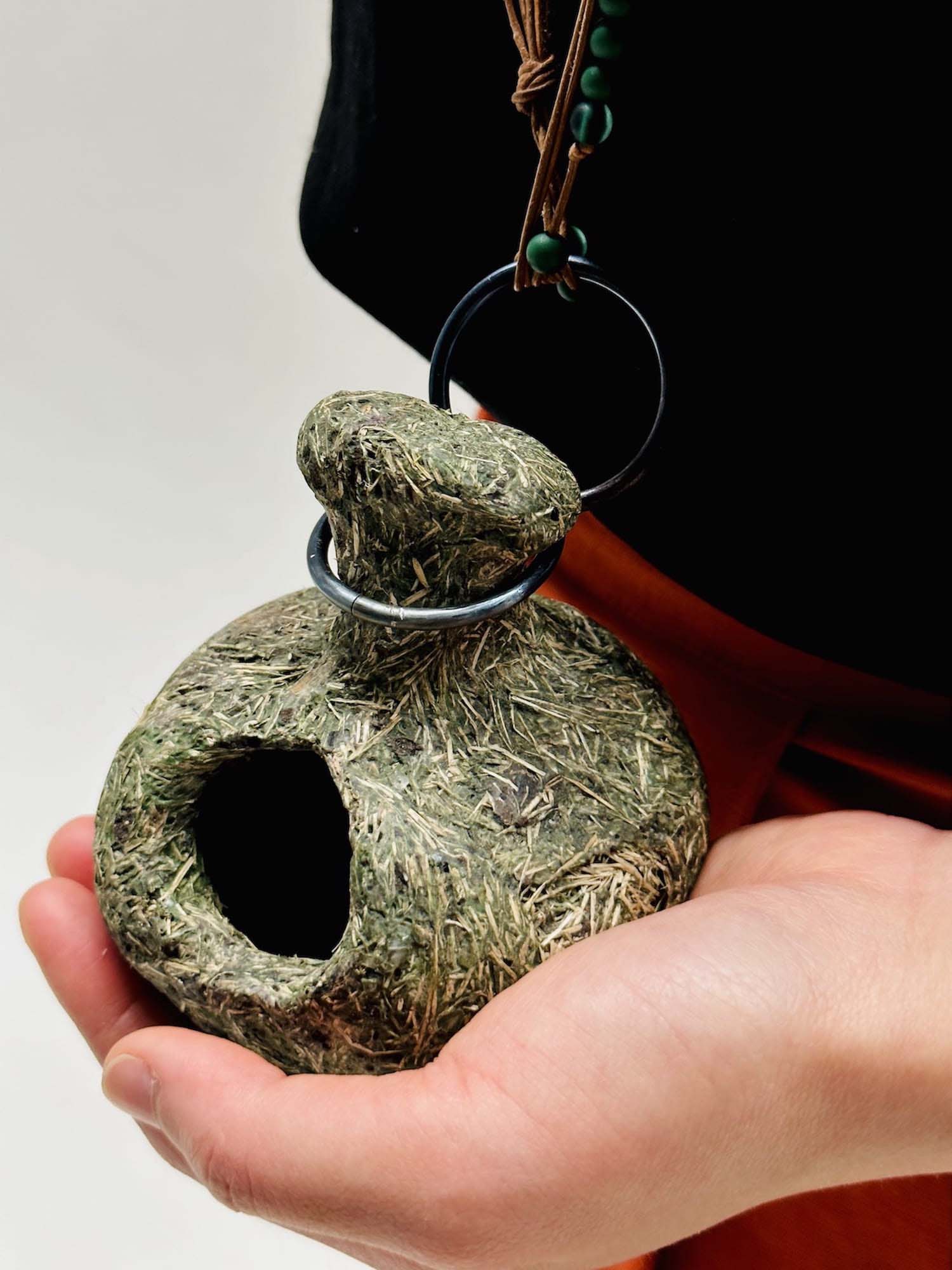
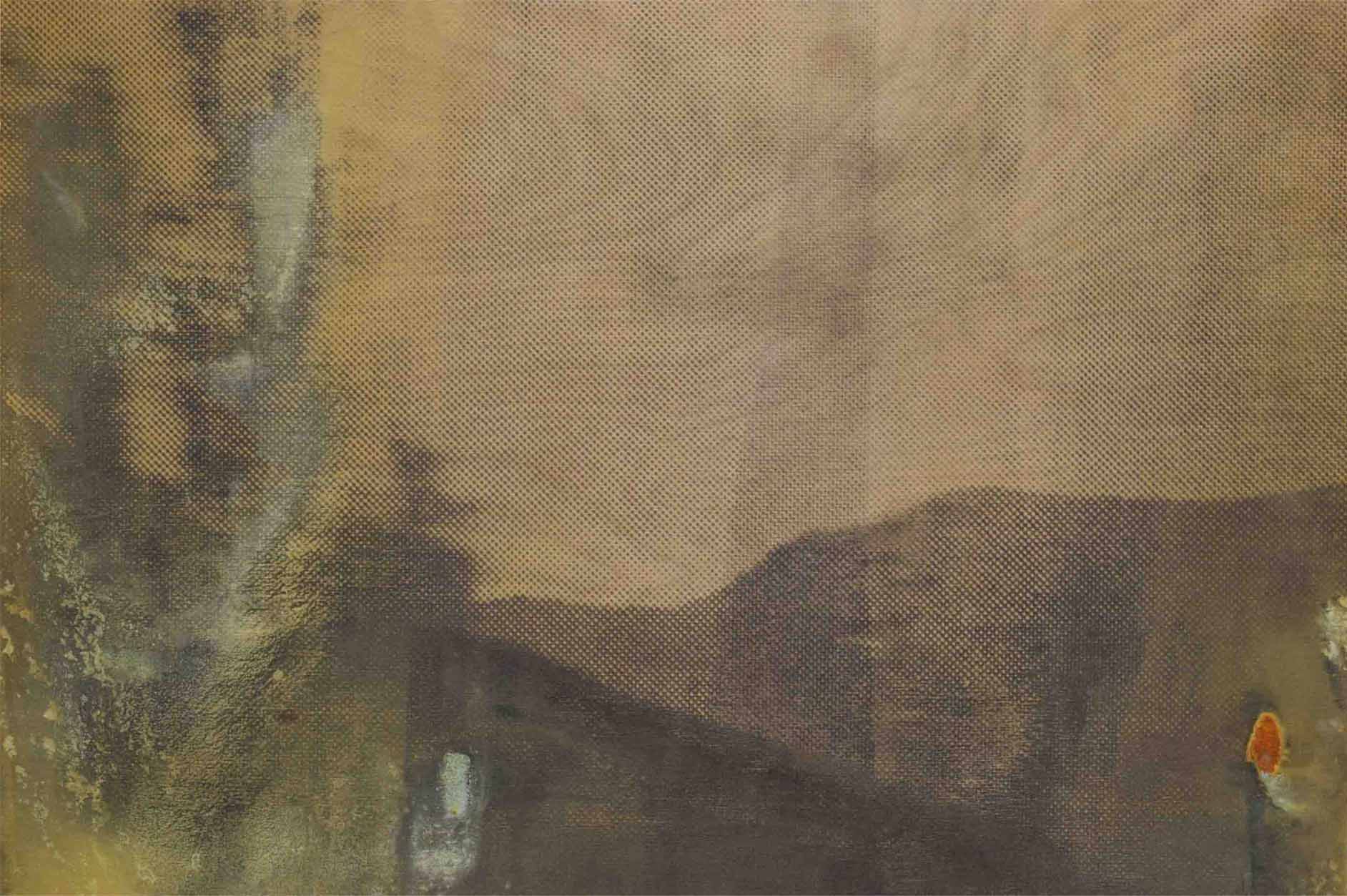
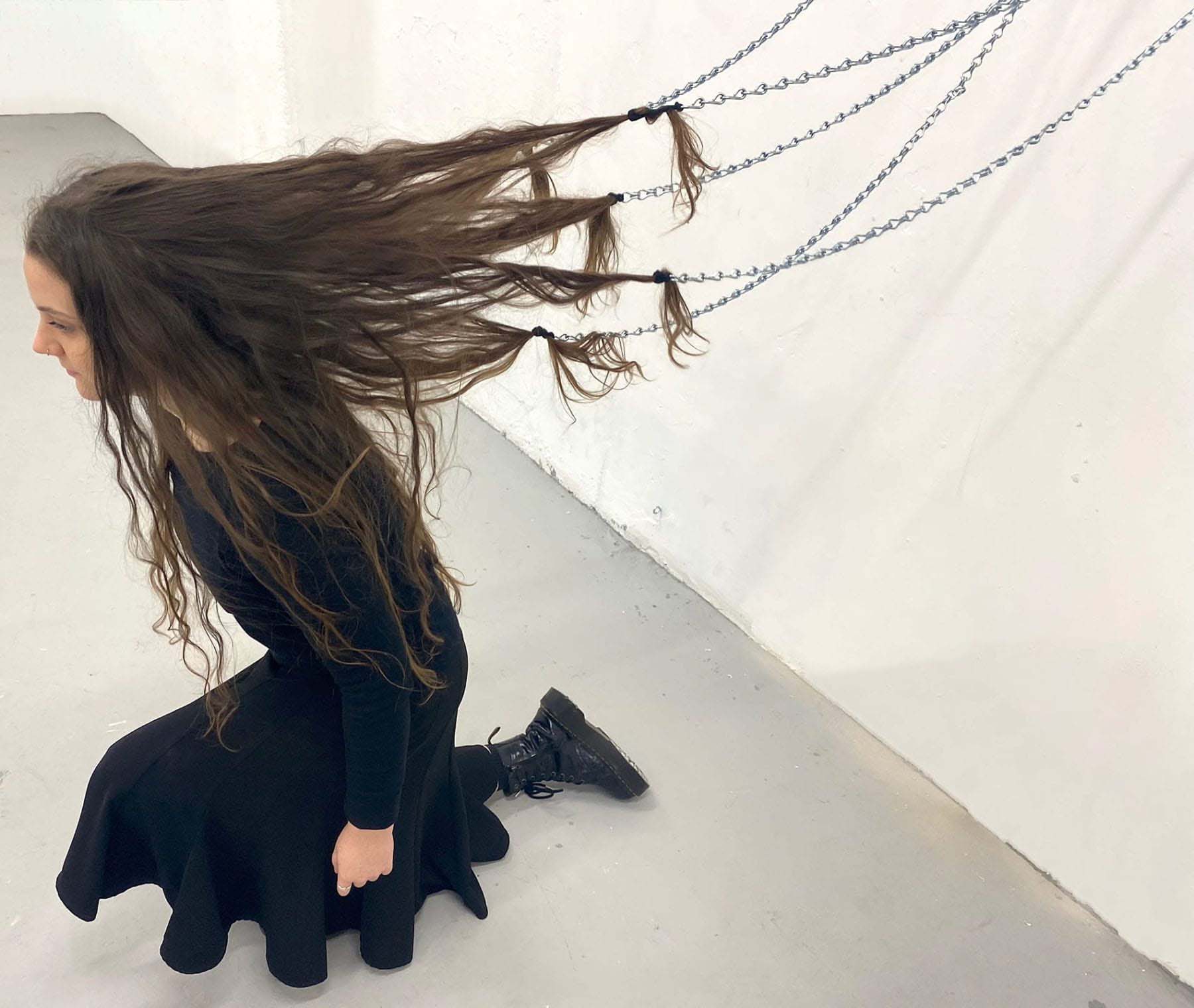
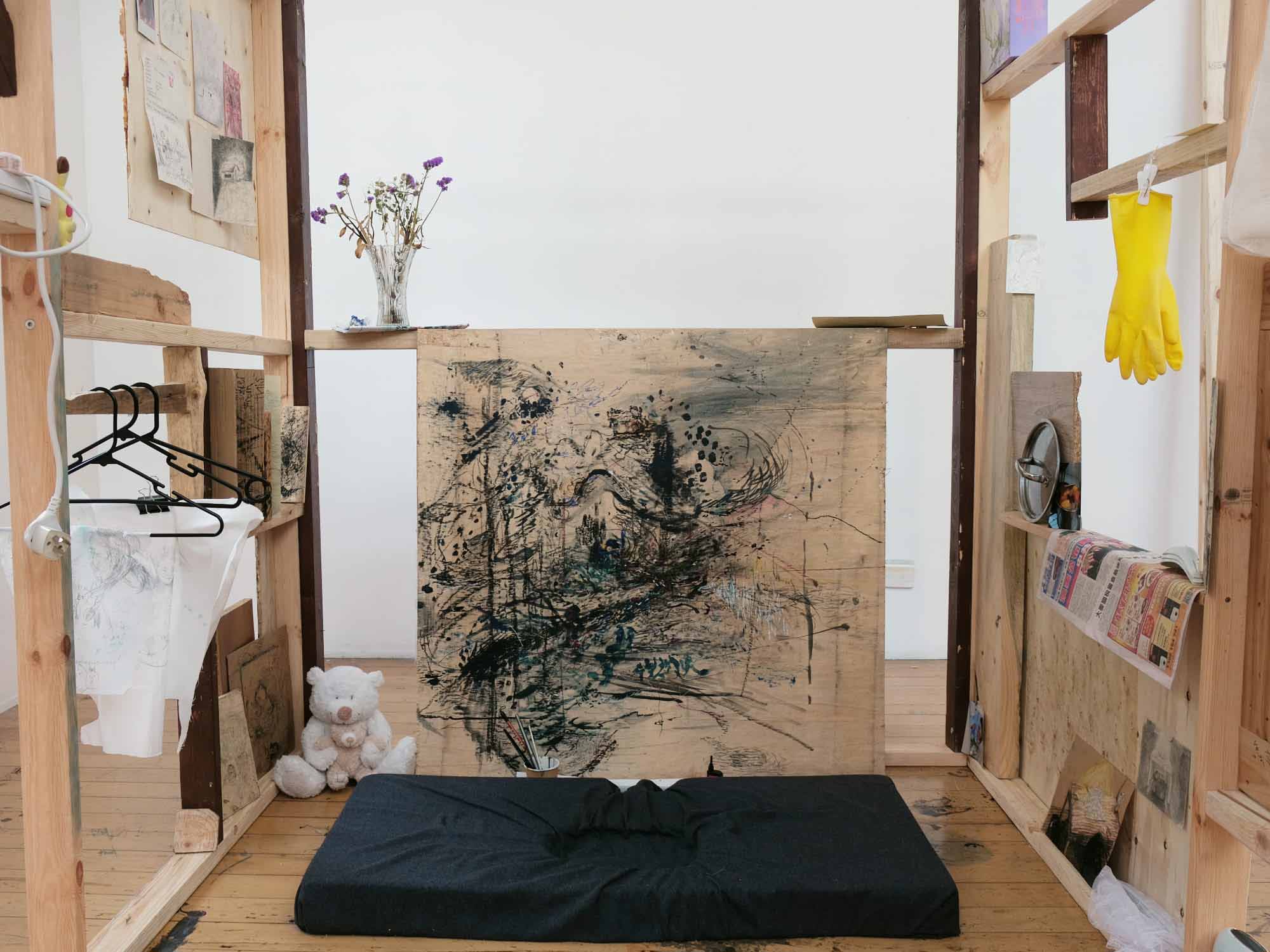
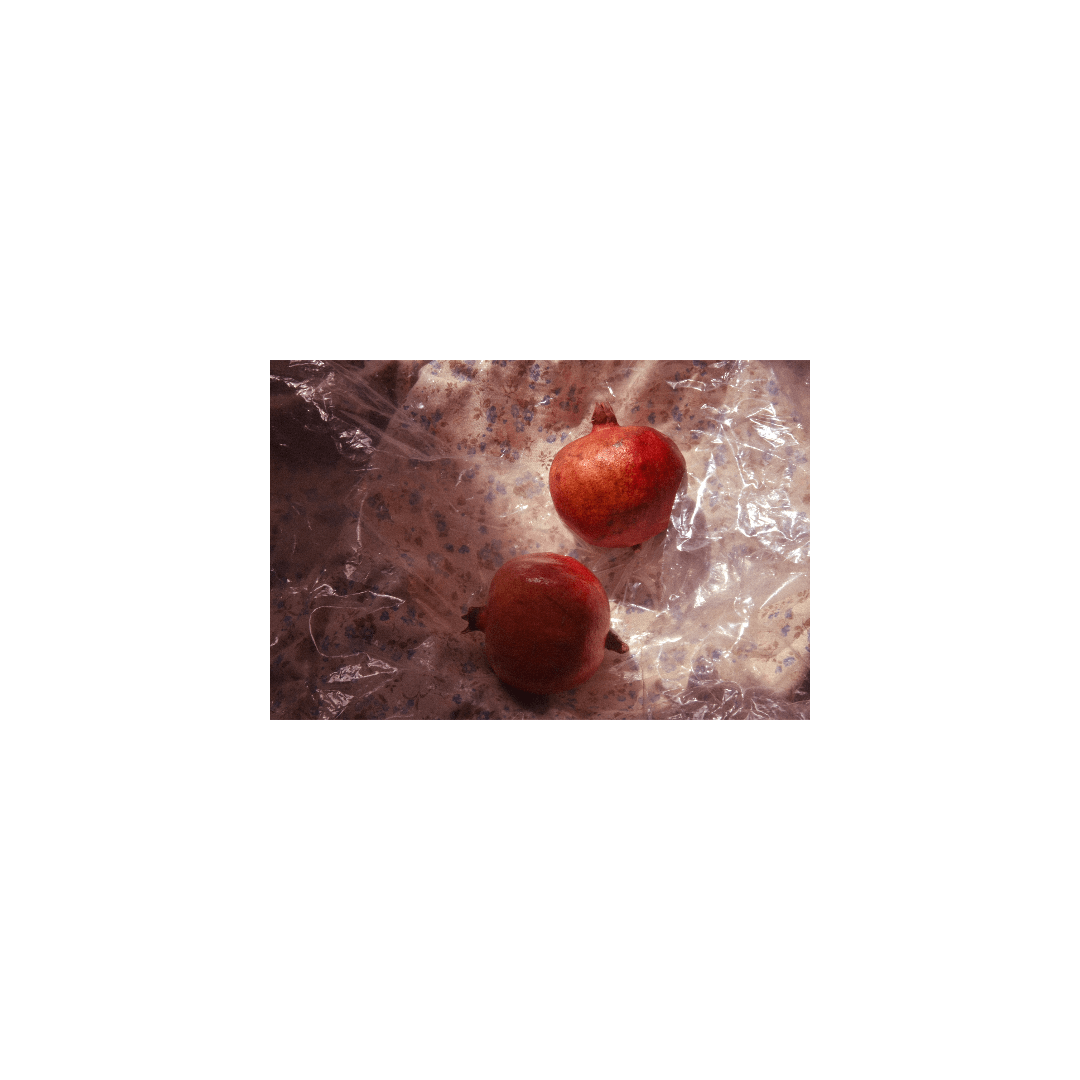
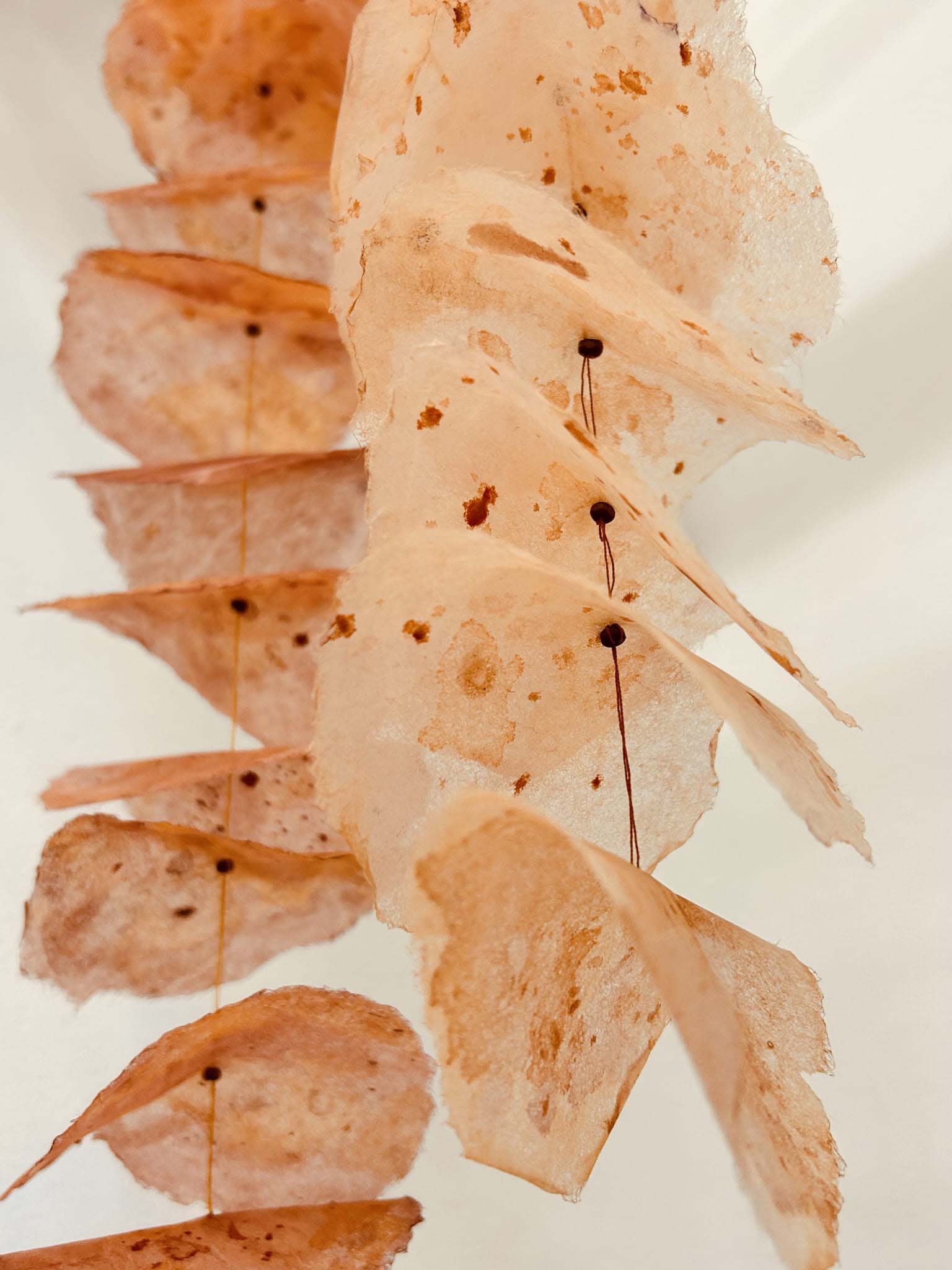
View a sample of work from previous RMIT School of Art Graduate Exhibitions below:

To read the full image descriptions, please click on the individual image above.

Details

Learning and teaching

The degree is designed so that the majority of your time at RMIT is spent in immersive studio experiences. These blocks of intensified face-to-face learning allow you focused time to create and exhibit personal works. 

Dedicated studio spaces with after-hours access facilitate your practice alongside your peers, encouraging you to share ideas and be exposed to a wide range of approaches.  

Specialised workshop facilities will further develop your technical skills using both traditional and contemporary equipment, materials and technology relating to your craft.

Lecturers, technicians, and industry professionals contribute quality content relating to contemporary and historical art practices, theories, cultures and contexts that you can access via the online RMIT Art School platform. 

Assessment methods

In the Bachelor of Fine Arts your assessment will include a combination of folio presentation, project responses, written reflections and critical theory essays.

Learning at RMIT

The types of classes you have will depend on the course you’re studying. Classes are offered in various formats designed to provide meaningful engagement with staff, industry and peers and provide for access and use of spaces where learning can be applied and active, including an array of specialised equipment.

Most RMIT courses do not include passive large-scale classes such as lectures, instead the content traditionally provided in lectures is made available online. This may be in the form of readings, videos or other on-demand learning materials. This content will also support the basis of interactive learning that takes place in on-campus classes.

RMIT Capabilities

The world is constantly changing, and there are universal skills that can help you adapt to the evolving nature of work and global engagement.

As part of your study experience at RMIT, we provide 6 future-focused RMIT Capabilities:

  • Ethical Global Citizens
  • Connected
  • Adaptive
  • Digitally Adept
  • Expert
  • Critically Engaged.

RMIT Capabilities are built into your course as well as some of our extracurricular experiences. They inform the design and delivery of your learning activities and assessments, so by the time you graduate, you’ll be ready to apply these capabilities in your life and work.

RMIT operates multiple public galleries and exhibition spaces that provide formal opportunities for you to integrate hands-on experience into your studies.

In your final year, Fine Art Professional Practice will introduce to employment practices, enterprise formation opportunities and arts industry networks to establish yourself as an independent art practitioner. 

As a result of RMIT’s international connections, students have access to a variety of study tours including Japan, China, Nepal and Europe. International academics and artists feature as guest lecturers and artists-in-residence throughout the year.

As a graduate of Bachelor of Fine Arts, in addition to having honed your creative practice and artistic expertise, you will have the skills and knowledge required to creatively and confidently explore the application of established and emerging technology, tools, processes and materials to your craft.

You will be able to research, examine and apply global, social, cultural, environmental, historical, practical and theoretical knowledge to contextualise and inform your art, developing specialist and interdisciplinary methodologies to establish your practice.

By applying initiative, experimentation, and critical reflection to the development of resolved works, you will be able to engage ethically by positioning your art within locally and globally inclusive perspectives, demonstrating your commitment to diversity, inclusion, and respect.

Your commitment to lifelong learning and independent practice in response to developments in technology, culture and production will allow you to hone your craft further, or establish a vision for future studies that responds to this evolving industry.

What you will study - electives and course plan

Majors are the backbone of the learning experience, enabling you to develop an individual art practice. 

Studio options are offered within each major. These options are thematic and/or focused on a specific  specialisation, allowing a variety of ways for you to discover and develop your own individual art practice. 

Minors allow you to further hone your creative expertise or expand your knowledge from a selection of interdisciplinary options.

Full-time students are expected to attend approximately 12 hours of classes and undertake approximately 24 hours of independent study and research weekly with the majority of classes are delivered during the day.

Discover and develop your skills to assist in the investigation of ideas and creative interpretations.

In the first semester you’ll participate in the Foundation suite, with an introduction to a range of creative strategies, methods, material and digital skills, within the framework of responsible practice.

In the second semester you will be able to choose your minor and enrol in more specialised classes within your major and begin delving into art history and theory.

The subjects you will study will depend on the major that you choose. View plan BP201P26 below to see full details of the subjects included in your degree.

First year structure:

Major Semester 1 Semester 2
2D Studio Practices major
  • 2 x core foundation subjects
  • Foundation Studio
  • 1 x core subject
  • 2D Studio Practices major
  • Minor or program options
3D Studio Practices major
  • 2 x core foundation subjects
  • Foundation Studio
  • 1 x core subject
  • 3D Studio Practices major
  • Minor or program options
Expanded Media Arts major
  • 2 x core foundation subjects
  • Foundation Studio
  • 1 x core subject
  • Expanded Media Arts Studio 1
  • Expanded Media Arts Skills
  • Minor or program options
Photography major
  • 2 x core foundation subjects
  • Foundation Studio
  • 1 x core subject
  • 2 x Photography Major Skills subjects
  • Minor or program options

Experiment within a framework of self-directed projects, supported by courses designed to further your conceptual, technical and critical thinking skills. Student exchange opportunities are available in this year.

Second year structure:

Major Semester 3 Semester 4
2D Studio Practices major
  • 1 x Art Theory subject
  • 2D Studio Practices major
  • Minor or program options
  • 1 x Art Theory subject
  • 2D Studio Practices major
  • Minor or program options
3D Studio Practices major
  • 1 x Art Theory subject
  • 3D Studio Practices Skills
  • 3D Studio Practices Themes
  • Minor or program options
  • 1 x Art Theory subject
  • 3D Studio Practices Skills
  • 3D Studio Practices Themes
  • Minor or program options
Expanded Media Arts major
  • 1 x Art Theory subject
  • Expanded Media Arts Studio 2
  • Expanded Media Arts Skills
  • Minor or program options
  • 1 x Art Theory subject
  • Expanded Media Arts Studio 3
  • Expanded Media Arts Skills
  • Minor or program options
Photography major
  • 1 x Art Theory subject
  • 2 x Photography Major subjects
  • Minor or program options
  • 1 x Art Theory subject
  • 2 x Photography Major subjects
  • Minor or program options

Your third year will primarily focus on an advanced capstone studio project where you will consolidate your learning and develop a body of work at a professional level. 

Parallel with your individual studio project, you will gain an understanding of professional and business practices that relate to being a contemporary artist through the Fine Art Professional Practice subject. You will be introduced to enterprise formation opportunities and arts industry networks to establish yourself as an independent art practitioner. 

Third year structure:

Major Semester 5 Semester 6
2D Studio Practices major
  • 1 x core subject
  • 2D Studio Practices major
  • Minor or program options
  • Fine Arts Capstone Studio
  • Fine Arts Professional Practice
  • Minor or program options
3D Studio Practices major
  • 1 x core subject
  • 3D Studio Practices Skills
  • 3D Studio Practices Themes
  • Minor or program options
  • Fine Arts Capstone Studio
  • Fine Arts Professional Practice
  • Minor or program options
Expanded Media Arts major
  • 1 x core subject
  • Expanded Media Arts Studio 4 
  • Expanded Media Arts Skills
  • Minor or program options
  • Fine Arts Capstone Studio
  • Fine Arts Professional Practice
  • Minor or program options
Photography major
  • 1 x core subject
  • 2 x Photography major subjects
  • Minor or program options
  • Fine Arts Capstone Studio
  • Fine Arts Professional Practice
  • 1 x Minor or program options

Course structure

Choose a plan below to find out more about the subjects you will study and the course structure.

Bachelor of Fine Arts
Program code: BP201

Title
Location
Duration
Plan code
CRICOS
Bachelor of Fine Arts
City Campus
Full-time 3 Years
BP201P26
118025M
Location
City Campus
Duration
Full-time 3 Years
Plan code
BP201P26
CRICOS
118025M
Bachelor of Fine Arts
City Campus
Full-time 3 Years
BP201P26
118025M
Location
City Campus
Duration
Full-time 3 Years
Plan code
BP201P26
CRICOS
118025M

Important information for international students

International student visa holders can only study full-time.

Career

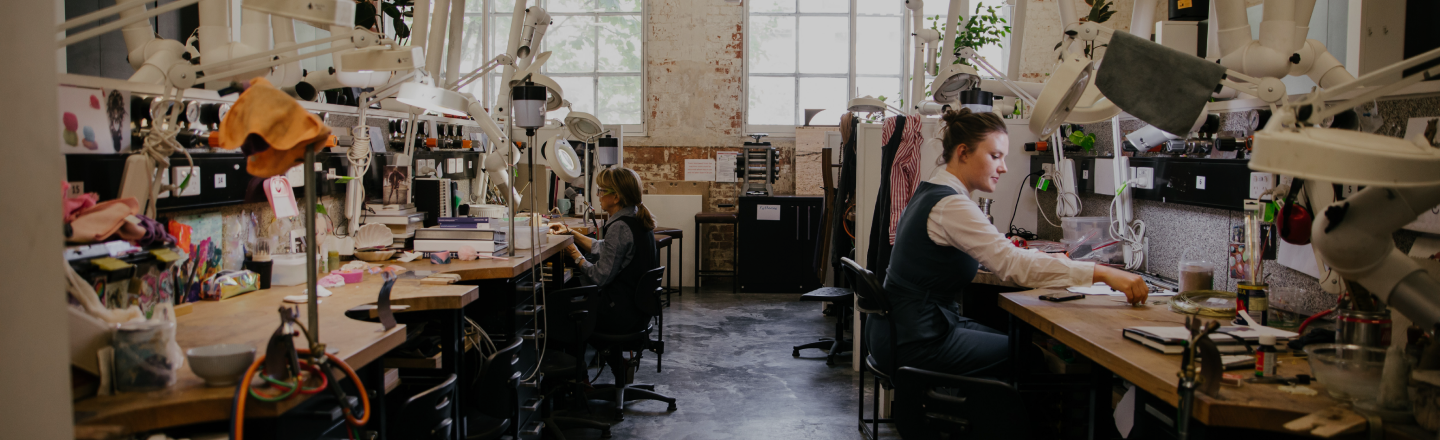
Female student resting arm on desk in studio, surrounded by artwork on walls and desk

Your career in the creative industries

Work in diverse and creative roles such as professional artist, arts manager, technician, gallery director and curator.

Art is a powerful catalyst for social transformation, cultural awareness, and personal expression that drives meaningful change in our communities. Creativity and innovation are essential tools in responding to both local and global challenges, and in 2023-24, the creative industries contributed $41.4 billion to the Victorian economy^ while fostering critical dialogue and engaging increasingly wider and diverse audiences.

Economic contribution

The creative economy contributed $41.2 billion to the Victorian economy in 2023-24.^

Creative impact in Victoria

Currently the creative economy represents a 8.4% share of the total Victorian economy*.

5 year growth

The creative economic contribution has increased at an average annual rate of 3.1% over the last five years^.

Compassionate, imaginative thinking is in demand across major professional fields, like education, entertainment, health, and wellbeing. Artists are increasingly playing important creative roles in these areas with RMIT’s Fine Art graduates making significant contributions to contemporary society nationally and internationally as artists, activists' educators, craftspeople, visual thinkers, cultural advocates and curators.

Many graduates enter careers as:

  • professional artists
  • arts managers, gallery directors or curators
  • creative entrepreneurs
  • arts educators or academics
  • art community and cultural development workers
  • art technicians.

The arts and creative industries continue to grow. Established institutions in Melbourne, including Federation Square, Australian Centre for the Moving Image (ACMI) Australian Centre for Contemporary Art (ACCA) Craft Victoria, and the National Gallery of Victoria (NGV), and an increasing number of commercial and artist-run spaces, provide exciting opportunities for graduates.

^Source: Creative economic contribution report published by Creative Victoria, accessed July 2025. Data sources quoted from Australian Bureau of Statistics, National Institute of Economic and Industry Research, Creative Victoria.

* Figures for total Victorian economy exclude non-industry components of the economy - which is standard practice for industry level economic comparisons. If including non-industrial components (such as tax less subsidies and ownership of dwellings), the creative share of the total Victorian economy is 7.1% (of a total $580.9 billion). Economic contribution is measured in gross value add in billions of dollars. Year change is represented by pa (per annum) and pp (percentage points).

Entry requirements and admissions

You must have successfully completed the Victorian Certificate of Education (VCE) (or equivalent qualification).

Prerequisites

Victorian Certificate of Education (VCE) units 3 and 4:

  • a study score of at least 25 in English other than EAL; or
  • a study score of at least 27 in English as an Additional Language (EAL)

or equivalent studies.

Rankings and adjustment factors

Entry to this program is competitive. Applicants are ranked and selected in order of merit based on the assessment of their selection task.

Selection task

Semester 1, 2026

You must complete and submit the Fine Arts selection task^.  

Applications are assessed in the order that they are received until the selection task date below, if places are still available. 

For your best chance at admission into this program, you are encouraged to apply as early as possible.

^Pathway applicants

Applicants who are applying via one of the RMIT pathways for this degree are required to specify their pathway option by submitting the selection task.

Graduates of RMIT's Associate Degree in Screen and Media Production or Advanced Diploma of Music (Sound Production) are guaranteed entry into the Expanded Media Arts major.

Graduates of RMIT's Diploma of Photography and Digital Imaging are guaranteed entry into the Expanded Media Arts major or Photography major.

Graduates of RMIT's Advanced Diploma of Visual Arts are guaranteed entry into the program but are not guaranteed entry into a major. You are required to submit a selection task to be allocated a major.

Selection task dates

Selection task dates for VTAC applicants

If you are applying via VTAC, you must complete and submit the Fine Arts selection task by one of the dates below to be considered for selection in that VTAC round:

VTAC applicants Register and submit the selection task by
November round (non-Year 12 applicants only)  30 September 2025
December/January rounds 1 (all applicants)  21 November 2025
January round 2/February rounds (if places are available) 6 February 2026
Selection task dates for direct applicants

You must complete and submit your direct application. The link to submit your selection task will appear on the applicant dashboard after you have submitted your application. Please see the Apply page for information on eligibility to apply direct.

Applicant type Register and submit the selection task by
Direct applicants 27 February 2026

Selection task requirements

Outline what you aspire to learn from the fine arts degree (maximum 100 words).

Describe a recent exhibition or art event you have seen. This can include gallery exhibitions, public artworks, live events, theatre, screenings or festivals (maximum 100 words).

Select up to 3 majors in order of preference (see available majors and their respective studios above). You must address each preference in your creative works submission, with work completed in the last 2 years.

Selection into your major preference is competitive so admission into your first major preference is not guaranteed. If successful, applicants will be admitted into only one of their major preferences. If the major preference that you will be admitted in has multiple studio specialisations options, once you start the program, you will choose one studio specialisation within that major preference.

Your selection of creative works may include a combination of documented artworks (in any medium).

For first-year entry applicants, your creative works should demonstrate creative potential, technical ability, capacity to think conceptually and an awareness of art history and/or contemporary practice.

For applicants with prior study in art, craft and design, your creative works should demonstrate creative ability, technical experience, ability to think conceptually and an intermediate knowledge of art history and/or contemporary practice.

Submission instructions

  • Explain the reasons for your first major preference (maximum 100 words). 
  • Provide up to 9 images (maximum file size 2MB), or a URL to your video or sound work on YouTube, Vimeo or SoundCloud (maximum total duration 10 minutes). The images should address all of your 3 major preferences.
  • If your work is a collaboration, please also detail clearly and precisely your specific role and the role of the collaborator/s (maximum 200 words). 

Upload one image, sound or video work you have completed in the last 2 years. Discuss the ideas, influences and processes that informed the work (maximum 100 words).

Submission instructions

  • Do not include work you already submitted in your submission of creative works above.
  • Image files must be formatted as JPEG (maximum 2MB) or provide a link to video or sound work on YouTube, Vimeo or SoundCloud (maximum 5 minutes).
  • If your work is a collaboration, please also detail clearly and precisely your specific role and the role of the collaborator/s (maximum 200 words).

If you have used AI to generate artworks, images or texts in your selection task submission, please describe where this occurs and what AI tools were used (maximum 100 words).

Folio presentation (some applicants)

Some applicants will be selected based on their selection task and will not be required to attend a folio presentation. If further information is needed to make a selection decision, you will be invited to a folio presentation. 

Folio presentations will be held from September (VTAC November round) and October/November (VTAC December/January round 1). 

For all subsequent rounds and direct applicants, folio presentations will be arranged after you have submitted your selection task.

An advisory letter indicating the outcome of your selection task will be sent from October (VTAC November round) and from November/December (VTAC December/January round 1). For all subsequent rounds, the selection task will be assessed after you have submitted it.

For Direct applicants, your application outcome will be sent from September.

Semester 2, 2026

This degree is not available for midyear (semester 2) application.

Selection criteria by applicant type

Please select the highest level of education you have or will be completing in order to find out the selection criteria that applies to you, in addition to meeting the above entry requirements.

You must have successfully completed an Australian Year 12 (or equivalent senior secondary school) qualification.

Adjustment factors available only to applicants currently studying Year 12

School Network Access Program (SNAP)

The SNAP access scheme is designed to increase tertiary participation by giving priority access to RMIT diploma and degree programs to eligible applicants currently studying Year 12 at a SNAP partner school.

Adjustment factors available only to applicants currently studying Year 12 or whose highest qualification is a completed Year 12.

Equity access schemes

  • Equity access schemes take into account personal information and location, difficult family and life circumstances, financial hardship and living with a disability or medical condition that may have impacted on an applicant's most recent academic performance.
  • Find out more about the eligibility requirements for each VTAC Equity schemes and scholarships and RMIT access categories.
  • If you are applying through VTAC you should apply for the Equity schemes and scholarships.
  • If you are applying directly to RMIT you should apply for RMIT Access. The system will prompt you to do this during your application.

Elite Athlete Program

The RMIT Elite Athlete Program supports eligible elite and emerging athletes to achieve sporting and academic excellence, allowing students to balance the demands of both their studies and their athletic responsibilities.

Aboriginal and Torres Strait Islander peoples

The Indigenous Access Program supports your application to RMIT through an informal interview process where you will receive help from the Ngarara Willim Centre. Additional consideration will be given if you have relevant life, work, education or training experience.

You must have successfully completed an Australian Certificate IV or above (or equivalent).

Skills for Tertiary Admissions Test (STAT)

You may satisfy the academic requirements by completing the STAT multiple choice and achieving a minimum overall score of 156.

Your STAT results are valid for two years prior to the commencement of study.

If you are applying to RMIT as an applicant with vocational education and training study, you may sit the STAT multiple choice if you:

  • are 19 years of age or over as of 1 January in the year in which you will start your studies and
  • have not been enrolled in secondary studies for at least two years and
  • have no prior secondary school (Year 12), VET studies, HE studies or relevant work experience that can be considered for entry, or these do not meet the minimum academic requirements for the program.

You are still required to meet all other program prerequisites or equivalents.

Learn more about the STAT and STAT results.

You may be eligible for the following adjustment factors:

Equity access schemes

  • Equity access schemes take into account personal information and location, difficult family and life circumstances, financial hardship and living with a disability or medical condition that may have impacted on an applicant's most recent academic performance.
  • Find out more about the eligibility requirements for each VTAC Equity schemes and scholarships and RMIT access categories.
  • If you are applying through VTAC you should apply for the Equity schemes and scholarships.
  • If you are applying directly to RMIT you should apply for RMIT Access. The system will prompt you to do this during your application.

Elite Athlete Program

The RMIT Elite Athlete Program supports eligible elite and emerging athletes to achieve sporting and academic excellence, allowing students to balance the demands of both their studies and their athletic responsibilities.

Aboriginal and Torres Strait Islander peoples

The Indigenous Access Program supports your application to RMIT through an informal interview process where you will receive help from the Ngarara Willim Centre. Additional consideration will be given if you have relevant life, work, education or training experience.

You must have successfully completed at least two courses (subjects) in an Australian bachelor degree or four courses (subjects) in an Australian associate degree, or overseas equivalent. 

Skills for Tertiary Admissions Test (STAT)

You may satisfy the academic requirements by completing the STAT multiple choice and achieving a minimum overall score of 156.

Your STAT results are valid for two years prior to the commencement of study.

If you are applying to RMIT as an applicant with higher education study, you may sit the STAT multiple choice if you:

  • are 19 years of age or over as of 1 January in the year in which you will start your studies and
  • have not been enrolled in secondary studies for at least two years and
  • have no prior secondary school (Year 12), VET studies, HE studies or relevant work experience that can be considered for entry, or these do not meet the minimum academic requirements for the program.

You are still required to meet all other program prerequisites or equivalents.

Learn more about the STAT and STAT results.

You may be eligible for the following adjustment factors:

Equity access schemes

  • Equity access schemes take into account personal information and location, difficult family and life circumstances, financial hardship and living with a disability or medical condition that may have impacted on an applicant's most recent academic performance.
  • Find out more about the eligibility requirements for each VTAC Equity schemes and scholarships and RMIT access categories.
  • If you are applying through VTAC you should apply for the Equity schemes and scholarships.
  • If you are applying directly to RMIT you should apply for RMIT Access. The system will prompt you to do this during your application.

Elite Athlete Program

The RMIT Elite Athlete Program supports eligible elite and emerging athletes to achieve sporting and academic excellence, allowing students to balance the demands of both their studies and their athletic responsibilities.

Aboriginal and Torres Strait Islander peoples

The Indigenous Access Program supports your application to RMIT through an informal interview process where you will receive help from the Ngarara Willim Centre. Additional consideration will be given if you have relevant life, work, education or training experience.

Entry to this program is competitive. Applicants are ranked and selected in order of merit based on their academic achievement, e.g., Skills for Tertiary Admissions Test (STAT) score (including any adjustment factors).

You must have successfully completed the Victorian Certificate of Education (VCE) (or equivalent qualification) and meet the stated prerequisites.

You may satisfy the academic requirements by completing the STAT multiple choice.

Skills for Tertiary Admissions Test (STAT)

You may satisfy the academic requirements by completing the STAT multiple choice and achieving a minimum overall score of 156.

Your STAT results are valid for two years prior to the commencement of study.

If you are applying to RMIT as an applicant with work and life experience, you may sit the STAT multiple choice if you:

  • are 19 years of age or over as of 1 January in the year in which you will start your studies and
  • have not been enrolled in secondary studies for at least two years and
  • have no prior secondary school (Year 12), VET studies, HE studies or relevant work experience that can be considered for entry, or these do not meet the minimum academic requirements for the program.

You are still required to meet all other program prerequisites or equivalents.

Learn more about the STAT and STAT results.

You may be eligible for the following adjustment factors:

Equity access schemes

  • Equity access schemes take into account personal information and location, difficult family and life circumstances, financial hardship and living with a disability or medical condition that may have impacted on an applicant's most recent academic performance.
  • Find out more about the eligibility requirements for each VTAC Equity schemes and scholarships and RMIT access categories.
  • If you are applying through VTAC you should apply for the Equity schemes and scholarships.
  • If you are applying directly to RMIT you should apply for RMIT Access. The system will prompt you to do this during your application.

Elite Athlete Program

The RMIT Elite Athlete Program supports eligible elite and emerging athletes to achieve sporting and academic excellence, allowing students to balance the demands of both their studies and their athletic responsibilities.

Aboriginal and Torres Strait Islander peoples

The Indigenous Access Program supports your application to RMIT through an informal interview process where you will receive help from the Ngarara Willim Centre. Additional consideration will be given if you have relevant life, work, education or training experience.

Additional information

Non-academic abilities you'll need to complete this course

The following information outlines the tasks you will be required to undertake during professional experience placement and on-campus learning activities.

The non-academic abilities listed are provided for your information only and are not entry requirements.

By understanding the types of activities you'll participate in, you can:

  • understand more about the program
  • determine if you may need support during your studies
  • make an informed decision about whether the program is suitable for you.

Adjustments

If there are any activities outlined which may be difficult for you to undertake, there is a range of adjustments to your study conditions available to enable and support you to demonstrate these abilities.

Please contact the Equitable Learning Services (ELS) team to discuss any adjustments you may require. To receive learning adjustments, you need to register with ELS.

If you are living with disability, long-term illness and/or a mental health condition, we can support you by making adjustments to activities in your program so that you can participate fully in your studies.

The University considers the wellbeing and safety of all students, staff and the community to be a priority in academic and professional experience placement settings.

Art and Design application tips

View the following videos for some practical application advice:

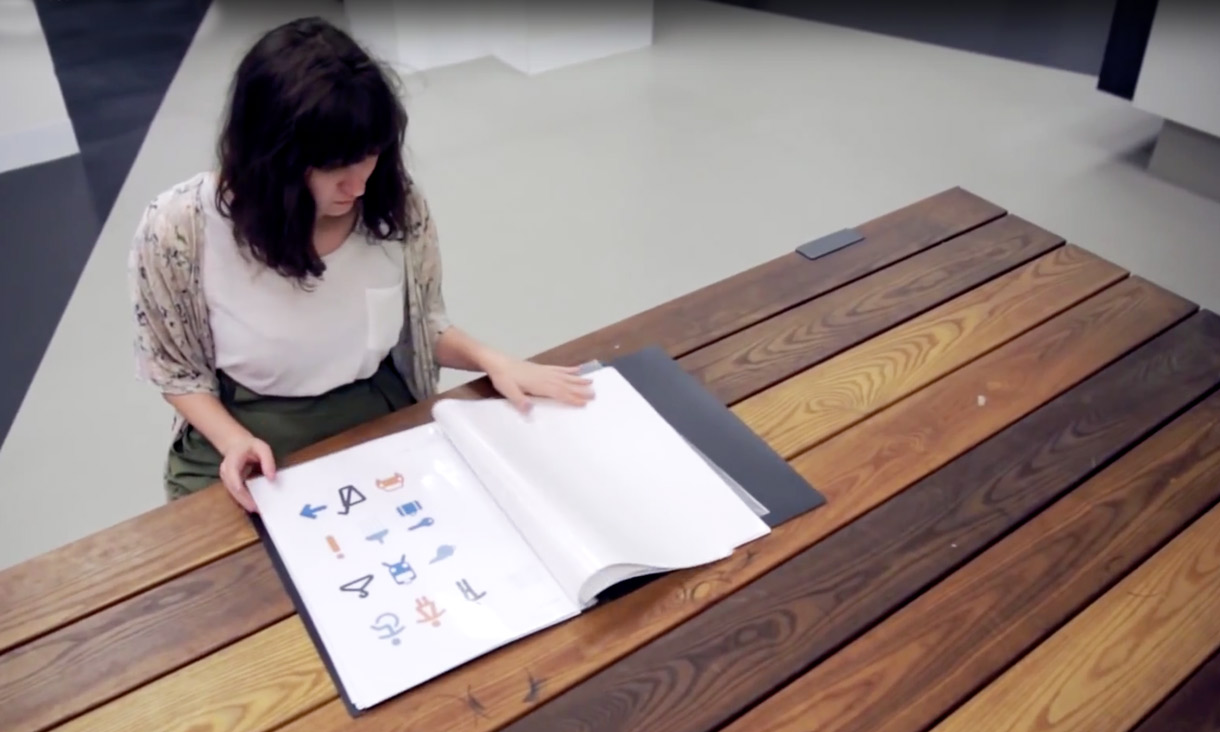
Female student looking at an art folio

Applying for Art and Design courses

Here's some advice for preparing folios and pre-selection kits to help make the process easier.

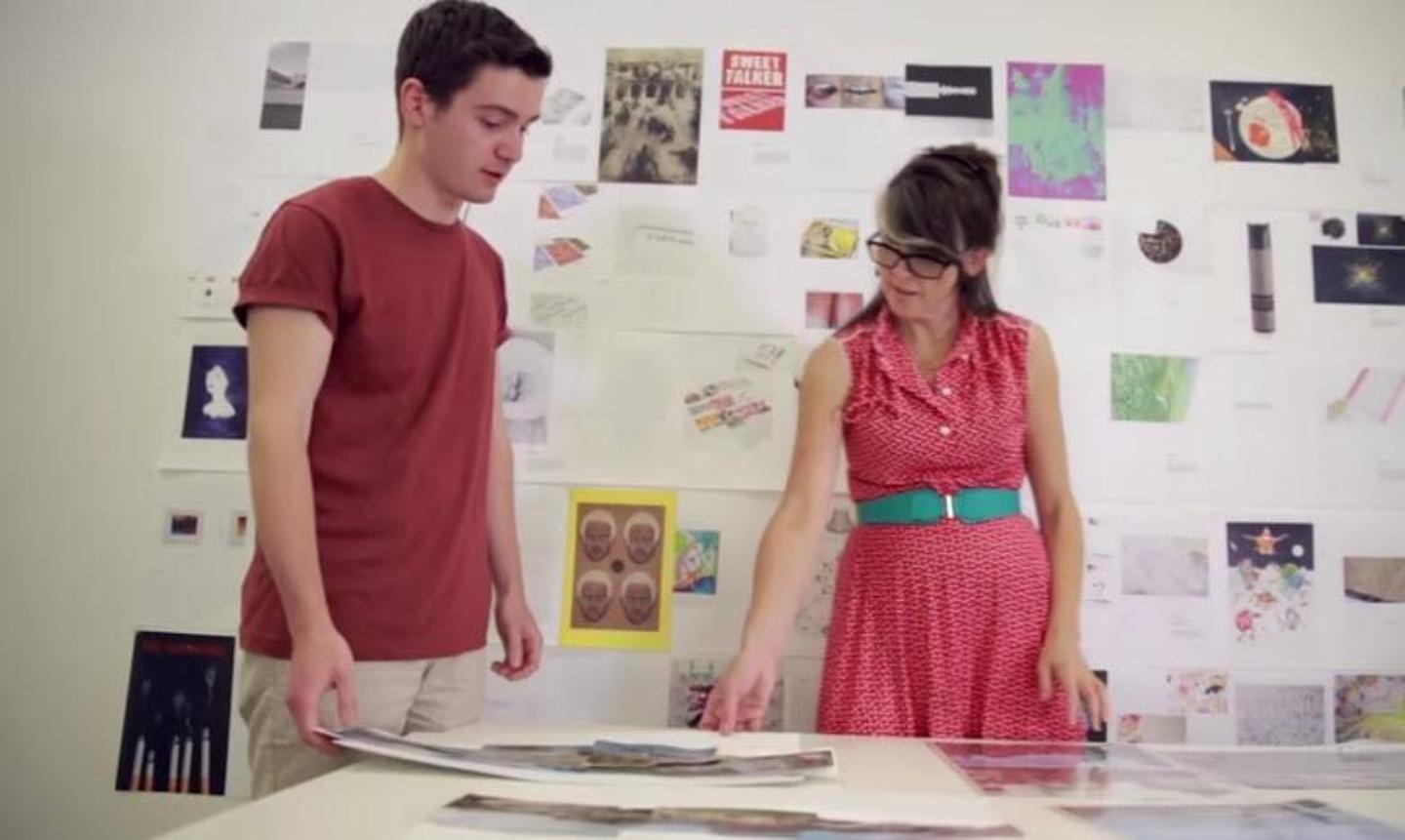
two students looking at artwork

Art and design selection interviews

Wondering how an art and design selection interview works? Here's everything you need to know.

View the ATAR profile and selection rank from students offered a place into this course wholly or partly on the basis of ATAR in the most relevant recent intake period.

The student profile provides insight into the likely peer group for this course.

*ATAR refers to the lowest selection rank to which an offer was made (including consideration of any adjustments) for current and recent Year 12 applicants.

RMIT is committed to providing transparency to the admissions process. In line with this commitment, we provide you with information that will help in making informed choices about your undergraduate study options. Find out more about admission to RMIT.

You need to satisfy all of the following requirements to be considered for entry into this course.

You must have successfully completed a qualification recognised by RMIT as equivalent to the Victorian Certificate of Education (VCE) with a minimum average of 65% (see calculator below).

Equivalent qualifications may also include completion of the RMIT Foundation Studies course or a recognised post secondary diploma in the relevant discipline with the required grades.

Meeting the minimum academic requirements does not guarantee entry. Your application will still need to be assessed and accepted.

If you are applying for July intake, you must have successfully completed one semester in an art, craft or design bachelor degree within 10 years of the program commencement date.

Entry score calculator
Minimum Score Required

Don’t meet the requirements?

ATAR information for international students studying year 12 in Australia

If you are an international student studying year 12 in Australia, you may be able to apply via VTAC with your ATAR.

Find information about the ATAR selection rank* for this course in our ATAR for International students course finder.

*ATAR refers to the lowest selection rank to which an offer was made (including consideration of any adjustments) for current and recent Year 12 applicants.

RMIT is committed to providing transparency to the admissions process. In line with this commitment, we provide you with information that will help in making informed choices about your undergraduate study options. Find out more about admission to RMIT.

There are no prerequisite subjects required for entry into this qualification.

All applicants are required to complete and submit a selection task for this program. See below for full selection task details.

To study this course you will need to complete one of the following English proficiency tests:

  • IELTS (Academic): minimum overall band of 6.5 (with no individual band below 6.0)
  • TOEFL (Internet Based Test - IBT): minimum overall score of 79 (with minimum of 13 in Reading, 12 in Listening, 18 in Speaking and 21 in Writing)

  • Pearson Test of English (Academic) (PTE (A)): minimum score of 58 (with no communication band less than 50)
  • Cambridge English: Advanced (CAE): minimum of 176 with no less than 169 in any component.

Note: RMIT does not accept scores from 'at-home' or 'online' testing.

For detailed information on English language requirements and other proficiency tests recognised by RMIT, visit English language requirements and equivalency information.

Don't meet the English language test scores? Complete an English for Academic Purposes (EAP) Advanced Plus at RMIT University Pathways (RMIT UP).

Selection task

Semester 1, 2026

You must complete and submit the Fine Arts selection task by one of the dates below to be considered for selection in that VTAC round:

Selection task dates

VTAC applicants Register and submit the selection task by
December/January rounds 1 (all applicants)  21 November 2025
January round 2/February rounds (if places are available) 6 February 2026

Selection task requirements

You are required to provide the following:

  • A statement outlining what you aspire to learn from the fine arts degree (maximum 100 words).
  • A description of a recent exhibition or art event you have seen. This can include gallery exhibitions, public artworks, live events, theatre, screenings or festivals (maximum 100 words).
  • For you to select up to 3 majors in order of preference (see available majors and their respective studios above). Selection into your major preference is competitive so admission into your first major preference is not guaranteed. If successful, applicants will be admitted into only one of their major preferences. If the major preference that you will be admitted in has multiple studio specialisations options, once you start the program, you will choose one studio specialisation within that major preference.
  • An explanation of your reasons for your first major preference (maximum 100 words).
  • A selection of creative works that addresses your major preferences. You must address each preference in your creative works submission, with work completed in the last 2 years. Your selection of creative works may include a combination of documented artworks (in any medium) and should demonstrate creative potential, technical ability, capacity to think conceptually and awareness of art history and/or contemporary practice. You may provide up to 9 images (maximum file size 2MB), or a URL to your video or sound work on YouTube, Vimeo or SoundCloud (maximum total duration 10 minutes). The images should address all of your 3 major preferences. If your work is a collaboration, please also detail clearly and precisely your specific role and the role of the collaborator/s (maximum 200 words).
  • One additional image, sound or video work, you have completed in the last 2 years. Discuss the ideas, influences and processes that informed the work (maximum 100 words). Do not include work you already submitted in your submission of creative works above. Image files must be formatted as JPEG (maximum 2MB) or provide a link to video or sound work on YouTube, Vimeo or SoundCloud (maximum 5 minutes). If your work is a collaboration, please also detail clearly and precisely your specific role and the role of the collaborator/s (maximum 200 words).
  • If you have used Artificial Intelligence (AI) tools to generate artworks, images or texts in your selection task submission, please describe where this occurs and what AI tools were used (maximum 100 words).

Folio presentation (some applicants)

Some applicants will be selected based on their selection task and will not be required to attend a folio presentation. If further information is needed to make a selection decision, you will be invited to a folio presentation. 

Folio presentations will be held from October/November (VTAC December/January Round 1).

For all subsequent rounds, folio presentations will be arranged after you have submitted your selection task.

Advisory letters indicating the outcome of your selection task will be sent from November/December.

Art and Design application tips

View the following videos for some practical application advice:

Female student looking at an art folio

Applying for Art and Design courses

Here's some advice for preparing folios and pre-selection kits to help make the process easier.

two students looking at artwork

Art and design selection interviews

Wondering how an art and design selection interview works? Here's everything you need to know.

Selection task: You are required to submit a completed selection task along with your application.

Folio presentation: If further information is needed to make a selection decision, you will be invited to attend a folio presentation. This can be conducted in person or via video call.

Additional information

Non-academic abilities you'll need to complete this course

The following information outlines the tasks you will be required to undertake during professional experience placement and on-campus learning activities.

The non-academic abilities listed are provided for your information only and are not entry requirements.

By understanding the types of activities you'll participate in, you can:

  • understand more about the program
  • determine if you may need support during your studies
  • make an informed decision about whether the program is suitable for you.

Adjustments

If there are any activities outlined which may be difficult for you to undertake, there is a range of adjustments to your study conditions available to enable and support you to demonstrate these abilities.

Please contact the Equitable Learning Services (ELS) team to discuss any adjustments you may require. To receive learning adjustments, you need to register with ELS.

If you are living with disability, long-term illness and/or a mental health condition, we can support you by making adjustments to activities in your program so that you can participate fully in your studies.

The University considers the wellbeing and safety of all students, staff and the community to be a priority in academic and professional experience placement settings.

Pathways and further study

A pathway is an alternative way to get into a course. RMIT's pathways can help you move through different levels of study to reach the qualification you're aiming for, even if you don't meet the requirements for your destination course.

Pathways into the Bachelor of Fine Arts

This course has pathways available.

Further study

When you successfully complete this degree, you may be eligible for entry into an RMIT Honours or Postgraduate degree.

You are guaranteed entry into the Bachelor of Fine Arts when you successfully complete one of the following programs:

  • Diploma of Photography and Digital Imaging – you will receive 2 semesters of credit (equivalent to 96 credit points) into the Photography Major or Expanded Media Arts Major
    • completion of the Diploma does not guarantee entry and credit exemptions to the other majors in the Bachelor of Fine Arts.
  • Advanced Diploma of Visual Arts - you will receive 2 semesters of credit (equivalent to 96 credit points) into any major
    • entry into a specific Major in the Bachelor of Fine Arts is not guaranteed. You will be required to nominate your major preferences and submit a folio selection task relevant to your major preferences. As entry to Majors are competitive, first preference may not always be possible. Entry into the Bachelor of Fine Arts via this pathway is only available for the February intake.
  • Associate Degree in Screen and Media Production – you will receive 2 semesters of credit (equivalent to 96 credit points) into the Expanded Media Arts Major
    • completion of the Associate Degree does not guarantee entry and credit exemptions to the other majors in the Bachelor of Fine Arts.

Alternatively, you can gain entry from RMIT Foundation Studies or a range of vocational study programs.

Coming from a partner institution?

RMIT has pathway arrangements with many partner institutions around the world.

If your institution has a pathway arrangement with RMIT you may be able to receive credit and reduce the time it will take to complete your preferred RMIT program.

Find out if your institution has a pathway arrangement with RMIT

If you have qualifications from an institution that is not an RMIT partner, credit into your RMIT program will be assessed on a case-by-case basis.

When you successfully complete this program, you may be eligible for entry into an RMIT Honours or Postgraduate degree.

Credit and recognition of prior learning

Credit, recognition of prior learning, professional experience and accreditation from a professional body can reduce the duration of your study by acknowledging your earlier, relevant experience.

Credit and exemptions will be assessed consistent with the principles of the RMIT Credit Policy.

Credit may reduce the duration of your study by acknowledging your earlier, relevant study experience.

When you are submitting an application, please indicate that you want to be considered for credit and provide detailed course syllabus (also known as course outline), outlining volume of learning, course content and weekly topics, learning objectives/outcomes, assessment types and their weightings, and reference to the learning resources such as prescribed textbooks and recommended readings.

Fees

2026 indicative fees

In 2026, the annual student contribution amount (tuition fee) you will pay for a standard year of full-time study is between AU$4,738 to AU$17,399.

Additional expenses

  • Student services and amenities fee (SSAF): AU$373 maximum fee for 2026.
  • Other items related to your program, including field trips, textbooks and equipment.

Annual fee adjustment

Amounts quoted are indicative fees per annum, and are based on a standard year of full-time study (96 credit points). A proportionate fee applies for more or less than the full-time study load.

Fees are adjusted on an annual basis and these fees should only be used as a guide.

Defer your payment

You may be eligible to apply for a HECS-HELP loan, which can be used to defer payment of up to the full amount of your student contribution fees. You may also be eligible to apply to defer payment of your SSAF through the SA-HELP loan scheme.

Learn more about fees for undergraduate study.

Paying your fees and applying for refunds

For information on how to pay your fees or how to apply for a refund, please see Paying your fees and applying for refunds.

If you are offered a Commonwealth supported place, your tuition fees are subsidised by the Australian Government.

Your share of the fee (student contribution) is set on an annual basis by the government and is determined by the discipline areas (bands) of your individual enrolled courses, not the overall program.

How much can I expect to pay for my Commonwealth supported place?

The Australian Government has introduced changes to university funding and student contribution fees under its Job-ready Graduates Package

The fees in the table below apply to students who commence their program in 2026. Fees for continuing students are available at fees for Commonwealth supported students.

Each course (subject) falls into a band. The band determines the student contribution amount for the course.

Amounts listed in the table below are based on a standard, full-time study load (96 credit points per year) with all courses in the same band. A proportionate fee applies for more or less than the full-time study load or for enrolment in courses (subjects) from a combination of bands.

You can learn how to calculate your exact tuition fees for units from different bands at Fees for Commonwealth supported students.

Maximum student contribution amount for Commonwealth supported places in 2026 for commencing students

Student contribution band by course (subject)

Maximum annual student contribution amount (per EFTSL) in 2026

Education, Postgraduate Clinical Psychology, English, Mathematics, Statistics, Nursing, Indigenous and Foreign Languages, Agriculture $4,738 per standard year
$592 per standard (12 credit point) course
Allied Health, Other Health, Built Environment, Computing, Visual and Performing Arts, Professional Pathway Psychology, Professional Pathway Social Work, Engineering, Surveying, Environmental Studies, Science, Pathology $9,537 per standard year
$1,192 per standard (12 credit point) course
Dentistry, Medicine, Veterinary Science $13,558 per standard year
$1,694 per standard (12 credit point) course
Law, Accounting, Administration, Economics, Commerce, Communications, Society and Culture $17,399 per standard year
$2,174 per standard (12 credit point) course

Student Learning Entitlement

On 1 January 2022, the Government implemented the Student Learning Entitlement (SLE).

  • The SLE allows students 7 years of full-time subsidised study in Commonwealth Supported Places (CSP).
  • Your total SLE amount will be reduced in accordance with your overall study load in a CSP. 
  • Once you have utilised all your SLE, you can no longer study in a CSP.

HECS-HELP Loans

The Australian Government provides financial assistance via the HECS-HELP loan scheme, which allows eligible students (such as Australian citizens or holders of an Australian permanent humanitarian visa) to defer payment of up to the full amount of their student contribution.

SA-HELP Loans

You may be eligible to apply to defer payment of the Student services and amenities fee (SSAF) through the SA-HELP loan scheme. If you use SA-HELP, the amount will be added to your accumulated HELP debt.

How does a HELP loan work?

If your FEE-HELP and/or SA-HELP loan application is successful, the Australian Government will pay RMIT, on your behalf, up to 100% of your fees. This amount will become part of your accumulated HELP debt.

You only start repaying your accumulated HELP debt to the Australian Government once you earn above the minimum income threshold for repayment, which is set each year by the Australian Government (this also applies if you are still studying). The Australian Taxation Office (ATO) will calculate your compulsory repayment for the year and include this on your income tax notice.

For more information about loan repayment options see Commonwealth assistance (HELP loans) or Study Assist.

In addition to tuition fees, you will be charged an annual student services and amenities fee (SSAF), which is used to maintain and enhance services and amenities that improve your experience as an RMIT student.

The SSAF is calculated based on your enrolment load and the maximum fee for 2026 is $373.

You may also be required to purchase other items related to your course, including field trips, textbooks and equipment. These additional fees and expenses vary from course to course.

In addition to tuition fees you also need to pay for:

You also need to account for your living expenses. Estimate the cost of living in Melbourne.

Student services and amenities fee (SSAF)

In addition to tuition fees, you will be charged an annual student services and amenities fee (SSAF), which is used to maintain and enhance services and amenities that improve your experience as an RMIT student.

The SSAF is calculated based on your enrolment load and the maximum fee for 2026 is $373. 

Find out more details about how fees are calculated and the expected annual increase.

Applying for refunds

Find information on how to apply for a refund as a continuing international student.

Scholarships

Check your eligibility for a scholarship

RMIT awards more than 2000 scholarships every year to recognise academic achievement and assist students from a variety of backgrounds.

Check your eligibility for a scholarship

RMIT awards more than 2000 scholarships every year to recognise academic achievement and assist students from a variety of backgrounds.

Frequently Asked Questions (FAQs)

Looking for answers or more general information?

Use our Frequently Asked Questions to learn about the application process and its equity access schemes, find out how to accept or defer your offer or request a leave of absence, discover information about your fees, refunds and scholarships, and explore the various student support and advocacy services, as well as how to find out more about your preferred program, and more.

aboriginal flag float-start torres strait flag float-start

Acknowledgement of Country

RMIT University acknowledges the people of the Woi wurrung and Boon wurrung language groups of the eastern Kulin Nation on whose unceded lands we conduct the business of the University. RMIT University respectfully acknowledges their Ancestors and Elders, past and present. RMIT also acknowledges the Traditional Custodians and their Ancestors of the lands and waters across Australia where we conduct our business - Artwork 'Sentient' by Hollie Johnson, Gunaikurnai and Monero Ngarigo.

More information