The Bachelor of Photography is a scholarly course that brings together technical expertise, critical engagement, professional practice and ethical judgement.
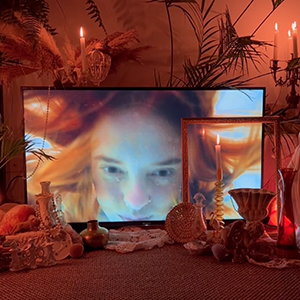
You'll be challenged to produce work that responds to critical discourses in both local and global contexts by exploring emerging technologies, while also analysing and integrating their relevance to your own image-making.
Photographic practice and professions take many forms. After learning foundational skills in your first semester, you'll choose an area of specialisation, with the flexibility to explore subjects outside of your discipline area.
Your learning will be structured through project-driven subjects that integrate and develop your theoretical, practical and professional knowledge. As you move through the degree you will increasingly direct your own learning and produce photographic projects inline with your major specialisation.
Find out about RMIT’s Photography programs and facilities within the School of Art. Our photography discipline is the longest running and only stand-alone discipline in Australia.
Develop your skills in contemporary photographic production processes, within studio learning environments.
Connect with industry through project-based learning, competitions and work placements.
Expand your creative horizons and build your network by studying overseas for a semester.
In the Bachelor of Photography at RMIT you have the choice to major in:
You're also able to minor in one of the above areas.
Alternatively, you can take a minor from other subjects in the School of Art and interdisciplinary school minors. In addition, there is a further selection of electives that you can choose to study depending on your interest and their availability.
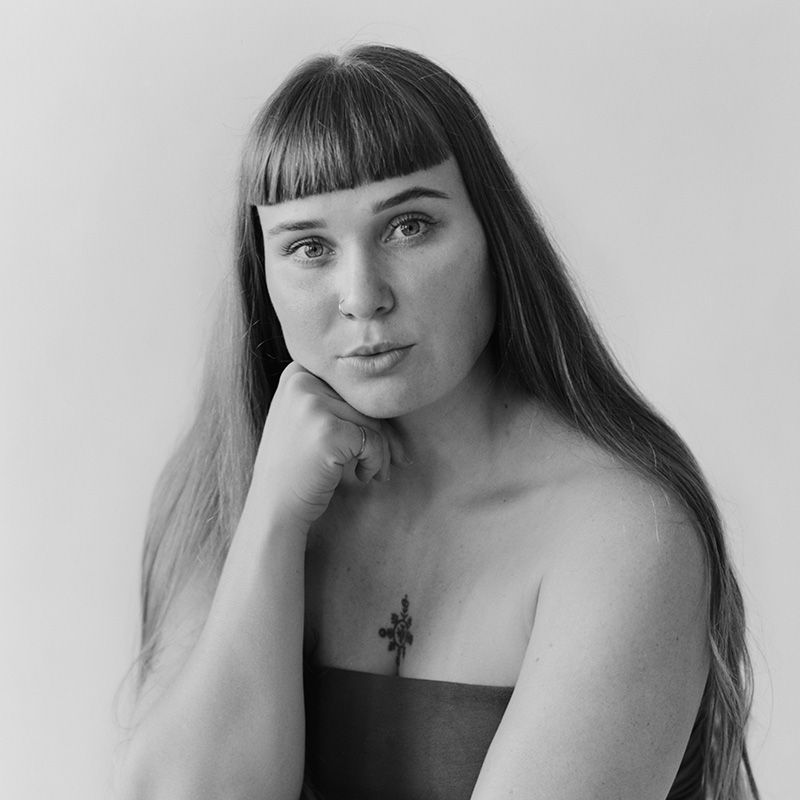
The Bachelor of Photography helped me to understand where I wanted to take my creative practice and gave me the confidence to pursue my goals. The dedicated support and encouragement I received from staff was one of the most meaningful parts of the degree and assisted me in preparing for my future as a photographic artist.
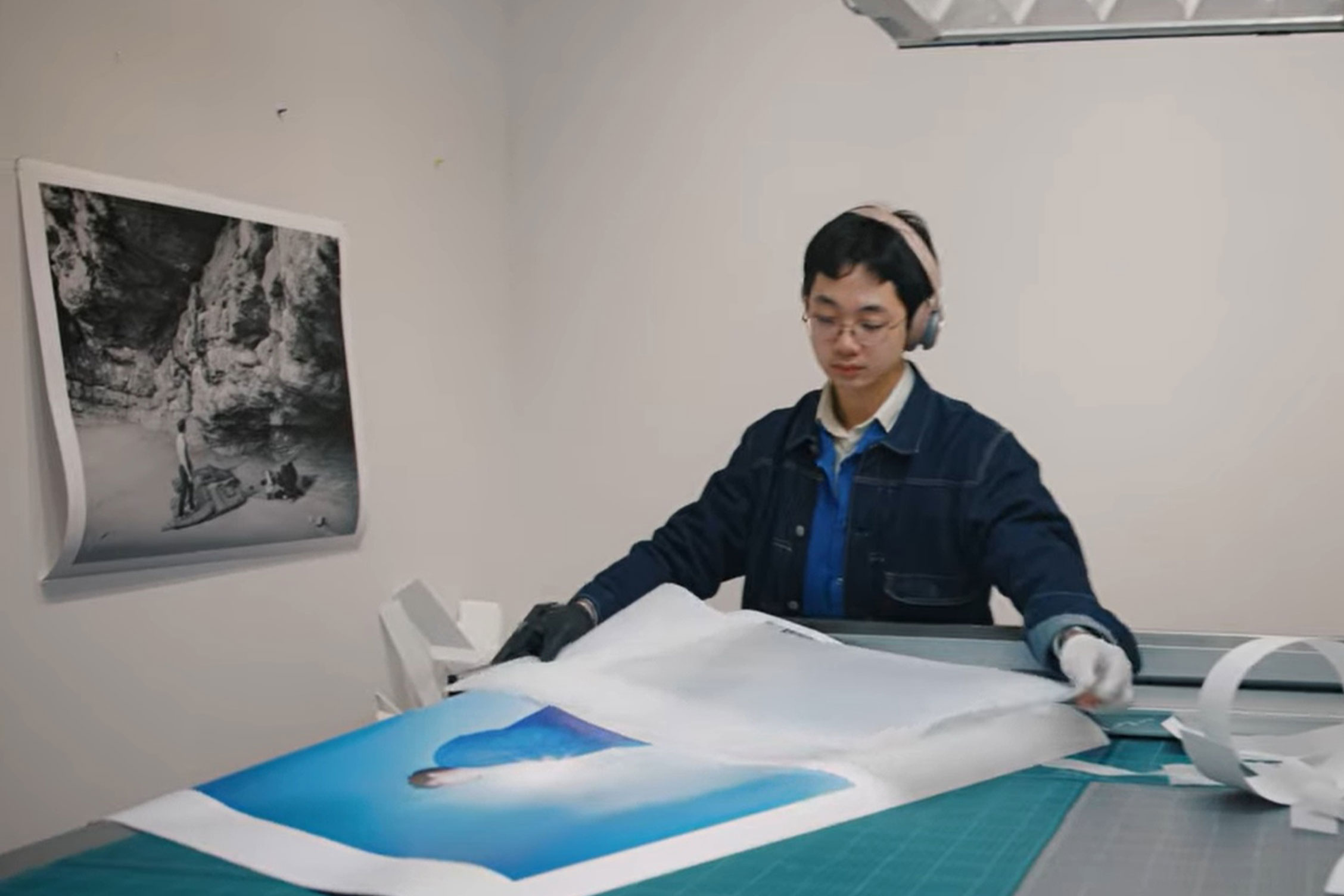
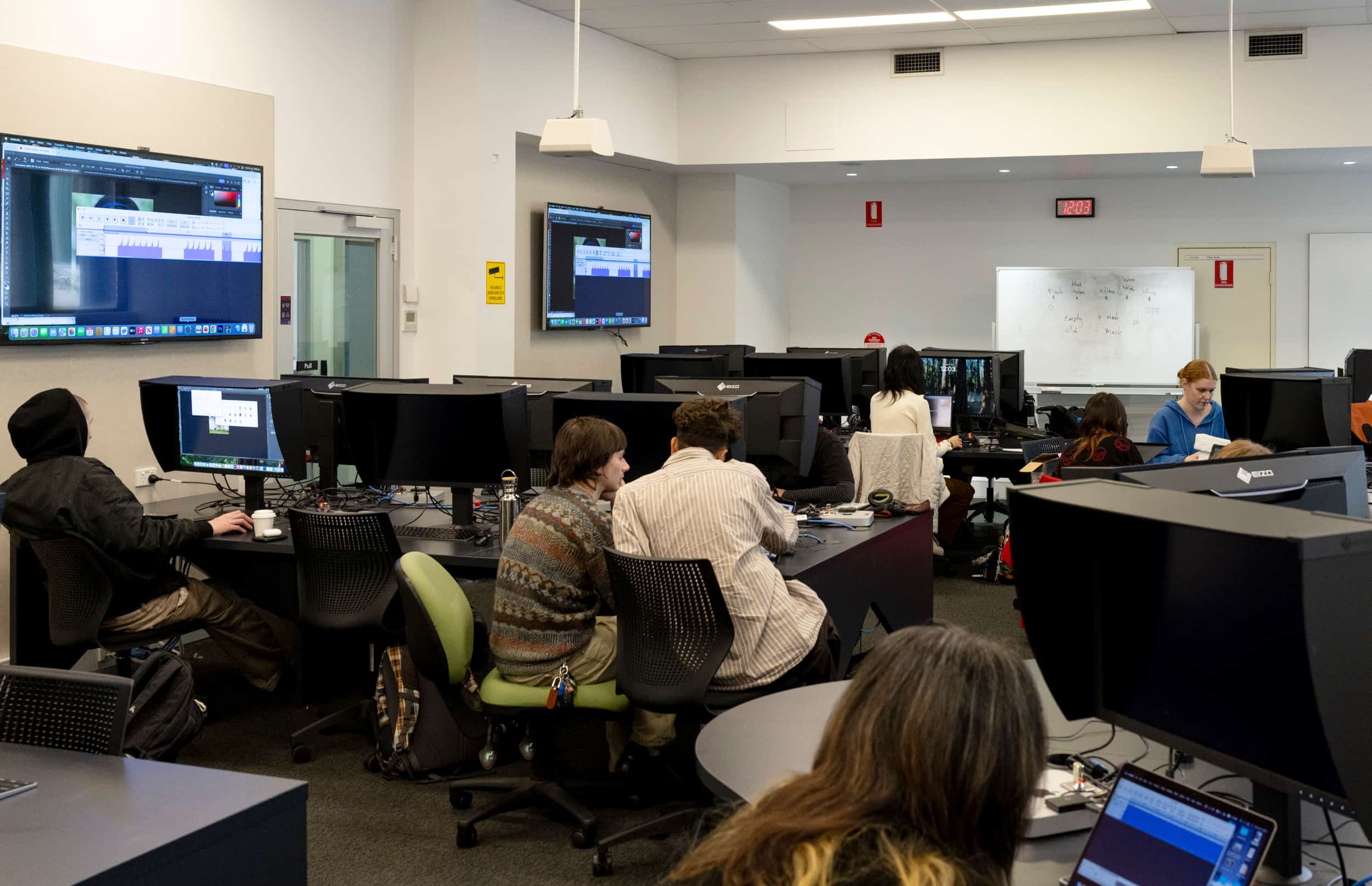
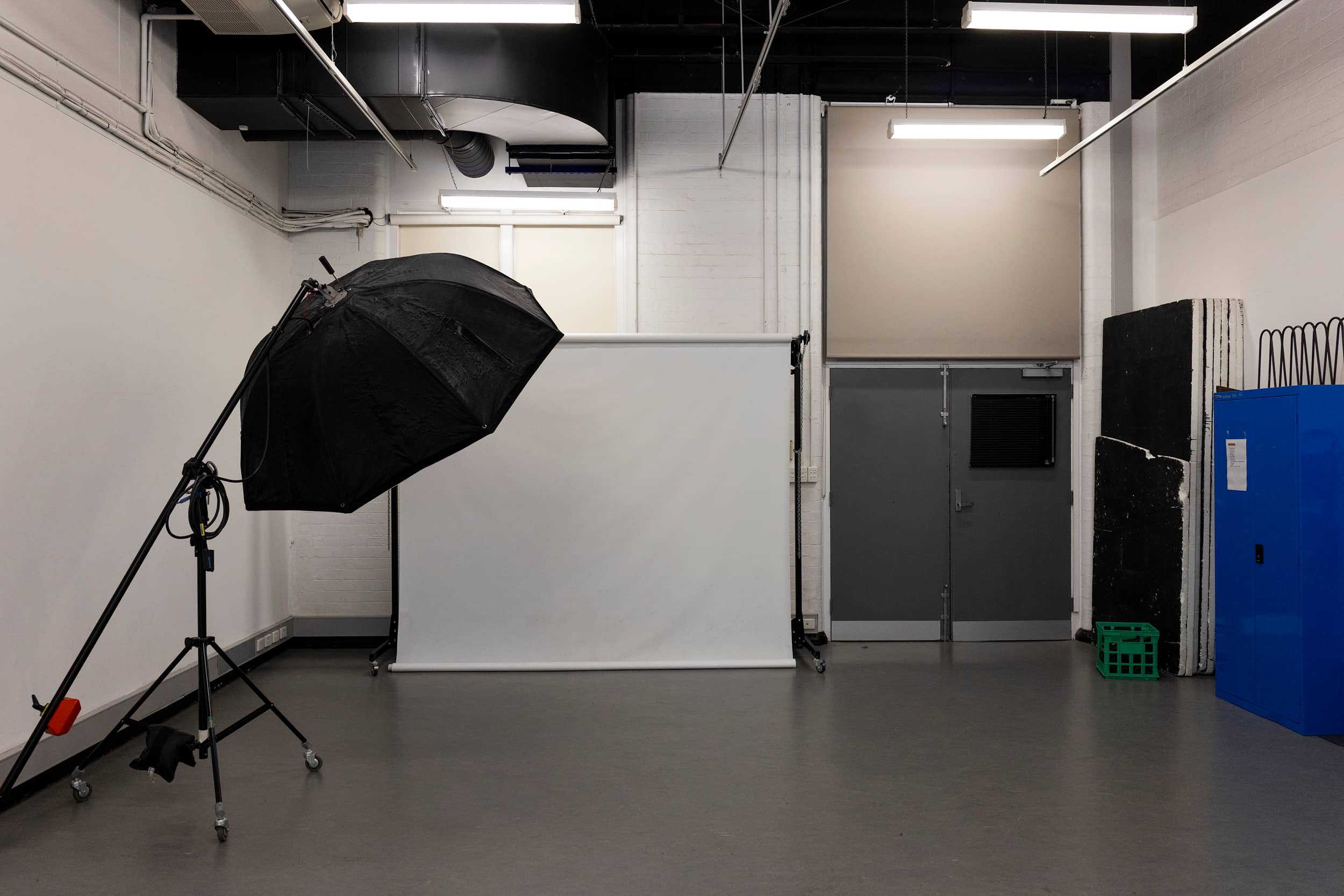
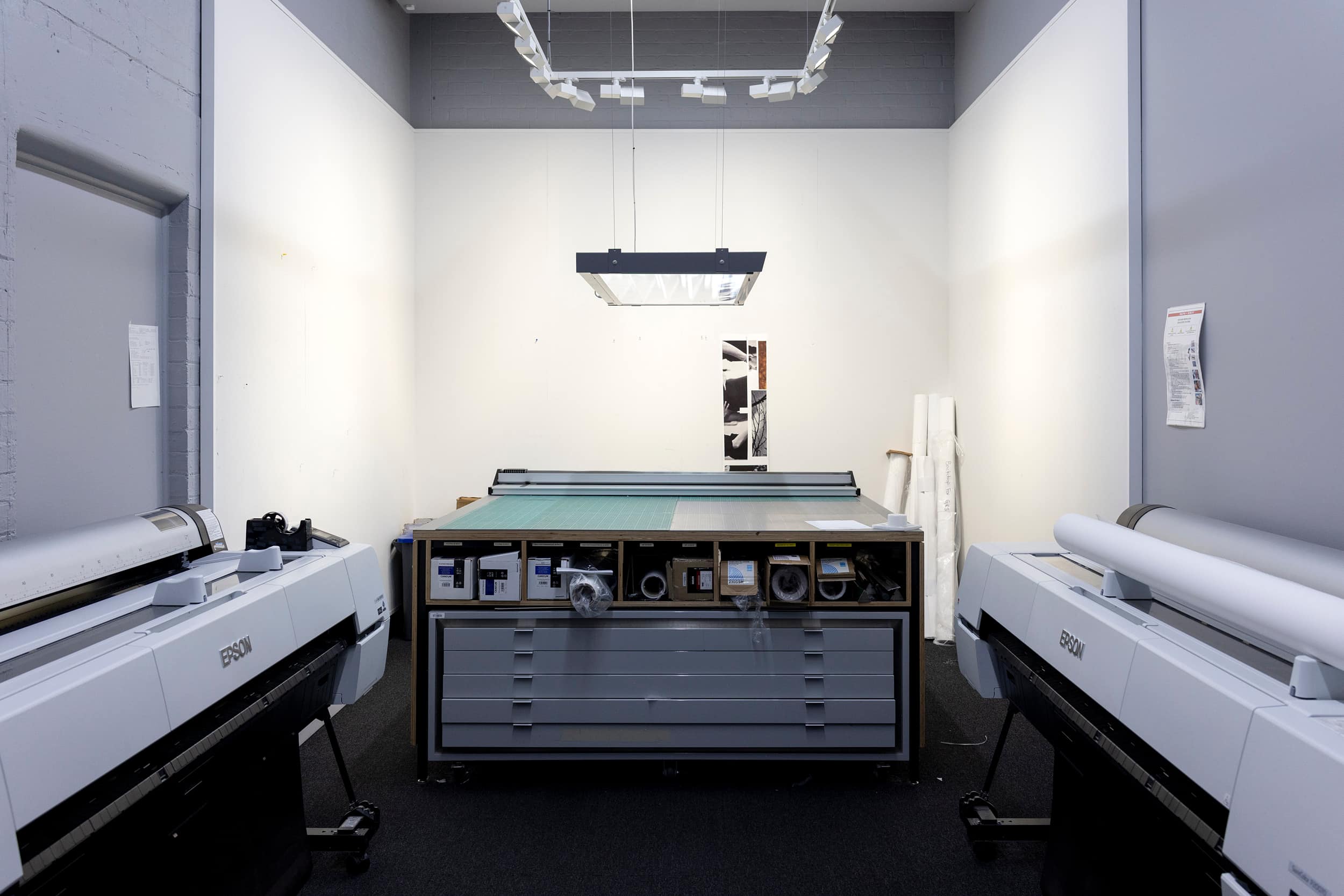
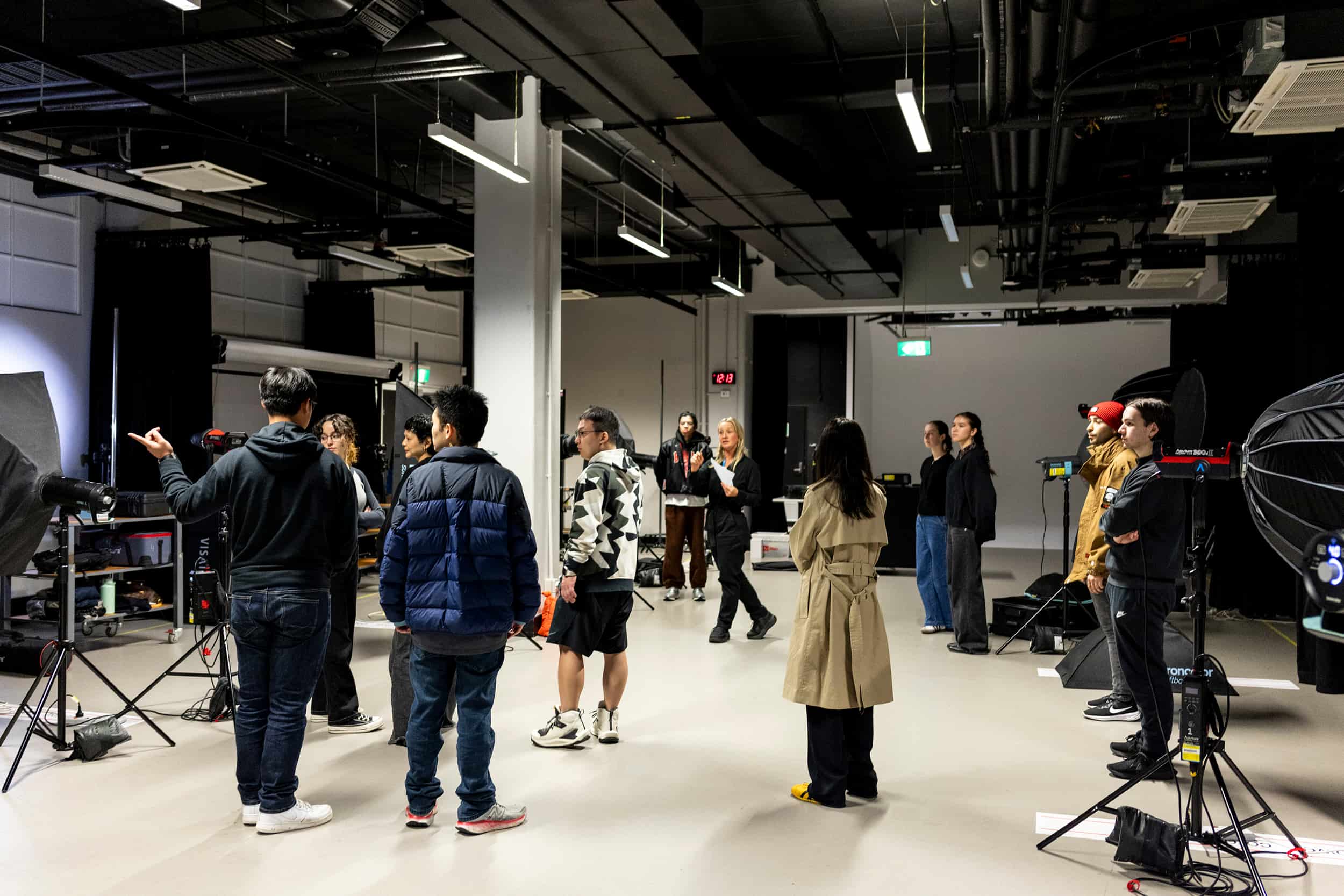
Our photography degrees are based at the Melbourne CBD campus and features access to a range of specialised photographic facilities, including commercial grade lighting studios, professional camera equipment, editing suites, computer labs and large format printing technologies.
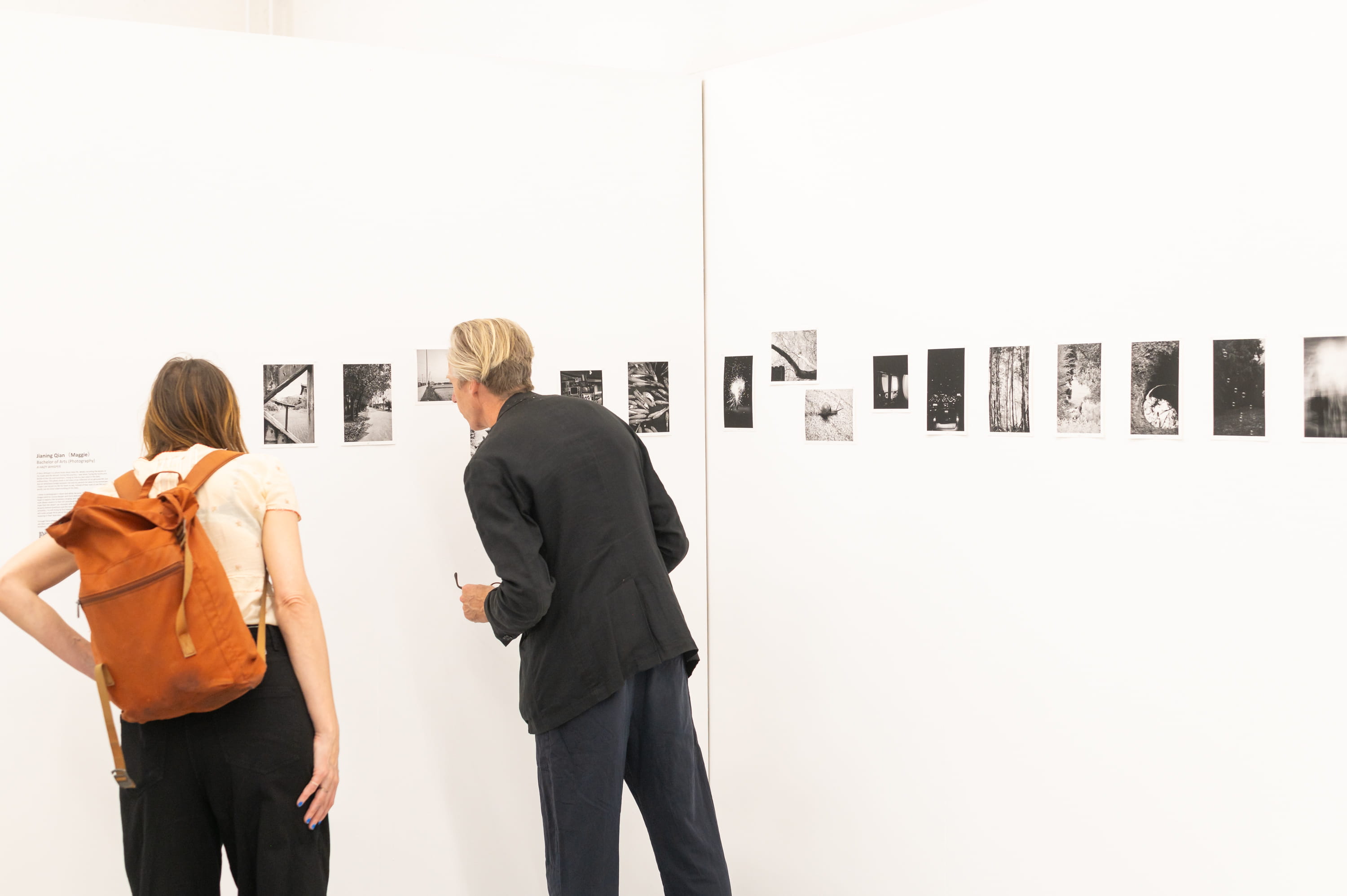
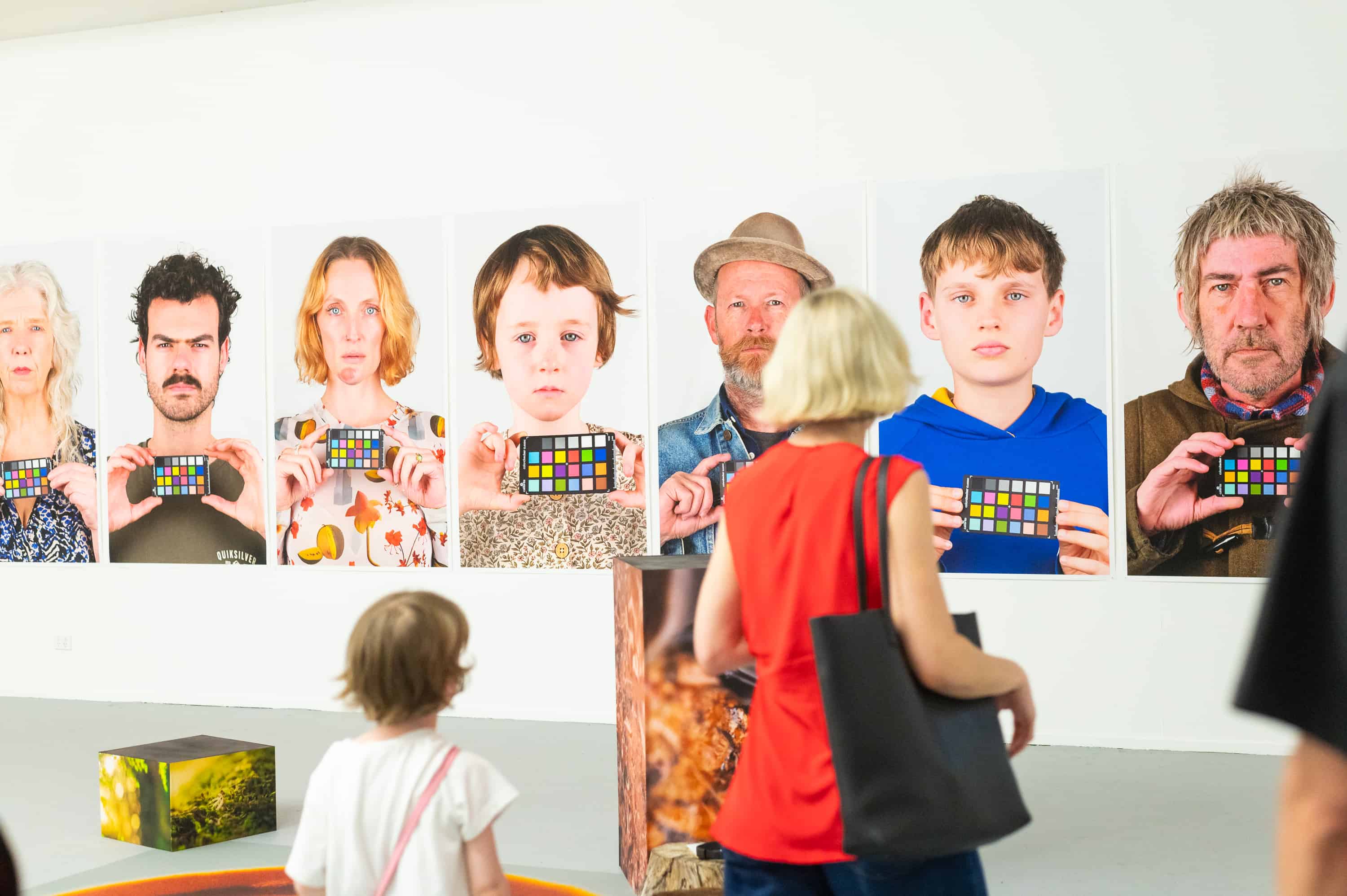
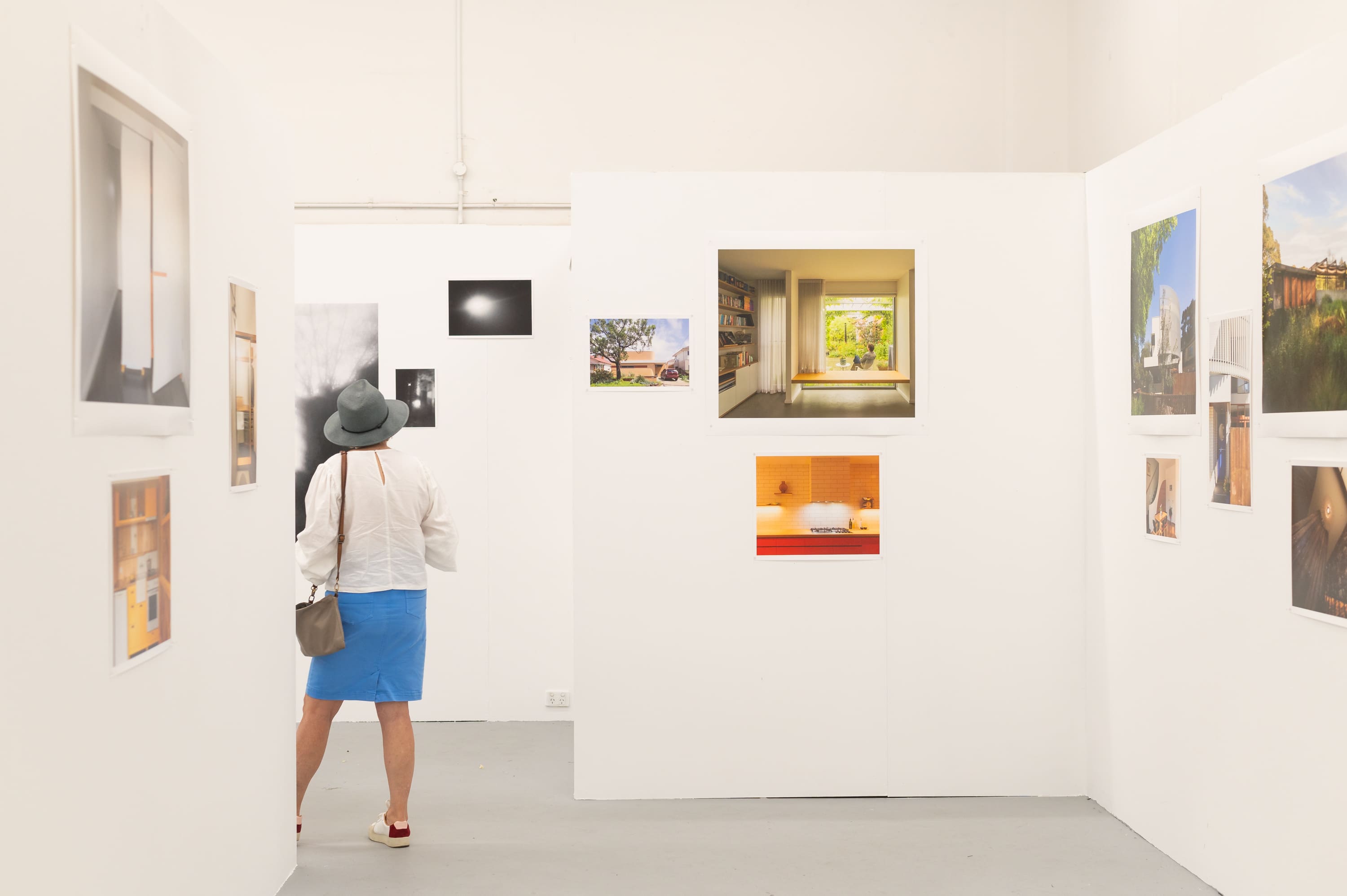
At the end of your third year of the Bachelor of Photography, you will be invited to exhibit your major work at the annual Graduate Exhibition. This exhibition not only celebrates your 3 years of study at RMIT but also showcases the innovation and technical expertise of our Photography students.
You’ll develop your own creative approach to photography through integrated industry training, practical experience and critical thinking. You’ll learn from practising photographers, artists and leading academics in purpose-built studios using modern photographic equipment and specialist software. Throughout the degree, you'll also engage with broader critical analyses of the historical, theoretical and cultural contexts of photography.
The Bachelor of Photography delivers a variety of learning and teaching approaches. In addition to working in studio-based environments, you’ll attend production workshops, lectures and seminars. You’ll work on individual and team-based projects, where you’ll collaborate with your peers from a variety of disciplines, including architecture, design, fashion, fine art, journalism and music, as well as photography. Your assessments may include presentations, exhibitions, and staff-, peer- and self-assessment.
In the final year of the degree, you’ll produce a major photographic project. In this capstone subject, you’ll produce a self-led body of original work that demonstrates your photographic practice within your major area of specialisation. You’ll present this project as part of the School of Art's end-of-year graduate exhibition.
Assessment tasks in the Bachelor of Photography may include responding to industry briefs, reports, research projects, assignments, portfolio production, essays, presentations and reflective papers. Your assessments provide an opportunity to receive feedback from your lecturers to help demonstrate your progress in each subject.
You may undertake activities including:
The types of classes you have will depend on the course you’re studying. Classes are offered in various formats designed to provide meaningful engagement with staff, industry and peers and provide for access and use of spaces where learning can be applied and active, including an array of specialised equipment.
Most RMIT courses do not include passive large-scale classes such as lectures, instead the content traditionally provided in lectures is made available online. This may be in the form of readings, videos or other on-demand learning materials. This content will also support the basis of interactive learning that takes place in on-campus classes.
The world is constantly changing, and there are universal skills that can help you adapt to the evolving nature of work and global engagement.
As part of your study experience at RMIT, we provide 6 future-focused RMIT Capabilities:
RMIT Capabilities are built into your course as well as some of our extracurricular experiences. They inform the design and delivery of your learning activities and assessments, so by the time you graduate, you’ll be ready to apply these capabilities in your life and work.
RMIT photography is widely recognised for producing industry-ready graduates due to its close links with creative industries, combining formal learning with professional practice.
Staff have many years of teaching and industry experience. Guest lecturers and practitioners, including industry experts and graduates, contribute to subjects by sharing their insight into diverse photographic careers.
Industry mentorships form part of the degree experience and will help you develop connections to the photography industry while you study, including our unique community engagement programs. RMIT has partnerships and connections with the National Gallery of Victoria, Centre for Contemporary Photography, Image Makers Australia Association, photography festivals, and many other galleries and related organisations and institutions.
We encourage students to take part in work-integrated learning projects, competitions and industry placements to draw upon experience and expertise from industry professionals.
In previous years, students have worked with organisations in Australia and abroad including The Social Studio, ABC Fact Check, Nepal Picture Library, Habitat for Humanity, Ballarat International Foto Biennale, Tennis Australia, Next Wave Festival, Midsumma Festival, The Royal Children's Hospital and various other organisations and projects.
You may study overseas for a semester as an exchange or study abroad student in New York, Chicago, Paris, Amsterdam or the UK.
Global Exchange programs are offered throughout the period of your study. These can be selected to complement your study load.
One of the mobility programs we engage with each year is YAAD, the Young Australian Ambassador Delegation. Students selected for this exchange are funded to study in China for one semester.
RMIT offers a range of opportunities for our students to study abroad through overseas work, exchange and study experiences with over 165 partner universities worldwide.
Upon successful completion of this course, you will be equipped with the knowledge and skills required to thrive within the global photography industry.
Through your studies, you hone your ability to create original photographic works that demonstrate expert-level technique, conceptual resolution, critical engagement and ethical judgment. You will utilise your highly developed photographic knowledge and technical skills to contribute to visual discourse and develop sophisticated photographic solutions to evolving technological and cultural practices.
Your theoretical study will allow you to critically evaluate, analyse and inform your professional practice, and develop strategies in which photography can intersect with all aspects of visual culture and knowledge. Your knowledge of contemporary photographic industries and cultures will enable you to engage with a diverse range of collaborators across many disciplines. You will also graduate from this degree with a strong commitment to cultural competence, ethical judgment, and respectful engagement with First Nations sovereignty and worldviews in a global context.
The communication and collaboration skills you build in this degree will allow you to work independently and within different teams, reflecting best practice in a range of professional contexts.
In the Bachelor of Photography degree you will also have the opportunity to select from a wide range of electives within the School, as well as wider university electives. These choices will depend on your particular career path and personal interests.
Learning and teaching in the professional strand is focused on project-driven studios that integrate and progressively develop your growing theoretical, practical and professional knowledge base. As you move through the degree you will increasingly direct your own learning and produce photographic projects with an academic and/or industry focus.
Choose a plan below to find out more about the subjects you will study and the course structure.
International student visa holders can only study full-time.
As a professional practitioner with specialist knowledge in photography and its related fields, you will have the awareness and skills to interpret and shape your field once you graduate.
Our graduates excel in roles that include advertising, architectural photography, cinema production, curating, documentary photography, editorial photography, education, fine art, photo editing and retouching, photojournalism, post-production and publishing.
You might also decide to continue your studies. RMIT University’s School of Art offers several options, including the Bachelor of Arts (Photography) (Honours), Master of Photography and higher degrees by research.
You must have successfully completed the Victorian Certificate of Education (VCE) (or equivalent qualification).
Victorian Certificate of Education (VCE) units 3 and 4:
Entry to this program is competitive. Applicants are ranked and selected in order of merit based on the assessment of their selection task.
You must complete and submit the Photography selection task^.
Applications are assessed in the order that they are received until the selection task date below, if places are still available.
For your best chance at admission into this program, you are encouraged to apply as early as possible.
Applicants who are applying via one of the RMIT pathways for this degree are exempted from the selection task requirements. To specify that you are applying via one of the pathways, submit your response through the selection task.
If you are applying via VTAC, you must complete and submit the Photography selection task by one of the dates below to be considered for selection in that VTAC round:
| VTAC applicants | Register and submit the selection task by |
|---|---|
| November round (non-Year 12 applicants only) | 30 September 2025 |
| December/January rounds 1 (all applicants) | 21 November 2025 |
| January round 2/February rounds (if places are available) | 6 February 2026 |
You must complete and submit your direct application. The link to submit your selection task will appear on the applicant dashboard after you have submitted your application. Please see the Apply page for information on eligibility to apply direct.
| Applicant type | Register and submit the selection task by |
|---|---|
| Direct applicants | 27 February 2026 |
Outline your interest in photography as a form of visual communication (maximum 100 words).
Detail any relevant experience you have in photography, or what you would like to achieve with photography (maximum 100 words).
Your folio must contain a series of up to eight images of your own photographic work, preferably exploring a specific theme or concept.
Include a short statement explaining the concept the body of work attempts to convey (maximum 100 words).
Upload your photographs in a single PDF (maximum file size 5MB).
If you have used AI to generate images or texts in your selection task submission, please describe where this occurs and what AI tools were used (maximum 100 words).
Some applicants will be selected based on their selection task and will not be required to attend a folio presentation. If further information is needed to make a selection decision, you will be invited to a folio presentation.
Folio presentations will be held in October (VTAC November round) and November/December (VTAC December/January round 1).
For all subsequent rounds and direct applicants, folio presentations will be arranged after you have submitted your selection task.
An advisory letter indicating the outcome of your selection task will be sent from October (VTAC November round) and from November/December (VTAC December/January round 1). For all subsequent rounds, the selection task will be assessed after you have submitted it.
You must complete and submit the Photography selection task^.
Applications are assessed in the order that they are received until the selection task date below, if places are still available.
For your best chance at admission into this program, you are encouraged to apply as early as possible.
Applicants who are applying via one of the RMIT pathways for this degree are exempted from the selection task requirements. To specify that you are applying via one of the pathways, submit your response through the selection task.
The link to submit your selection task will appear on the applicant dashboard after you have submitted your application.
| Applicant type | Register and submit the selection task by |
|---|---|
| All applications | TBC |
Selection task details and submission dates will be available in early 2026 for courses with a midyear intake.
The highest level of education you have previously completed will determine which category applies to you.
You must have successfully completed the Victorian Certificate of Education (VCE) (or equivalent senior secondary school) qualification.
The SNAP access scheme is designed to increase tertiary participation by giving priority access to RMIT diploma and degree programs to eligible applicants currently studying Year 12 at a SNAP partner school.
The RMIT Elite Athlete Program supports eligible elite and emerging athletes to achieve sporting and academic excellence, allowing students to balance the demands of both their studies and their athletic responsibilities.
The Indigenous Access Program supports your application to RMIT through an informal interview process where you will receive help from the Ngarara Willim Centre. Additional consideration will be given if you have relevant life, work, education or training experience.
You must have successfully completed an Australian Certificate IV or above (or equivalent).
You may satisfy the academic requirements by completing the STAT multiple choice and achieving a minimum overall score of 156.
Your STAT results are valid for two years prior to the commencement of study.
If you are applying to RMIT as an applicant with vocational education and training study, you may sit the STAT multiple choice if you:
You are still required to meet all other program prerequisites or equivalents.
Learn more about the STAT and STAT results.
The RMIT Elite Athlete Program supports eligible elite and emerging athletes to achieve sporting and academic excellence, allowing students to balance the demands of both their studies and their athletic responsibilities.
The Indigenous Access Program supports your application to RMIT through an informal interview process where you will receive help from the Ngarara Willim Centre. Additional consideration will be given if you have relevant life, work, education or training experience.
You must have successfully completed at least two courses (subjects) in an Australian bachelor degree or four courses (subjects) in an Australian associate degree, or overseas equivalent.
You may satisfy the academic requirements by completing the STAT multiple choice and achieving a minimum overall score of 156.
Your STAT results are valid for two years prior to the commencement of study.
If you are applying to RMIT as an applicant with higher education study, you may sit the STAT multiple choice if you:
You are still required to meet all other program prerequisites or equivalents.
Learn more about the STAT and STAT results.
The RMIT Elite Athlete Program supports eligible elite and emerging athletes to achieve sporting and academic excellence, allowing students to balance the demands of both their studies and their athletic responsibilities.
The Indigenous Access Program supports your application to RMIT through an informal interview process where you will receive help from the Ngarara Willim Centre. Additional consideration will be given if you have relevant life, work, education or training experience.
You must have successfully completed an Australian Year 12 (or equivalent qualification) and meet the stated prerequisites. You may satisfy the academic requirements by completing the STAT multiple choice.
You may satisfy the academic requirements by completing the STAT multiple choice and achieving a minimum overall score of 156.
Your STAT results are valid for two years prior to the commencement of study.
If you are applying to RMIT as an applicant with work and life experience, you may sit the STAT multiple choice if you:
You are still required to meet all other program prerequisites or equivalents.
Learn more about the STAT and STAT results.
The RMIT Elite Athlete Program supports eligible elite and emerging athletes to achieve sporting and academic excellence, allowing students to balance the demands of both their studies and their athletic responsibilities.
The Indigenous Access Program supports your application to RMIT through an informal interview process where you will receive help from the Ngarara Willim Centre. Additional consideration will be given if you have relevant life, work, education or training experience.
View the following videos for some practical application advice:
Here's some advice for preparing folios and pre-selection kits to help make the process easier.
Wondering how an art and design selection interview works? Here's everything you need to know.
View the ATAR profile and selection rank from students offered a place into this course wholly or partly on the basis of ATAR in the most relevant recent intake period.
The student profile provides insight into the likely peer group for this course.
The following information outlines the tasks you will be required to undertake during professional experience placement and on-campus learning activities.
The non-academic abilities listed are provided for your information only and are not entry requirements.
By understanding the types of activities you'll participate in, you can:
If there are any activities outlined which may be difficult for you to undertake, there is a range of adjustments to your study conditions available to enable and support you to demonstrate these abilities.
Please contact the Equitable Learning Services (ELS) team to discuss any adjustments you may require. To receive learning adjustments, you need to register with ELS.
If you are living with disability, long-term illness and/or a mental health condition, we can support you by making adjustments to activities in your program so that you can participate fully in your studies.
The University considers the wellbeing and safety of all students, staff and the community to be a priority in academic and professional experience placement settings.
*ATAR refers to the lowest selection rank to which an offer was made (including consideration of any adjustments) for current and recent Year 12 applicants.
RMIT is committed to providing transparency to the admissions process. In line with this commitment, we provide you with information that will help in making informed choices about your undergraduate study options. Find out more about admission to RMIT.
You need to satisfy all of the following requirements to be considered for entry into this course.
You must have successfully completed a qualification recognised by RMIT as equivalent to the Victorian Certificate of Education (VCE) with a minimum average of 65% (see calculator below).
Equivalent qualifications may also include completion of the RMIT Foundation Studies course or a recognised post secondary diploma in the relevant discipline with the required grades.
Meeting the minimum academic requirements does not guarantee entry. Your application will still need to be assessed and accepted.
If you are an international student studying year 12 in Australia, you may be able to apply via VTAC with your ATAR.
Find information about the ATAR selection rank* for this course in our ATAR for International students course finder.
*ATAR refers to the lowest selection rank to which an offer was made (including consideration of any adjustments) for current and recent Year 12 applicants.
RMIT is committed to providing transparency to the admissions process. In line with this commitment, we provide you with information that will help in making informed choices about your undergraduate study options. Find out more about admission to RMIT.
There are no prerequisite subjects required for entry into this qualification.
All applicants are required to complete and submit a selection task for this program. See below for full selection task details.
To study this course you will need to complete one of the following English proficiency tests:
Note: RMIT does not accept scores from 'at-home' or 'online' testing.
For detailed information on English language requirements and other proficiency tests recognised by RMIT, visit English language requirements and equivalency information.
Don't meet the English language test scores? Complete an English for Academic Purposes (EAP) Advanced Plus at RMIT University Pathways (RMIT UP).
You must complete and submit the Photography selection task by one of the dates below to be considered for selection in that VTAC round:
| VTAC applicants | Register and submit the selection task by |
|---|---|
| December/January rounds 1 (all applicants) | 21 November 2025 |
| January round 2/February rounds (if places are available) | 6 February 2026 |
You are required to provide the following:
Some applicants will be selected based on their selection task and will not be required to attend a folio presentation. If further information is needed to make a selection decision, you will be invited to a folio presentation.
Folio presentations will be held in November/December (VTAC December/January Round 1).
For all subsequent rounds, folio presentations will be arranged after you have submitted your application.
Advisory letters indicating the outcome of your selection task will be sent from November/December.
View the following videos for some practical application advice:
Here's some advice for preparing folios and pre-selection kits to help make the process easier.
Wondering how an art and design selection interview works? Here's everything you need to know.
Selection task: You are required to submit a completed selection task along with your application.
Folio presentation: If further information is needed to make a selection decision, you will be invited to attend a folio presentation. This can be conducted in person or via video call.
The following information outlines the tasks you will be required to undertake during professional experience placement and on-campus learning activities.
The non-academic abilities listed are provided for your information only and are not entry requirements.
By understanding the types of activities you'll participate in, you can:
If there are any activities outlined which may be difficult for you to undertake, there is a range of adjustments to your study conditions available to enable and support you to demonstrate these abilities.
Please contact the Equitable Learning Services (ELS) team to discuss any adjustments you may require. To receive learning adjustments, you need to register with ELS.
If you are living with disability, long-term illness and/or a mental health condition, we can support you by making adjustments to activities in your program so that you can participate fully in your studies.
The University considers the wellbeing and safety of all students, staff and the community to be a priority in academic and professional experience placement settings.
A pathway is an alternative way to get into a course. RMIT's pathways can help you move through different levels of study to reach the qualification you're aiming for, even if you don't meet the requirements for your destination course.
This course has pathways available.
When you successfully complete this degree, you may be eligible for entry into an RMIT Honours or Postgraduate degree.
You are guaranteed entry into the Bachelor of Photography when you successfully complete one of the following RMIT programs:
Alternatively, you can gain entry from RMIT Foundation Studies or a range of vocational study programs.
You are guaranteed entry into the Master of Photography with one semester of credit (equivalent to 48 credit points) when you successfully complete the Bachelor of Arts (Photography).
Alternatively, you may be eligible for entry into other RMIT honours or postgraduate degrees.
Credit, recognition of prior learning, professional experience and accreditation from a professional body can reduce the duration of your study by acknowledging your earlier, relevant experience.
Credit and exemptions will be assessed consistent with the principles of the RMIT Credit Policy.
Credit may reduce the duration of your study by acknowledging your earlier, relevant study experience.
When you are submitting an application, please indicate that you want to be considered for credit and provide detailed course syllabus (also known as course outline), outlining volume of learning, course content and weekly topics, learning objectives/outcomes, assessment types and their weightings, and reference to the learning resources such as prescribed textbooks and recommended readings.
In 2026, the annual student contribution amount (tuition fee) you will pay for a standard year of full-time study is between AU$4,738 to AU$17,399.
Amounts quoted are indicative fees per annum, and are based on a standard year of full-time study (96 credit points). A proportionate fee applies for more or less than the full-time study load.
Fees are adjusted on an annual basis and these fees should only be used as a guide.
You may be eligible to apply for a HECS-HELP loan, which can be used to defer payment of up to the full amount of your student contribution fees. You may also be eligible to apply to defer payment of your SSAF through the SA-HELP loan scheme.
Learn more about fees for undergraduate study.
For information on how to pay your fees or how to apply for a refund, please see Paying your fees and applying for refunds.
If you are offered a Commonwealth supported place, your tuition fees are subsidised by the Australian Government.
Your share of the fee (student contribution) is set on an annual basis by the government and is determined by the discipline areas (bands) of your individual enrolled courses, not the overall program.
The Australian Government has introduced changes to university funding and student contribution fees under its Job-ready Graduates Package.
The fees in the table below apply to students who commence their program in 2026. Fees for continuing students are available at fees for Commonwealth supported students.
Each course (subject) falls into a band. The band determines the student contribution amount for the course.
Amounts listed in the table below are based on a standard, full-time study load (96 credit points per year) with all courses in the same band. A proportionate fee applies for more or less than the full-time study load or for enrolment in courses (subjects) from a combination of bands.
You can learn how to calculate your exact tuition fees for units from different bands at Fees for Commonwealth supported students.
Student contribution band by course (subject) |
Maximum annual student contribution amount (per EFTSL) in 2026 |
|---|---|
| Education, Postgraduate Clinical Psychology, English, Mathematics, Statistics, Nursing, Indigenous and Foreign Languages, Agriculture | $4,738 per standard year $592 per standard (12 credit point) course |
| Allied Health, Other Health, Built Environment, Computing, Visual and Performing Arts, Professional Pathway Psychology, Professional Pathway Social Work, Engineering, Surveying, Environmental Studies, Science, Pathology | $9,537 per standard year $1,192 per standard (12 credit point) course |
| Dentistry, Medicine, Veterinary Science | $13,558 per standard year $1,694 per standard (12 credit point) course |
| Law, Accounting, Administration, Economics, Commerce, Communications, Society and Culture | $17,399 per standard year $2,174 per standard (12 credit point) course |
On 1 January 2022, the Government implemented the Student Learning Entitlement (SLE).
The Australian Government provides financial assistance via the HECS-HELP loan scheme, which allows eligible students (such as Australian citizens or holders of an Australian permanent humanitarian visa) to defer payment of up to the full amount of their student contribution.
You may be eligible to apply to defer payment of the Student services and amenities fee (SSAF) through the SA-HELP loan scheme. If you use SA-HELP, the amount will be added to your accumulated HELP debt.
If your FEE-HELP and/or SA-HELP loan application is successful, the Australian Government will pay RMIT, on your behalf, up to 100% of your fees. This amount will become part of your accumulated HELP debt.
You only start repaying your accumulated HELP debt to the Australian Government once you earn above the minimum income threshold for repayment, which is set each year by the Australian Government (this also applies if you are still studying). The Australian Taxation Office (ATO) will calculate your compulsory repayment for the year and include this on your income tax notice.
For more information about loan repayment options see Commonwealth assistance (HELP loans) or Study Assist.
In addition to tuition fees, you will be charged an annual student services and amenities fee (SSAF), which is used to maintain and enhance services and amenities that improve your experience as an RMIT student.
The SSAF is calculated based on your enrolment load and the maximum fee for 2026 is $373.
You may also be required to purchase other items related to your course, including field trips, textbooks and equipment. These additional fees and expenses vary from course to course.
In addition to tuition fees you also need to pay for:
You also need to account for your living expenses. Estimate the cost of living in Melbourne.
In addition to tuition fees, you will be charged an annual student services and amenities fee (SSAF), which is used to maintain and enhance services and amenities that improve your experience as an RMIT student.
The SSAF is calculated based on your enrolment load and the maximum fee for 2026 is $373.
Find out more details about how fees are calculated and the expected annual increase.
Find information on how to apply for a refund as a continuing international student.
For commencing Bachelor of Photography students who demonstrate creative excellence in their photography; worth up to $22,500.
For students enrolled full-time in the Bachelor of Photography who can demonstrate circumstances which impact their study; worth up to $22,500.
RMIT awards more than 2000 scholarships every year to recognise academic achievement and assist students from a variety of backgrounds.
Use our Frequently Asked Questions to learn about the application process and its equity access schemes, find out how to accept or defer your offer or request a leave of absence, discover information about your fees, refunds and scholarships, and explore the various student support and advocacy services, as well as how to find out more about your preferred program, and more.
RMIT University acknowledges the people of the Woi wurrung and Boon wurrung language groups of the eastern Kulin Nation on whose unceded lands we conduct the business of the University. RMIT University respectfully acknowledges their Ancestors and Elders, past and present. RMIT also acknowledges the Traditional Custodians and their Ancestors of the lands and waters across Australia where we conduct our business - Artwork 'Sentient' by Hollie Johnson, Gunaikurnai and Monero Ngarigo.
More information