Bachelor of Arts (Fine Art)
Student type:
Quick facts
-
Entry score
-
Duration
Full-time 3 years -
Location
Melbourne city -
Fees
Next intake
February, JulyEntry score
Range of criteria
Duration
Full-time 3 years
Location
Melbourne city
Fees
$30,720 (2019 annual)
Program brochure (PDF) Create a personalised brochure
Next intake
February, July
Overview
Learn fine art by making it
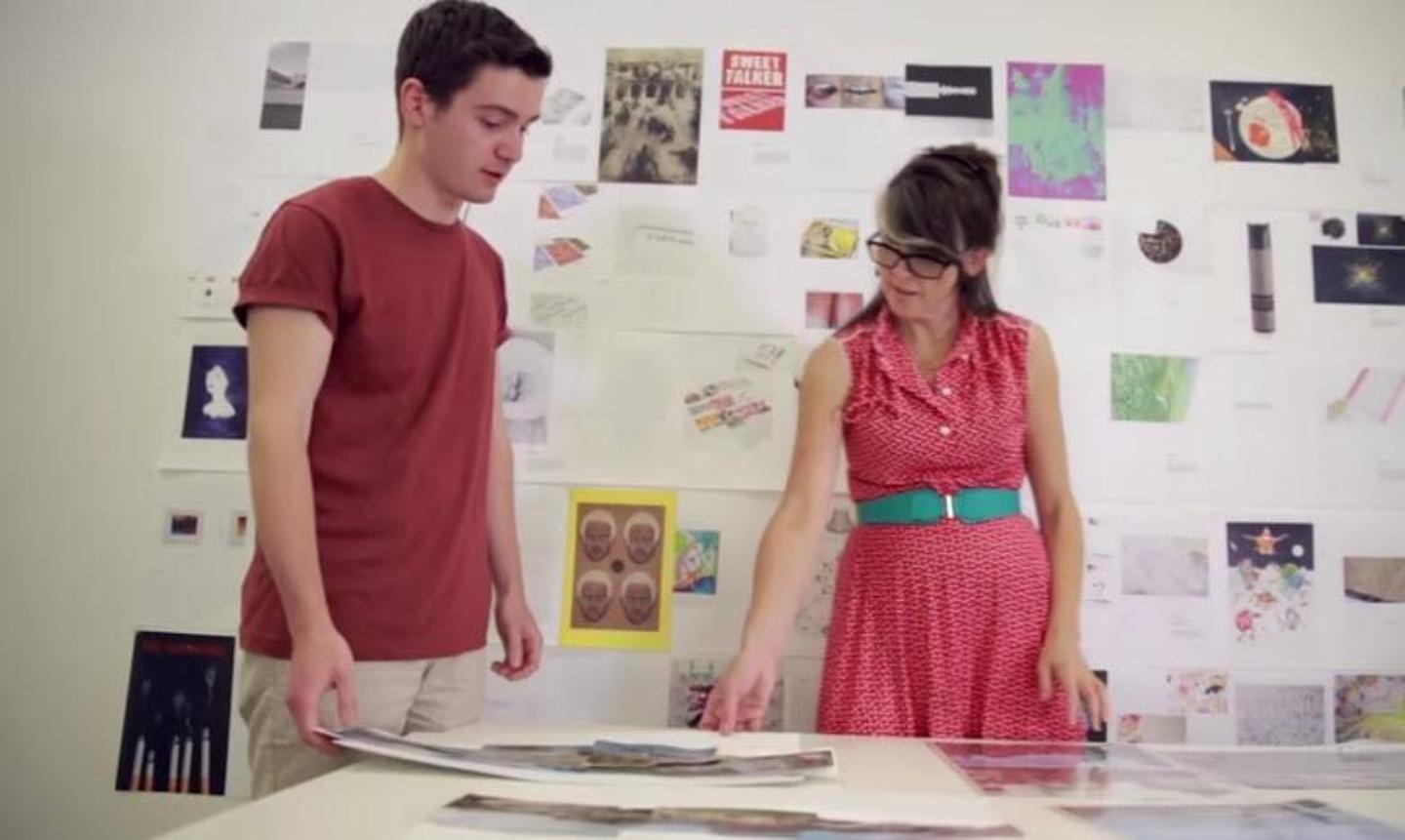
At RMIT you’ll spend most of your time immersed in studios. This means more face-to-face time with teachers and more time to work on your art.
Your career in the creative industries
Work in diverse and creative roles such as professional artist, arts manager, technician, gallery director and curator.
What's it like being an art and design student?
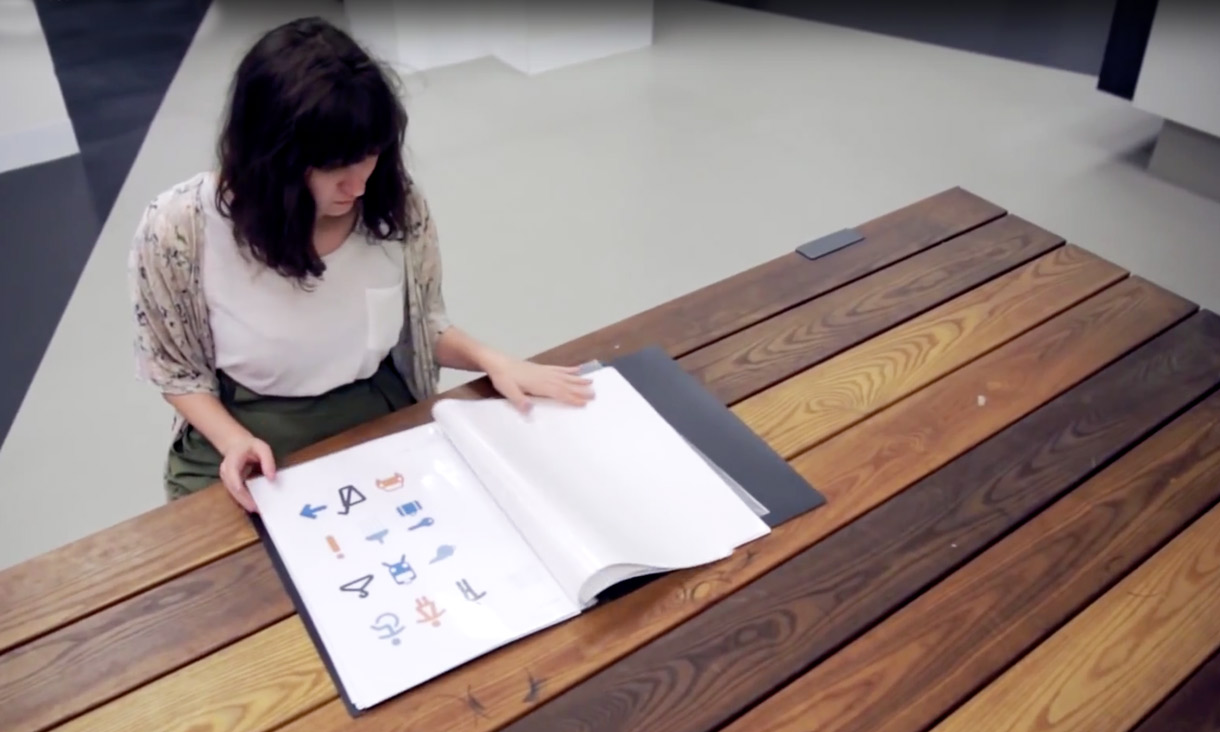
Students tell it like it is. Follow the journey of Vivian, Isaac and Justine as they prepare for their end-of-year exhibitions.
Graduate showcase
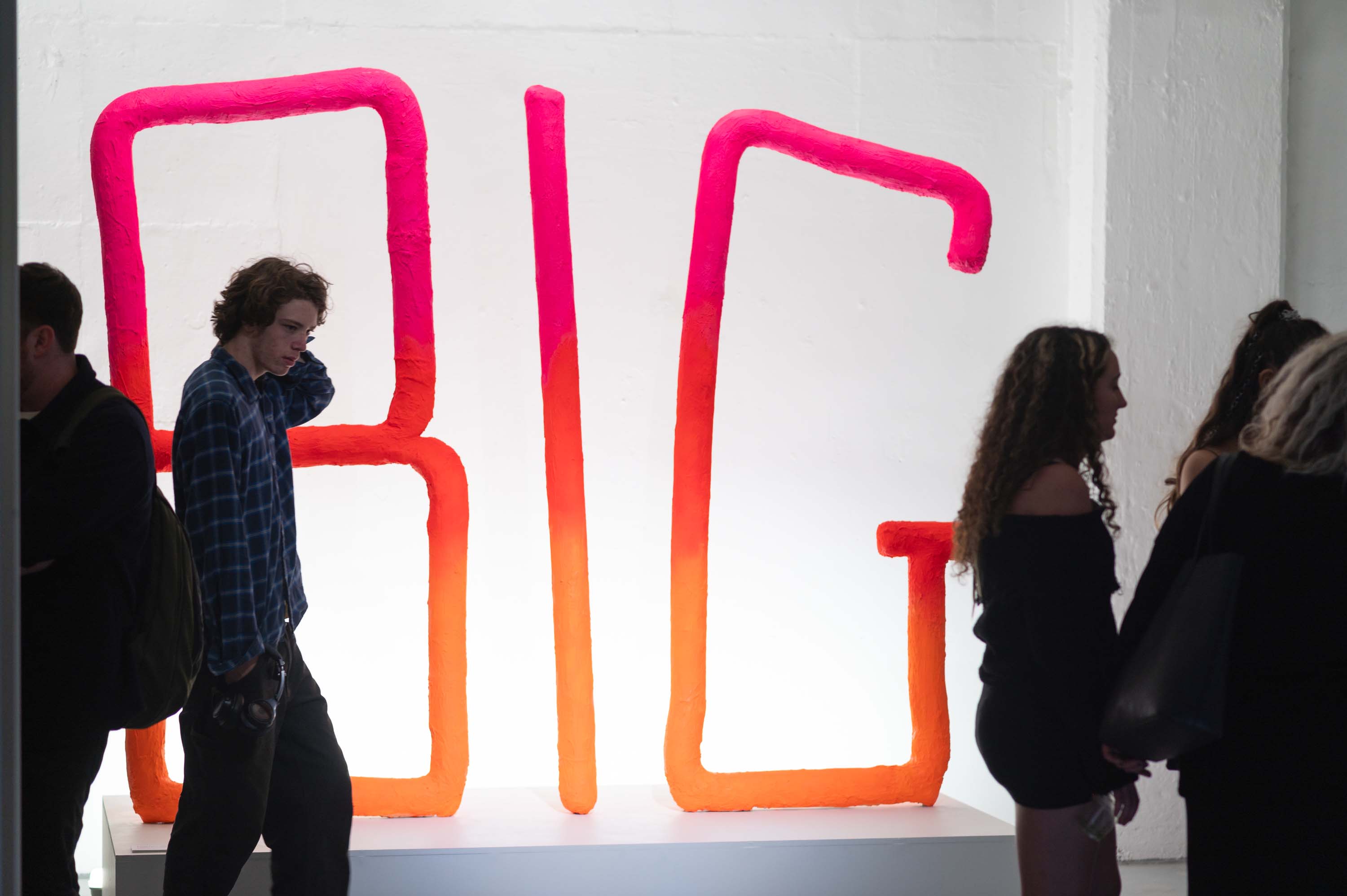
Discover the work of emerging artists, craftspeople, visual thinkers and cultural managers that will reconstruct the creative economies of a future culture.
Details
There’s no better way to learn about art than by making it.
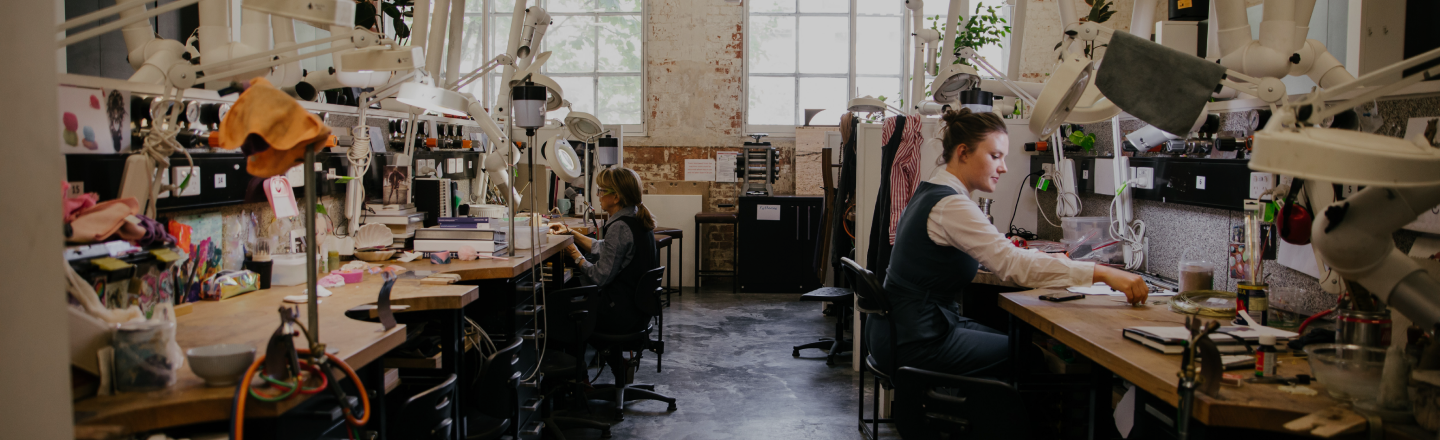
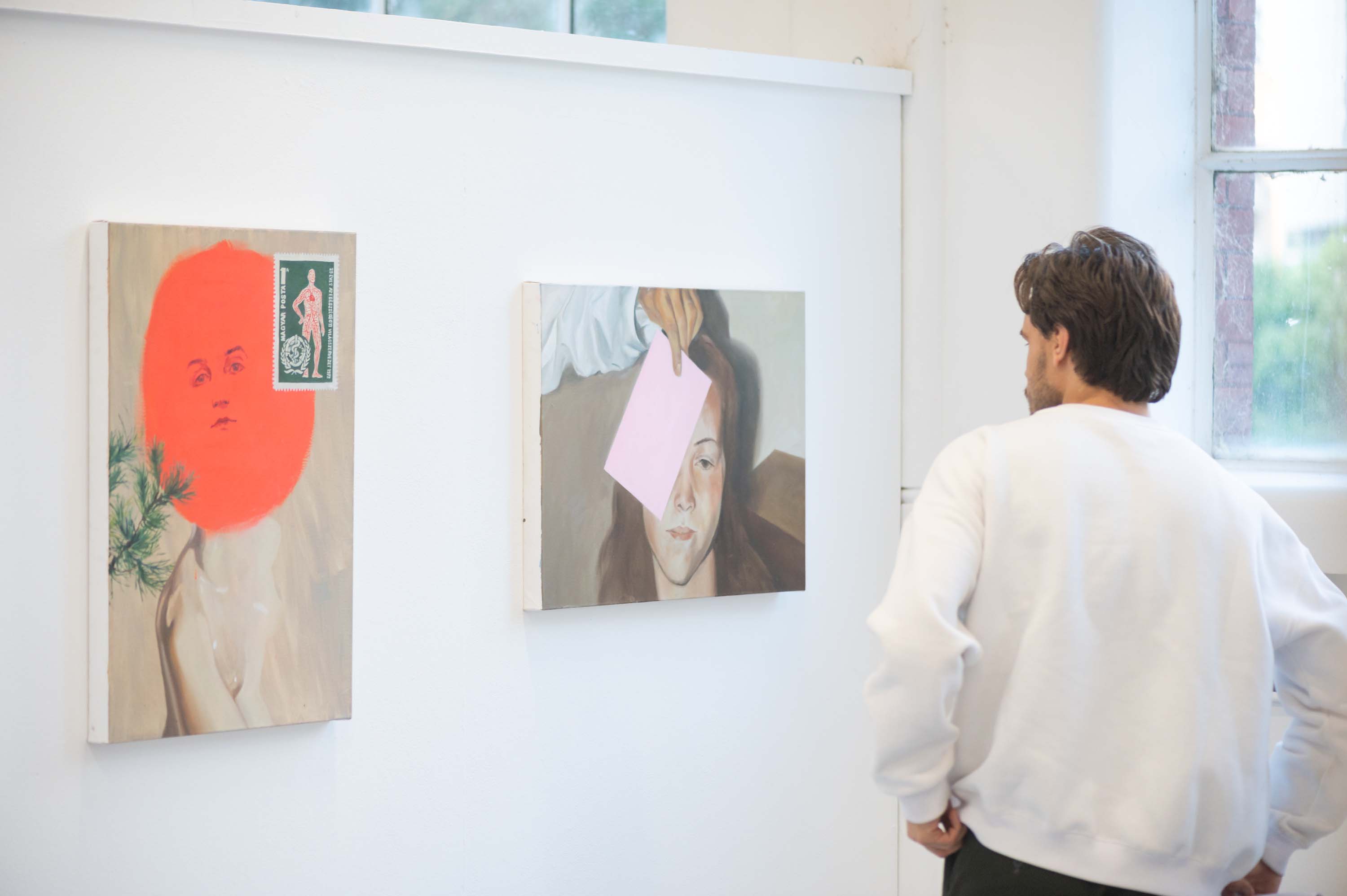
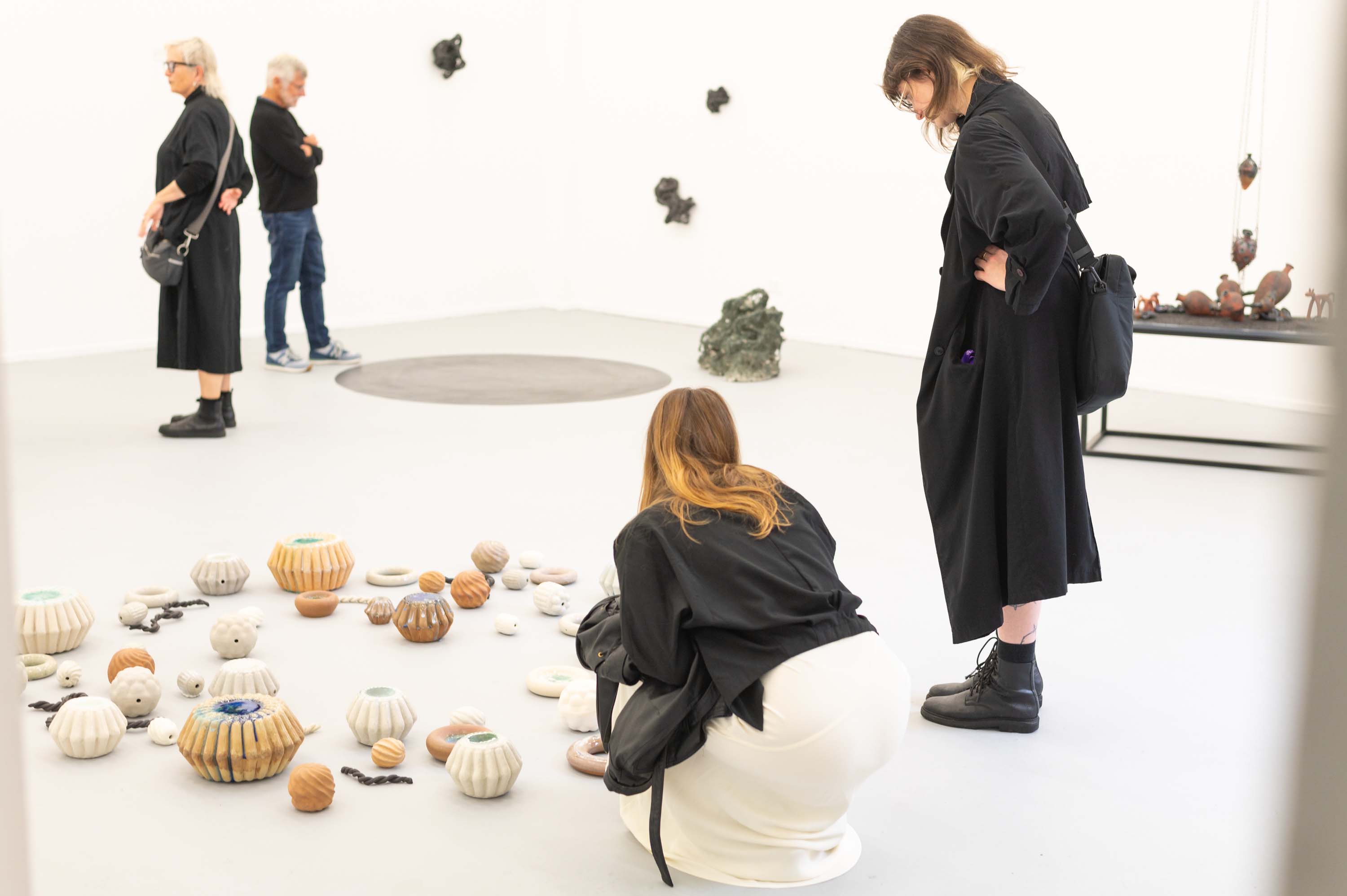
At RMIT you’ll be immersed in fine art studios, where you’ll gain the confidence and the tools to understand and interpret the world around you through art. Studio courses are taught by high-profile practising artists who exhibit locally and internationally, so you can connect with what’s happening in the art world.
RMIT’s teaching style is centered around you as an individual. You’ll receive personal mentoring that challenges and pushes you to discover and form your own art practice or specialisation.
Studios are complemented by studies in art history, theories and cultures, and in the professional skills you’ll need to succeed in the arts and creative industries.
This degree is also delivered in Hong Kong. Visit the Hong Kong Art School for information and to apply for this option.
I fell in love with the studio, the space and the teachers at RMIT. I felt like I belonged from the first instant.
- Ari Sharp, Bachelor of Arts (Fine Arts)
Artists no longer work in single mediums. RMIT has a structure that allows breadth through multidisciplinary studio access, but also allowing you to focus on a particular craft.
Studio specialisations include:
The degree is designed so that the majority of your time at RMIT is spent in immersive studio experiences that relate to the creative practices and expertise of teaching staff and visiting artists. These six hour blocks of intensified face-to-face learning allow you more focused time to create and exhibit personal works.
Dedicated studio spaces with after-hours access facilitate your practice alongside other artists and encourage you to share ideas and be exposed to a wide range of approaches.
Workshop courses will further develop your technical skills using state-of-the-art equipment, materials and technology relating to your craft.
Staff, alumni and industry professionals contribute quality online content about contemporary and historical art practices, theories, cultures and contexts that you can access via the online RMIT Art School platform .
You’ll also have the opportunity to make global connections with art students in the Hong Kong Art School program, and through study tours to places like New York, Germany, Europe and China.
Assessment is through a combination of folio presentation, project responses, written reflections and critical theory essays.
Full-time students are expected to attend approximately 12 hours of classes and undertake approximately 24 hours of independent study and research weekly. The majority of classes are delivered during the day.
Classes are delivered primarily in English.
Experience the vibrant world of art
Develop conceptual and specialised technical skills to discover your own style and develop your artistic practice.
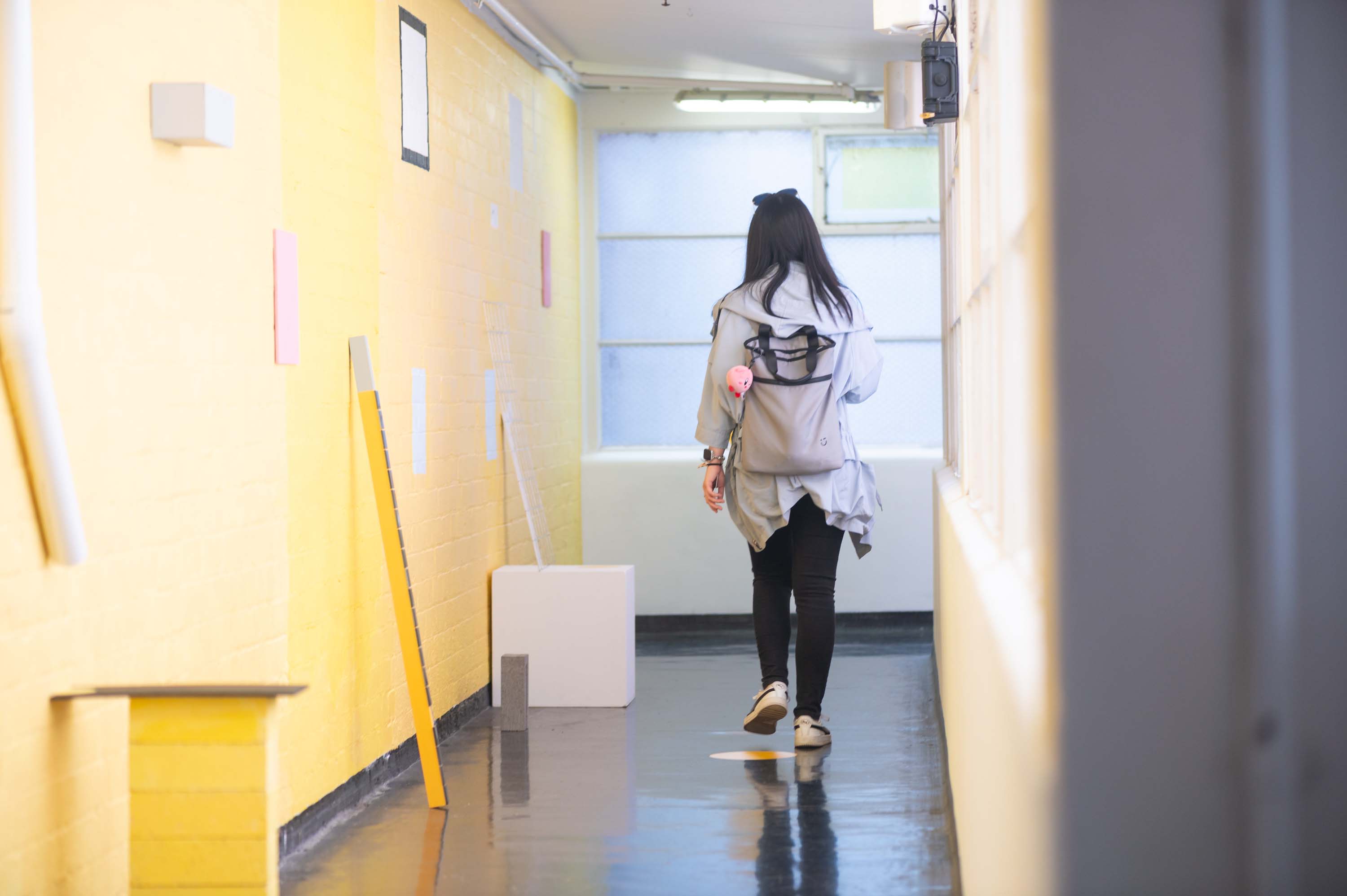
RMIT operates multiple public galleries and exhibition spaces that provide formal opportunities for you to integrate hands-on experience into your studies.
In your final year Art Enterprise Workshop, you’ll be introduced to employment practices, enterprise formation opportunities and arts industry networks to establish yourself as an independent art practitioner.
As a result of RMIT’s international connections, students have access to study tours to New York, China, Germany and Europe. International academics and artists feature as guest lecturers and artists-in-residence throughout the year.
The School manages INTERSECT—six creative projects that together form a dynamic program of exhibitions, residencies, creative laboratories, talks and events. These projects consider and use contemporary art as a means of intersecting with and enriching our University community, as well as our broader local and global ones. They are PROJECT SPACE, SPARE ROOM, SITUATE, SITE EIGHT, the LIGHTSCAPES and SPEAKER.
RMIT’s Global Experience Office (GEO) supports students to undertake exchange or short-term mobility activities with over 165 partner universities worldwide.
Fine art studio courses are the backbone of the learning experience, enabling you to develop an individual fine art practice. You’ll navigate these studio courses over six semesters to establish a sustained practice.
Multiple studio options are offered each semester. These studio options are thematic and/or focused on a specific studio specialisation, allowing a variety of ways for you to discover and develop your own individual art practice. You will ballot for your first three studio preferences based on your personal interests.
Year 1
Discover and develop your skills to assist in the investigation of ideas and creative interpretations.
In first semester you’ll participate in an independent introductory studio, to create a smooth transition for first year students.
In second semester you will enrol in vertical classes that combine first and second year students for studios, workshops and art history, theory and cultures.
Year 2
Experiment within a framework of self-directed projects, supported by courses designed to further your conceptual, technical and critical thinking skills. Student exchange opportunities are available to students in this year.
Your studio, workshop and art theory subjects will be delivered in vertical classes, alongside first, second or third year students. You’ll have an opportunity to enrol in a University Elective in second semester to add breadth to your study.
Year 3
Your third year will primarily focus on an advanced capstone studio project, where you’ll consolidate your learning and develop a body of work at a professional level.
Parallel with your individual studio project, you’ll gain an understanding of professional and business practices that relate to being a contemporary artist through the Art Enterprise Workshop. You’ll be introduced to enterprise formation opportunities and arts industry networks to establish yourself as an independent art practitioner.
You’ll have an opportunity to enrol in a University Elective in first semester.
Choose a program structure
| Title | Location | Duration | Plan code | CRICOS | ||
|---|---|---|---|---|---|---|
| Bachelor of Arts (Fine Art) | City Campus |
3 years full time
6 Semesters
|
3 years full time
|
BP201P16 | 088785A |
Choose a program structure
Program code: BP201
Career
Art is the tool for innovation that can create real-life impact, and is essential to the new creative economy.
Creativity and innovation are now the core tools in a global economy dependent on growth. The booming art and design industry in Victoria alone confirms this – creative industries contribute around seven billion dollars annually to the state’s economy.
Progressive, collaborative thinking is in demand across major professional fields, like education, health, and entertainment, and artists are playing important roles in shaping creative endeavour in these areas. RMIT’s Fine Art graduates continue to make significant contributions to contemporary art and culture, nationally and internationally as artists, craftspeople, visual thinkers and cultural managers.
Many graduates enter careers as:
- professional artists
- arts managers, gallery directors or curators
- sound engineers
- teachers or academics
- art technicians
- filmmakers
The arts and creative industries continue to grow. Established institutions in Melbourne, including Federation Square, Australian Centre for Contemporary Art (ACCA) and the National Gallery of Victoria (NGV), and an increasing number of commercial and artist-run spaces, provide exciting opportunities for graduates.
7 reasons why a career in art is for you
With the digital boom, the global push towards innovation, and a growing cultural economy, creativity is capital and design is at the forefront.
Admissions
RMIT is committed to providing transparency to the admissions process. In line with this commitment, we provide you with information that will help in making informed choices about your undergraduate study options.
RMIT admits students from a range of educational pathways, including Year 12 results, previous higher education or vocational education study, work experience, and for some programs - interviews, auditions or portfolios.
Gain a better understanding of the Admission criteria for this program by viewing RMIT’s Admission information.
The highest level of education you have previously completed will determine which category applies to you.
Applicants with recent secondary education (current or within the past two years)
Successful completion of an Australian Year 12 senior secondary certificate of education or equivalent in 2016, 2017 or 2018. If applicable, this includes equity access schemes and any other adjustment factors.
School Network Access Program (SNAP)
The SNAP access scheme is designed to increase tertiary access and participation of eligible students from SNAP partner schools.
Applicants with Vocational Education and Training study
Satisfactory completion of an Australian Certificate IV or above (or equivalent).
Applicants with Higher Education study
Satisfactory completion of at least two courses (subjects) at an Australian undergraduate level (or overseas equivalent).
Applicants with Work and Life Experience
Successful completion of an Australian senior secondary certificate of education (Year 12) or overseas equivalent.
Prerequisites: VCE Units 3 and 4: a study score of at least 30 in English (EAL) or at least 25 in English other than EAL (or equivalent) or achieve an overall score of at least 155 in the STAT multiple choice.
You must:
- complete and submit the Fine Art pre-selection kit.
- VTAC applicants must register and submit the selection kit here.
- All kits must be submitted by the dates noted below for each VTAC round:
- Early round (Non year 12 only): 27 September 2018
- Main round (All applicants): 2 November 2018
- All subsequent rounds (if places are available): 15 February 2019
- RMIT current or recent students please click the apply button to submit your direct application. The link to submit your pre-selection kit will appear on the applicant dashboard after you have submitted your application.
- All kits must be submitted by 6 March 2019*
*Kits will be assessed in the order they are received until this date unless places are filled prior.
- attend a folio presentation (some applicants).
- If further information is needed to make a selection decision, you will be invited to present your folio.
- Folio presentations will be held in October (VTAC Early round) and November/December (VTAC main round).
- For all subsequent rounds and direct applicants, folio presentations will be arranged after you have submitted your application.
Some applicants will be selected based on their pre-selection kit and will not be required to attend a folio presentation. These applicants will receive an advisory email by mid November.
Advisory letters will be sent in late October (Early round) and late December (Main round).
Pre-selection kit
The pre-selection kit requires:
- a statement outlining what you expect to learn from the fine art degree (maximum 100 words).
- a description of a recent exhibition you have seen (maximum 100 words).
- you to select up to three studio majors in order of preference (see available studio areas below).
- an explanation of your reasons for your first studio major preference (maximum 100 words).
- a folio of work that addresses your studio major preferences. Your folio can be a combination of images, video and sound work and should demonstrate creative potential, technical ability, capacity to think conceptually and awareness of art history and/or contemporary practice. You may provide up to 9 images (maximum file size 2MB), or a URL to your video or sound work on YouTube, Vimeo or SoundCloud (maximum total duration 10 minutes).
- one additional image, or sound or video piece. Discuss the ideas and processes behind that piece (maximum 100 words). Image files must be formatted as JPEG (maximum 2MB). Provide a link to video or sound work on YouTube, Vimeo or SoundCloud (maximum 5 minutes).
Studio majors
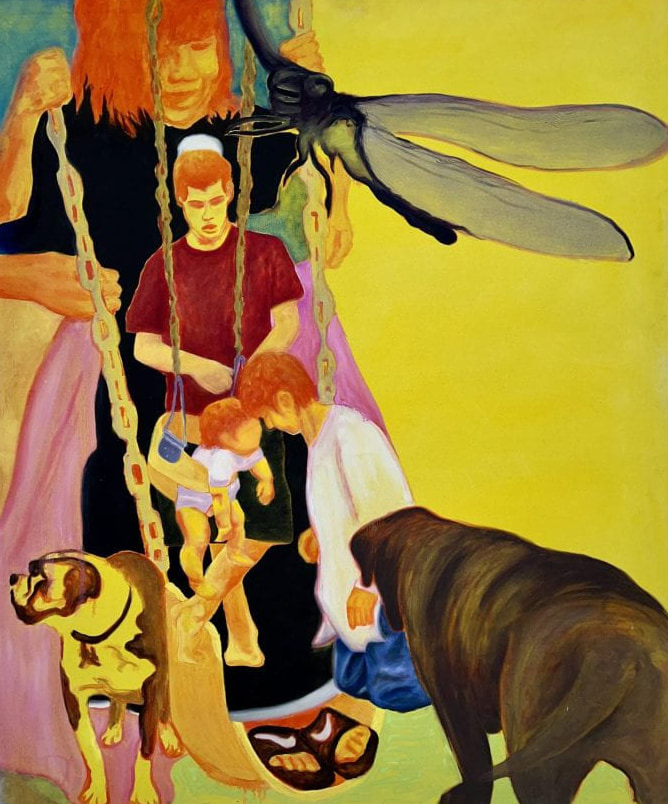
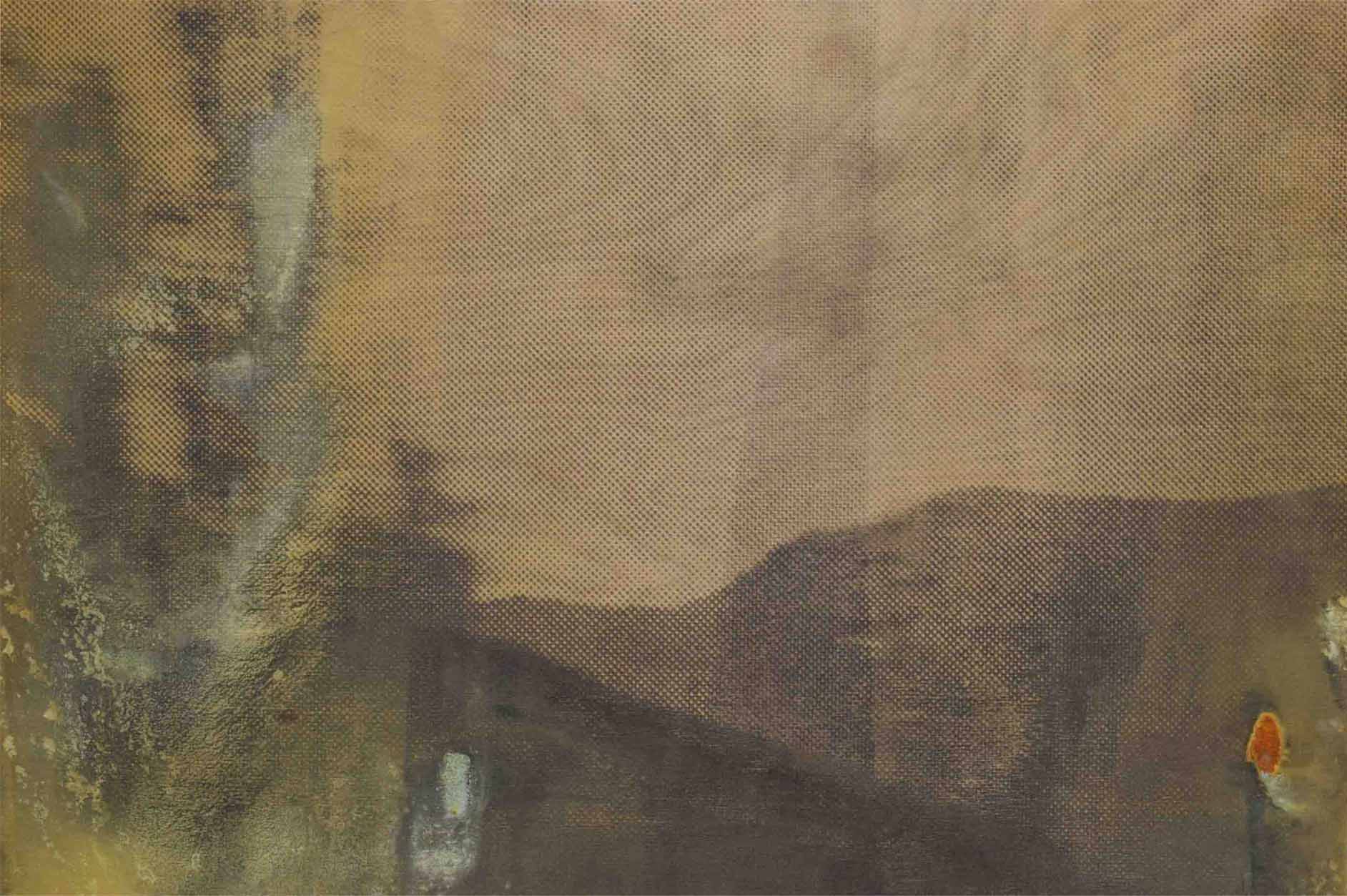
Painting - Studies in this major include investigation of historic and contemporary processes and concepts in the expanded field of painting which is inclusive of image, object, installation and the performative.
Drawing - Studies in this major include drawing, image making and disegno, perception and anatomy, graphic narrative, installation and conceptual drawing within an extended field.
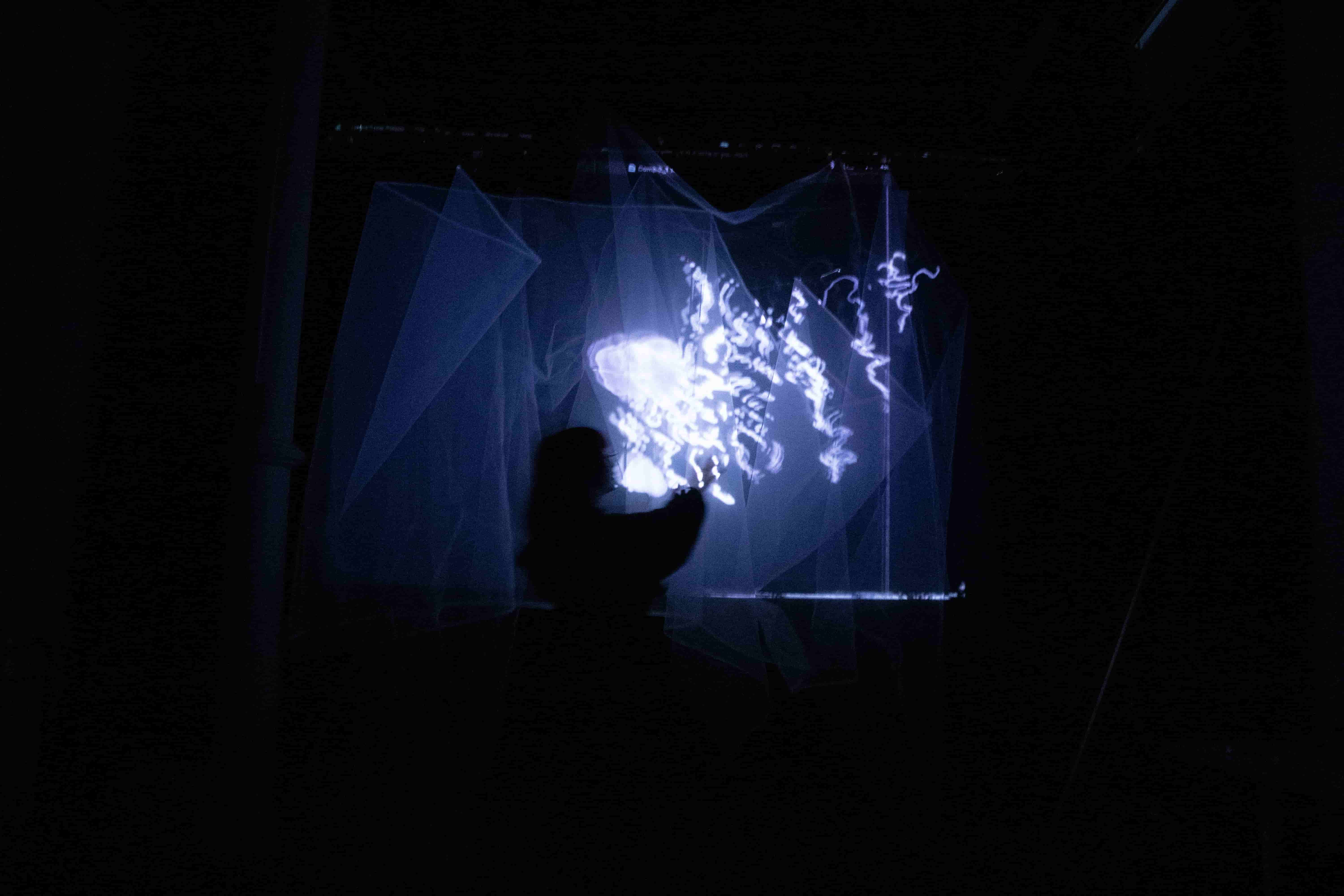
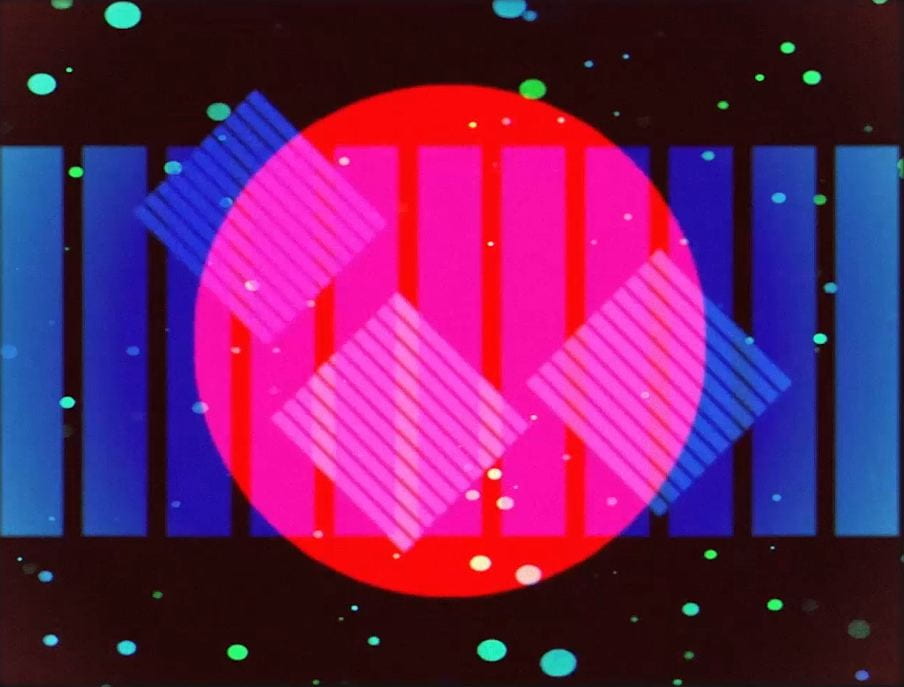
Video - Time-based art is defined by works that use duration and/or the manipulation of time as an essential element such as video, film, audio, sound art, sound design, animation and performance. The hybrid and interdisciplinary nature of time-based art often engenders collaboration.
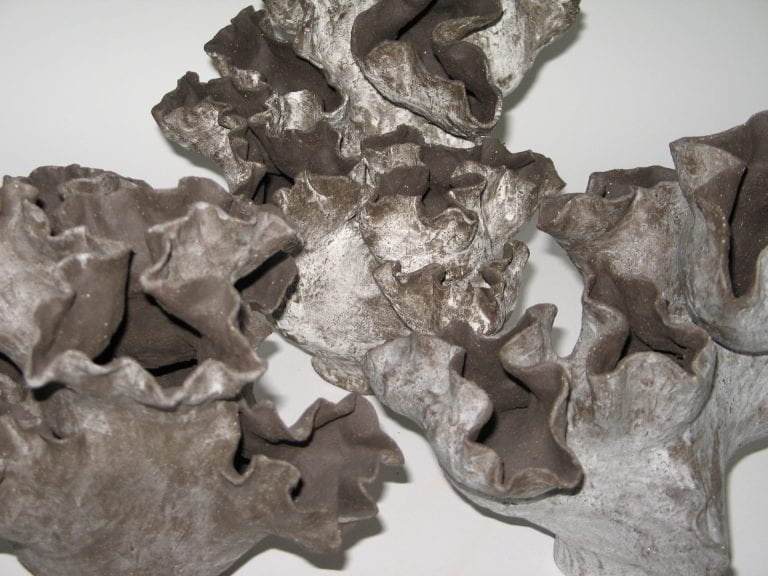
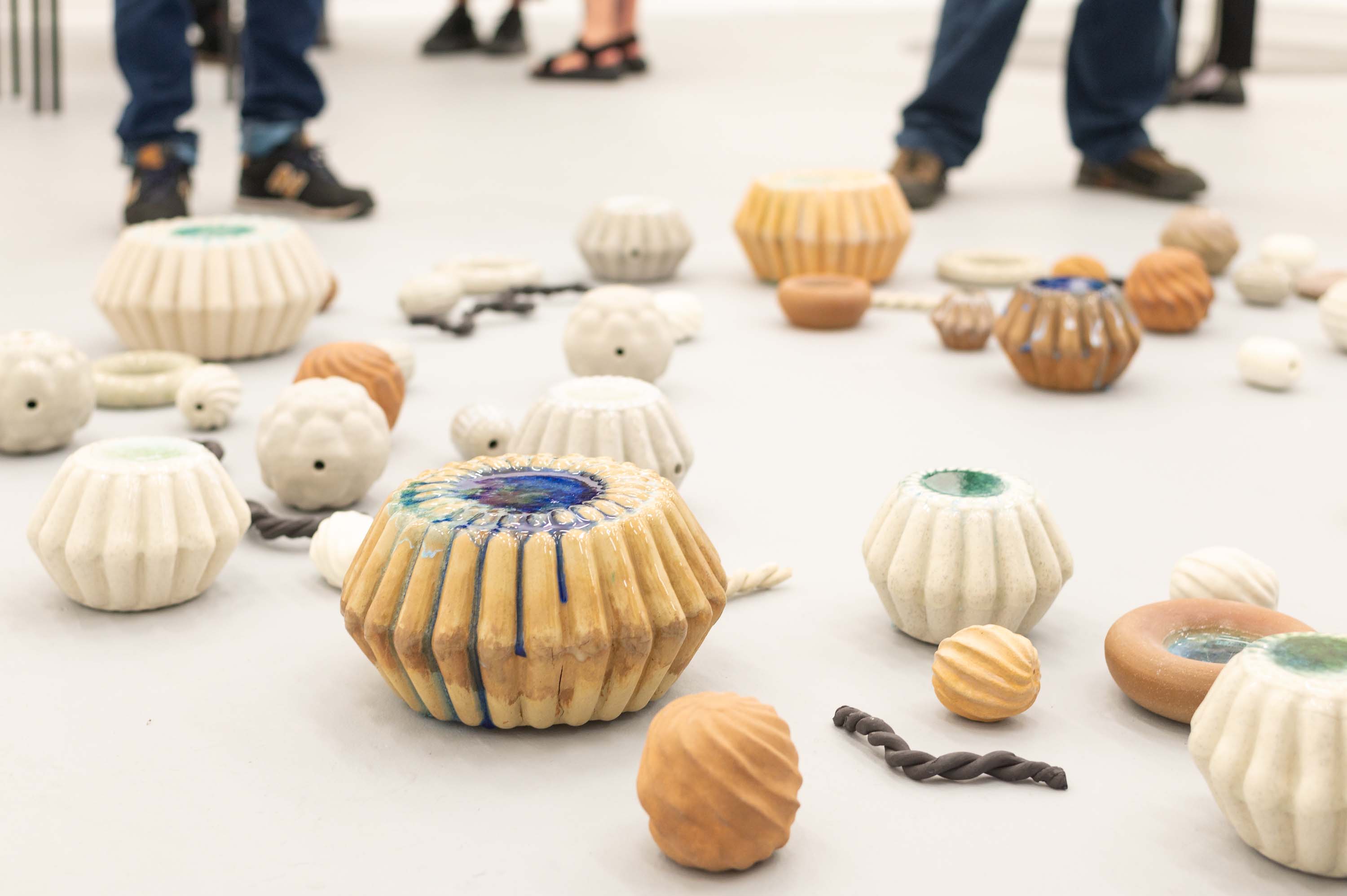
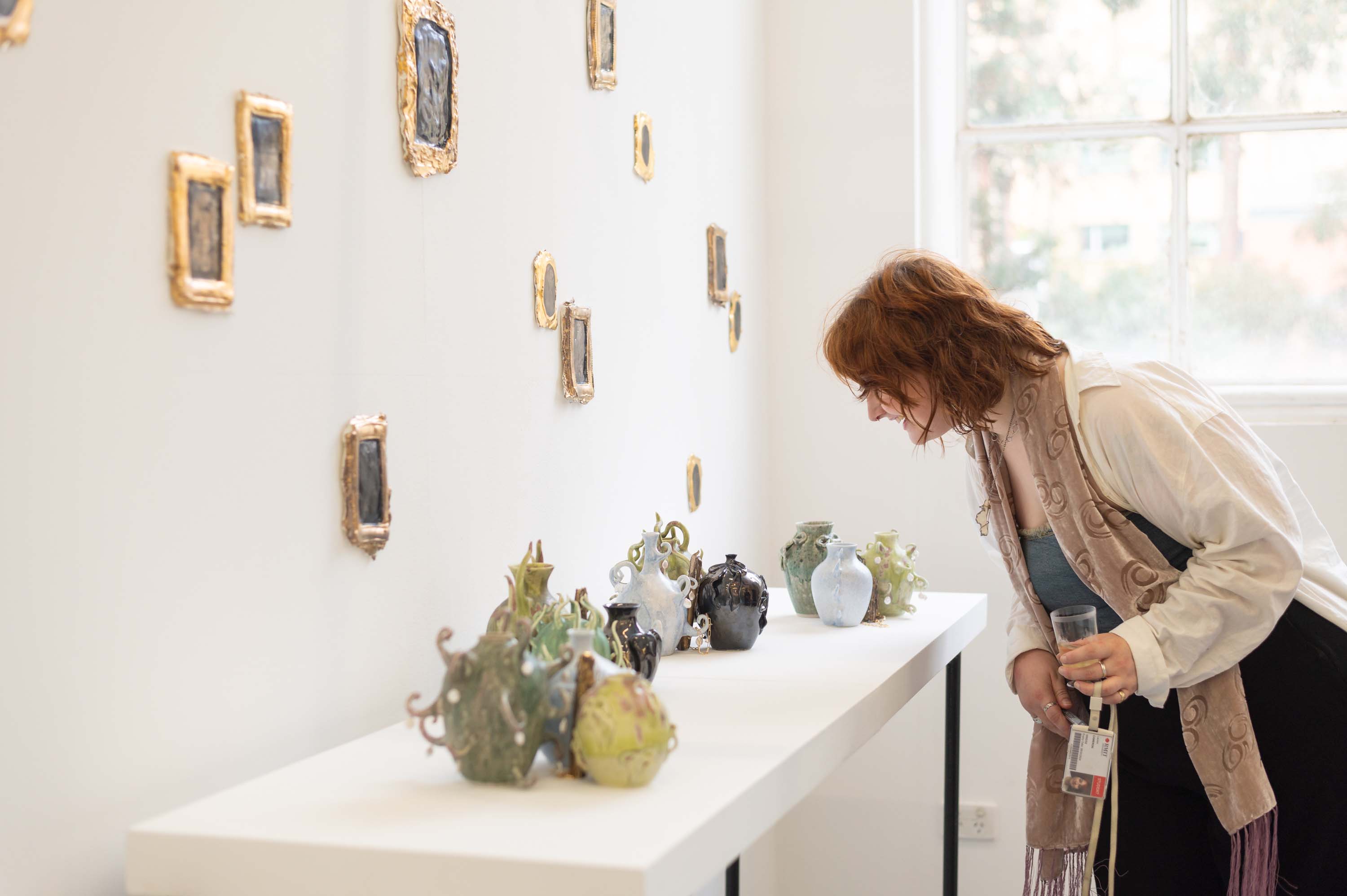
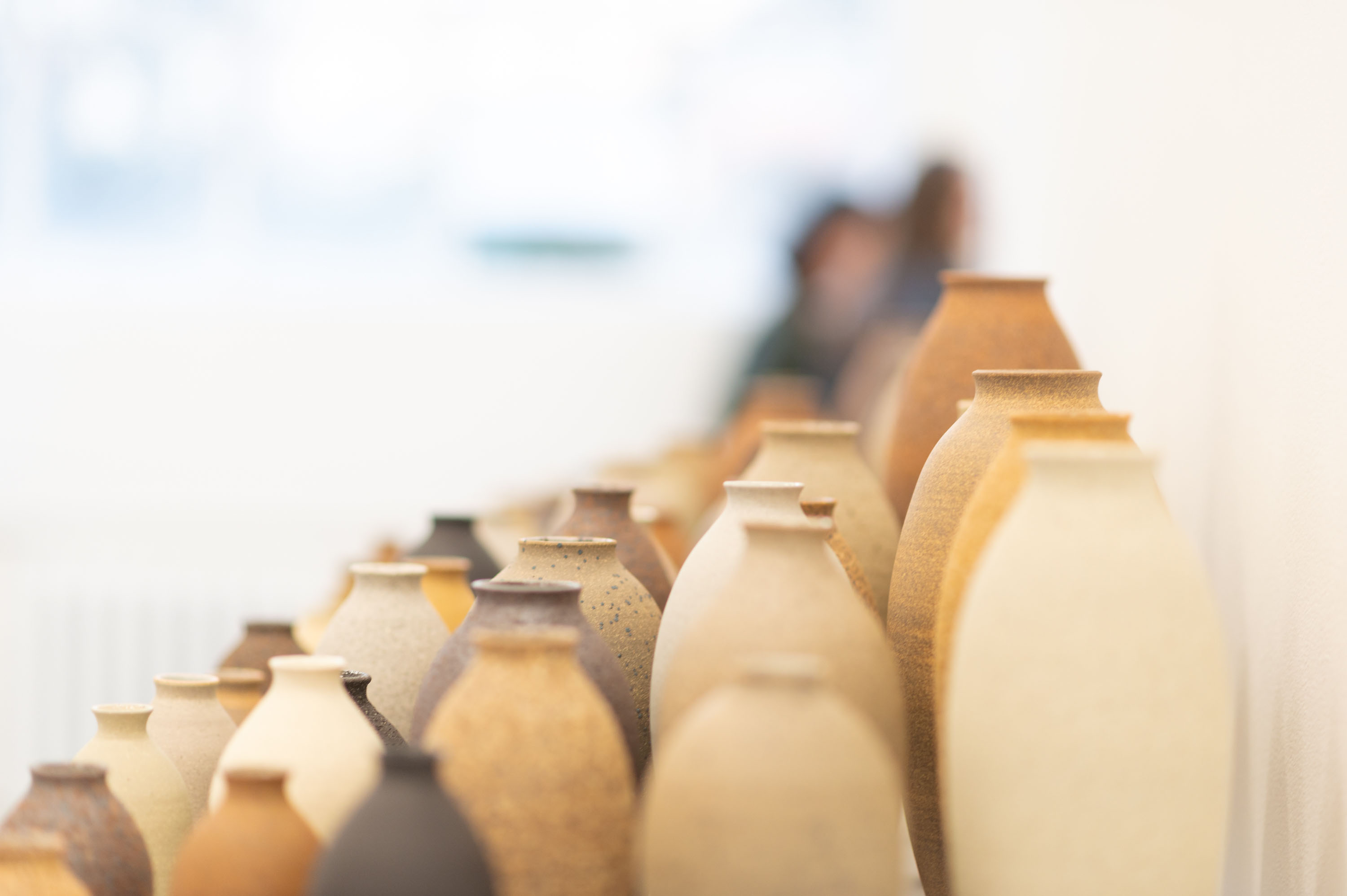
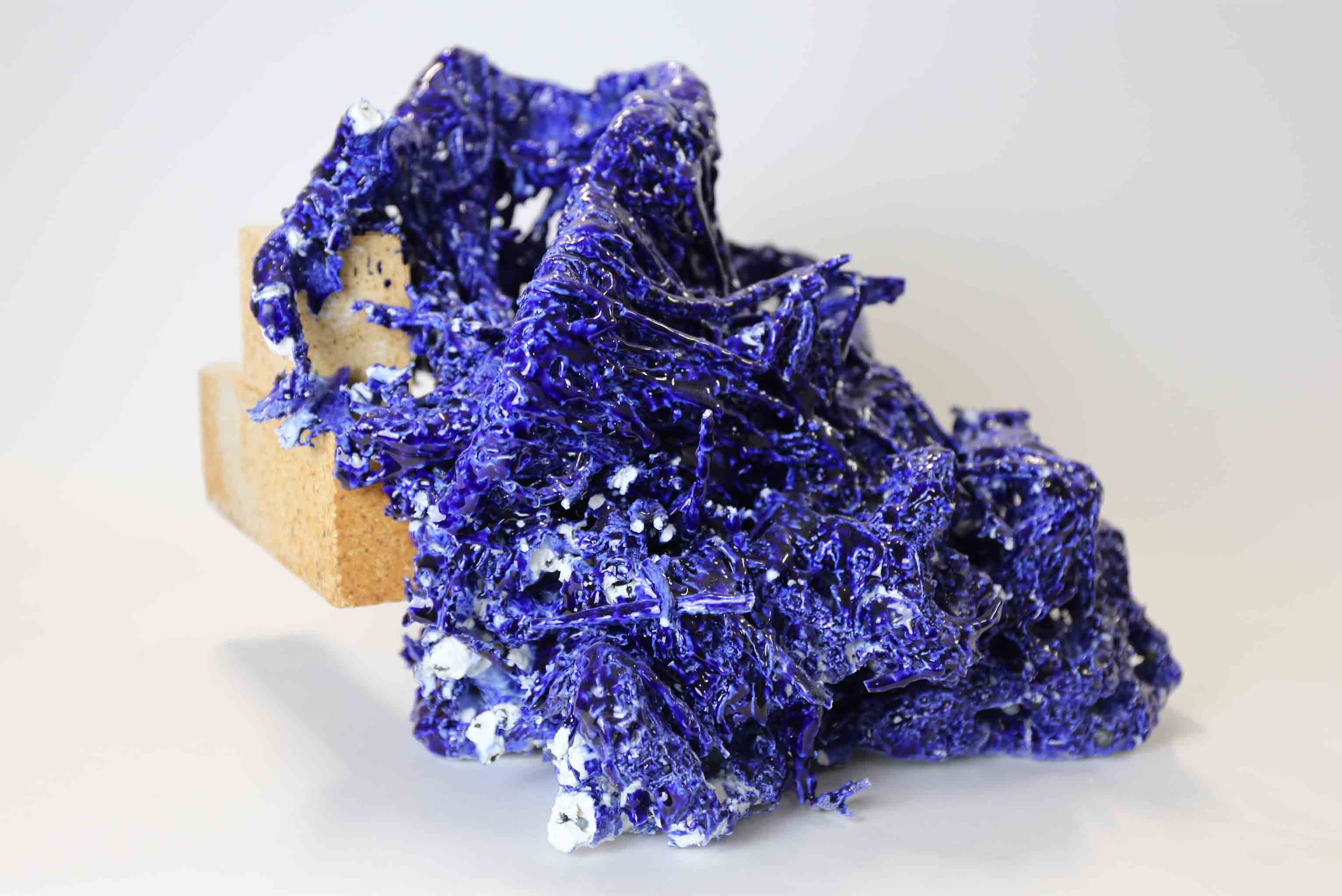
Ceramics - Studies in this object based major include approaches to craft, object design, ceramic surface and glaze technologies, hand and wheel forming, moulding and exhibition practice.
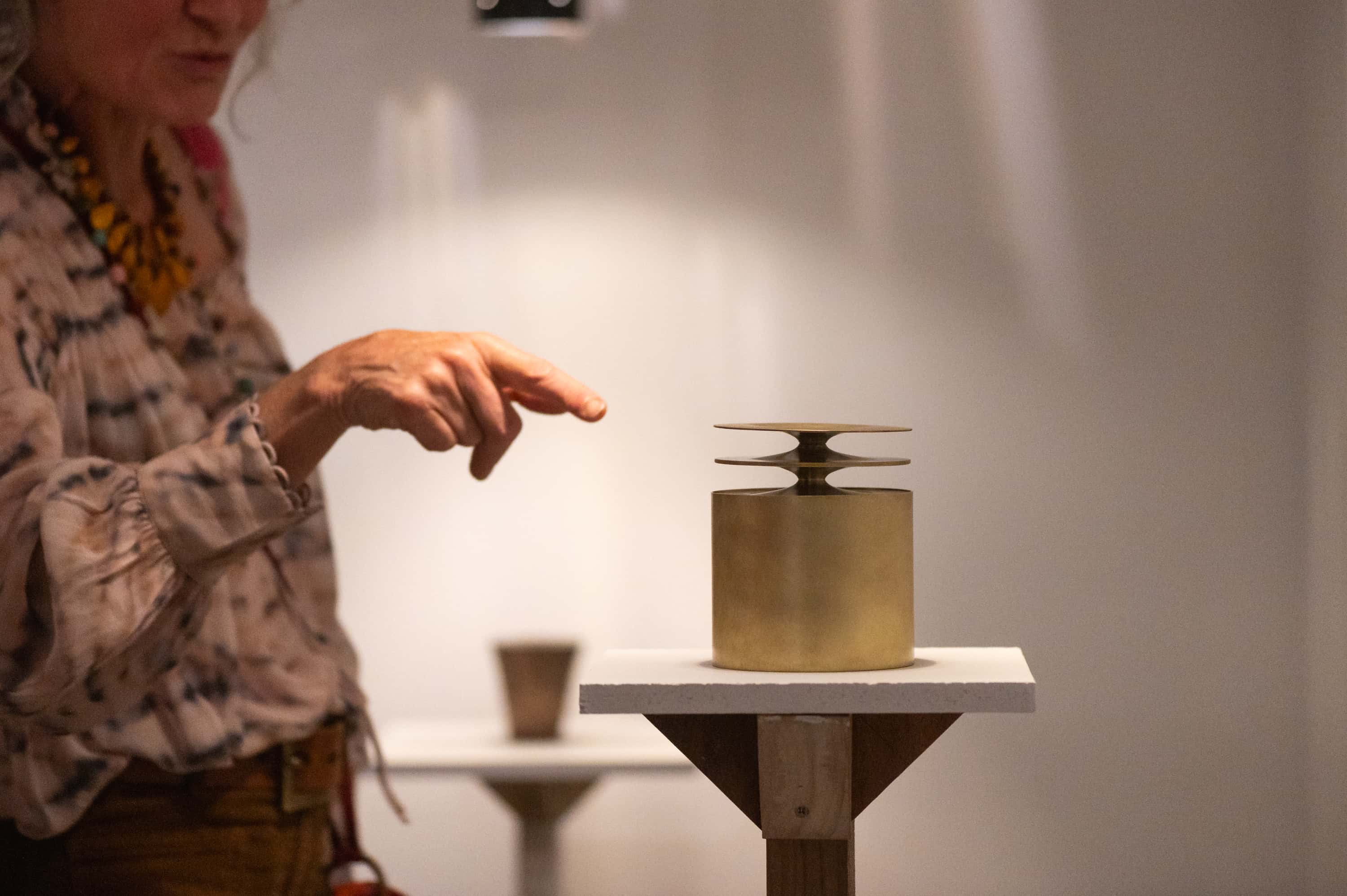
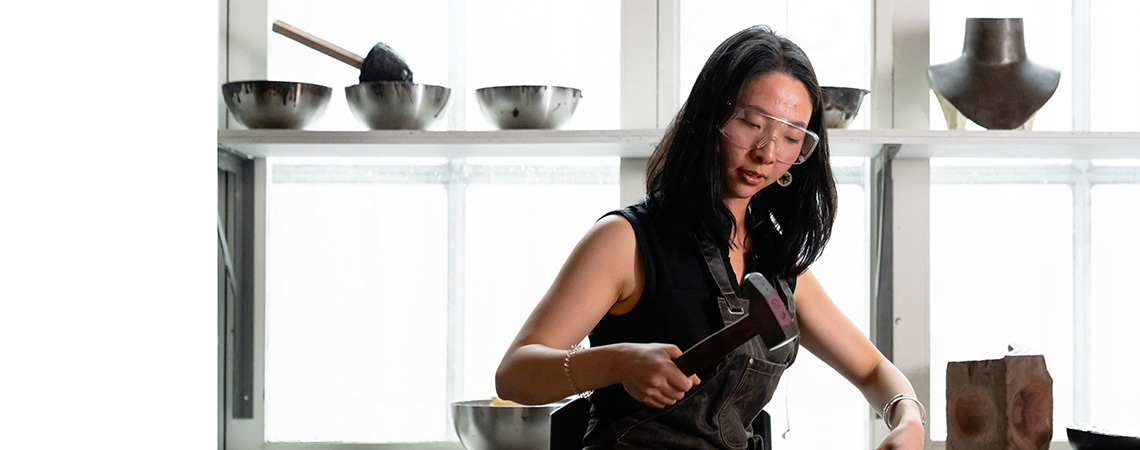
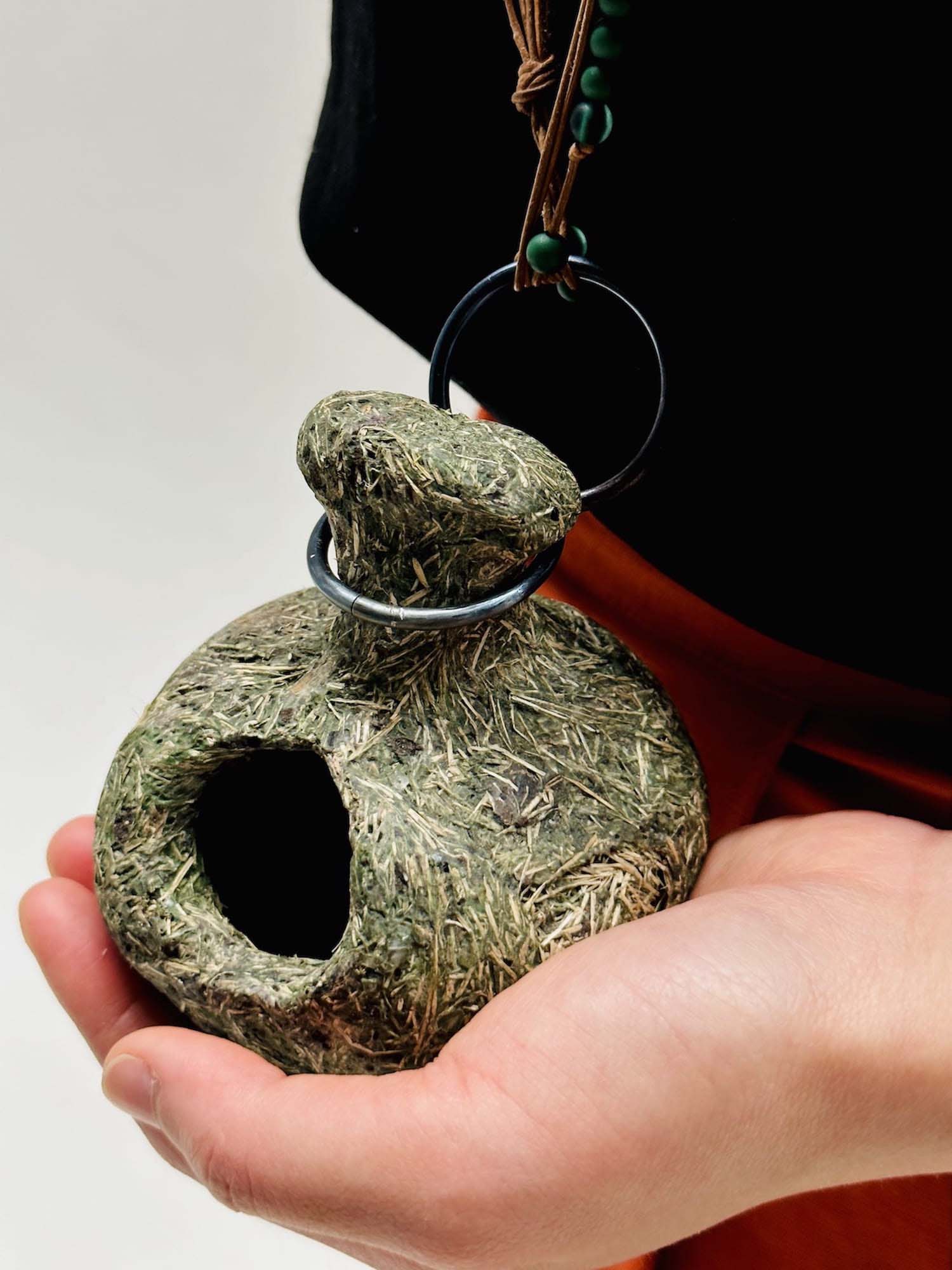
Gold and Silversmithing - Studies in the object based major include developing individual approaches to material practices of gold and silversmithing, contemporary jewellery, craft, object design with processes which include enamelling, casting, 3-d printing and laser welding.
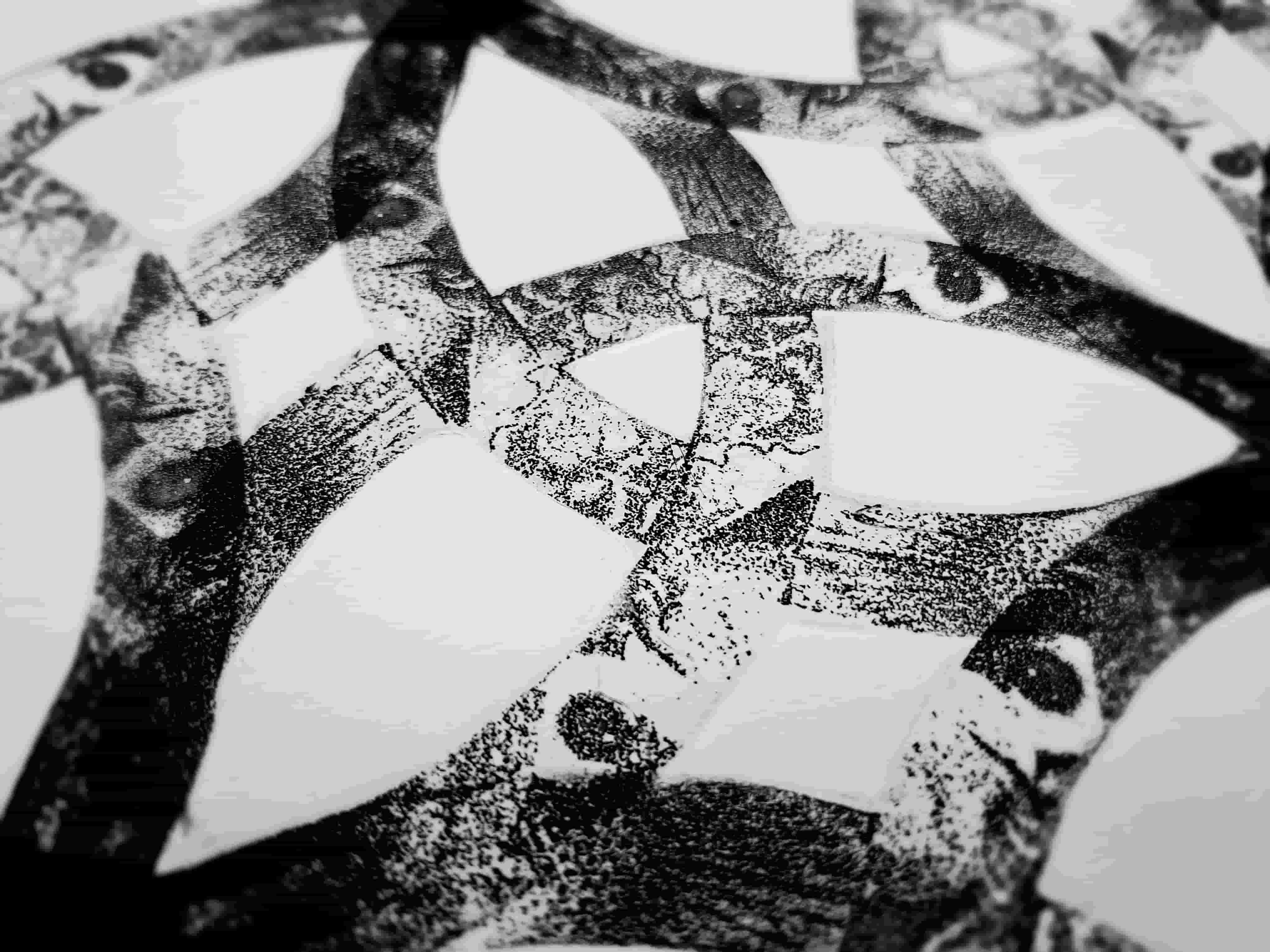
Print - Studies in this major include artist books, digital imaging, intaglio - etching, drypoint and engraving, relief printing, lithography, analogue and digital photographic technologies, print-based installation and screen printing.
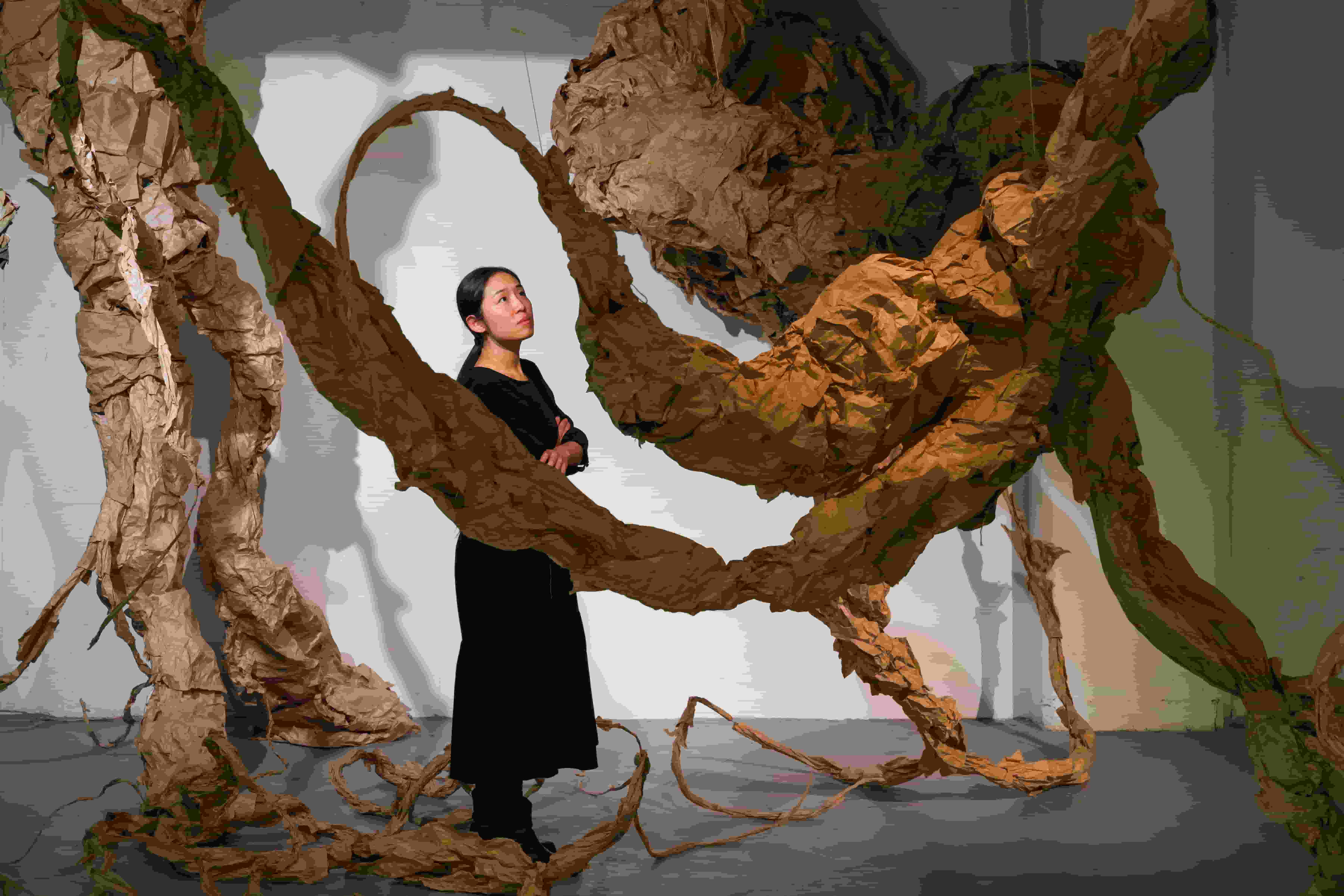
Sculpture - Studies in this major include installation practice, performance, spatial practice, public art, fabrication and foundry.
Note: selection into each studio is competitive so admission into your first studio preference is not guaranteed.
Art and Design application tips
View the following videos for some practical application advice:
Aboriginal and Torres Strait Islander peoples
The Indigenous Access Program will support your application into RMIT programs through an informal interview process with support from the Ngarara Willim Centre. Your relevant life, work, educational and training experience as preparation for study, in addition to any formal qualifications, are all considered.
Elite Athlete Program
The RMIT Elite Athlete Program (REAP) supports elite athlete and emerging athletes to achieve sporting and academic excellence.
You must have successfully completed an Australian Year 12 (or equivalent senior secondary school) qualification.
Equivalent qualifications may also include completion of the RMIT Foundation Studies program or a recognised post secondary diploma in the relevant discipline with the required grades.
Meeting the minimum academic requirements does not guarantee entry. Your application will still need to be assessed and accepted.
Pre-selection kit: You are required to submit a completed pre-selection kit along with your application.
Folio presentation: You may be required to present your folio to a selection panel, either in person or via phone/video call.
To study this program you will need to complete one of the following English proficiency tests:
- IELTS (Academic): minimum overall band of 6.5 (with no individual band below 6.0)
- TOEFL (Paper Based Test): minimum score of 580 (TWE 4.5)
- TOEFL (Internet Based Test - IBT): minimum overall score of 79 (with minimum of 13 in Reading, 12 in Listening, 18 in Speaking and 21 in Writing)

- Pearson Test of English (Academic) (PTE (A)): minimum score of 58 (with no communication band less than 50)
- Cambridge English: Advanced (CAE): minimum of 176 with no less than 169 in any component.
For detailed information on English language requirements and other proficiency tests recognised by RMIT, visit English language requirements and equivalency information.
Don't meet the English language test scores? Complete an Advanced Plus Certificate at RMIT English Worldwide.
Pathways
An Honours year is available following the successful completion of the Bachelor of Arts (Fine Art).
Honours is a pathway to postgraduate research. Eligibility is based on your level of academic achievement during the program.
Fees
In 2019, the annual student contribution amount (tuition fee) you will pay for a standard year of full-time study is between AU$6,566 to AU$10,958*.
* Amounts quoted are indicative fees per annum, and are based on a standard year of full-time study (96 credit points). A proportionate fee applies for more or less than the full-time study load.
Additional expenses
Student services and amenities fee (SSAF): AU$303 maximum fee for 2019.
Other items related to your program, including field trips, textbooks and equipment.
Fees are adjusted on an annual basis and these fees should only be used as a guide.
Learn more about fees for undergraduate study.
Defer your payment
You may be eligible to apply for a HECS-HELP loan, which can be used to defer payment of up to the full amount of your student contribution fees. You may also be eligible to apply to defer payment of your SSAF through the SA-HELP loan scheme.
All undergraduate and honours degrees have Commonwealth supported places (CSP) available. In 2019, the annual student contribution amount (tuition fee) you will pay for a standard year of full-time study is between AU$6,566 to AU$10,958.
In a CSP, your tuition fees are subsidised by the Australian Government. Your share of the fee (student contribution) is set each year by the Australian Government and is determined by the discipline areas (bands) of the courses in which you enrol, not the overall program.
How much can I expect to pay for my Commonwealth supported place?
Courses (subjects) fall into one of three bands. The band determines the student contribution amount for the course.
Amounts listed in the table below are based on a standard, full-time study load (96 credit points per year) with all courses in the same band. A proportionate fee applies for more or less than the full-time study load or for enrolment in courses (subjects) from a combination of bands.
You can learn how to calculate your exact tuition fees for units from different bands at fees for Commonwealth supported students.
Maximum student contribution amount for Commonwealth supported places in 2019
Student contribution band by course (subject) |
Maximum annual student contribution amount in 2019 |
Band 1: humanities, behavioural science, social studies, clinical psychology, foreign languages, visual and performing arts, education, nursing |
$6,566 per standard year |
Band 2: mathematics, statistics, computing, built environment, other health, allied health, science, engineering, surveying, agriculture |
$9,359 per standard year |
|
$10,958 per standard year |
HECS-HELP Loans
The Australian Government provides financial assistance via the HECS-HELP loan scheme, which allows eligible students (such as Australian citizens or holders of an Australian permanent humanitarian visa) to defer payment of up to the full amount of their student contribution.
SA-HELP Loans
You may be eligible to apply to defer payment of the Student services and amenities fee (SSAF) through the SA-HELP loan scheme. If you use SA-HELP, the amount will be added to your accumulated HELP debt.
How does a HELP loan work?
If your HECS-HELP and/or SA-HELP loan application is successful, the Australian Government will pay RMIT, on your behalf, up to the full amount of your fees. This amount will become part of your accumulated HELP debt.
You will only start repaying your accumulated HELP debt to the Australian Government once you earn above the minimum income threshold for repayment, which is set each year by the Australian Government (this also applies if you are still studying).
The Australian Taxation Office (ATO) will calculate your compulsory repayment for the year and include this on your income tax notice.
For more information about loan repayment options see Commonwealth assistance (HELP loans) or Study Assist.
In addition to tuition fees, you will be charged an annual student services and amenities fee (SSAF), which is used to maintain and enhance services and amenities that improve your experience as an RMIT student.
The SSAF is calculated based on your enrolment load and the maximum fee for 2019 is $303.
For more information about calculating your actual SSAF see Paying SSAF.
You may also be required to purchase other items related to your program, including field trips, textbooks and equipment. These additional fees and expenses vary from program to program.
The annual tuition fee for 2019 is AU$30,720.
The total indicative tuition fee for 2019 commencement is AU$95,040.
In addition to tuition fees you also need to pay for:
- Student services and amenities fee (SSAF) in each calendar year.
- Overseas Student Health Cover (OSHC) - Student visa holders must have cover for the total duration of their visa.
- Some programs incur additional expenses.
You also need to account for your living expenses. Estimate the cost of living in Melbourne.